
Breakfast & Brunch
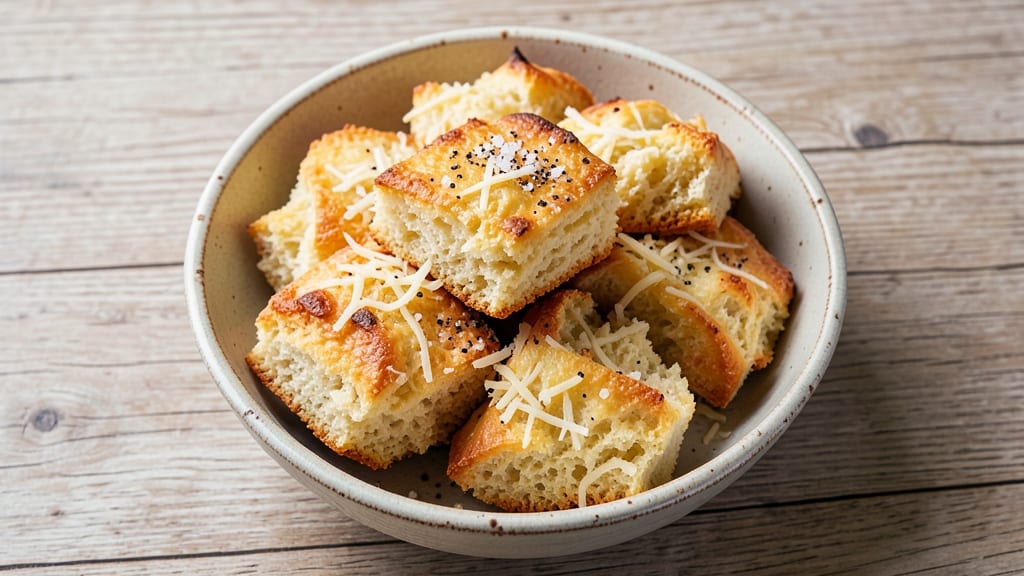
This basic cheese biscuit recipe delivers the flaky, buttery layers and pull-apart joy that make them a Southern breakfast staple. The secret lies in cold butter and precise handling—no shortcuts here, just a proven method for tender, golden biscuits that crumble perfectly.
I've baked these for everything from weekend brunches to holiday feasts, and they never disappoint.
What sets these apart is the technique: cutting butter into flour until pea-sized crumbs form, then folding in shredded cheese for pockets of melty goodness. The dough comes together in minutes, and baking at high heat ensures crisp edges while keeping the centers tender.
This isn't just a recipe—it's a foundation you can customize with herbs, jalapeños, or extra sharp cheddar.
By the time they emerge from the oven, you'll have biscuits with those signature flaky layers that separate cleanly at the touch of a fork. The aroma alone—warm butter, sharp cheese, and just a hint of flour—will have your kitchen filled with comfort.
Serve with honey butter, jam, or savory gravy for the ultimate breakfast experience.
Perfect for meal prep or last-minute gatherings, these biscuits stay fresh for days when wrapped properly. The method is simple enough for beginners but delivers restaurant-quality results every time. Let's get baking—your table is about to get an upgrade.
Ingredients for basic cheese biscuit
Twelve biscuits packed with sharp cheddar and buttery layers—no shortcuts, just perfect flaky texture.
| Ingredient | Amount | Notes |
|---|---|---|
| All-Purpose Flour 🌾 | 3 ½ cups | Sifted for even texture |
| Cold Unsalted Butter 🧈 | 1 cup | Cut into pea-sized crumbs |
| Sharp White Cheddar Cheese 🧀 | 1 ½ cups | Shredded, not pre-shredded |
| Baking Powder 🍞 | 2 tbsp | Freshly measured |
| Granulated Sugar 🍚 | 1 tbsp | For subtle sweetness |
| Kosher Salt 🧂 | 1 ½ tsp | Adjust to taste |
| Whole Milk 🥛 | ½ cup | Cold for tender dough |
| Freshly Ground Black Pepper 🌶️ | ½ tsp | Enhances cheese flavor |
| Garlic Powder 🧄 | ½ tsp | Optional aromatic boost |
| Coarse Cornmeal 🌽 | ¼ cup | For crisp bottoms |
The butter must be cold—this is non-negotiable for those signature flaky layers. European-style unsalted butter (like Plugrá or Land O'Lakes) works best because it has higher fat content, but any cold butter cut into pea-sized crumbs will do. The cheese matters too: sharp white cheddar melts beautifully, but Pepper Jack or Gouda add exciting variations. I buy my cheese from Whole Foods or Wegmans for consistent quality, but any block cheese you can shred yourself is better than pre-shredded (which contains anti-caking agents that prevent proper melting). For the flour, King Arthur or Gold Medal brands are my go-to—they're reliable for baking.
No sharp cheddar? Gruyère or Colby Jack work beautifully, though the flavor will differ. Running short on butter? Substitute an equal weight of lard for even more flakiness, but butter is preferred for its rich flavor. The baking powder must be fresh—if it's over a year old, your biscuits will fall flat. For a gluten-free version, King Arthur gluten-free flour blend works well, though texture will differ slightly. The cornmeal is optional but creates a crisp bottom—worth the extra minute if you're serving with gravy. And if you're feeling adventurous, fold in 1 tbsp of jalapeño flakes for a spicy kick.
This dough is best used immediately, but it keeps for up to 24 hours wrapped tightly in plastic in the fridge. For longer storage, shape the biscuits and freeze them on a tray before transferring to a bag—bake straight from frozen by adding 2-3 minutes to the cooking time. The biscuits reheat beautifully in a 350°F oven for 5-7 minutes to restore that fresh-from-the-oven crispness. I like to portion them into individual muffin liners for easy grab-and-go breakfasts—just pop them in the oven when ready. They also freeze well for up to 3 months, making them perfect for meal prep.
Why You'll Love This Recipe
- I’ll be real: this recipe uses ingredients you already have. Flour, butter, cheese—if your kitchen’s stocked for basic cooking, you’re golden. And because they’re so small, you can make a big batch for cheap and freeze half. Perfect for when you’re craving something warm but don’t want to commit to a whole meal.
- Foolproof Five-Minute Mix: I swear by this—just toss the flour, butter, and cheese together, then fold in baking powder and sugar. No measuring cups out yet, no mess, no stress. That cold butter cuts right through the dough like butter through a hot biscuit (pun intended), and the sharp cheddar? It melts into flaky layers without a fight.
- Cheddar Magic: Honestly, the flavor here is ridiculously good for how little effort it takes. That sharp white cheddar doesn’t just add saltiness—it brings this buttery, golden bite that makes you reach for another one before you even sit down. And the sugar? Just enough to balance the tang without turning it sweet.
- Lunchbox Hero: Between us, these are my go-to for packed lunches or quick snacks. They stay fresh for days in the fridge (yes, even when my kids forget them in their backpacks) and reheat in seconds. Throw one in a thermos with soup, or just eat them straight—no judgment here.
Step-by-step instructions for basic cheese biscuits recipe
Here's how to create those signature flaky layers and buttery pull-apart texture every time.
Cut the Cold Butter into the Flour Mixture
In a large mixing bowl, combine the 3.5 cups all-purpose flour, 2 tablespoons baking powder, 1 tablespoon granulated sugar, 1.5 teaspoons kosher salt, 0.5 teaspoon freshly ground black pepper, and 0.5 teaspoon garlic powder. Whisk these dry ingredients together until evenly distributed and no flour pockets remain.
Add the 1 cup cold unsalted butter, cut into pea-sized crumbs as specified in the ingredients list. Using a pastry cutter or your fingers, work the butter into the flour mixture until you achieve a coarse crumb texture. The butter should be evenly distributed with some pea-sized pieces remaining—this creates those signature flaky layers. If the mixture feels too dry, you can add 1-2 tablespoons of ice water to help bind it together.
This step is critical for achieving flaky biscuits. The cold butter creates steam pockets when baked, which rise between the layers of dough. Don't overwork the mixture or the butter will melt and you'll lose that flaky texture.
Add the Shredded Cheese and Milk
Gently fold in the 1.5 cups shredded sharp white cheddar cheese using a silicone spatula. The cheese should be evenly distributed throughout the mixture. Then, gradually add the 0.5 cup cold whole milk, mixing just until the dough comes together. Be careful not to overmix—you're looking for a soft, slightly shaggy dough that holds together when pressed.
If the dough feels too dry, add additional milk 1 tablespoon at a time until it reaches the proper consistency. The dough should be soft enough to handle but not sticky. This texture ensures the biscuits will rise properly and maintain their structure during baking.
Here's the thing—don't be tempted to knead the dough. Overworking develops gluten, which makes biscuits tough instead of tender. Just handle it gently until it's just combined.
Turn Out and Shape the Dough
Turn the dough out onto a lightly floured surface and gently pat it into a 1-inch thick rectangle. Sprinkle the 0.25 cup coarse cornmeal evenly over the surface—this will create those beautiful crisp bottoms. Fold the dough over the cornmeal, then gently press it back into a rectangle, about 12x8 inches.
Cut the dough into 12 equal squares using a sharp knife or biscuit cutter. For even-sized biscuits, press straight down without twisting the cutter. Arrange the biscuits on a parchment-lined baking sheet, spacing them about 1 inch apart. This spacing allows them to rise and brown properly without touching each other.
I know it seems like too much dough, but trust me—these biscuits will puff up beautifully during baking. The cornmeal on the bottom ensures crispy texture while the butter layers create that signature flaky top.
Bake Until Golden Brown
Preheat your oven to 425°F. Bake the biscuits for 12-15 minutes until they're golden brown on top and the bottoms are crisp. You'll know they're done when they've risen significantly and the edges are beginning to brown.
Don't open the oven during baking—this causes the biscuits to fall and lose their rise. The steam needs to build up inside to create those flaky layers. If you peek and see the tops browning too quickly, tent loosely with aluminum foil to prevent over-browning while allowing them to continue rising.
Real talk: the first batch might not be perfect, but once you nail this step, you'll have flaky, buttery biscuits every time. That's the magic of the cold butter and proper baking time.
Pro Tips For Making Basic Cheese Biscuit
- Cut Butter in Cold: Take your cold butter straight from the fridge and cut it into the flour mixture using a pastry cutter or your fingers—no need to soften it. I learned this the hard way after making dough that turned out greasy and dense; cold butter creates flaky layers when it melts during baking.
- Grate That Cheese: Skip the pre-shredded cheese and grate your own sharp white cheddar—it packs better and doesn’t leave excess moisture in the dough. Pre-shredded cheese often has anti-caking agents that make biscuits gummy, and freshly grated cheese melts more evenly.
- Don’t Overwork the Dough: Mix just until the dough comes together—overworking it develops gluten, which makes biscuits tough instead of tender. I used to knead like I was making bread, and my biscuits ended up dense; stop as soon as the flour disappears and the butter is evenly distributed.
- Press, Don’t Roll: Use a glass or your palm to press the dough into the pan instead of rolling it—this keeps the layers intact and prevents flattening the butter pockets. Rolling can squeeze out the butter, which is what makes cheese biscuits flaky and delicious.
Common mistakes when making your basic cheese biscuit
Overworking the Dough
This is the #1 mistake I see beginners make—kneading the dough like bread. Cheese biscuits rely on tender layers, not gluten development. Once you've mixed in the milk, stop handling it immediately.
Overworking creates tough biscuits that lack that signature pull-apart texture. I promise, the dough will hold together just fine without extra kneading—trust the recipe! 💪
Using Warm Butter
Cold butter is non-negotiable for flaky layers. If your butter softens during mixing, pop the bowl in the freezer for 5-10 minutes to firm it up again. Warm butter creates steam that evaporates too quickly, resulting in dense biscuits.
I keep my butter in the freezer for 15 minutes before starting to ensure it stays cold throughout the process.
Skipping the Cornmeal
That ¼ cup cornmeal isn't just for show—it creates crisp bottoms that prevent sogginess. Without it, your biscuits will absorb moisture from sauces or gravy. Sprinkle it evenly over the dough rectangle before folding, then press gently to adhere.
This simple step makes all the difference when serving with breakfast gravy.
Uneven Butter Distribution
When cutting butter into flour, aim for pea-sized crumbs—not powder. Lumpy butter creates those beautiful flaky layers, while over-mixed butter leads to tough biscuits. Use your fingers or a pastry cutter to gently work the butter until you see some small pieces remaining.
The goal is even distribution, not complete incorporation.
Opening the Oven Too Soon
Peeking at your biscuits during baking releases steam and causes them to collapse. Wait until 12 minutes have passed before checking for doneness. If they're browning too quickly, tent with foil instead of opening the door.
The steam needs to build up to create those perfect layers—patience pays off with golden, flaky biscuits.
Using Pre-Shredded Cheese
Pre-shredded cheese contains anti-caking agents that prevent proper melting. For the best results, buy a block of sharp cheddar and shred it yourself using the large holes on your box grater.
The cheese should melt beautifully into pockets throughout the biscuit, creating those gooey surprises with every bite. This small detail makes a huge difference in texture! 🧀
Nutrition facts
Frequently asked questions
Why do my cheese biscuits turn out dense instead of flaky?
The key is keeping the butter cold and handling the dough minimally. Warm butter melts too quickly, while overworking develops gluten, making biscuits tough. Cut butter into pea-sized crumbs and avoid kneading after adding milk—just mix until combined. Cold butter creates steam pockets that rise between layers for that signature flakiness.
Can I make these biscuits ahead of time?
Yes! Shape the biscuits and freeze them on a tray before transferring to a bag. Bake straight from frozen by adding 2-3 extra minutes at 425°F. For freshness, store shaped biscuits in the fridge for up to 24 hours or freeze unbaked dough (wrapped tightly) for 1 month. Reheat in a 350°F oven for 5-7 minutes to restore crispness.
What's the best cheese substitute if I don't have sharp cheddar?
Try Gruyère for nutty depth, Pepper Jack for heat, or Colby Jack for milder flavor. Avoid pre-shredded cheese—its anti-caking agents prevent proper melting. Shred your own cheese using large holes on a box grater for gooey pockets. For a dairy-free option, use nutritional yeast (¼ cup) mixed with ½ cup cashew cream for a cheesy flavor without melting.
How do I fix biscuits that spread too much during baking?
Spread happens when dough isn't chilled enough or butter melts too fast. Press biscuits slightly with your palm before baking to flatten them. Use a biscuit cutter instead of a knife for cleaner edges, and avoid overfilling the cutter. Chill the dough 15 minutes before cutting if your kitchen is warm. Also, rotate the baking sheet halfway through for even browning.
Can I add herbs or spices beyond what's listed?
Try ½ tsp dried rosemary or thyme for savory depth, ½ tsp smoked paprika for a BBQ twist, or 1 tbsp jalapeño flakes for heat. For sweet versions, swap ½ cup cheese for dried cranberries and add 1 tsp cinnamon. Just don’t exceed 1 tbsp extra spices or the dough may become too dense. Balance flavors by adjusting salt and pepper.