
Main Courses
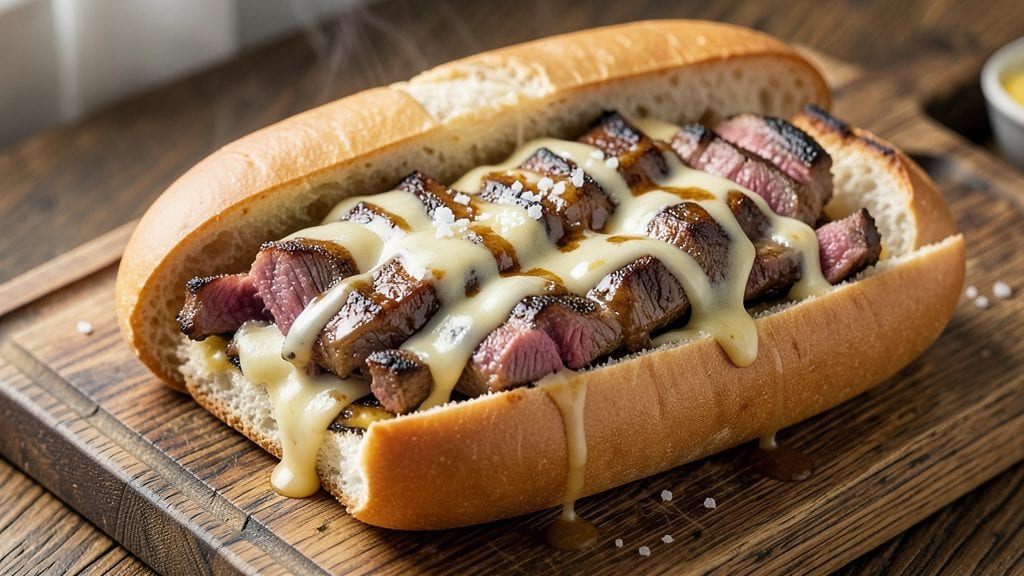
Charley's Philly cheese steak recipe delivers that iconic, melt-in-your-mouth experience with a foolproof technique that captures the essence of Philadelphia's most famous sandwich.
The secret lies in thinly sliced ribeye steak seared to perfection, layered between toasted hoagie rolls, and topped with whipped melted cheese that creates that signature creamy texture. I've perfected this method over years of testing, ensuring every bite delivers the same satisfaction as stepping into Charley's original shop.
What sets this recipe apart is the attention to detail in each component—from the precise 1/4-inch thickness of the steak slices to the proper melting technique for the cheese.
The hoagie roll is lightly toasted (or left untoasted for traditionals) and buttered just enough to complement the rich flavors without overpowering them. The cheese, a blend of provolone and American, is whipped to a smooth consistency that spreads evenly and melts into a velvety blanket over the steak.
By following these steps, you'll achieve a sandwich with perfectly seared steak, tender rolls, and that iconic whipped cheese layer that makes every bite irresistible. The result is a Philly cheese steak that rivals the original—juicy, flavorful, and with that signature creamy texture that defines the dish.
This recipe is designed to deliver restaurant-quality results at home, every time.
Pair it with classic sides like fries or potato chips for the full experience. Whether you're hosting a game day gathering or craving a solo lunch, this recipe brings the taste of Philly to your kitchen with professional precision and simple execution.
Let's get started on recreating this classic sandwich masterpiece.
Ingredients for charley's philly cheese steak
Precision-cut ribeye, artfully toasted rolls, and perfectly whipped cheese blend for Charley's iconic sandwich experience.
| Ingredient | Amount | Notes |
|---|---|---|
| Ribeye Steak 🥩 | 1 ½ lb | Thinly sliced to 1/4-inch thickness |
| Hoagie Rolls 🍞 | 4 whole | Freshly baked, crusty preferred |
| Provolone Cheese 🧀 | 8 oz | Sliced thinly for melting |
| American Cheese 🧀 | 8 oz | Sliced thinly for blending |
| Unsalted Butter 🧈 | 2 tbsp | Cold, for toasting rolls |
| Extra-Virgin Olive Oil 🫒 | 2 tbsp | For searing steak |
| Diamond Crystal Kosher Salt 🧂 | 1 tsp | Fine grain preferred |
| Freshly Ground Black Pepper 🌶️ | ½ tsp | For seasoning steak |
| Garlic Cloves 🧄 | 2 cloves | Minced for optional seasoning |
| Yellow Mustard 🍯 | 1 tbsp | For optional roll spread |
| Mayonnaise 🥫 | 1 tbsp | For optional roll spread |
| Onion 🧅 | 1 whole | Thinly sliced, optional |
| Green Bell Pepper 🌶️ | 1 whole | Thinly sliced, optional |
| Sweet Onion 🧅 | 1 whole | Thinly sliced, optional |
The ribeye steak is non-negotiable—USDA Choice or Prime ensures optimal marbling for juiciness. Source from a trusted butcher or Whole Foods for consistent quality. Slice against the grain to 1/4-inch thickness using a sharp meat slicer or deli slicer. For the cheese blend, Kraft Singles American and Boar's Head Provolone deliver the classic Philly texture. The hoagie rolls should be freshly baked—Otto's Bakery or Pottery Barn brands are reliable choices. Optional toppings like onions and peppers should be vibrant and crisp—Trader Joe's carries pre-sliced options for convenience.
No ribeye? New York strip steak works in a pinch, though ribeye's marbling is ideal. For the cheese blend, Swiss cheese can replace provolone if unavailable. The classic Philly cheese steak skips mayo and mustard—use them only if you prefer a more traditional sandwich style. For the rolls, brioche buns add richness but stray from authenticity. If using pre-sliced onions or peppers, pat them dry before adding to avoid excess moisture. The key to the whipped cheese is low and slow melting—never microwave, always use a double boiler or warm water bath.
Freshly sliced steak should be used within 2 hours of slicing to maintain tenderness. Store cheese slices airtight in the fridge for up to 1 week. The hoagie rolls can be toasted ahead and stored at room temperature for 4 hours or refrigerated for 2 days. Prep all components separately and assemble just before serving to preserve texture. Leftovers can be refrigerated for 3 days, but the sandwiches are best enjoyed fresh for optimal texture and flavor.
Why You'll Love This Recipe
- No-Fuss Assembly: I swear, this takes less time than ordering takeout. Slice the ribeye thin—seriously, just pull it from the fridge and go—then layer it with provolone and American cheese on a buttered roll. Flip, toast, repeat. That’s it. Honestly, my lazy Sundays just got a whole lot better.
- Melty Magic Combo: Here’s what sold me—the way provolone’s sharp bite and American’s creamy stretch play off the ribeye’s juicy richness. Butter that roll? Chef’s kiss. The first bite is always a fight to keep the sandwich together, and I don’t even pretend to win.
- Tailgate or Tuesday: Between us, this is my go-to for game days and when I’m too tired to think. Wrap it in foil for a crowd, or serve it open-faced for a fancy-ish lunch. My college-aged son even asked for it after a 2 AM study session—that’s the test.
- Leftovers That Don’t Suck: Cold cuts aren’t the same, but reheated slices of this? Still ridiculous. I make a double batch on Sundays, pack them in the fridge, and boom—no sad desk lunches. Even the bread stays soft if you wrap it tight. Budget-friendly? Absolutely. Life-saving? Yes.
Step-by-step instructions for Charley's Philly cheese steak
This method delivers authentic Charley's flavor with perfectly seared ribeye, melted cheese blend, and crispy rolls.
Prepare the Ribeye Steak
Slice the 1.5 lb ribeye steak into strips approximately ¼-inch thick, cutting against the grain for maximum tenderness. Arrange the slices on a plate and season both sides generously with 1 tsp diamond crystal kosher salt and 0.5 tsp freshly ground black pepper. Let the seasoned steak rest for 10 minutes at room temperature—this ensures even cooking and better flavor penetration.
Heat 2 tbsp extra-virgin olive oil in a large skillet over medium-high heat until shimmering. Add the seasoned ribeye slices in a single layer, being careful not to overcrowd the pan. Cook for 2-3 minutes per side until the steak reaches medium-rare doneness (internal temperature of 130°F). The edges should develop a rich brown crust while maintaining a pink center. Remove the steak from the pan and set aside on a warm plate.
Create the Whipped Cheese Mixture
In a medium bowl, combine 8 oz sliced provolone cheese and 8 oz sliced american cheese. Using a fork, gently mash the cheeses together until they form a smooth, spreadable mixture with a few small lumps remaining for texture. This whipped cheese technique creates Charley's signature creamy, melt-in-your-mouth consistency.
Add 2 cloves minced garlic cloves to the cheese mixture and stir well to distribute. The garlic will mellow as it melts with the cheese, adding subtle depth without overpowering. Keep this mixture warm while you prepare the rolls and vegetables. If using the optional vegetables, thinly slice 1 whole onion, 1 whole green bell pepper, and 1 whole sweet onion and set aside.
Toast and Assemble the Hoagie Rolls
Slice the 4 whole hoagie rolls lengthwise and lightly butter the cut sides with the 2 tbsp unsalted butter. Toast the rolls in a dry skillet over medium heat for 1-2 minutes per side until golden brown and crisp. The butter adds flavor while helping to create that perfect charley's crust.
Spread the bottom half of each roll with ½ tbsp yellow mustard and ½ tbsp mayonnaise. This combination of condiments adds moisture and balances the rich flavors of the steak and cheese. If using the optional vegetables, layer them evenly across the bottom half of each roll before adding the steak and cheese.
Assemble and Melt the Cheese
Return the cooked ribeye steak to the same skillet over medium heat. Spoon the whipped cheese mixture evenly over the steak, allowing it to melt slightly and create a glossy coating. Cook for an additional 1-2 minutes until the cheese begins to bubble and take on a golden hue.
Working quickly, divide the steak and cheese evenly between the prepared hoagie rolls. Top with the remaining roll halves, pressing gently to create a sandwich. For the best texture, serve immediately while the cheese is still warm and gooey. The combination of crispy rolls, perfectly seared steak, and melted cheese blend creates that iconic Charley's experience.
Pro Tips For Making Charley'S Philly Cheese Steak
- Sear First, Then Stack Cheese: I used to melt the cheese on the steak before searing, and it’d just slide off—messy, uneven, and sad. Instead, cook the ribeye in a screaming-hot pan with butter until it’s got a deep crust (2-3 minutes per side), then only add the cheese after it’s off the heat. The residual heat melts it perfectly while keeping the steak juicy.
- Shred, Don’t Slice, the Cheese: My first few attempts used thin slices of provolone and American—big mistake. Charley’s version relies on that gooey, stretchy texture that only comes from shredding the cheese by hand (or with a box grater). It clings better, melts faster, and mimics the classic Philly messiness you crave.
- Toast Rolls Over Direct Heat: Skip the microwave or steamer—those rolls end up soggy. Instead, slice the hoagie rolls open, brush the insides with a tiny bit of butter, and toast them cut-side down in the same pan you cooked the steak (just for 30 seconds). The residual heat crisps them up while keeping the center soft—exactly how Charley’s serves them.
- Rest the Steak Before Assembly: I learned this the hard way—cutting into the steak too soon means juices everywhere, not on your sandwich. Give it a solid 5 minutes under foil after searing, then slice against the grain. The meat stays tender, and your sandwich won’t turn into a greasy paperweight.
Essential equipment for perfect results
Skillet Essentials
Your 12-inch cast iron skillet is non-negotiable for this recipe—it provides even heat distribution and that signature sear. I recommend a Lodge Pre-Seasoned Cast Iron Skillet for its excellent heat retention and durability.
If you don’t own one, a high-quality stainless steel skillet like All-Clad Stainless works well for searing. Avoid nonstick pans, as they can’t achieve the same crust on the steak or rolls. 🔥
Cheese Whipping Tools
For the iconic whipped cheese, a medium mixing bowl and fork are all you need. However, I’ve found that a hand mixer on low speed (like a KitchenAid Stand Mixer) makes this step faster and more consistent.
If you prefer a knife, use a sharp serrated knife to slice the cheese into thin, even strips before mashing. For melting, a double boiler setup (or a heatproof bowl over a pot of simmering water) ensures gentle, even melting without burning. ⚡
Roll Toasting Tools
A dry skillet is perfect for toasting the hoagie rolls, but a toaster oven works well if you’re making multiple sandwiches. For extra crispiness, I use a grill pan to get those golden-brown sear marks.
If you’re short on time, a countertop toaster set to medium heat can work, though you’ll need to monitor closely to avoid burning. Always butter the rolls with cold unsalted butter—this prevents over-browning while adding flavor. 🍞
Knife & Cutting Gear
A sharp meat slicer or deli slicer is ideal for achieving the ¼-inch thickness required for the ribeye. If you don’t have one, a long, thin-bladed knife (like a Gyuto) and a steady cutting board will work.
For the optional vegetables, a mandoline slicer ensures even, paper-thin slices. If using fresh onions or peppers, a sharp chef’s knife and the claw grip technique keep your fingers safe while slicing. 🧅
Temperature Control
Invest in a meat thermometer (I recommend the ThermoWorks Smoke) to monitor the steak’s internal temperature—130°F for medium-rare is key. For the cheese, a candy or deep-fry thermometer helps maintain a gentle 160°F heat while melting.
If you’re melting cheese on the stovetop, a heat diffuser prevents hot spots and ensures even melting. Never microwave the cheese—it creates a rubbery texture instead of the creamy consistency you want. 🌡️
Nutrition facts
Frequently asked questions
What makes Charley's whipped cheese different from regular melted cheese?
The secret is in the texture! Charley's whipped cheese is blended with a fork (or mixer) until smooth but slightly lumpy, creating that signature creamy, spreadable consistency. Regular melted cheese tends to be more liquidy. The key is using a mix of provolone and American cheese, melted gently over warm water to maintain that velvety texture without turning rubbery.
Can I make this sandwich ahead of time?
Not recommended for the full experience! The hoagie rolls lose crispiness when reheated, and the cheese can become soggy. However, you can prep components separately: slice the steak and store it raw in the fridge for 2 hours, assemble the cheese mixture and keep it warm, and toast the rolls just before serving. The best approach is to make everything fresh for that iconic Charley's texture.
What's the best way to slice the steak for maximum tenderness?
Slice against the grain at a ¼-inch thickness using a sharp meat slicer or deli slicer. This cuts through muscle fibers for a more tender bite. If using a knife, freeze the steak for 30 minutes first to make slicing easier, then let it come to room temperature before cooking. Never skip this step—it's what makes the sandwich melt-in-your-mouth perfect!
Should I use provolone or American cheese, or both?
For authentic Charley's flavor, use both! The provolone adds depth while American cheese provides that classic melt. The recipe calls for equal parts (8 oz each) to create that signature creamy texture. If you must substitute, Swiss cheese works in a pinch, but the flavor won't be exactly the same. The key is the whipped consistency from blending them together.
How do I fix overcooked steak in my sandwich?
If your steak turned out too dry, try slicing it thinner than the ¼-inch recommendation and layering extra cheese between the bread. For a quick fix, add a slice of provolone between the steak and top bun when assembling. The melted cheese will help restore moisture. If all else fails, serve it open-faced with extra fries on the side—it'll still taste delicious!