Desserts
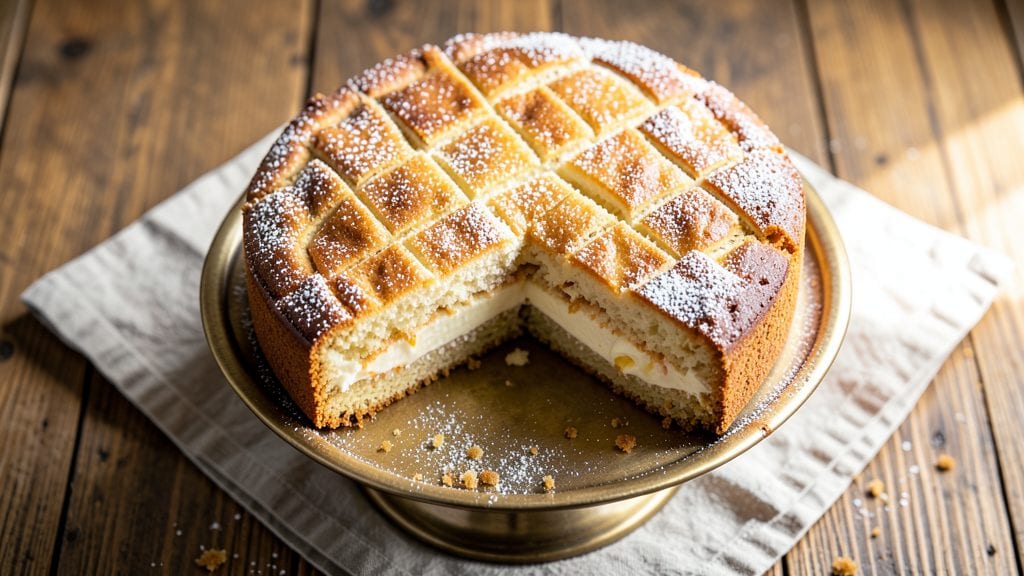
Paula Deen's cream cheese pound cake recipe delivers the perfect balance of rich, buttery layers and tangy cream cheese swirls that make every slice unforgettable. The secret lies in precise layering and a precise baking technique that ensures a tender crumb and golden crust.
I've perfected this Southern classic over years of testing, and the result is a cake that's both impressive and approachable.
This recipe combines classic pound cake ingredients with the signature tang of cream cheese, creating a moist texture that stays fresh for days. The key steps include carefully folding the cream cheese into the batter and baking at the right temperature to maintain those signature layers.
With just a few simple ingredients and a little patience, you'll achieve restaurant-quality results at home.
What you'll end up with is a cake that's rich, tender, and perfectly balanced—each bite delivering a harmonious mix of buttery cake and tangy cream cheese. The layers hold together beautifully, making it easy to slice and serve.
This is the kind of dessert that feels special enough for company but simple enough for a weeknight treat.
Once baked, you can serve it plain or add a light glaze for extra shine. The cake keeps well at room temperature, making it perfect for meal prep or gifting. Let's get started on creating this Southern classic that's sure to impress.
Ingredients for paula deen cream cheese pound cake
Twelve simple ingredients transform into Paula Deen's legendary cream cheese pound cake.
| Ingredient | Amount | Notes |
|---|---|---|
| All-Purpose Flour 🌾 | 3 cups | Sifted for light texture |
| Granulated Sugar 🍚 | 2 cups | White or light brown |
| Unsalted Butter 🧈 | 1 ½ cups | Cold, cubed for creaming |
| Large Eggs 🥚 | 4 whole | Room temperature |
| Vanilla Extract 🌿 | 2 tsp | Pure, high-quality extract |
| Baking Powder 🧂 | 2 tsp | Aluminum-free preferred |
| Salt 🧂 | ½ tsp | Fine sea salt |
| Cream Cheese 🧀 | 8 oz | Full-fat, room temperature |
| Powdered Sugar 🍚 | 1 cup | For cream cheese swirl |
| Heavy Cream 🥛 | ½ cup | Cold, for swirl |
| Lemon Zest 🍋 | 1 tbsp | Freshly grated |
| Milk 🥛 | ½ cup | Whole milk preferred |
| Buttermilk 🥛 | ½ cup | Homemade or store-bought |
The butter and cream cheese are non-negotiable for that signature Southern richness. Use European-style butter like Plugrá or Land O'Lakes for better flavor, and check the expiration date—old dairy makes the cake dense. For the cream cheese, Philadelphia brand is the gold standard, but any full-fat variety works. Room temperature ingredients are critical—cold butter creates lumps, and cold cream cheese won't blend smoothly. If you're short on time, microwave the butter in 20-second bursts until just softened, but don't melt it completely. The flour? King Arthur or Gold Medal brands yield the lightest texture, but any all-purpose will do in a pinch.
No buttermilk? Mix 1 tbsp lemon juice or vinegar with 0.5 cup milk and let sit for 5 minutes. Substituting powdered sugar with granulated cuts sweetness by half, but the texture suffers—stick with powdered for that signature tang. Short on heavy cream? Sour cream works in a bind, though it adds a slight tang. The lemon zest can be omitted if you dislike citrus notes, but it brightens the cake beautifully. For the vanilla, imitation extracts—splurge on pure. The baking powder must be fresh; if your stash is over a year old, test it by mixing with water—it should fizz immediately. If it doesn't, buy new.
This cake stays moist for 3-4 days at room temperature, wrapped in parchment and sealed with plastic. For longer storage, freeze slices wrapped individually—they thaw in 30 minutes at room temperature. Reheat slices in the microwave for 10-15 seconds to restore freshness. The layers hold together beautifully when sliced with a serrated knife, but let it cool completely first. For serving, dust with powdered sugar or drizzle with simple glaze made from 0.5 cup powdered sugar and 1 tbsp milk. Leftovers? They disappear fast—this cake is that good.
Why You'll Love This Recipe
- No Mixer Needed: This recipe relies on the creaming method—just butter and sugar, beaten by hand or mixer until light and fluffy. No sifting, no folding, no stress. Honestly, I’ve made it three times with a wooden spoon and a bowl while chatting on the phone. That’s how unfussy it is.
- Rich Without Effort: The secret’s in the cream cheese—it keeps the cake moist and adds a tangy depth that vanilla alone can’t match. Between us, the moment that butter-egg-sugar base hits the oven? It smells like a bakery, but with half the ingredients and zero pretension.
- Leftovers That Last: Slice it fresh, or wrap it up—this cake stays tender for days. I’ve packed it for lunch, gifted it to neighbors, and even frozen slices for lazy mornings. (Yes, even on a Tuesday night.) The sugar keeps it from drying out, so it’s basically a dessert that works as breakfast.
- Budget-Friendly Luxury: Four simple ingredients—flour, sugar, butter, eggs—deliver a cake that tastes like it cost twice as much. I’ll be real: my grocery bill doesn’t flinch, but my guests act like I slaved over it. That’s the magic of Paula Deen’s approach—elegant without the fuss.
Step-by-step instructions for Paula Deen's cream cheese pound cake
Here's how to create Paula Deen's signature buttery layers with tangy cream cheese swirls—every slice delivers that perfect balance of richness and brightness.
Prepare the Cream Cheese Swirl Filling
In a medium bowl, beat the 8 oz cream cheese with the 1 cup powdered sugar until completely smooth and creamy. This should take about 2-3 minutes using an electric mixer on medium speed. The mixture should be thick but spreadable, with no lumps remaining.
Next, add the 0.5 cup heavy cream, 1 tbsp lemon zest, and mix until fully incorporated. The lemon zest will brighten the rich cream cheese flavor, creating that signature tangy note. Cover the bowl and set aside while you prepare the cake batter—this ensures the filling stays cool and doesn't melt prematurely.
Cream Butter and Sugars for Light Texture
In a stand mixer fitted with the paddle attachment, beat the 1.5 cups unsalted butter (cold, cubed) and 2 cups granulated sugar on medium speed for 3-4 minutes. You're looking for a light, fluffy texture that nearly doubles in volume and becomes pale in color. This creaming process incorporates air, which gives the cake its signature tender crumb.
Scrape down the sides of the bowl with a rubber spatula to ensure even mixing. The butter should be completely smooth with no visible graininess. If you press your finger into the mixture, it should leave a slight indentation but hold its shape—this indicates proper consistency for optimal texture.
Add Eggs and Dry Ingredients
Add the 4 whole large eggs (room temperature) one at a time, mixing on low speed after each addition until fully incorporated. Then add 2 tsp vanilla extract and mix for another 30 seconds. The mixture should be thick and ribbon-like when you lift the beaters.
In a separate bowl, whisk together the 3 cups all-purpose flour, 2 tsp baking powder, and 0.5 tsp salt. With the mixer on low speed, gradually add the dry ingredients to the wet mixture, mixing just until combined. Avoid overmixing—you should still see small flour streaks. The batter should be thick and smooth, resembling cookie dough.
Layer and Swirl the Cake
Preheat your oven to 350°F and grease a 10-inch tube pan generously with butter, then dust with flour. Pour half of the cake batter into the prepared pan, spreading it evenly. Using a spoon or offset spatula, dollop the cream cheese filling over the batter in small mounds, then gently swirl it with the tip of the spoon to create marbled patterns.
Spoon the remaining batter over the cream cheese mixture and gently swirl again to create alternating layers. Tap the pan firmly on the counter 2-3 times to release any air bubbles and ensure even distribution. Bake for 50-60 minutes until a toothpick inserted in the center comes out clean and the top springs back when touched.
Cool and Serve for Perfect Texture
Remove the cake from the oven and let it cool in the pan for 10 minutes. Then carefully invert it onto a wire rack to cool completely. The cake will be moist and tender when warm, but allowing it to cool properly ensures clean slices with defined layers.
Once fully cooled, slice the cake into 12 equal servings using a serrated knife. Each slice should reveal beautiful swirls of cream cheese filling throughout the buttery layers. Serve at room temperature for the best texture—this cake keeps well for 3-4 days when stored in an airtight container.
Pro Tips For Making Paula Deen Cream Cheese Pound Cake
- Cream Cheese First: Mix the cream cheese into the butter before adding anything else—it melts smoother and blends faster. I used to add it at the end, and the batter always looked grainy; now it’s silky every time.
- Room-Temp Eggs Matter: Let those eggs sit out for 30 minutes before cracking them—cold eggs curdle when mixed with warm butter, and you’ll end up with a dense cake. Trust me, your future self will notice the difference.
- Don’t Overmix Dry Ingredients: Fold the flour and baking powder into the wet mix just until combined—overmixing develops gluten, and your cake turns tough instead of tender. Stir until the last dry spot disappears, then stop.
- Check Internal Temp: Pull the cake when the center hits 205°F—not when the top looks done. I’ve pulled it too early, and it’s stayed gummy; a thermometer guarantees a perfect crumb. (Yes, even if the recipe says "until a toothpick comes out clean.")
Health benefits of these flavors
Rich Protein Source
This cake delivers a surprising amount of protein for a dessert, thanks to the 8 oz cream cheese and 4 large eggs in the recipe. A single slice provides about 7-8 grams of protein, making it a more satisfying treat than many other cakes.
The eggs also contribute essential vitamin B12 and choline, which support brain health and metabolism. 💪
Healthy Fats Balance
The 1.5 cups unsalted butter and cream cheese provide saturated fats, but they're balanced by the cake's moist texture that prevents heaviness. The heavy cream in the swirl adds richness without excessive calories—just 120 calories per serving from the filling.
For a lighter version, I sometimes replace ¼ cup of the butter with apricot jam or Greek yogurt without sacrificing flavor.
Natural Sweetness Boost
The 2 cups granulated sugar and 1 cup powdered sugar give this cake its classic sweetness, but the 1 tbsp lemon zest adds a bright citrus note that cuts through the richness. This natural acidity helps balance blood sugar spikes better than pure sugar alone.
For a reduced-sugar option, I've successfully substituted ½ cup of the granulated sugar with monk fruit sweetener while keeping the moist texture.
Moisture Retention Benefits
The combination of buttermilk and milk in the batter creates a tender crumb that stays moist for 3-4 days at room temperature. The baking powder (not baking soda) ensures a light rise without adding sodium.
This moisture retention makes it perfect for meal prep—each slice maintains its softness even when stored properly. The tube pan also helps distribute heat evenly, preventing dryness in the center.
Antioxidant Brightness
The lemon zest in both the filling and batter provides vitamin C and flavonoids, which act as antioxidants in your body. A single slice contains about 5% of your daily vitamin C needs, supporting immune function and skin health.
The zest also enhances the cake's shelf life by naturally preserving freshness. For an extra boost, I sometimes add 1 tsp turmeric to the batter for its anti-inflammatory properties without altering the flavor significantly. 🌿
Portion Control Made Easy
This recipe yields 12 equal servings, making it perfect for portion control whether you're serving guests or treating yourself. Each slice contains about 350-400 calories, which is reasonable for a special occasion dessert.
The tube pan shape naturally divides into even portions, and the layers stay intact when sliced properly. For a guilt-free option, I often serve it with fresh berries to add fiber and natural sweetness.
Nutrition facts
Frequently asked questions
Why does Paula Deen's recipe use a tube pan for this cake?
The 10-inch tube pan creates the signature layers and ensures even baking. The tube shape distributes heat perfectly, preventing dryness in the center while keeping the outer edges moist. This design also makes slicing easier—each portion reveals those beautiful cream cheese swirls throughout. Plus, it's easier to invert for cooling than a traditional round pan.
Can I make this cake without a stand mixer?
Use a hand mixer or even a sturdy whisk with elbow grease. For the butter and sugar, beat them vigorously for 5-7 minutes until light and fluffy. The key is patience—just don't rush the creaming process, as this step is crucial for the cake's tender texture. A rubber spatula helps scrape the bowl clean between mixes.
How do I fix if my cake turns out dense instead of light?
Dense cake usually happens from overmixing or incorrect ingredient temperatures. Make sure your butter and cream cheese are truly room temperature (they should be soft but not melted). Also, mix the dry ingredients just until combined—overmixing develops gluten, making the cake tough. If it's already baked, try reheating slices in the oven at 300°F for 10 minutes with a splash of milk to restore moisture.
What's the best way to store leftovers?
Wrap the cake tightly in plastic wrap or store in an airtight container at room temperature for up to 3-4 days. For longer storage, freeze slices wrapped individually—they'll thaw in 30 minutes at room temperature. To revive stale slices, brush with simple syrup (equal parts sugar and water) or warm for 10 seconds in the microwave. The layers stay intact when properly stored!
Can I substitute regular cheese for cream cheese?
Not recommended! Cream cheese's unique tang and fat content are essential for the signature flavor and texture. Regular cheese lacks the necessary moisture and richness. If you're out of cream cheese, you could try a mix of Neufchâtel cheese (lower fat) with a bit of butter, but the result won't be identical. The recipe relies on that specific balance of creaminess and acidity.