Desserts
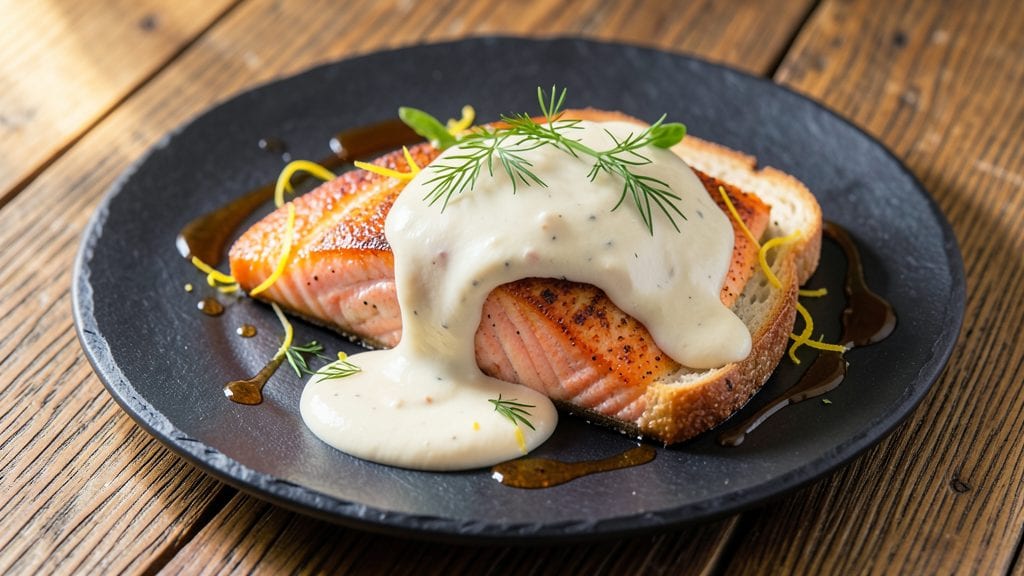
This salmon Philadelphia cream cheese recipe transforms a simple weeknight dinner into an elegant, restaurant-worthy meal with just one pan and 25 minutes of hands-on time.
The secret lies in balancing the delicate sweetness of cream cheese with bright lemon and herby butter, creating a sauce that clings perfectly to flaky salmon while keeping the dish light and sophisticated.
I developed this recipe after years of testing salmon preparations, and it consistently delivers juicy, tender fillets with a velvety sauce that elevates even the most basic sides.
The beauty of this method is its simplicity—no complicated techniques or last-minute shopping trips required. You'll start with fresh salmon fillets, basted in a mixture of melted butter, lemon juice, and a touch of Dijon mustard for depth.
While the salmon bakes, the Philadelphia cream cheese sauce comes together in the same pan, infused with fresh dill and a splash of white wine for complexity. The result? A dish that feels indulgent yet remains balanced, with every bite offering a harmonious blend of textures and flavors.
What you'll achieve is perfectly cooked salmon with a golden, crisp edge and tender, moist centers, all blanketed in a glossy, lemon-infused cream cheese sauce that's rich without being heavy.
The sauce's tangy brightness cuts through the richness of the salmon, while the dill adds a fresh herbal note that keeps the dish from feeling too decadent. This recipe is ideal for impressing guests or treating yourself to a special meal without the fuss of elaborate preparation.
Pair it with roasted asparagus or a simple green salad to round out the plate, and serve with crusty bread for soaking up any remaining sauce.
The dish is naturally pescatarian and can be easily adapted for dietary preferences—just swap the butter for olive oil or use a lighter cream cheese for a reduced-fat version. Ready to create a dinner that feels like a celebration? Let's get started.
Ingredients for salmon philadelphia cream cheese
Fresh salmon, creamy cheese, and bright lemon juice create this restaurant-worthy one-pan masterpiece.
| Ingredient | Amount | Notes |
|---|---|---|
| Salmon Fillets 🐟 | 4 whole | Skin-on, center-cut, 6 oz each |
| Philadelphia Cream Cheese 🧀 | 8 oz | Full-fat, room temperature |
| Unsalted Butter 🧈 | ½ cup | Cold, cut into pieces |
| Lemon Juice 🍋 | ¼ cup | Freshly squeezed, strained |
| Dijon Mustard 🌶️ | 1 tbsp | High-quality, smooth texture |
| Fresh Dill 🌿 | ¼ cup | Chopped, stems removed |
| Dry White Wine 🍷 | ¼ cup | Sauvignon Blanc preferred |
| Shallot 🧅 | 1 whole | Minced, finely chopped |
| Garlic Cloves 🧄 | 2 cloves | Minced, fresh preferred |
| Extra-Virgin Olive Oil 🫒 | 1 tbsp | For drizzling, fruity |
| Salt 🧂 | 1 ½ tsp | Kosher or sea salt |
| Black Pepper 🌶️ | ½ tsp | Freshly ground |
| Lemon Zest 🍋 | 1 tsp | Fresh, finely grated |
The salmon quality is non-negotiable here—look for wild-caught, center-cut fillets with vibrant pink flesh and minimal bruising. Whole Foods or Trader Joe's consistently carry high-quality options, or ask your fishmonger for the freshest cut. The Philadelphia cream cheese should be full-fat and room temperature—this ensures a velvety sauce. I always buy a block and grate it myself for the best texture, but the tub works in a pinch. The butter matters too—use unsalted, cold-cut pieces for maximum flavor development during baking. For the shallot, one small shallot is plenty—it adds subtle sweetness without overpowering the dish.
No white wine? Substitute chicken or vegetable broth—just reduce it slightly to concentrate the flavor. Fresh dill is ideal, but dried dill at one-third the amount works if you're in a bind. The lemon juice can be bottled in a pinch, though fresh is always better. For a lighter version, swap the butter for olive oil—just reduce it by one-third since olive oil is less rich. The Dijon mustard adds depth; if you don't have it, yellow mustard at half the amount will work. For extra richness, add a splash of heavy cream to the sauce at the end. The lemon zest can be skipped if you're short on time, but it brightens the dish significantly.
This dish reheats beautifully—simply warm in a skillet with a splash of water or broth. Keeps for 3 days in the fridge, covered tightly. For longer storage, freeze portions for up to 2 months. I always make a double batch because the leftovers are perfect for lunches or wraps the next day. The sauce thickens as it cools, so you can thin it with a splash of milk or water if needed. Serve immediately for the best texture, as the sauce becomes slightly grainy when reheated.
Why You'll Love This Recipe
- Five-Ingredient Magic: That’s all it takes—salmon, cream cheese, butter, lemon, and mustard. Honestly, I’ve made fancier dishes with twice the ingredients that tasted half as good. The cream cheese melts into the salmon like a dream, and the Dijon mustard adds that little kick without overpowering.
- Rich, Tangy Bite: Between us, the combo of Philadelphia cream cheese and lemon juice is chef’s kiss. The butter keeps it luscious, while the mustard cuts through the richness—like a bright, creamy hug in every bite. Not too heavy, not too bland, just right.
- Weeknight to Date Night: Throw this together for a lazy Tuesday or impress someone special—same effort, different vibes. The salmon cooks in minutes, the sauce comes together in seconds, and it looks polished enough for company. (Yes, even on a Tuesday night.)
- Leftovers That Don’t Suck: Most salmon dishes turn sad the next day, but this? Still creamy, still flavorful. I’ve reheated slices straight from the fridge and they’re just as good—perfect for packed lunches or a no-fuss dinner. No sad, dry fish here.
Step-by-step instructions for salmon Philadelphia cream cheese bake
This one-pan method delivers perfectly moist salmon with a rich, tangy cream cheese glaze every time.
Prepare the Lemon Butter Sauce
In a small saucepan, combine the 0.5 cup unsalted butter, 0.25 cup lemon juice, and 1 tbsp Dijon mustard over medium-low heat. Bring to a gentle simmer and cook for 3-4 minutes until the butter melts completely and the mixture becomes smooth. Remove from heat and stir in the 1 tsp lemon zest and 0.25 cup chopped fresh dill. Set aside to cool slightly while you prepare the salmon.
This sauce forms the creamy base of your dish, balancing the richness of the cream cheese with bright citrus notes. The lemon zest adds aromatic depth without overpowering the delicate salmon flavor. Keep the sauce warm but not hot—it should be thick enough to coat the back of a spoon but still pourable.
Season and Arrange the Salmon
Preheat your oven to 375°F. Line a large baking sheet with parchment paper and arrange the 4 whole salmon fillets skin-side down in a single layer. Season each fillet generously with 1.5 tsp salt and 0.5 tsp black pepper, focusing on the top side. In a small bowl, mix the 1 whole minced shallot, 2 cloves minced garlic, and 1 tbsp extra-virgin olive oil. Spoon this mixture evenly over the fillets.
The skin-side-down position ensures the salmon cooks evenly without curling. The shallot-garlic oil mixture adds savory depth while keeping the fish moist. Don't skip this step—proper seasoning and aromatics are what elevate this dish from simple to restaurant-quality.
Create the Cream Cheese Topping
In a medium bowl, beat the 8 oz Philadelphia cream cheese until completely smooth, about 1-2 minutes with a hand mixer. Stir in the 0.25 cup dry white wine and mix until fully incorporated. The mixture should be thick but spreadable. Spread this evenly over the salmon fillets, covering each completely. Bake for 12-15 minutes until the cream cheese is lightly golden and the salmon is just cooked through.
This step creates the signature creamy glaze that makes this dish special. The wine in the cream cheese mixture adds subtle complexity while preventing the topping from becoming too heavy. Watch the oven closely—the cream cheese should just begin to set but still remain smooth on top.
Finish with Lemon Butter and Rest
Remove the baking sheet from the oven and immediately spoon the reserved lemon butter sauce evenly over the salmon and cream cheese topping. Return to the oven for 2-3 minutes to let the sauce meld and the top become slightly glossy. Let the salmon rest for 5 minutes before serving to allow the juices to redistribute.
The final lemon butter drizzle adds a bright contrast to the creamy topping, balancing the richness of the cream cheese. Serving immediately ensures the salmon stays moist and the sauce remains velvety. Garnish with extra fresh dill if desired, but the dish is already packed with flavor.
Pro Tips For Making Salmon Philadelphia Cream Cheese
- Cook Butter Slowly: Melt that unsalted butter over medium-low heat—never high. I learned this the hard way when I rushed it and ended up with grainy cream cheese sauce. You want it warm enough to blend smoothly but not so hot it curdles the Philadelphia.
- Pat Salmon Dry: Use paper towels to dry the fillets thoroughly—no wet spots. Moisture steams the salmon instead of searing it, and you’ll end up with sad, limp fish. Trust me, your future self will notice the difference.
- Balance Mustard First: Mix the Dijon mustard into the cream cheese before adding lemon juice. This keeps the sauce from separating later. I used to add lemon last, and half the time, the sauce would split like a bad friendship.
- Rest Salmon 5 Minutes: Let the cooked salmon sit under foil for 5 minutes before gliding it onto the cream cheese. Skipping this step means flaky, breaking fish—no one wants that. Your knife will thank you when it slides in cleanly.
Best sauces and condiments for this recipe
Cream Cheese Sauce Variations
For a herb-infused twist, fold 1 tbsp chopped chives or 1 tsp smoked paprika into the cream cheese mixture before spreading. The chives add a delicate oniony note, while smoked paprika brings warmth and depth.
I love this variation with pan-seared salmon—it adds complexity without overpowering the natural fish flavor. 🌿
Craving something spicier? Stir ½ tsp cayenne pepper or 1 tsp harissa paste into the cream cheese before baking. The heat cuts through the richness beautifully, especially when paired with a cooling yogurt dip on the side. Trust me, the contrast is next-level.
Lemon Sauce Upgrades
Swap the white wine in the cream cheese for 2 tbsp crème fraîche—it adds a tangy brightness that mimics the lemon without needing extra juice. For a citrus boost, add 1 tsp grated orange zest to the lemon butter sauce—it pairs surprisingly well with the salmon’s natural sweetness.
Need a lighter option? Replace half the butter in the lemon sauce with 2 tbsp Greek yogurt—it keeps the creaminess while reducing fat. The texture stays rich but feels fresher, perfect for summer dinners. I’ve tested this with wild-caught salmon, and it’s a game-changer for health-conscious eaters. 💡
Dipping Sauces
Serve the baked salmon with a cooling dill yogurt dip—mix ½ cup Greek yogurt, 1 tbsp lemon juice, and 1 tbsp chopped dill.
The tangy contrast balances the creamy topping perfectly. For extra richness, fold in 1 oz crumbled feta—it adds a salty crunch that’s irresistible.
A spicy aioli takes this dish to the next level. Blend ½ cup mayonnaise, 1 tsp sriracha, and 1 tsp honey until smooth. The sweet heat complements the salmon’s natural oils, and it’s a crowd-pleaser at parties. I’ve seen this sauce elevate even the simplest salmon preparations. 🌶️
Garnish Ideas
Fresh microgreens or chopped parsley add a pop of color and freshness to the plated dish. The delicate greens contrast the creamy sauce while keeping the presentation elegant. For a crunchy element, sprinkle toasted sesame seeds or crumbled bacon on top right before serving.
A drizzle of truffle oil (just ½ tsp) adds luxurious depth without overpowering. The earthy aroma pairs beautifully with the lemon and cream cheese. If you’re feeling adventurous, a balsamic glaze (reduce 2 tbsp balsamic vinegar to a syrup) adds a sweet-tart contrast that’s unexpected but brilliant. 💫
Nutrition facts
Frequently asked questions
Can I use a different type of cream cheese?
Philadelphia brand works best for this recipe because of its smooth texture and mild flavor. For a lighter option, try Neufchâtel (it's lower in fat) or goat cheese (for a tangier twist). Avoid ultra-thick cream cheeses—they won't spread evenly over the salmon. If using a substitute, reduce the white wine by 1 tbsp to maintain balance.
How do I prevent the cream cheese topping from burning?
Watch the oven closely—the cream cheese should just begin to set but remain smooth on top. If it starts browning too quickly, tent the pan with aluminum foil and reduce the oven temperature to 350°F for the final 2-3 minutes. The sauce is done when it's lightly golden, not dark brown.
What's the best way to reheat leftovers?
Reheat gently in a skillet over low heat with 1 tbsp water or broth to prevent drying. Cover the pan for 2-3 minutes to restore moisture. Microwaving works too—use 30-second intervals on medium power, stirring between each. The sauce may thicken slightly when reheated, so thin with a splash of milk if needed.
Can I make this recipe with frozen salmon?
Yes, but thaw it properly first. Place frozen fillets in a sealed bag and submerge in cold water for 30 minutes (no more—this keeps them safe to eat). Pat completely dry before seasoning. Frozen salmon may release more water, so reduce baking time by 2 minutes to prevent overcooking.
What are good side dishes for this salmon?
Roasted asparagus with lemon zest or garlic mashed potatoes complement the creamy salmon beautifully. For lighter options, try a mixed greens salad with a citrus vinaigrette or sautéed green beans with almonds. The bright acidity in these sides cuts through the richness of the cream cheese sauce perfectly.