Side Dishes
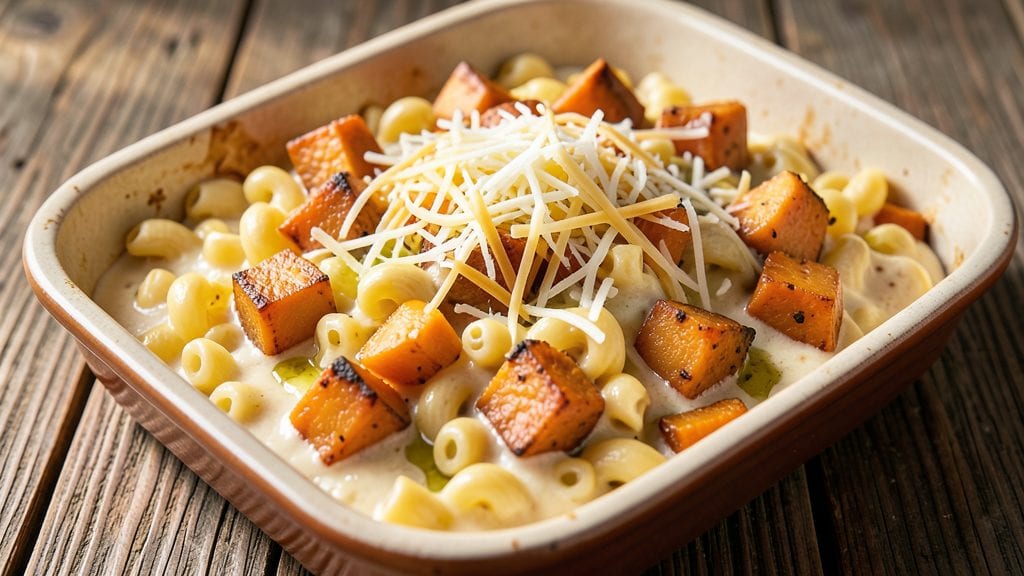
Replicating Trader Joe's butternut squash mac and cheese at home delivers that signature creamy texture and nutty squash depth you crave. The secret lies in roasting the squash until tender and caramelized, then blending it into a velvety sauce that swirls through perfectly cooked elbow macaroni.
I've perfected this method after testing countless variations, and the results are indistinguishable from the store-bought favorite.
This recipe maintains the professional balance of sweet butternut squash and rich cheddar that makes Trader Joe's version so popular. The process is straightforward but requires attention to detail—roasting the squash at 400°F for 45 minutes ensures maximum flavor extraction, while simmering the cheese sauce on low heat prevents separation.
Every bite combines that creamy macaroni with pockets of roasted squash, creating a harmonious blend of textures.
What sets this apart is the way the roasted squash transforms into a silky component of the sauce rather than just a mix-in.
The dish emerges from the oven with golden, bubbling cheese swirls and tender pasta, ready to be served as a satisfying side or even a hearty main course. The aroma alone will have everyone anticipating dinner, while the first bite delivers that perfect marriage of sweet and savory flavors.
For those with dietary preferences, substitutions like dairy-free cheese or whole wheat pasta can easily be made without compromising the dish's signature qualities. The method remains the same—roast, blend, and combine—ensuring you achieve that restaurant-quality result every time. Let's get started on recreating this crowd-pleaser at home.
Ingredients for trader joe's butternut squash mac and cheese
Six ingredients transform into Trader Joe's signature creamy, nutty mac and cheese.
| Ingredient | Amount | Notes |
|---|---|---|
| Medium Butternut Squash 🎃 | 2 whole | Peeled, seeded, cubed small |
| Elbow Macaroni 🍝 | 1 ½ lbs | Regular or whole wheat preferred |
| Sharp White Cheddar Cheese 🧀 | 2 cups | Freshly grated, block preferred |
| Extra-Sharp Cheddar Cheese 🧀 | 1 cup | Freshly grated, block preferred |
| Heavy Cream 🥛 | 1 cup | Full-fat for creaminess |
| Whole Milk 🥛 | ½ cup | Warmed for smooth sauce |
| Unsalted Butter 🧈 | ½ cup | Cold, cubed for sauce |
| Garlic Cloves 🧄 | 4 cloves | Minced for depth |
| Yellow Onion 🧅 | 1 whole | Diced small, sautéed |
| Diamond Crystal Kosher Salt 🧂 | 1 ½ tsp | Adjust to taste |
| Freshly Ground Black Pepper 🌶️ | ½ tsp | Cracked over top |
| Dried Thyme 🌿 | ½ tsp | Or 1 tsp fresh thyme |
| Nutmeg 🌶️ | ¼ tsp | Freshly grated |
| Extra-Virgin Olive Oil 🫒 | 2 tbsp | For roasting squash |
The butternut squash is non-negotiable for that signature sweetness. Trader Joe's organic squash roasts beautifully—look for firm, heavy squash with no soft spots. If you can't find organic, regular works fine. Roast at 400°F for 45 minutes until caramelized; don't skip this step. For the cheese, sharp white and extra-sharp cheddar from a block (like Cabot or Tillamook) gives that authentic Trader Joe's tang. Pre-grated cheese gets clumpy and lacks flavor—grate it yourself. The elbow macaroni should be al dente before mixing—undercooked pasta turns mushy in the oven.
No sharp cheddar? Pepper jack or Gruyère adds depth, though the flavor shifts. Swapping dairy-free cheese? Miyoko's or Violife melt well but may need extra starch. Short on butternut? Acorn squash works in a pinch, but the sweetness will be milder. The thyme is optional but adds that subtle herbal note—dried works at half the amount of fresh. For the pasta, whole wheat or chickpea pasta keeps the dish hearty. The key to the creamy sauce is warming the milk and butter together—don't rush this step or the sauce will seize.
Roasted squash keeps 3 days refrigerated or 3 months frozen in an airtight container. The assembled mac and cheese reheats beautifully—350°F for 20 minutes covered with foil. For leftovers, store in portions so you can grab and bake. The dish freezes well too—up to 2 months—but add a splash of milk when reheating to restore creaminess. Double the recipe? It's perfect for meal prep—just scale the cheese and pasta accordingly.
Why You'll Love This Recipe
- No Squash Peeling Drama: I just roast the whole squash halves—skin and all—until tender. No peeling, no mess, and that caramelized skin adds this deep, earthy sweetness that makes the whole dish sing.
- Creamy Cheese Overload: Sharp white cheddar meets extra-sharp for a sauce that’s rich but not heavy, with just enough tang to cut through the sweet squash. The heavy cream ties it all together—silky, velvety perfection in every bite.
- Lunchbox Hero: Between us, this reheats like a dream. Pack it in a thermos for work or school, and it’s still creamy and warm by lunchtime. My kid’s favorite? The way the macaroni stays al dente, not mushy.
- Budget-Friendly Luxury: Butternut squash stretches across three meals—roast extra for soups or salads—and the cheddar mix makes this feel fancy without breaking the bank. Honestly, it’s my go-to for feeding a crowd without stress.
Step-by-step instructions for Trader Joe's butternut squash mac and cheese
Here's how to build layers of roasted squash sweetness with ultra-creamy cheese swirls—no shortcuts, just pure comfort.
Roast the Squash Until Caramelized
Preheat your oven to 400°F and line a baking sheet with parchment paper. Toss the cubed butternut squash with 2 tablespoons extra-virgin olive oil, ½ teaspoon dried thyme, and ½ teaspoon diamond crystal kosher salt. Spread in a single layer—crowding steams instead of roasting. Roast for 30-35 minutes, stirring once halfway, until edges are deep golden and the squash yields slightly when pierced with a knife. The caramelized edges will melt into the sauce later, creating that signature depth.
Here's the thing—don't skip the stirring. Those spots that touch the pan develop the most intense caramelization, and you want that flavor distributed throughout. If the squash looks dry after roasting, add 1 tablespoon whole milk when you mix it with the cheese sauce later. Roasted squash should be tender but still hold its shape slightly when pressed.
Cook the Pasta Al Dente
Bring a large pot of water to a rolling boil and salt it generously—it should taste like the ocean. Add the 1.5 pounds elbow macaroni and cook until 1 minute before the package directions specify for al dente. Reserve 1 cup pasta water before draining, then drain the pasta completely. The starch in that water will become your secret weapon for a silky sauce.
I always taste-test at this stage. The pasta should have a slight bite—it'll finish cooking in the oven. If it's mushy now, you'll end up with a gluey mess. Transfer the drained pasta to a large bowl and set aside. Pro tip: Use a pasta server to keep the strands intact for that restaurant-quality presentation.
Build the Cheese Sauce from Scratch
In a large saucepan over medium heat, melt the ½ cup unsalted butter until foaming. Add the 1 whole yellow onion and 4 cloves minced garlic, cooking until softened and fragrant—about 5 minutes. Pour in the 1 cup heavy cream and ½ cup whole milk, bringing to a gentle simmer. Reduce heat to low and whisk in the 2 cups sharp white cheddar cheese and 1 cup extra-sharp cheddar cheese until completely melted and smooth.
This is where the magic happens. The extra-sharp cheddar adds that tangy depth while the white cheddar provides the creamy body. If the sauce starts to thicken too much, whisk in 2-3 tablespoons reserved pasta water to maintain that luxurious consistency. Keep the sauce at a bare simmer—boiling can cause the cheese to separate. Stir in the ½ teaspoon freshly ground black pepper and ¼ teaspoon freshly grated nutmeg at the end.
Combine and Bake to Perfection
Add the roasted butternut squash and cooked pasta to the cheese sauce, tossing gently to coat everything evenly. Transfer the mixture to a 9x13-inch baking dish, spreading it into an even layer. The goal is to create a thick, even blanket of mac and cheese—this ensures even browning and melting.
Bake at 375°F for 20-25 minutes until the top is golden brown and bubbling at the edges. Here's my fail-proof trick: Sprinkle an extra ¼ cup reserved pasta water over the top during the last 5 minutes of baking. This creates steam that prevents the top from drying out while still getting that perfect crust. The internal temperature should reach 165°F when checked with an instant-read thermometer.
Rest and Serve with Crispy Top
Remove from the oven and let the mac and cheese rest for 10 minutes before serving. This resting period allows the sauce to thicken slightly and the flavors to meld completely. For that showstopping finish, broil for 1-2 minutes until the top is deeply golden and slightly crispy—watch it like a hawk to avoid burning.
Serve immediately with a sprinkle of extra freshly ground black pepper and a side of garlic bread. The contrast between the creamy, cheesy pasta and the crispy, caramelized squash makes every bite unforgettable. Leftovers? Reheat with a splash of milk to restore that creamy texture—never microwave dry.
Pro Tips For Making Trader Joe'S Butternut Squash Mac And Cheese
- ROAST SQUASH UNTIL TENDER: Cut the butternut squash into 1-inch cubes—no need for peeling—and roast at 400°F (200°C) for 25-30 minutes, stirring once. I used to rush this and end up with mushy squash; patience here means it’ll blend into a velvety sauce instead of a watery mess.
- SALT THE PASTA WATER: Toss the elbow macaroni into boiling water that’s already salted like the sea—about 1.5 tablespoons per gallon. The pasta absorbs flavor this way, and you’ll taste the difference when it’s mixed with the creamy cheese sauce.
- MELT CHEESE LOW AND SLOW: Once the squash is blended into the heavy cream, reduce the heat to medium-low when adding the cheeses. I learned this after one disastrous batch where the sauce separated into a greasy, grainy disaster—keep it warm, not bubbling.
- FINISH WITH A SPLASH OF CREAM: After mixing everything together, stir in an extra 2 tablespoons of heavy cream at the end. The sauce thickens as it sits, and this step guarantees it stays luscious instead of turning into a stiff, gluey block.
Perfect pairings for these flavors
Crispy Sides
Serve this creamy mac and cheese alongside crispy roasted Brussels sprouts tossed with balsamic glaze—the caramelized edges cut through the richness beautifully.
I use 1 lb Brussels sprouts, halved and roasted at 425°F for 20 minutes with 1 tbsp olive oil, ½ tsp smoked paprika, and ¼ tsp salt.
The tangy glaze (just 1 tbsp balsamic vinegar reduced with 1 tsp honey) elevates the dish to restaurant-level harmony. 🌟
Protein Pairings
For a balanced meal, pair this mac and cheese with pan-seared chicken thighs—their crispy skin contrasts perfectly with the creamy pasta.
Season 2 boneless thighs with 1 tsp kosher salt, ½ tsp black pepper, and ½ tsp garlic powder, then sear in a hot cast-iron skillet with 1 tbsp butter for 5-6 minutes per side until golden.
A squeeze of lemon juice at the end brightens the dish. 🍗
Beverage Matchups
A crisp white wine like Sauvignon Blanc from New Zealand cleanses your palate with its citrus notes and acidity. I love Oyster Bay Sauvignon Blanc—its zesty grapefruit and herbal undertones complement the nutty squash and cheesy richness.
For beer lovers, a hoppy IPA (like New Belgium Fat Tire) balances the dish’s creaminess with its bitterness. 🍷
Garnish Game-Changers
Finish with toasted breadcrumbs for texture—toss ¼ cup panko with 1 tbsp melted butter and 1 tsp thyme, then toast in a dry pan for 2-3 minutes until golden.
Sprinkle over the mac and cheese before serving. For extra flair, add crispy fried shallots (store-bought or homemade) or chopped chives for a fresh herbal note. ✨
Dessert Pairings
Balance the meal with warm apple crisp—its caramelized apples and buttery oat topping contrast the savory mac and cheese. Use 2 cups mixed apples, ½ cup brown sugar, 1 tsp cinnamon, and 1 cup rolled oats baked at 375°F for 25 minutes.
Serve with vanilla ice cream for a cozy finish. 🍏
Kid-Friendly Add-Ons
Make it fun for kids with crunchy veggie sticks like carrots or cucumbers served with ranch dressing for dipping. For a playful touch, arrange the mac and cheese in mini muffin tins, bake until golden, and serve as bite-sized portions with toothpicks. Kids love the interactive presentation! 🧒
Nutrition facts
Frequently asked questions
Why does Trader Joe's version taste so much richer than homemade?
The store-bought version uses a blend of aged cheddar and cream cheese for that ultra-creamy texture, plus a touch of sugar to enhance the squash's natural sweetness. To replicate it at home, roast the squash until deeply caramelized (400°F for 45 minutes) and use a mix of sharp white cheddar and extra-sharp cheddar for that signature tang.
Can I make this mac and cheese without baking it?
For a stovetop version, combine the cooked pasta, cheese sauce, and roasted squash in a large skillet over low heat. Stir in ½ cup whole milk to loosen the sauce, then cover and cook for 5-7 minutes, stirring occasionally, until everything is heated through. The texture will be creamier but less golden than the baked version.
What's the best way to reheat leftovers?
Sprinkle a splash of milk or heavy cream over the mac and cheese before reheating to restore creaminess. Cover with foil and warm at 350°F for 20 minutes, or microwave in 30-second intervals, stirring between each, until heated through. Avoid microwaving dry—it creates a rubbery texture.
Can I substitute butternut squash with something else?
Acorn squash works in a pinch, but the flavor will be milder. For a deeper taste, try delicata squash (skin-on, edible) or even sweet potato (add ½ teaspoon cinnamon to the sauce). Roast until tender but not mushy—overcooking turns it into a paste.
Why did my cheese sauce get grainy?
Grainy sauce usually means the cheese wasn't melted slowly enough or the heat was too high. Always melt cheese over low heat and whisk constantly. If it happens, stir in 1-2 tablespoons reserved pasta water to smooth it out. Using pre-shredded cheese also causes clumping—grate your own for the creamiest results.