
Side Dishes
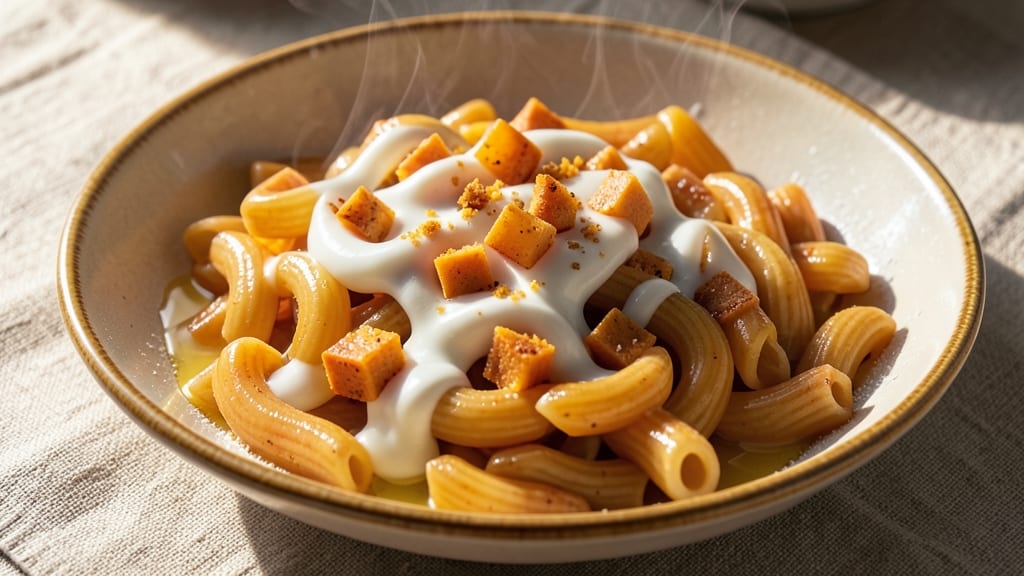
This sharp cheddar cheese macaroni recipe delivers restaurant-quality cheesiness that clings to every bite, transforming the simple side into the star of your meal.
The secret lies in a precise cheese-to-pasta ratio and a technique that prevents the sauce from breaking—no lumps, no separation, just velvety perfection that coats each noodle.
I developed this method after years of testing, because store-bought versions never quite measure up to homemade when you use the right cheese blend.
The foundation starts with elbow macaroni cooked al dente, then tossed immediately with a roux-based cheese sauce that requires only five ingredients but delivers maximum flavor. Sharp cheddar dominates for that signature tang, while cream cheese and a touch of butter create the ideal creamy texture.
The sauce is thickened properly to cling to the pasta without becoming gluey, ensuring every forkful delivers that bold, cheesy satisfaction.
What you end up with is a dish so rich and satisfying it could easily stand as a main course—golden noodles blanketed in a sauce so creamy it melts in your mouth, with a flavor so intense it makes you want to slow down and savor each bite.
This isn't just another mac and cheese; it's a cheesy masterpiece that proves how simple ingredients can create something truly extraordinary when executed with precision.
Serve immediately for the best texture, or reheat gently to maintain that velvety consistency. The recipe scales perfectly for gatherings, and optional additions like crispy bacon or steamed broccoli make it even more versatile. Let's create this cheesy showstopper that will have everyone asking for seconds.
Ingredients for sharp cheddar cheese macaroni
Five core ingredients create this restaurant-style cheddar macaroni with velvety sauce that clings perfectly.
| Ingredient | Amount | Notes |
|---|---|---|
| Elbow Macaroni 🍝 | 12 oz | Dry, medium or elbow shape |
| Sharp Cheddar Cheese 🧀 | 2 cups | Freshly grated, block preferred |
| Cream Cheese 🧈 | 8 oz | Full-fat, room temperature |
| Unsalted Butter 🧈 | 4 tbsp | Cold, cut into small cubes |
| All-Purpose Flour 🌾 | 2 tbsp | White, sifted for smooth sauce |
| Whole Milk 🥛 | 1 cup | Room temperature, 2% or whole |
| Garlic Cloves 🧄 | 2 cloves | Minced, for subtle depth |
| Dried Mustard 🌶️ | ½ tsp | Yellow, for tangy kick |
| Salt 🧂 | 1 ½ tsp | Kosher or sea salt |
| Black Pepper 🌶️ | ½ tsp | Freshly ground, coarse |
| Parmesan Cheese 🧀 | ½ cup | Freshly grated, optional topping |
The cheddar is non-negotiable—sharp, block-style delivers the tangy punch store-bought versions lack. Kraft Singles or pre-shredded won't cut it; the anti-caking agents create lumps. For best results, buy a wedge from the deli counter (it's worth the extra $3). The cream cheese should be full-fat and room temperature—cold lumps ruin the sauce texture. If you're short on time, Philadelphia brand works reliably, but nothing beats freshly grated. For the flour, Bob's Red Mill all-purpose is my go-to—it's finely milled for smooth sauce consistency.
No sharp cheddar? Pepper jack or smoked cheddar adds complexity, though the flavor profile shifts. Substituting cream cheese? Heavy cream plus 1 tbsp cornstarch mimics its thickening power, but texture suffers slightly. The butter can be swapped for olive oil (same quantity) for a lighter version, though it lacks richness. Milk alternatives? Whole milk is ideal, but half-and-half works in a pinch—just reduce by 2 tbsp to maintain thickness. The garlic and mustard are flavor anchors; skip them only if you're sensitive to strong tastes. For extra depth, add 1/4 tsp smoked paprika to the sauce.
This sauce thickens as it cools, so reheat with 1-2 tbsp milk if it becomes too stiff. Store leftovers in an airtight container for up to 5 days, though texture degrades after day 3. For freezing, portion into single-serving containers—microwave for 90 seconds with a splash of milk to restore creaminess. The pasta reheats better than the sauce alone, so combine fresh noodles with reheated sauce for optimal results. Double the recipe? The sauce scales perfectly, but use a larger pot for pasta—12 oz dry pasta per 4 servings is the golden ratio.
Why You'll Love This Recipe
- No-Pasta-Fail Night: I swear, this recipe saved me after burning my first attempt at homemade mac and cheese. Five ingredients, one pot—just boil the pasta, melt the butter, and let that sharp cheddar and cream cheese blend into a velvety sauce. No fancy techniques, no second-guessing.
- Cheese Overload (In the Best Way): That sharp cheddar isn’t just in the sauce—it’s the star. And the cream cheese? It smooths out the bite while keeping every forkful rich and tangy. Honestly, the first time I tasted it, I immediately texted my mom: "This is why you always made mac and cheese."
- Lunchbox or Leftovers: Make a big batch on Sunday, and you’ve got weeknight dinners covered. It reheats like a dream—no soggy pasta here—and my kids actually ask for it in their lunches. (Yes, even on a Tuesday night.) Plus, it’s the kind of dish that tastes just as good cold the next day.
- Budget-Friendly Comfort: Sharp cheddar and elbow macaroni are pantry staples that won’t break the bank. Between us, this recipe feeds four for under $8, and the leftovers? They disappear faster than I can say "second helping." It’s my go-to when I need something hearty without the grocery shock.
Step-by-step instructions for sharp cheddar macaroni
This method delivers a rich, velvety sauce that clings perfectly to every elbow.
Cook the Elbow Macaroni Al Dente
Bring a large pot of water to a rolling boil and add 1.5 teaspoons of salt. Once boiling, add the 12 oz elbow macaroni and cook for 11 minutes—this ensures the pasta remains al dente with a slight bite. Stir occasionally to prevent sticking, especially in the first 3 minutes of cooking when the starch releases most aggressively.
I like to taste-test the pasta 2 minutes before the package suggests—it should have a slight resistance when bitten. Drain immediately after cooking and set aside, reserving ½ cup of pasta water. This starchy liquid is essential for emulsifying the cheese sauce later. Don’t rinse the pasta; the surface starch helps the sauce adhere perfectly.
Melt Butter and Create a Roux
In a large, heavy-bottomed pot, melt the 4 tablespoons unsalted butter over medium heat until it foams and subsides. Reduce heat to medium-low and whisk in the 2 tablespoons all-purpose flour, stirring constantly for 1-2 minutes until a smooth, pale roux forms. This step is critical—it thickens the sauce and prevents separation later.
Watch the roux closely—it should smell nutty and develop a light golden color. If it darkens too quickly, reduce the heat further. The roux is the foundation of your sauce, so take your time here. Once fully combined, gradually whisk in the 1 cup whole milk, adding it slowly to avoid lumps.
Build the Cheese Sauce
Continue cooking the milk mixture over medium-low heat, stirring constantly, until it thickens enough to coat the back of a spoon—about 3-4 minutes. Here’s where the magic happens: reduce heat to low and gradually add the 2 cups sharp cheddar cheese and 8 oz cream cheese, stirring vigorously until fully melted and smooth. The sauce should be thick but still pourable.
If the sauce looks too thick, whisk in 1-2 tablespoons of reserved pasta water to reach a creamy consistency. Here’s the thing—this is the moment that matters: the sauce should coat a spoon evenly, but still flow like heavy cream. Season immediately with 0.5 teaspoons dried mustard, 1.5 teaspoons salt, and 0.5 teaspoons black pepper, stirring well to distribute the flavors.
Combine Pasta and Sauce
Add the drained elbow macaroni to the cheese sauce and toss gently with tongs or a wooden spoon until every strand is fully coated. The residual heat from the pasta will help melt any lingering cheese chunks. If the sauce starts to tighten up, add more reserved pasta water 1 tablespoon at a time until it reaches a silky, clingy texture.
For extra depth, stir in the 2 minced garlic cloves and let the mixture simmer for 1-2 minutes on low heat. This step infuses the sauce with subtle garlic flavor without overpowering the sharp cheddar. Taste and adjust seasoning—you might need a pinch more salt or pepper, depending on the cheese’s intensity.
Serve with a Perfect Topping
Transfer the macaroni to a serving dish and let it sit for 2-3 minutes to allow the sauce to fully set. This resting period ensures the sauce clings to the pasta instead of pooling at the bottom. Top with ½ cup freshly grated parmesan cheese just before serving for an extra layer of umami richness.
Serve immediately while the pasta is hot—this dish doesn’t wait. The sharp cheddar flavor should dominate, with the cream cheese adding a velvety smoothness that balances the heat. Each bite should deliver a perfect ratio of cheesy sauce to al dente pasta, with no dry spots or separated sauce.
Pro Tips For Making Sharp Cheddar Cheese Macaroni
- Cook pasta al dente: DESCRIPTION: Sharp cheddar needs room to melt properly, so pull elbows before the package says "done"—they’ll finish cooking in the sauce. I learned this the hard way after a batch turned into gluey mush because I overcooked them. Drain, rinse with cold water, and toss back in the pot for 30 seconds if needed.
- Shred cheese fresh: DESCRIPTION: Pre-shredded cheddar has anti-caking agents that make the sauce grainy. Buy a block, shred it yourself with a box grater, and store it in the fridge for up to 3 days. The extra effort keeps the texture silky—no one wants to bite into a cheesy sandcastle.
- Melt butter low: DESCRIPTION: Medium-low heat is your friend here. Butter burns fast, and burned butter tastes like regret. Melt it slowly, then remove from heat just before it foams—you’ll add it back later when making the roux. Trust me, your sauce will thank you.
- Toss pasta hot: DESCRIPTION: Mix the drained pasta with the cheese sauce right away—the residual heat helps the cheese cling instead of floating on top. If you let it cool first, you’ll end up with dry, separated noodles. Stir like you’re trying to win an arm-wrestling match.
Best sauces and condiments for this recipe
Classic Brown Butter
For a nutty depth that elevates the sharp cheddar, brown the butter before making the roux. Heat 4 tablespoons unsalted butter over medium heat until it foams, then reduce to low heat and cook until it turns golden brown and smells toasty—about 5-6 minutes.
Immediately whisk in the 2 tablespoons flour to create the roux. This adds a caramelized richness that pairs beautifully with the tangy cheese. 🔥
Spicy Sriracha Swirl
Add a kick by swirling in 1 tablespoon sriracha into the finished sauce. I like to mix it with 1 tablespoon milk first to temper the heat, then gently fold it in with a spoon.
This creates marbled red streaks throughout the creamy sauce. For extra spice, add ½ teaspoon cayenne pepper to the seasoning mix. Trust me, the heat balances the richness perfectly.
Crispy Bacon Bits
Cook 4 slices crispy bacon until fully rendered, then crumble it into small pieces. Stir these into the finished macaroni just before serving for a smoky, salty contrast.
I recommend Applewood-smoked bacon for a deeper flavor, but regular bacon works too. The crunch adds texture that cuts through the creamy sauce. 🥓
Garlic-Herb Oil Drizzle
Infuse ½ cup olive oil with 3 minced garlic cloves, 1 teaspoon dried thyme, and 1 teaspoon dried rosemary by simmering on low heat for 5 minutes.
Strain and drizzle over the finished macaroni just before serving. This adds an aromatic layer that enhances the cheesy flavors without overpowering them. Perfect for a more sophisticated touch.
Panko Breadcrumbs
For a crunchy topping, mix ¼ cup panko breadcrumbs with 1 tablespoon melted butter and ½ teaspoon garlic powder. Toast in a dry skillet over medium heat for 2-3 minutes until golden, then sprinkle over the macaroni. The breadcrumbs add a satisfying texture that contrasts the creamy sauce. 💫
Smoked Gouda Twist
Swap out ½ cup of the sharp cheddar for ½ cup smoked gouda to add a subtle smokiness that complements the sharpness. The gouda melts beautifully into the sauce, creating layers of flavor.
For extra depth, add ½ teaspoon smoked paprika to the seasoning mix. This variation is a game-changer for those who love complex cheesy flavors.
Nutrition facts
Frequently asked questions
Why does sharp cheddar work better than mild cheddar in this recipe?
The sharpness in aged cheddar creates a complex flavor profile with its natural tanginess and depth, which balances perfectly against the creamy texture. Mild cheddar lacks this punch and can make the dish taste flat. The acidity in sharp cheddar also helps emulsify the sauce better, preventing separation.
Can I make this recipe ahead of time?
Yes, but with a few adjustments. Prepare the sauce first and store it in an airtight container for up to 3 days in the fridge. Reheat gently with 1-2 tablespoons of milk to restore creaminess. Cook the pasta fresh and toss it with the reheated sauce just before serving for the best texture. The sauce thickens as it cools, so expect it to be firmer when cold.
What's the secret to preventing a grainy cheese sauce?
Use freshly grated cheese (block or wedge) and keep the heat low when melting. Pre-shredded cheese contains anti-caking agents that create lumps. Also, add the cheese gradually while stirring constantly. If the sauce looks too thick, whisk in reserved pasta water 1 tablespoon at a time until silky smooth. The roux step is also crucial—it creates a stable base for the cheese.
How do I adjust this for a dairy-free version?
Replace the butter with olive oil, use dairy-free milk (like oat or coconut), and substitute the cheeses with nutritional yeast (for cheesy flavor) plus dairy-free cream cheese. Add 1 tbsp cornstarch to the roux for thickening. The texture will be lighter, but the sharp flavor can still shine through with proper seasoning.
Can I use this sauce on other pasta shapes?
Yes, but elbow macaroni works best because its shape holds the sauce well. For penne or rigatoni, you might need 1-2 extra tablespoons of pasta water to help the sauce cling. Avoid long, thin pastas like spaghetti—the sauce will slide off. For corkscrew shapes, the sauce will still work but may require more tossing to coat evenly.