
Sauces & Condiments
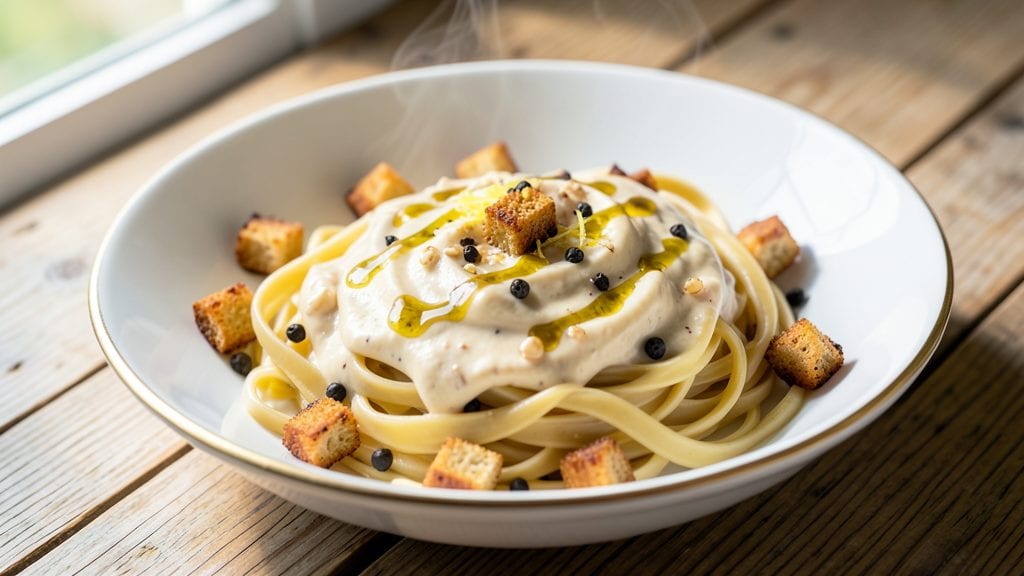
This Philadelphia cream cheese pasta sauce recipe transforms ordinary pasta into a creamy, tangy masterpiece with just five ingredients and no cooking required. The secret lies in blending softened cream cheese with warm broth until velvety smooth, creating a sauce that clings perfectly to any pasta shape.
I developed this recipe during a busy week when I needed restaurant-quality results in minutes—not hours.
The beauty of this sauce is its versatility—it elevates simple penne, fettuccine, or even spaghetti into a dish worthy of a dinner party. No need for heavy cream or complicated techniques; the cream cheese provides natural richness while the broth adds depth.
The sauce thickens as it cools, making it ideal for meal prep or last-minute dinners.
What you’ll achieve is a silky, tangy sauce with just the right balance of creaminess and brightness, thanks to a touch of lemon juice. It’s light enough to pair with delicate seafood but hearty enough for robust meat dishes.
The best part? This sauce comes together in under 10 minutes, with no simmering or stirring required.
Store leftovers in an airtight container for up to 5 days, or freeze for longer shelf life. Toss with your favorite pasta, top with fresh herbs, and enjoy a restaurant-quality meal without the fuss. Let’s make this sauce—it’s easier than you think.
Ingredients for philadelphia cream cheese pasta sauce
Five ingredients, no cooking—just blend and enjoy this creamy, tangy sauce magic.
| Ingredient | Amount | Notes |
|---|---|---|
| Philadelphia Cream Cheese 🧈 | 8 oz | Full-fat for best creaminess |
| Chicken Broth 💧 | 1 ½ cups | Low-sodium preferred |
| Extra-Virgin Olive Oil 🫒 | ¼ cup | For smooth texture |
| Fresh Lemon Juice 🍋 | 1 tbsp | Brightens the sauce |
| Garlic Cloves 🧄 | 2 cloves | Minced for subtle flavor |
| Sea Salt 🧂 | ½ tsp | Adjust to taste |
| Freshly Ground Black Pepper 🌶️ | ¼ tsp | Freshly cracked preferred |
| Dried Parsley 🌿 | 1 tbsp | For garnish (optional) |
The Philadelphia cream cheese is the star here—full-fat is non-negotiable for that perfect velvety texture. Grab the 8 oz block from the refrigerated section (not the tub), because it melts smoother. Trader Joe's and Whole Foods carry the best quality blocks with no weird additives. The chicken broth? Low-sodium is key—you don’t want to overpower the delicate creaminess. I always keep a carton of Kirkland Signature in my freezer because it’s affordable and reliable. Fresh lemon juice is next—none of that bottled stuff (it’s got preservatives). Squeeze it fresh, and if you’re feeling fancy, strain out the seeds for a silky finish. The garlic? Two cloves is plenty—just a whisper of flavor, but enough to make it sing.
No chicken broth? Low-sodium vegetable broth works in a pinch, or even warm water with a bouillon cube. Running short on lemon juice? A splash of white wine vinegar (about half the amount) gives the same bright kick. No fresh garlic? One teaspoon of garlic powder is fine, but it’s not the same—trust me on this. The dried parsley is optional, but I always keep it on hand because it adds that fresh, herby note without any effort. Want to make it richer? Add 1 tablespoon of heavy cream at the end. Need it lighter? Swap half the cream cheese for Greek yogurt—it’s tangier and still creamy. The olive oil is there to help emulsify everything, so don’t skip it—it’s the secret to that restaurant-quality smoothness.
This sauce thickens as it cools, so make it slightly thinner than you think—it’ll come together beautifully. Store leftovers in an airtight container for up to 5 days in the fridge, or freeze for 3 months. I like to portion it into small jars so I can grab just what I need for a quick pasta night. If it separates, just give it a quick whisk with a splash of warm water or broth. The best part? It tastes even better the next day—like it’s been simmering for hours when really, it’s just magic in a bowl.
Why You'll Love This Recipe
- Five-Ingredient Magic: I swear by this—just cream cheese, broth, garlic, lemon, and oil. That’s it. No fancy pantry raids, no measuring cups stressing me out. The sauce comes together while you boil water, and honestly? It’s the kind of recipe that makes me feel like a chef even when I’m too tired to chop anything.
- Garlic-Lemon Zing: The minute that lemon juice hits the warm cream cheese, my kitchen smells like a Mediterranean bistro. That bright acidity cuts through the richness, and the garlic? Oh, it roasts just enough to add depth without overpowering. It’s creamy but never heavy—like a hug from a food I didn’t know I needed.
- Weeknight Wonder: Between us, this is my go-to when I’m starving but the takeout menu feels like too much effort. Toss it with pasta, add some grilled chicken or sautéed veggies, and dinner’s done. It’s the kind of sauce that works for lazy Mondays or last-minute guests—no stress, all flavor.
- Leftovers That Don’t Suck: I make a double batch every time because this sauce actually tastes better the next day. The flavors meld, the texture thickens just right, and it reheats like a dream. Pack it for lunch or freeze it for those nights when I’d rather binge my show than cook. (Yes, even on a Tuesday night.)
Step-by-step instructions for Philadelphia cream cheese pasta sauce
This silky sauce comes together in minutes with no cooking required—just blend and toss.
Mince the Garlic and Measure the Broth
Start by finely mincing the 2 cloves garlic cloves—you want a paste-like consistency that will blend smoothly. I like to use the flat side of my chef's knife for this, pressing down firmly to break down the cloves completely. This ensures even distribution of flavor throughout the sauce.
While the garlic works, measure out the 1.5 cups chicken broth into a small saucepan. Keep it at room temperature for now—we'll use it to thin the sauce later if needed. The low-sodium variety is ideal here since we're controlling the seasoning ourselves.
Blend the Cream Cheese Base
In a blender, combine the 8 oz Philadelphia cream cheese with the 0.25 cup extra-virgin olive oil. Add the minced garlic, 0.5 tsp sea salt, and 0.25 tsp freshly ground black pepper. Secure the lid and blend on medium speed until completely smooth—about 15-20 seconds. The mixture should look like a thick, pale yellow cream.
Here's the thing—don't over-blend or the sauce will become too thin. You're aiming for a velvety texture, not a watery one. If it looks too thick to pour, we'll adjust it in the next step. The cream cheese should be fully incorporated with no visible lumps.
Finish with Acid and Thin as Needed
With the blender still running, slowly pour in the 1 tbsp fresh lemon juice through the feed tube. This brightens the sauce and cuts through the richness of the cream cheese. Blend for another 10 seconds until fully combined. The sauce should now have a glossy sheen and a slightly tangy aroma.
If the sauce is too thick to coat pasta properly, add the chicken broth 1 tablespoon at a time while blending until it reaches your desired consistency. You want it to coat the back of a spoon but still be thick enough to cling to noodles. The sauce should be smooth, not runny—like a luxurious cream.
Warm and Toss with Cooked Pasta
Transfer the sauce to a small saucepan and place it over medium-low heat. Warm through for 2-3 minutes, stirring constantly with a silicone spatula, until it reaches about 160°F. This step ensures the sauce is hot enough for serving but won't separate or curdle.
Meanwhile, cook your pasta according to package instructions until al dente. Reserve 1 cup of pasta water before draining. Toss the hot pasta with the warmed sauce, adding pasta water as needed to reach your preferred consistency. The sauce should coat each strand beautifully without being watery.
Garnish and Serve Immediately
For garnish, sprinkle with the 1 tbsp dried parsley just before serving. The parsley adds a fresh, herbal note that complements the creamy sauce. Serve immediately while the pasta is hot—this sauce doesn't reheat well once it's been tossed with noodles.
Each bite should deliver a perfect balance of creamy richness from the Philadelphia cream cheese, bright acidity from the lemon juice, and subtle garlic flavor. The sauce should cling to every strand of pasta with a velvety texture that feels luxurious on the palate. Enjoy with your favorite pasta shape and a simple green salad.
Pro Tips For Making Philadelphia Cream Cheese Pasta Sauce
- Temper the Cream Cheese: Warm the cream cheese with broth first—don’t toss it straight into cold sauce. I learned this the hard way when lumps turned my sauce into a grainy mess. Heat the broth to a simmer, then whisk in the cream cheese until fully melted before adding anything else.
- Toast the Garlic: Cook the minced garlic in olive oil until it’s golden, not just fragrant—about 2-3 minutes. Raw garlic tastes harsh in this sauce, and toasted garlic adds depth that plain minced can’t match. (Yes, even if you’re impatient like me.)
- Acidify Gradually: Add lemon juice in two stages—first, a splash to balance the richness, then the rest at the end. Too much upfront curdles the cream cheese, and you’ll be scrambling to fix it. Taste as you go; you want bright, not sour.
- Simmer, Don’t Boil: Keep the sauce at a gentle bubble, not a rolling boil, once the cream cheese is incorporated. Boiling breaks the emulsion and turns your silky sauce into a split, greasy disaster. A low simmer keeps it smooth and cohesive.
Serving suggestions for this recipe
Pasta Pairings
This sauce clings beautifully to fettuccine or pappardelle, where its creamy texture coats each strand perfectly. For a rustic touch, try rigatoni or penne—the ridges catch the sauce like tiny pockets of flavor.
I always keep De Cecco or Barilla pasta on hand because their al dente texture holds up well to the sauce's richness. 🍝
Protein Additions
Add grilled shrimp or chicken breast for a complete meal—just toss them with the pasta and sauce at the end. For a vegetarian option, sauté mushrooms or spinach in olive oil until wilted, then mix in.
I love adding crispy pancetta for a salty, smoky contrast that elevates the dish. 🍗
Bread and Side Dishes
Serve with garlic bread or crusty baguette slices for dipping—it’s a crowd-pleaser at parties. A simple arugula salad with lemon vinaigrette cuts through the creaminess, while roasted asparagus adds a touch of elegance. For a heartier meal, pair with grilled zucchini or sautéed green beans. 🥗
Garnish Ideas
Fresh parsley or basil brightens the dish, but don’t overlook toasted pine nuts for crunch or shaved Parmesan for umami depth. A drizzle of truffle oil (just ½ teaspoon) adds a luxurious finish. I also like a pinch of red pepper flakes for those who crave heat. 🌿
Meal Prep Serving
Store leftovers in an airtight container with a layer of plastic wrap pressed directly on the sauce to prevent skin formation. Reheat gently in the microwave with a splash of water, then toss with fresh pasta.
For a quick lunch, serve cold sauce over chilled rotini with a sprinkle of feta cheese—it’s a refreshing twist. ❄️
Dessert Twist
Use this sauce as a base for pasta salad with strawberries or peaches—the tangy creaminess balances the fruit beautifully. For a decadent dessert, drizzle over warm brownies or vanilla ice cream. It’s a surprising but delicious way to repurpose leftovers. 🍓
Nutrition facts
Frequently asked questions
Can I make this sauce without a blender?
If you don’t have a blender, use a food processor or even a hand mixer—whisk the softened cream cheese with olive oil until smooth, then strain through a fine-mesh sieve for ultra-silky results. For a rustic texture, mash the cream cheese with a fork and whisk vigorously with warm broth until combined. The sauce won’t be as velvety, but it’ll still taste delicious.
Why does my sauce get grainy or separate?
This usually happens when the cream cheese isn’t fully softened or the sauce gets too hot. Always use room-temperature cream cheese—cut the block into cubes and let it sit for 15-20 minutes before blending. If it separates, whisk in 1 tablespoon warm broth—the heat helps re-emulsify it. Never microwave the sauce directly, as it can cause curdling.
How can I make this sauce spicier or more flavorful?
For heat, add ½ teaspoon red pepper flakes—blend them directly into the sauce or sprinkle on top before serving. For deeper flavor, stir in 1 teaspoon dried oregano or ½ teaspoon smoked paprika with the garlic. A splash of white wine (¼ cup) replaces broth for a richer, more complex taste. For umami, add 1 teaspoon fish sauce—trust me, it works!
Can I use this sauce for dishes other than pasta?
Yes! This versatile sauce works as a dip for crudités—carrots, celery, or cucumbers. Toss it with grilled chicken or fish—it’s perfect for a quick weeknight dinner. For a dessert twist, drizzle over warm brownies or vanilla ice cream—the tangy creaminess balances sweetness beautifully. Store leftovers in an airtight container for up to 5 days—it’s great for meal prep!
What’s the best way to reheat leftovers?
Never reheat this sauce directly in the microwave—it’ll separate. Instead, transfer it to a small saucepan and warm over low heat—stirring constantly—until just hot (160°F). If it thickens too much, whisk in 1 tablespoon warm water or broth. For pasta, toss the sauce with fresh, hot noodles to revive its creamy texture. Pro tip: Add a pinch of salt to brighten flavors after reheating.