
Breakfast & Brunch
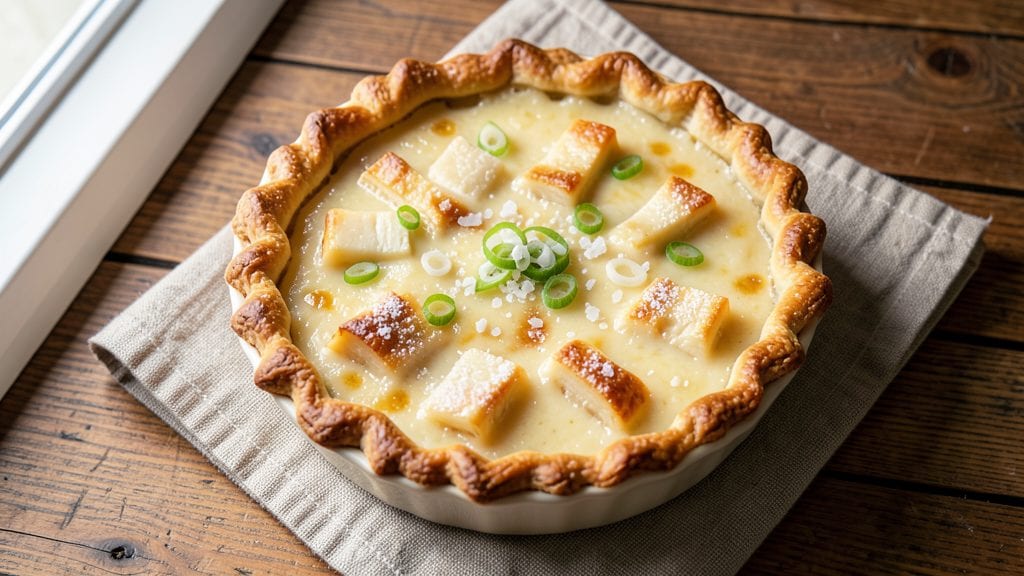
A Gruyère quiche recipe with a golden crust and nutty, melted cheese is the ultimate breakfast showstopper—crispy edges, creamy filling, and that signature Gruyère flavor that makes every bite worth it.
I perfected this version after years of testing, balancing traditional French techniques with modern shortcuts that still deliver restaurant-quality results. The secret? Pre-baking the crust properly and letting the cheese melt into a velvety blanket over the filling.
This recipe starts with a classic pie crust—either homemade for that buttery, flaky perfection or a store-bought shortcut for convenience—then builds a rich filling of eggs, cream, and Gruyère that transforms into a silky, golden custard.
Optional fillings like crispy bacon, caramelized onions, or fresh spinach add depth, but the cheese takes center stage. Baking at the right temperature ensures the crust stays crisp while the filling sets just enough to slice cleanly.
What you’ll end up with is a quiche that looks like it belongs in a Parisian café but comes together in your home kitchen. The Gruyère melts into a luscious, nutty layer, the crust is golden and sturdy, and the filling has that perfect balance of creamy and slightly set.
Serve it warm with a side salad or crusty bread for a meal that feels special without the fuss.
Whether you’re hosting brunch or treating yourself to a weekend breakfast, this quiche delivers. Let’s get started—your taste buds will thank you.
Ingredients for quiche recipe with gruyere cheese
Golden crust, nutty Gruyère, and silky custard—just these ingredients transform brunch into something special.
| Ingredient | Amount | Notes |
|---|---|---|
| Gruyère Cheese 🧀 | 1 ½ cups | Finely grated, aged for best flavor |
| Large Eggs 🥚 | 6 whole | Room temperature for even baking |
| Heavy Cream 🥛 | 1 cup | Full-fat for richest texture |
| All-Purpose Flour 🌾 | 2 ½ cups | For pie crust, spooned and leveled |
| Unsalted Butter 🧈 | 1 cup | Cold, cubed for flaky crust |
| Ice Water 💧 | ½ cup | Chilled for dough handling |
| Salt 🧂 | 1 tsp | Kosher or sea salt |
| Black Pepper 🌶️ | ½ tsp | Freshly cracked for brightness |
| Nutmeg 🌿 | ¼ tsp | Freshly grated for warmth |
| Milk 🥛 | ¼ cup | Whole milk for creaminess |
| Optional Bacon 🥓 | 4 oz | Cooked and crumbled |
| Optional Caramelized Onions 🧅 | ½ cup | Sliced and softened |
| Optional Fresh Spinach 🌿 | 2 cups | Chopped and wilted |
The Gruyère is non-negotiable here. Look for aged wheels from specialty cheese shops—they melt into that perfect stringy, nutty perfection. Whole Foods or local fromagers usually have the good stuff, but the pre-grated at regular grocery stores works in a pinch. That said, grating it yourself makes all the difference. The crust? Store-bought pie crust saves time (I use Pillsbury for convenience), but homemade is worth the extra effort if you're feeling ambitious. Chill the dough between rolls—it's worth the wait for flakier layers. And if you're adding bacon, cook it crispy first (the good stuff, not the pre-cooked kind).
No Gruyère? Comté or Emmental melt similarly, though they won't have the same depth. Short on heavy cream? Half-and-half plus a splash of milk works, but the texture won't be as rich. The nutmeg is subtle but key—pre-grated is fine, but freshly grated has more punch. Optional fillings? Bacon adds smokiness, caramelized onions bring sweetness, and spinach keeps it light. Mix and match based on what you've got. Pro tip: If your crust is browning too fast, cover the edges with foil halfway through baking—that's how you keep it golden without burning.
This quiche reheats beautifully—just 20 seconds at 350°F to warm through. Store leftovers in an airtight container for 4 days in the fridge, or freeze portions for up to 3 months. I always make an extra one for lunches—slice it, wrap in foil, and freeze. When you're ready to eat, just pop it in the oven. The cheese gets even more flavorful as it sits, so the second day is often the best. Serve with a simple arugula salad and crusty bread for that Parisian café vibe.
Why You'll Love This Recipe
- One-Bowl Magic: I swear by this recipe because it’s actually one bowl—no crust fuss, no egg mess. Just whisk eggs, cream, and flour in the same bowl, pour into a pie dish, and bake. Gruyère melts into that golden, gooey blanket, and honestly? I’ve never had a quiche this foolproof.
- Nutty Luxury: Between us, Gruyère’s nutty depth makes this quiche dangerously good. The butter-rich crust (yes, even if you skip store-bought) paired with that sharp, creamy cheese? It’s the kind of dish that tastes fancy but costs next to nothing. My roommate stole half before I could take a photo.
- Lunchbox Hero: This quiche slices neatly, reheats perfectly, and disappears from my fridge faster than I can say “meal prep.” I make a big batch on Sundays—some for breakfast, some for work lunches—and it’s still a hit by day four. (Yes, even on a Tuesday night.)
- Budget-Friendly Indulgence: Heavy cream and Gruyère sound pricey, but a single pie dish feeds four for under $10. Flour and eggs stretch further than you’d think, and the leftovers? They’re my secret weapon for lazy mornings. Not the prettiest, but the taste makes up for it every time.
Step-by-step instructions for gruyere quiche
Here's how to create a quiche with a flaky crust and rich, nutty Gruyère filling that melts perfectly.
Prepare the Classic Pie Crust
In a large bowl, combine the 2.5 cups all-purpose flour with the 1 tsp salt and 0.25 tsp nutmeg. Cut in the 1 cup unsalted butter using a pastry cutter or your fingers until the mixture resembles coarse crumbs with pea-sized butter pieces. This texture is crucial for creating flaky layers.
Gradually add the 0.5 cup ice water and 0.25 cup milk, mixing gently with a fork until the dough just comes together. Be careful not to overwork it—handle only until combined. Shape the dough into a disk, wrap in plastic, and chill for at least 1 hour (or up to 24 hours). The cold dough prevents shrinking during baking and ensures a tender crust.
Roll and Blind-Bake the Crust
On a lightly floured surface, roll the chilled dough to a 12-inch circle about 1/8-inch thick. Transfer carefully to a 9-inch pie dish, trimming any excess dough. Press gently to fit snugly into the pan. Prick the bottom all over with a fork to prevent bubbling.
Preheat oven to 375°F. Line the crust with parchment paper, fill with pie weights or dried beans, and bake for 15 minutes. Remove the weights and bake 5-7 more minutes until the edges are lightly golden. This pre-baking step prevents a soggy bottom when you add the filling later.
Prepare the Gruyère Filling
In a large bowl, whisk together the 6 whole large eggs, 1 cup heavy cream, 1.5 cups finely grated Gruyère cheese, 0.5 tsp black pepper, and 1 tsp salt. For extra richness, stir in the optional ingredients if using: 4 oz cooked bacon, 0.5 cup caramelized onions, or 2 cups wilted spinach. The filling should be smooth but not runny—if too thick, whisk in 1-2 tablespoons milk to reach proper consistency.
This is where the magic happens. The Gruyère's nutty flavor will melt beautifully into the custard, creating that signature quiche texture. If you're using spinach, make sure it's completely wilted and drained to prevent a watery filling.
Assemble and Bake the Quiche
Pour the egg mixture evenly into the pre-baked crust. The filling should come about 3/4 of the way up the sides—don't overfill or it may spill during baking. Place the pie dish on a baking sheet (to catch any potential drips) and bake at 350°F for 40-45 minutes.
You'll know it's done when the center is just set (it should still have a slight wobble) and the edges are golden brown. The quiche will continue setting as it cools, so don't worry if it looks slightly underdone when you take it out. Let it cool for 15-20 minutes before slicing—this resting time allows the filling to firm up properly.
Serve Warm with Fresh Herbs
Run a thin knife around the edge to loosen, then transfer to a cutting board. Let it cool completely before slicing into 6 equal wedges—this ensures clean cuts through the custard. Garnish with fresh parsley or chives if desired, and serve warm with a crisp green salad or crusty bread.
This quiche keeps well in the refrigerator for 3-4 days, though it's best enjoyed fresh. The Gruyère's nutty flavor develops beautifully over time, making it even more delicious the next day. The secret to a perfect quiche lies in the flaky crust and properly set custard—now you've got both!
Pro Tips For Making Quiche Recipe With Gruyere Cheese
- Preheat That Oven: DESCRIPTION: Gruyère cheese is finicky—it melts unevenly if the oven isn’t hot enough. Crank it to 375°F (190°C) and let it scream for 15 minutes before baking. I learned this the hard way when my first quiche came out with a sad, rubbery cheese center.
- Whisk the Eggs Cold: DESCRIPTION: Heavy cream and eggs play nice when they’re cold. Whisk them together in a chilled bowl, then fold in the Gruyère last-minute—warm cheese makes the custard grainy. (Yes, even if you’re impatient like me.)
- Skip the Overmixed Crust: DESCRIPTION: The butter-flour crust for this quiche doesn’t need to be fluffy—it just needs to hold shape. Cut cold butter into dry flour until pea-sized crumbs remain, then press it in gently. Overworking it = tough crust.
- Bake Until Set, Not Brown: DESCRIPTION: Gruyère quiche is done when the center jiggles like Jell-O (not wobbles like a bowl of pudding). Pull it at 40-45 minutes—overbaking turns the custard dry. Tent foil early if the edges brown too fast.
Storing and reheating your quiche recipe with gruyere cheese
Refrigerator Storage
Let your quiche cool completely before storing—this ensures the filling sets properly and prevents condensation. Wrap it tightly in plastic wrap or transfer to an airtight container (I love Glasslock containers for this).
Store in the fridge at 40°F or below for up to 4 days. The Gruyère flavor actually deepens over time, so leftovers often taste even better the next day. ❄️
Freezer-Friendly Tips
Quiche freezes beautifully for up to 3 months—just slice it before freezing for easy portions. Wrap each slice individually in plastic wrap, then place in a freezer bag with all air removed.
When ready to eat, thaw overnight in the fridge or reheat directly from frozen. The texture stays creamy, though the crust may soften slightly. 💫
Oven Reheating
For best results, reheat slices at 350°F for 15-20 minutes covered with foil to prevent over-browning. The Gruyère melts back into that luxurious stringy texture, and the crust crisps up nicely.
I like to add a splash of milk or cream to the filling before reheating if it looks dry. A quick broil for 1-2 minutes at the end adds a golden finish. 🔥
Microwave Shortcut
When you're in a rush, microwave individual slices on medium power (50%) for 45-60 seconds. Cover loosely with a damp paper towel to retain moisture—this prevents the cheese from drying out. Stir halfway through if possible, and add a few drops of water if the filling looks too firm.
It won't be as crispy as oven-reheated, but it's perfect for a quick bite. ⚡
Make-Ahead Magic
I always make an extra quiche for lunches—slice, wrap tightly, and freeze. When you're ready to eat, pop it straight from the freezer into a 350°F oven for 25-30 minutes (covered, then uncovered).
The cheese gets even more flavorful this way, and it's a lifesaver for busy weekdays. Just let it rest 5 minutes before serving to let the filling set properly. 💡
Serving Leftovers
Quiche makes an excellent cold meal too—slice and serve with a simple arugula salad or crusty bread for dipping. The contrast of warm crust and cool filling is surprisingly refreshing.
For a restaurant-style presentation, garnish with fresh herbs or a drizzle of truffle oil (just ½ tsp goes a long way). The Gruyère's nutty notes shine even when served cold. 🌿
Nutrition facts
Frequently asked questions
Can I substitute Gruyère with another cheese?
Comté or Emmental work well as alternatives—they melt smoothly and add a similar nutty depth. For a sharper flavor, try Swiss cheese, but it won't have the same creamy texture. Avoid pre-shredded cheeses (they contain anti-caking agents that prevent proper melting). Always grate your own for the best results.
Why did my quiche filling come out watery?
This usually happens when the crust isn't pre-baked long enough (allowing moisture to seep in) or the egg mixture is too thin. To fix it, blind-bake the crust for 15-20 minutes before adding filling, and whisk in 1 extra egg yolk or 1 tablespoon cornstarch to thicken the custard. Also, ensure your spinach or other veggies are completely drained.
How do I make a shortcut crust without losing flavor?
Use a high-quality store-bought pie crust (like Pillsbury) and blind-bake it for 12-15 minutes at 375°F before adding filling. Brush the bottom with 1 tablespoon melted butter after baking to add richness. For extra flakiness, roll the dough between two sheets of parchment paper to prevent sticking. The crust won't be homemade, but it'll still be delicious.
Can I add other proteins to this quiche?
Try crispy prosciutto, shredded rotisserie chicken, or smoked salmon for a brunch twist. For a vegetarian option, fold in sautéed mushrooms or roasted zucchini. Just make sure to drain excess liquid from proteins like chicken to keep the filling firm. The Gruyère's flavor pairs especially well with salty meats.
How do I know when the quiche is fully cooked?
The center should have a slight wobble (like gelatin) when gently shaken—it'll firm up as it cools. The edges should be golden brown, and the filling should pull away slightly from the crust's sides. Inserting a knife near the center should show a slightly moist but set custard (not liquid). Overbaking makes the crust tough, so trust the wobble test!