
Breakfast & Brunch
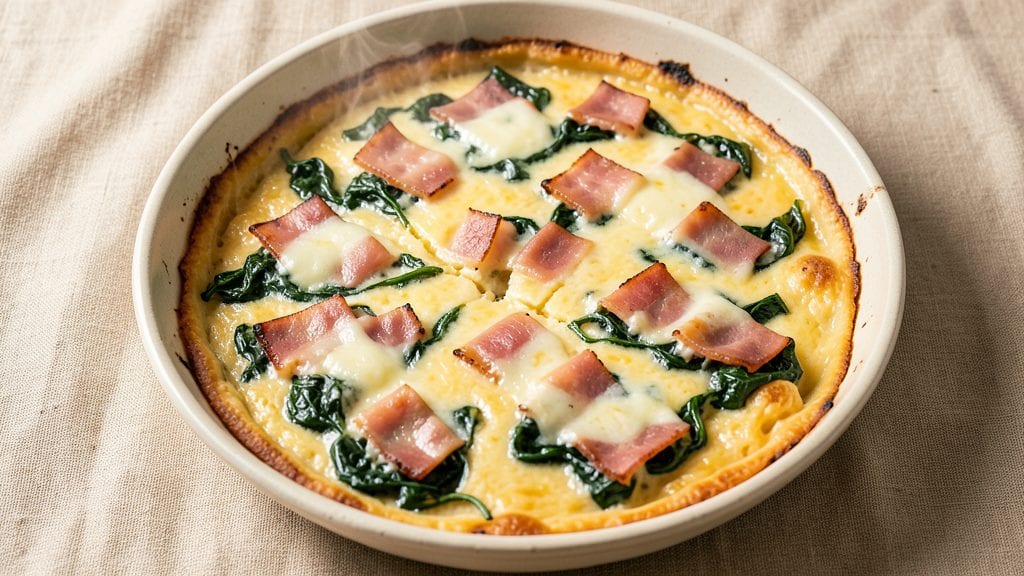
A crustless ham and cheese quiche delivers all the savory richness of a classic quiche without the fuss of pie crust—just creamy egg custard, tender ham, and melted cheese baked to golden perfection.
This recipe became my go-to for busy mornings when I needed a hearty breakfast that still felt special. The secret lies in whisking eggs until frothy and blending them with sharp cheddar and diced ham for maximum flavor in every bite.
What sets this apart is how the custard transforms into a silky, velvety center while the edges develop just the right amount of color—no soggy bottoms or dry tops here.
The filling cooks through perfectly in about 25 minutes at 350°F, giving you a quiche that’s ready when you are. I’ve tested this recipe countless times, and it never fails to impress, whether served warm with a side salad or chilled for a quick lunch.
The result is a quiche with a smooth, custardy texture that’s rich but not heavy, thanks to the balance of sharp cheddar and salty ham. Each slice delivers that satisfying combination of creamy eggs, crispy ham bits, and gooey cheese—all without a single crust in sight.
This version is foolproof, restaurant-quality, and perfect for brunch or a satisfying dinner.
Best of all, it’s adaptable: swap the ham for sausage, add spinach for greens, or top with a sprinkle of fresh herbs before serving. The possibilities are endless, but the foundation stays the same—creamy, cheesy, and completely satisfying. Let’s get baking!
Ingredients for crustless ham and cheese quiche
Six simple ingredients transform into a silky, cheesy quiche without a crust in sight.
| Ingredient | Amount | Notes |
|---|---|---|
| Large Eggs 🥚 | 6 whole | Room temperature for even baking |
| Heavy Cream 🥛 | ½ cup | Full-fat for rich custard |
| Sharp White Cheddar Cheese 🧀 | 1 ½ cups | Freshly grated, block preferred |
| Diced Delicatessen Ham 🥓 | 1 ½ cups | Low-sodium preferred, no added water |
| Milk 🥛 | ½ cup | Whole milk for creaminess |
| Salt 🧂 | ½ tsp | Kosher or sea salt |
| Black Pepper 🌶️ | ¼ tsp | Freshly ground for best flavor |
| Garlic Powder 🧄 | ½ tsp | For subtle depth of flavor |
| Butter 🧈 | 2 tbsp | Unsalted, melted for greasing |
| All-Purpose Flour 🌾 | 1 tbsp | For thickening custard |
| Fresh Chives 🌿 | 2 tbsp | Chopped, for garnish |
| Fresh Spinach 🍃 | 1 cup | Optional, chopped for greens |
The cheddar is non-negotiable here—sharp white cheddar gives that perfect tangy bite. Grab a wedge from the deli counter (pre-grated gets clumpy) or buy a block to grate yourself. Whole Foods or Trader Joe's carry great options, but any grocery store's deli section works. For the ham, low-sodium is key—it keeps the flavor balanced without making the quiche taste salty. I usually grab Black Forest ham from the deli, but pre-diced ham from the meat section works too. The eggs? Room temperature makes all the difference—they whisk up smoother and the custard turns out velvety. Pro tip: Crack them into a bowl first to check for any funky ones before adding them to the mix.
No sharp cheddar? Pepper jack or Gruyère work in a pinch, though the flavor will shift slightly. Ham too salty? Rinse it briefly under cold water to reduce sodium. The spinach is optional but adds great color and nutrients—just wilt it first in a pan or microwave. For the cream, half-and-half can replace half the heavy cream if you're watching fat. The flour is just for thickening—don't skip it, but don't overthink it either. The garlic powder is subtle but adds depth, and if you've got fresh garlic, mince 1 clove and add it straight to the custard. Always better fresh, but powder works fine too.
This quiche reheats beautifully—just pop slices in the oven at 300°F for 10 minutes. Keeps in the fridge for 4 days (covered tightly) and freezes for 3 months. I like to portion it into individual servings before freezing so I can grab one for breakfast without thawing the whole thing. The custard gets even better the next day as the flavors meld, so make extra if you can. Store leftovers in an airtight container, and if the top dries out, just cover it with foil before reheating.
Why You'll Love This Recipe
- No-Chop Filling: I swear by this trick—just dump pre-diced ham straight from the package. No knife skills required, and the salty-sweet ham melts into that creamy egg custard like it was meant to be there. The sharp cheddar? It’s the real MVP, cutting through the richness every time.
- Creamy Without Effort: Heavy cream and eggs make this silky-smooth, but here’s the secret: I bake it just until the center jiggles slightly—that wobble means it’s still custardy inside. Not the prettiest, but the taste makes up for it. Honestly, I’ve never met a quiche I didn’t want to eat straight from the pan.
- Lunchbox Hero: Between us, this is my go-to for meal prep. Slice it up, wrap in foil, and it’s ready to toss in a lunchbox or reheat for dinner. My kids grab it for school, and my husband sneaks seconds when he thinks I’m not looking. (Yes, even on a Tuesday night.)
- Budget Breakfast Boost: Sharp chedddar and deli ham stretch this recipe far—leftovers last days, and it’s still delicious reheated. I’ll be real: I’ve made this with whatever cheese I had on hand (even pre-shredded, no judgment), and it’s always a solid. Perfect for when you want something fancy but don’t want to break the bank.
Step-by-step instructions for crustless ham and cheese quiche
Here's how to create a silky, golden quiche without any crust—simple, satisfying, and ready in minutes.
Prepare the Spinach and Ham Filling
In a nonstick skillet over medium heat, add the 1 cup fresh spinach and cook for 2-3 minutes until wilted and tender. Remove from heat and transfer to a bowl. Add the 1.5 cups diced delicatessen ham and toss together. This step ensures the spinach releases its moisture, which prevents a soggy quiche later.
In the same skillet, melt the 2 tablespoons butter over medium heat. Sprinkle in the 1 tablespoon all-purpose flour and whisk constantly for 1-2 minutes until the mixture turns a light golden color. This creates a simple roux that will thicken our custard beautifully. Pour in the 0.5 cup milk and stir vigorously until smooth and slightly thickened. Remove from heat and let cool for 2 minutes—this prevents scrambling when we mix it with the eggs.
Whisk the Egg Mixture
In a large bowl, crack the 6 whole large eggs and add the 0.5 cup heavy cream. Whisk vigorously for 1 minute until the yolks and whites are fully combined. Add the 1.5 cups sharp white cheddar cheese, 0.5 teaspoon salt, 0.25 teaspoon black pepper, and 0.5 teaspoon garlic powder. Mix until the cheese is evenly distributed and no lumps remain.
Here's the thing—don't overmix. You want a smooth, velvety texture, not a stiff batter. The mixture should coat the back of a spoon but still flow easily. This ensures a light, custardy quiche rather than a dense one. Stir in the cooled spinach-ham mixture and the milk-flour roux until everything is fully incorporated.
Assemble and Bake
Preheat your oven to 350°F. Lightly grease a 9-inch pie dish or oven-safe skillet with a bit of butter to prevent sticking. Pour the egg mixture evenly into the dish, spreading it out with a spatula so it's about ½-inch thick. Sprinkle the 2 tablespoons chopped fresh chives evenly over the top for a pop of color and freshness.
Place the dish on the center rack of your oven and bake for 35-40 minutes. You'll know it's done when the top is golden brown and the edges are set, but the center still has a slight wobble—like a custard should. The internal temperature should reach 160°F when checked with an instant-read thermometer. If the top browns too quickly, tent it loosely with aluminum foil after 20 minutes to prevent over-browning.
Rest and Serve
Remove the quiche from the oven and let it rest for 10 minutes before slicing. This resting time allows the custard to set properly and makes it easier to cut clean slices. The quiche should be firm enough to hold its shape but still creamy inside.
Garnish with additional chives if desired and serve warm or at room temperature. Each slice should be rich with the sharpness of the cheddar, the savory bite of the ham, and the subtle earthiness of the spinach. The texture should be silky and smooth, with no trace of rubberiness—proof that you've nailed the perfect crustless quiche. Enjoy it with a simple green salad or crusty bread for a complete meal.
Pro Tips For Making Crustless Ham And Cheese Quiche
- Preheat the Pan Properly: The difference between a quiche that sets like glue and one with a silky texture starts here. Heat your oven to 350°F (175°C) and let the pie dish sit inside for 5 minutes—yes, even if you’re impatient. Cold pans steal heat from your custard, and that’s a one-way ticket to rubbery eggs.
- Drain and Pat the Ham: That deli ham you grabbed is swimming in brine or preservatives—don’t just toss it in. Rinse it briefly under cold water, then pat it thoroughly dry with paper towels. Wet ham steams in the oven instead of crisping, and soggy ham means a soggy quiche. Trust me, your future self will notice the difference.
- Whisk the Egg Mixture Vigorously: I used to pour the eggs, cream, and milk straight into the pan like I was in a hurry. Big mistake. Whisk the mixture until it’s uniform and frothy—no visible streaks of yolk or lumps of cheese. This ensures even cooking and a velvety finish. A quick 30-second blast with an immersion blender does the trick if you hate hand-whisking.
- Bake Until the Center Jiggles: The golden rule for quiche: it’s done when the edges are set but the center still wobbles slightly like Jell-O. Overbaking turns it into a brick. If you’re unsure, slide a knife in—it should come out clean but slightly damp, not bone-dry. Cover loosely with foil after 20 minutes if the top browns too fast.
Common mistakes when making perfect results
Overwhisking the Eggs
I’ve ruined more quiches than I’d like to admit by overwhisking the eggs. When you beat the eggs too vigorously, you incorporate too much air, which can cause the custard to puff up in the oven and then collapse.
The goal is a smooth, velvety mixture that coats the back of a spoon but still flows easily—think 1 minute of whisking, not 5 minutes. If you’re worried about lumps from the cheese, strain the mixture through a fine-mesh sieve before pouring it into the dish.
This ensures a silky texture without overworking the eggs. 💡
Skipping the Milk-Flour Roux
The roux made from milk and flour is what gives this quiche its signature thickness and prevents a watery center. If you skip it, your custard will be too runny, and the quiche will end up more like a savory egg pudding.
The key is to whisk the flour and butter into a light golden color before adding the milk—this takes about 1-2 minutes over medium heat. Let it cool slightly before mixing it into the eggs to avoid scrambling. Trust me, this step is non-negotiable for a perfect texture.
Underbaking or Overbaking
Quiche is a delicate balance—underbake it, and you’ll have a jiggly, undercooked center; overbake it, and the top will turn rubbery. The ideal doneness is when the edges are set, the top is golden brown, and the center still has a slight wobble (like a custard should).
Use an instant-read thermometer to check for an internal temperature of 160°F. If the top browns too quickly, tent it loosely with aluminum foil after 20 minutes to prevent over-browning. The quiche should hold its shape when inverted onto a plate but still be creamy inside.
Not Preheating the Oven
Preheating your oven is one of those basics that’s easy to overlook, but it makes a huge difference. A cold oven means uneven cooking—your quiche might bake too slowly, leading to a runny center or a dry top. Always preheat to 350°F for at least 15 minutes before baking.
I like to place a small oven thermometer inside to double-check the temperature, especially if your oven runs hot or cold. A properly preheated oven ensures even heat distribution and a perfectly baked quiche every time.
Using Cold Ingredients
Cold eggs, cheese, or dairy can cause your quiche to develop a grainy texture or fail to set properly. Room-temperature ingredients blend more smoothly and cook evenly.
Take your eggs out of the fridge 30 minutes before starting, and let the heavy cream, milk, and cheese sit at room temperature for at least 10 minutes. If you’re in a rush, you can briefly warm the dairy in the microwave (just until it’s lukewarm to the touch).
Cold ingredients are a surefire way to end up with a quiche that’s either too dense or too watery.
Greasing the Dish Improperly
A poorly greased dish can cause your quiche to stick or develop a dry, tough bottom. Use 2 tablespoons of melted butter (not oil) and spread it evenly over the entire surface of your 9-inch pie dish or skillet.
Pay extra attention to the edges, as that’s where quiches often stick. After greasing, wipe off any excess butter with a paper towel—too much grease can make the quiche greasy.
For extra insurance, I sometimes sprinkle a light layer of flour over the greased dish and tap it out before adding the egg mixture. This creates a nonstick barrier that works wonders.
Nutrition facts
Frequently asked questions
Can I make this quiche ahead of time?
This quiche actually tastes better the next day as the flavors meld together. Bake it fresh, then store it in an airtight container in the refrigerator for up to 4 days. For longer storage, freeze individual portions for up to 3 months. Thaw overnight in the fridge before reheating.
What can I substitute for sharp cheddar?
If you don't have sharp cheddar, try Gruyère for a nutty flavor or pepper jack for a mild kick. Avoid pre-shredded cheese—it contains anti-caking agents that make the quiche grainy. Freshly grated always works best for that creamy texture.
Why did my quiche come out watery?
Watery quiche usually means the custard wasn't thickened enough. The milk-flour roux is key—skip it, and you'll get a runny center. Always whisk the flour and butter together for 1-2 minutes until golden before adding milk. Also ensure your eggs are room temperature and whisk just until combined (not overwhisked).
Can I make this in a different-sized dish?
Yes! For a 9-inch dish, the recipe works perfectly. For an 8-inch dish, reduce baking time by 5-7 minutes (check at 28 minutes). For a 10-inch dish, increase baking time by 5 minutes and adjust the egg mixture proportionally. The key is maintaining a ½-inch thick layer for even cooking.
How do I reheat leftovers?
Pop slices in a 300°F oven for 10-12 minutes until warmed through. For microwave reheating, cover with a damp paper towel and heat in 20-second intervals until steaming hot. The oven method keeps the custard creamy while the microwave can make it rubbery if overdone.