Main Courses
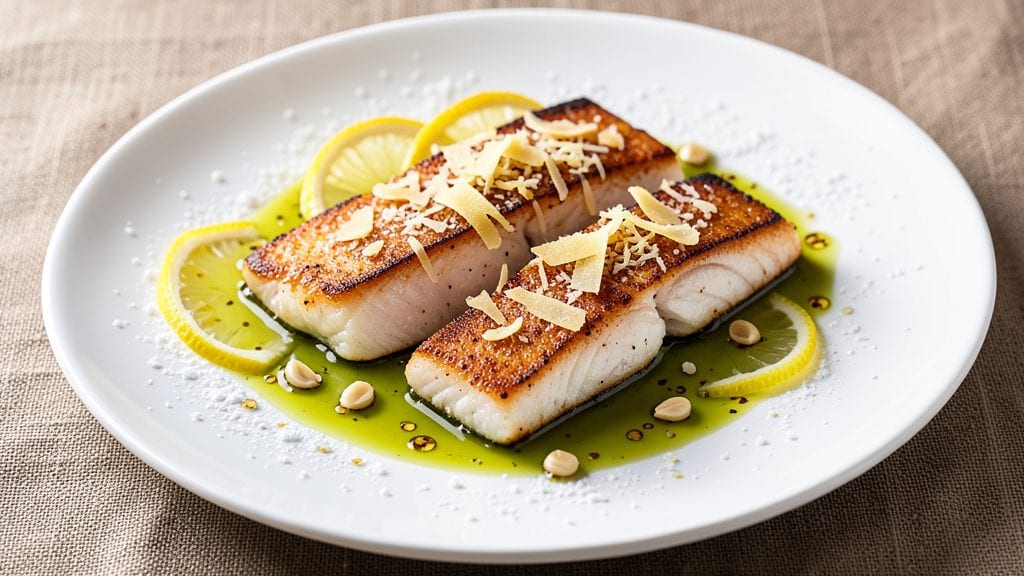
A parmesan cheese fish recipe with a crispy crust and melty, gooey pulls transforms simple weeknight dinners into restaurant-worthy meals. The secret lies in balancing perfectly seasoned fish with a golden parmesan topping that crackles with every bite, while the interior stays tender and flaky.
I developed this method after years of testing—no more dry fish or bland crusts, just foolproof results that impress even skeptical guests.
The technique is straightforward but precise: a light coating of olive oil, a blend of herbs and spices, and a generous layer of freshly grated parmesan create that coveted texture. Baking at the right temperature ensures the crust develops a satisfying crunch while the cheese melts into stretchy, cheesy strands.
This recipe works equally well with white fish fillets like cod or haddock, or even firm white fish like halibut.
By the time your dish emerges from the oven, you’ll have golden-brown fish with crisp edges and a cheese pull so addictive it disappears from the plate. The aroma of garlic, lemon, and parmesan fills the kitchen, signaling dinner is ready.
Serve with a simple arugula salad or roasted vegetables to let the star of the show shine.
This method delivers professional-quality results without requiring advanced skills—just attention to detail and a few key ingredients. Whether you're cooking for a dinner party or a simple family meal, this parmesan cheese fish recipe guarantees a dish that’s crispy, cheesy, and impossible to resist.
Ingredients for parmesan cheese fish
Quality ingredients transform simple fish into a restaurant-worthy dish with crispy crust and melty cheese pulls.
| Ingredient | Amount | Notes |
|---|---|---|
| White Fish Fillets 🐟 | 4 pieces | Cod, haddock, or halibut preferred |
| Extra-Virgin Olive Oil 🫒 | 2 tbsp | High-quality for crispy crust |
| Parmesan Cheese 🧀 | 1 cup | Freshly grated from block |
| All-Purpose Flour 🌾 | ⅓ cup | For light breading |
| Garlic Cloves 🧄 | 4 cloves | Minced for seasoning |
| Lemon Zest 🍋 | 1 tbsp | Freshly grated |
| Lemon Juice 🍋 | 1 tbsp | Freshly squeezed |
| Dried Oregano 🍃 | 1 tsp | Italian variety preferred |
| Ground Black Pepper 🌶️ | ½ tsp | Freshly ground |
| Sea Salt 🧂 | 1 tsp | Fine grain preferred |
| Fresh Parsley 🌿 | ¼ cup | Chopped for garnish |
| Panko Breadcrumbs 🍞 | ¼ cup | For extra crunch |
The fish is the foundation—cod or haddock deliver the best texture, but halibut works too if you prefer a firmer bite. Look for fillets with even thickness (about 1-inch thick) for consistent baking. Local seafood markets often have fresher options than grocery stores, and their staff can guide you to the best cuts. If using frozen fish, thaw it in the fridge overnight—never at room temperature. The parmesan is non-negotiable: real Parmigiano-Reggiano grated fresh yields that signature cheesy pull. Pre-grated cheese lacks the moisture and texture needed for the perfect crust.
No panko? Crushed cornflakes work in a pinch—they add crunch without overpowering the flavor. Short on parsley? Fresh basil or chives add a nice contrast. The lemon zest and juice can be swapped for lime if that's what's on hand, though the flavor will shift slightly. For extra crispiness, mix 1 tbsp cornstarch into the flour before dredging. The olive oil should be fruity and peppery—avoid the cheap stuff that tastes like soap. If you can't find extra-virgin, light olive oil will still work, but the crust won't be as rich. The garlic can be roasted for a sweeter note (just toss whole cloves in oil and roast at 400°F for 10 minutes before mincing).
Prep ahead for foolproof results: Mix the breading dry ingredients (flour, panko, oregano, pepper, and salt) in a shallow dish and store in an airtight container for up to 3 days. The fish can be seasoned and refrigerated for up to 4 hours before baking—just pat dry before coating. Leftovers reheat beautifully in a 375°F oven for 5-7 minutes until the cheese is bubbly again. For make-ahead meals, portion the baked fish into single servings and freeze between parchment paper for up to 2 months. The crust stays crispy even after freezing, making this a perfect dish for meal prep.
Why You'll Love This Recipe
- Pantry Magic: I swear by this when I forget to grocery shop. Flour, garlic, and olive oil are staples—I just add whatever fish is on sale (cod, tilapia, even frozen works). No fancy shopping, just good food.
- Crispy-Creamy Magic: That golden crust from the flour and melted parmesan? It shatters like a dream, but the inside stays tender. Honestly, the first bite makes me question why I ever bought pre-breaded fish.
- Weeknight or Guest Night: Same recipe, two vibes. Serve it with lemon wedges and crusty bread for a fancy-ish dinner, or toss it in a wrap with arugula for a lazy night. My roommates never know what’s coming.
- Leftovers That Don’t Suck: Unlike some fish dishes, this reheats like a champ—crispy bits stay crispy, flavors don’t fade. I’ve packed it for lunches three times this month, and my coworkers keep asking for the recipe.
Step-by-step instructions for parmesan cheese fish with crispy crust
Here's how to create a perfectly crispy, golden crust with melty parmesan pulls every time.
Prepare the Fish and Seasoning Mixture
Pat the 4 pieces white fish fillets completely dry with paper towels—this is crucial for achieving that crispy crust. Arrange them on a plate and season both sides generously with the 1 teaspoon sea salt, 0.5 teaspoon ground black pepper, and 1 teaspoon dried oregano. Let them sit at room temperature for 10 minutes while you prepare the seasoning blend.
In a shallow bowl, combine the 0.33 cup all-purpose flour, 1 cup freshly grated parmesan cheese, 0.25 cup panko breadcrumbs, 4 cloves minced garlic, 1 tablespoon lemon zest, and 1 tablespoon lemon juice. Mix thoroughly with your fingers until the parmesan begins to break down and form a coarse, crumbly texture. This mixture will create both the crispy exterior and the gooey interior you're after.
Create the Crispy Parmesan Crust
Heat a large oven-safe skillet over medium heat and add the 2 tablespoons extra-virgin olive oil. Let it warm for 1 minute until shimmering but not smoking. Working in batches if needed, press each fish fillet lightly into the flour-parmesan mixture, coating both sides completely. You'll notice the mixture will cling to the fish—this is what creates that signature crust.
Place the coated fish fillets in the heated skillet, pressing down gently to ensure good contact with the pan. Cook for 2-3 minutes per side until the crust turns a deep golden brown color and the fish releases easily from the pan. The key here is patience—rushing will result in uneven browning. Transfer the cooked fish to a plate and tent loosely with foil to keep warm while you finish the remaining fillets.
Finish and Garnish Perfectly
Return the skillet to medium-low heat and add the remaining 1 tablespoon extra-virgin olive oil if needed. Sprinkle the 0.25 cup chopped fresh parsley evenly over the cooked fish fillets in the skillet. Let them cook for an additional 1-2 minutes to allow the parsley to crisp slightly and infuse its fresh aroma into the dish.
For the final touch, transfer the fish to serving plates and garnish with additional chopped parsley if desired. The crust should be crispy enough to stand up to a fork, with those beautiful melty parmesan pulls when you cut in. Serve immediately while the crust is at its peak texture—this dish doesn't wait well. The lemon zest and juice brighten the rich parmesan flavor perfectly, creating a balanced dish that's both satisfying and elegant.
Pro Tips For Making Parmesan Cheese Fish
- Dry the Fish First: Pat those fillets thoroughly with paper towels—no wet spots. I learned this the hard way when my first batch came out soggy instead of crispy, no matter how much oil I used. The flour coating needs a dry surface to stick properly, or you’ll end up with a sad, uneven crust.
- Use Cold Olive Oil: Chill that olive oil in the fridge for 10 minutes before frying. Hot oil steals moisture from the fish, and cold oil lets you build heat gradually for a golden crust without flipping a panic. (Yes, even if you’re impatient like me.)
- Skip the Overcrowding: Fry one fillet at a time—two max if your pan is generous. I used to shove them all in and wondered why the middle pieces turned greasy instead of crispy. A crowded pan lowers the temperature and ruins the texture.
- Toast the Garlic: Mince those garlic cloves fine and fry them in a little olive oil for 30 seconds until fragrant before mixing with the Parmesan. Raw garlic burns easily and can turn bitter—this step makes the flavor sing without overpowering. (Your future self will notice the difference.)
Essential equipment for this recipe
Skillet Essentials
A heavy-bottomed, oven-safe skillet is your best friend for this recipe—I swear by a 12-inch Lodge cast iron or All-Clad stainless steel. Cast iron retains heat beautifully and creates that perfect sear, while stainless steel prevents sticking and is easier to clean.
Avoid nonstick pans—they don’t get hot enough for that crispy crust. If you’re using cast iron, preheat it for 5 minutes on medium before adding oil to ensure even cooking. 🔥
Grating Tools
Freshly grated parmesan makes all the difference, so invest in a microplane or box grater—pre-grated cheese contains anti-caking agents that ruin the texture. I love the Mikasa 4-in-1 box grater for its durability and large grating surface.
For even finer results, pulse grated cheese in a food processor for 10-15 seconds—this mimics the texture of restaurant-quality parmesan pulls. Store your grated cheese in an airtight container in the fridge for up to 3 days to preserve freshness.
Baking Alternative
If you prefer baking over stovetop searing, a rimmed baking sheet or half-sheet pan works perfectly. Line it with parchment paper for easy cleanup and bake at 425°F for 12-15 minutes until the crust is golden and the cheese is bubbly.
For extra crispiness, broil for 1-2 minutes at the end. A digital meat thermometer helps ensure the fish reaches 145°F internal temperature—any higher risks drying it out. 🌡️
Oven Racks Matter
Position your skillet or baking sheet on the middle rack of your oven for even heat distribution. If using a broiler, place the rack 4-5 inches from the heat source to avoid burning the crust.
For a convection oven, reduce the temperature by 25°F (e.g., bake at 400°F instead of 425°F) to prevent over-browning. A thermometer probe inserted into the thickest part of the fish ensures perfect doneness without guesswork.
Garnish Tools
Fresh herbs like parsley add brightness, so keep a sharp chef’s knife and cutting board handy. For uniform slices, use a mandoline set to ¼-inch thickness—this ensures even cooking and presentation. A small bowl of ice water nearby helps keep chopped herbs crisp while you work.
For a pro touch, use a pair of kitchen tweezers** to place parsley leaves artfully on top of each fillet right before serving. ✨
Nutrition facts
Frequently asked questions
What's the best type of fish for this parmesan crust recipe?
White fish with firm texture works best—cod, haddock, or halibut are ideal choices. They stay moist while developing that perfect crispy crust. Avoid delicate fish like tilapia, as they may fall apart during cooking.
Can I make this recipe ahead of time?
Yes, but with a few adjustments. Assemble the coated fish and refrigerate for up to 4 hours before cooking. For leftovers, reheat in a 375°F oven for 5-7 minutes until the cheese is bubbly again. The crust stays crispy when reheated properly.
Why does my parmesan crust keep falling off?
This usually happens when the fish isn't dry enough or the crust isn't pressed firmly. Pat the fillets completely dry before coating, and press them gently into the skillet to ensure good contact. Also, don't overcrowd the pan—cook in batches if needed.
What can I substitute if I don't have panko?
Use crushed cornflakes or crushed potato chips for extra crunch. For a lighter texture, try crushed matzo crackers or fine breadcrumbs. Just be aware these alternatives may have slightly different flavors.
How do I know when the fish is fully cooked?
The fish should reach an internal temperature of 145°F and flake easily with a fork. The crust will be golden brown and crispy, while the cheese should have those signature melty pulls. For extra assurance, use a meat thermometer inserted into the thickest part.