
Main Courses
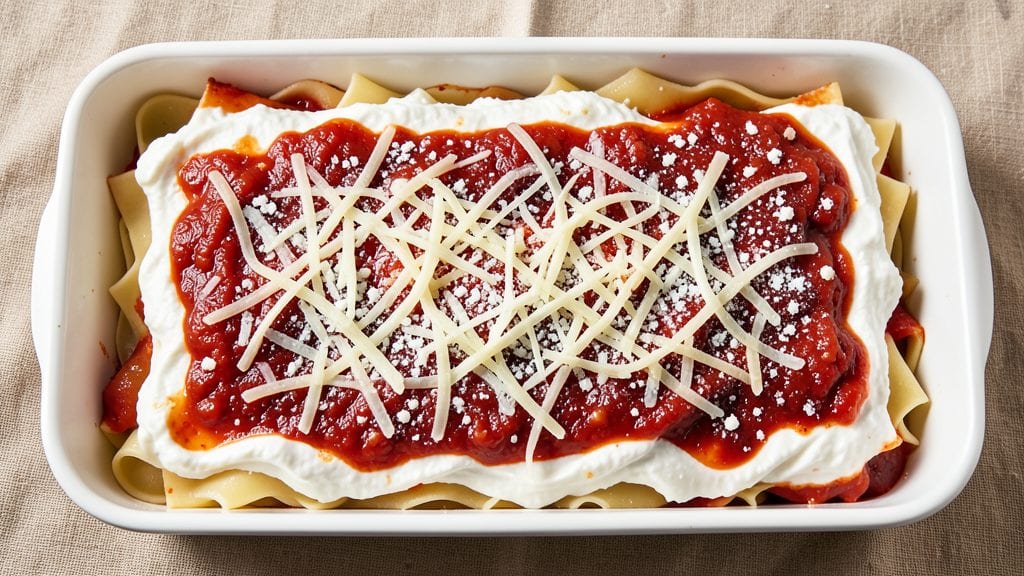
Skip the stress of pre-cooking pasta with this easy no boil lasagna recipe with ricotta cheese, blending velvety ricotta, al dente noodles, and a hearty tomato sauce into effortless layers.
The secret lies in using uncooked lasagna noodles that soften perfectly during baking, creating a dish that’s both restaurant-quality and effortless. I’ve perfected this technique over years of testing, ensuring every forkful delivers that signature melt-in-your-mouth texture without the hours of waiting.
The beauty of this method is its simplicity: no boiling required, no last-minute stress. Ricotta cheese plays the starring role, adding a velvety richness that balances the acidity of the tomato sauce while keeping the lasagna moist and tender.
The layers—noodles, ricotta, sauce, and cheese—work together to create a structure that holds up beautifully, even when sliced. This recipe delivers a foolproof result that’s ideal for family dinners or meal prep, with minimal effort and maximum flavor.
By the time it emerges from the oven, you’ll have a lasagna with perfectly soft noodles, a creamy ricotta layer that’s neither too wet nor too dry, and a golden-brown cheese topping that’s crispy on top and gooey underneath.
The aroma alone will have everyone gathered around the table, and the first bite will prove why this method is a game-changer for busy cooks. Serve with a simple green salad or garlic bread for a complete meal that feels indulgent without the fuss.
What sets this recipe apart is the balance of technique and simplicity—no shortcuts that compromise quality, just a proven method that delivers restaurant-quality results at home.
Whether you’re a lasagna novice or a seasoned chef, this approach ensures success every time. Let’s get started on creating your cheesiest, most satisfying lasagna yet.
Ingredients for no boil lasagna recipe with ricotta cheese
Nine essential ingredients transform into restaurant-quality lasagna without boiling noodles first.
| Ingredient | Amount | Notes |
|---|---|---|
| Uncooked Lasagna Noodles 🍝 | 9 whole | No-boil, 12-inch variety preferred |
| Whole Milk Ricotta Cheese 🧀 | 24 oz | Full-fat for creaminess, room temperature |
| Large Eggs 🥚 | 2 whole | Room temperature for blending |
| Shredded Mozzarella Cheese 🧀 | 3 cups | Part-skim or whole milk, fresh shredded |
| Marinara Sauce 🍅 | 2 ½ cups | Homemade or quality jarred, no added sugar |
| Low-Fat Cottage Cheese 🧀 | 1 cup | Drained, blended for ricotta texture |
| Garlic Cloves 🧄 | 4 cloves | Minced for sauce enhancement |
| Extra-Virgin Olive Oil 🫒 | ¼ cup | For sauce richness |
| Dried Oregano 🌿 | 1 tbsp | Italian variety preferred |
| Ground Black Pepper 🌶️ | ½ tsp | Freshly cracked for aroma |
| Sea Salt 🧂 | 1 tsp | Kosher or fine sea salt |
| Fresh Basil Leaves 🌿 | ¼ cup | Chopped for garnish |
| Parmesan Cheese 🧀 | ½ cup | Freshly grated, for topping |
The ricotta is the heart of this recipe—whole milk, full-fat is non-negotiable for that signature velvety texture. Look for ricotta in tub containers at stores like Whole Foods or Trader Joe's, where it’s typically fresher than the pre-packaged brands. If you’re using cottage cheese to stretch your ricotta mixture (a common trick), opt for the low-fat variety—it blends more smoothly. The lasagna noodles should be no-boil, 12-inch—Barilla makes a reliable brand, but check your local Italian market for authentic options. Pre-shredded mozzarella gets clumpy when melted, so buy a block and shred it yourself—it makes all the difference in texture.
No ricotta on hand? Cottage cheese blended with a splash of milk works in a pinch, though the texture won’t be identical. Short on mozzarella? Provolone or fontina add depth, while Asiago cheese brings a nutty contrast. The marinara sauce can be homemade (simmer crushed tomatoes, garlic, and olive oil) or store-bought—just avoid brands with added sugar. For the ricotta mixture, room-temperature cheese blends better, so take it out of the fridge 30 minutes before mixing. If your sauce feels too acidic, a pinch of sugar or a splash of cream balances it perfectly. The garlic should be minced, not powdered—fresh aroma elevates everything.
This lasagna reheats beautifully—cover with foil and bake at 375°F for 20 minutes to restore crispiness. Store leftovers in the fridge for up to 5 days, covered tightly to prevent drying. For meal prep, assemble the lasagna up to a day ahead and refrigerate before baking—this ensures even cooking. The ricotta layer keeps best when the lasagna is fully chilled, so resist the urge to slice it warm. Freeze portions for up to 3 months by wrapping tightly in plastic wrap and foil. When reheating from frozen, add 10-15 minutes to the baking time, covered with foil.
Why You'll Love This Recipe
- Here’s what sold me: that whole milk ricotta—thick, tangy, and unapologetically rich. Mixed with a beaten egg, it turns into a velvety layer that melts in your mouth, while the mozzarella on top adds that golden, stretchy pull. Honestly, the first bite makes me want to skip dinner and just eat straight from the pan.
- No Pre-Baking Stress: I’ll admit—my first lasagna was a soggy disaster. This version? Just layer the no-boil noodles, ricotta, and marinara, then bake. No waiting for water to boil, no mushy noodles. The eggs in the ricotta mixture bind everything perfectly while it bakes, so you get that just-right texture every time.
- Creamy-Rich Magic: Here’s what sold me: that whole milk ricotta—thick, tangy, and unapologetically rich. Mixed with a beaten egg, it turns into a velvety layer that melts in your mouth, while the mozzarella on top adds that golden, stretchy pull. Honestly, the first bite makes me want to skip dinner and just eat straight from the pan.
- Weeknight to Party Fix: Between us, this is my go-to for game days, potlucks, or when my kid’s soccer team shows up hungry. Double the recipe, bake it in a bigger pan, and you’ve got a crowd-pleaser that doesn’t require a PhD in cooking. (Yes, even on a Tuesday night.) Plus, the leftovers? Just as good reheated the next day—no one will guess it’s not fresh.
Step-by-step instructions for no-boil ricotta lasagna
Assemble this cheesy masterpiece with layers that stay perfectly tender and flavorful.
Prepare the Ricotta Cheese Mixture
In a large mixing bowl, combine the 24 oz whole milk ricotta cheese with the 1 cup low-fat cottage cheese. I use a fork to break up any lumps in the cottage cheese first—this ensures a smooth, spreadable texture. Add the 2 whole large eggs and mix until fully incorporated, about 2 minutes with a wooden spoon.
Next, fold in 1 cup of the 3 cups shredded mozzarella cheese, the 1 tbsp dried oregano, 0.5 tsp ground black pepper, and 1 tsp sea salt. The mixture should be thick but still pourable—this is your key to creamy, rich layers. If it's too thick, add 1 tablespoon of water at a time until it reaches a spreadable consistency. Cover and set aside while you prepare the sauce.
Enhance the Marinara Sauce
In a medium saucepan, combine the 2.5 cups marinara sauce with the 0.25 cup extra-virgin olive oil and the 4 minced garlic cloves. Bring to a gentle simmer over medium heat and let it cook for 5-7 minutes until the garlic is fragrant and the sauce has thickened slightly. Taste and adjust seasoning with additional salt or pepper if needed.
Here's the thing—this step elevates your lasagna from good to extraordinary. The olive oil adds richness while the garlic infuses the sauce with depth. Keep the sauce warm but not boiling while you assemble the lasagna—you want it to stay vibrant and flavorful in each layer.
Assemble the Lasagna Layers
Preheat your oven to 375°F. Spread 1 cup of the enhanced marinara sauce on the bottom of a 9x13-inch baking dish. This creates a flavorful base that prevents sticking. Place 3 of the 9 uncooked lasagna noodles side by side, slightly overlapping if needed to cover the bottom completely.
Spread half of the ricotta mixture evenly over the noodles, then sprinkle with 1 cup of the remaining mozzarella cheese. Repeat with another layer of 3 noodles, the remaining ricotta mixture, and the final cup of mozzarella. Top with the remaining marinara sauce, spreading it evenly to the edges. The sauce should come up about halfway on the sides—this prevents the top from drying out.
Bake to Golden Perfection
Cover the baking dish tightly with aluminum foil and bake for 25 minutes. This initial covered baking allows the layers to set without drying out. After 25 minutes, remove the foil and bake for an additional 15-20 minutes until the top is golden brown and bubbly.
I know it's tempting to peek, but resist the urge—every time you open the oven, you risk losing heat and moisture. The lasagna is done when the edges are golden and the cheese is bubbling vigorously. Let it rest for 10-15 minutes before slicing—this allows the layers to set and makes for cleaner cuts.
Garnish and Serve
While the lasagna rests, sprinkle the top evenly with the 0.5 cup freshly grated parmesan cheese and the 0.25 cup chopped fresh basil leaves. The basil adds a bright, fresh contrast to the rich cheeses, while the parmesan gives a final salty crunch.
Slice into 6 equal portions and serve immediately. Each bite should deliver creamy ricotta, tender noodles, and rich marinara in perfect harmony. The no-boil noodles stay perfectly al dente, and the layers hold together beautifully—no soggy middle here!
Pro Tips For Making No Boil Lasagna Recipe With Ricotta Cheese
- Preheat That Pan: I learned this the hard way—skipping the preheat leads to soggy noodles. Slide your uncooked lasagna noodles into the baking dish right after the oven hits 375°F (190°C). The heat shock helps them absorb sauce faster without turning mushy later. (Yes, even if you’re impatient like me.)
- Whisk the Ricotta: That clumpy ricotta is the enemy of creamy layers. Before mixing it with eggs, press it through a fine-mesh sieve or whisk it hard with a fork—no lumps means no dry spots in your lasagna. I skip this, and the texture suffers.
- Layer Sauce First: Drown those noodles in marinara before adding the ricotta mix. Spread a thin, even layer on the bottom and between noodles—this keeps them from curling up like sad little boats. (Your future self will thank you.)
- Press the Cheese: Shredded mozzarella loves to clump, and clumps don’t melt evenly. Pack it firmly on top—no loose piles. A quick press with a spatula or your hands ensures every bite gets that stretchy, gooey goodness. (I know, I know, but trust the process.)
Pro cooking tips for great no boil lasagna recipe with ricotta cheese
Ricotta Mixture Secrets
The key to creamy, spreadable ricotta is blending it with cottage cheese—this adds structure without compromising texture. I always use a fork to break up cottage cheese lumps first, then mix in eggs at room temperature for a smoother consistency.
If your mixture feels too thick, add 1 tablespoon water at a time until it reaches a spreadable but not runny texture. For extra flavor, fold in 1 tsp lemon zest or ½ tsp nutmeg—trust me, it makes a difference. 🧀
Noodle Layering Tricks
Never skip the sauce on the bottom layer—it prevents sticking and adds flavor. I use 9 no-boil lasagna noodles (3 per layer) and slightly overlap them to cover the dish completely.
For even cooking, spread the ricotta mixture evenly—about ¼-inch thick—and press down gently with a spatula. This ensures every bite has that signature creamy texture. 🍝
Sauce Temperature Control
Your marinara sauce should be warm but not boiling when you layer it—this prevents the noodles from overcooking before the lasagna hits the oven. I simmer mine with olive oil and garlic for 5-7 minutes to deepen the flavor.
Keep it in a warm saucepan while assembling, adding a splash of water if it thickens too much. 🍅
Baking Like a Pro
Covering the lasagna with foil for the first 25 minutes traps steam, helping the noodles soften evenly. After removing the foil, watch for golden edges and bubbling cheese—this means it’s nearly done.
I use a lasagna pan (like Calphalon) for even heat distribution, but a glass baking dish works too. Never overbake—15-20 minutes uncovered is perfect. 🔥
Resting for Success
Letting the lasagna rest for 10-15 minutes after baking is non-negotiable. This allows the layers to set, making it easier to slice cleanly. I also find it helps the ricotta layer firm up slightly, so each bite stays creamy.
Garnish with fresh basil and parmesan right before serving—this adds brightness and prevents the cheese from drying out. 🌿
Equipment Must-Haves
A 9x13-inch baking dish is essential for even cooking, but any oven-safe dish works. For spreading ricotta smoothly, I use a flexible silicone spatula—it glides right through the mixture. If your oven runs hot, tent the lasagna with foil during the final 5 minutes to prevent over-browning. 💡
Nutrition facts
Frequently asked questions
Can I use store-bought ricotta for this no-boil lasagna?
Yes, but opt for whole milk ricotta in tub form for the creamiest texture. Pre-packaged ricotta often contains stabilizers that make it grainier. If using cottage cheese as a substitute (like in the recipe), blend it first to mimic ricotta's smoothness. Room temperature cheese blends better—take it out of the fridge 30 minutes before mixing.
Why does my ricotta mixture get watery when baking?
This happens when the ricotta mixture is too thin or the lasagna isn't baked long enough. For the perfect consistency, mix ricotta with cottage cheese and eggs until it's thick but spreadable (like thick pudding). If it still feels too wet, add 1 extra egg or 2 tbsp grated parmesan to absorb moisture. Bake uncovered for 5 extra minutes if needed to firm it up.
Can I make this lasagna ahead of time?
Assemble the lasagna up to 24 hours ahead and refrigerate uncovered. When ready to bake, add 10-15 minutes to the cooking time (covered with foil). For freezing, bake fully, cool completely, wrap tightly in plastic and foil, and freeze for up to 3 months. Thaw overnight in the fridge before reheating.
What if my no-boil noodles aren't soft enough after baking?
This usually means the lasagna didn't bake long enough or the oven wasn't hot enough. Extend the uncovered baking time by 5-10 minutes and check the oven temperature with an oven thermometer (should be 375°F). For extra insurance, cover with foil for the full 40 minutes if needed. The noodles should be tender but still hold their shape.
Can I substitute ricotta with another cheese?
For best results, stick with ricotta, but you can use a blend of cottage cheese + cream cheese (50/50 ratio) for a similar texture. Avoid using only cream cheese—it melts too much and can make the lasagna soggy. If you're dairy-free, try a cashew-based ricotta substitute or a store-bought vegan ricotta alternative. Always adjust seasoning after substituting.