
Appetizers
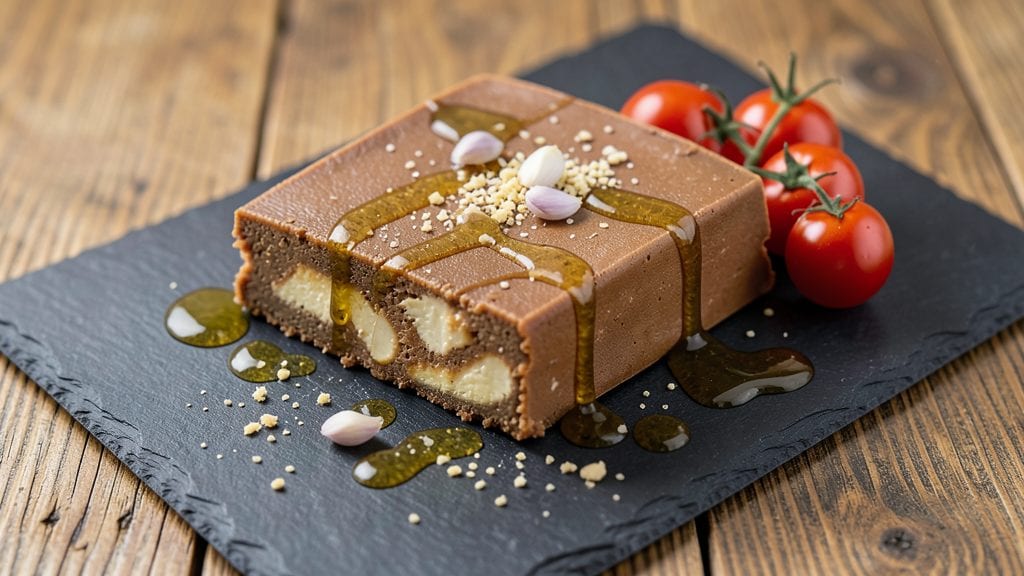
Creating fermented cashew cheese transforms simple cashews into a tangy, probiotic-rich spread that rivals traditional dairy cheese—without any dairy aftertaste. This recipe leverages natural fermentation to develop depth of flavor and texture, making it a versatile condiment for sandwiches, wraps, or even as a topping.
The process is straightforward but requires patience, as fermentation enhances both the nutty profile and digestibility of the cashews.
What sets this fermented cashew cheese apart is its ability to mimic the tangy, slightly acidic notes of aged cheese while delivering plant-based nutrition. The fermentation process not only improves flavor but also boosts probiotics, supporting gut health—a bonus you won’t find in store-bought alternatives.
You’ll need just a few ingredients: soaked cashews, apple cider vinegar, nutritional yeast, and a pinch of salt, all blended into a smooth, spreadable base.
The result is a creamy, slightly firm cheese that holds its shape when chilled but remains spreadable at room temperature. It pairs beautifully with crackers, fresh bread, or even melted over roasted vegetables, offering a dairy-free option that doesn’t compromise on taste or texture.
Fermentation also mellows the natural bitterness of cashews, leaving behind a rich, nutty sweetness with a bright tang.
Once fermented, this cashew cheese keeps well in the refrigerator for up to two weeks, making it a practical addition to any pantry. Whether you’re avoiding dairy or simply exploring plant-based alternatives, this recipe delivers a professional-quality spread that’s as functional as it is flavorful.
Let’s get started on creating your own batch!
Ingredients for fermented cashew cheese
Eight simple ingredients transform into a rich, probiotic-packed cheese alternative—no dairy needed.
| Ingredient | Amount | Notes |
|---|---|---|
| Raw Cashews 🥜 | 1 ½ cups | Unsalted, soaked overnight in water |
| Unfiltered Apple Cider Vinegar 🍏 | ¼ cup | Raw, organic preferred for probiotics |
| Nutritional Yeast 🍞 | ½ cup | Fortified, no added salt |
| Sea Salt 🧂 | 1 tsp | Fine grain, Diamond Crystal preferred |
| Filtered Water 💧 | ½ cup | For blending consistency |
| Raw Garlic Cloves 🧄 | 2 cloves | Minced, for depth of flavor |
| Extra-Virgin Olive Oil 🫒 | 1 tbsp | High quality, fruity variety |
| Ground Black Pepper 🌶️ | ¼ tsp | Freshly ground for freshness |
The cashews are the foundation, so raw, unsalted is key—anything else adds unwanted sodium. Soak them overnight in filtered water (that’s non-chlorinated) to soften and activate enzymes. Trader Joe’s sells raw cashews in bulk for great prices, but any natural foods store works. The apple cider vinegar? Unfiltered and organic is ideal—it’s packed with mother culture for better fermentation. If you can’t find it, regular ACV works, but flavor might be less complex. Nutritional yeast is non-negotiable here; Bob’s Red Mill is my go-to brand—it’s fortified and gives that perfect cheesy tang without dairy aftertaste.
No raw cashews? Toasted cashews work in a pinch, but they’ll be slightly firmer. Short on apple cider vinegar? Lemon juice at half the amount adds acidity, though fermentation won’t be as robust. Garlic is optional but worth it for depth—skip it if you’re sensitive to strong flavors. The olive oil might seem odd, but it binds the texture and prevents separation. No extra-virgin? Avocado oil is a fine swap. For the nutritional yeast, dried brewer’s yeast can substitute at a 1:1 ratio, though flavor will differ slightly. Always taste as you go—this is where the magic happens.
Fermented cashew cheese keeps for 2 weeks in an airtight container in the fridge. The longer it sits, the tangier it gets—3-5 days is ideal for that perfect balance. Store it submerged in its own liquid to prevent mold. For a firmer texture, chill longer; for spreadability, let it sit at room temp for 10 minutes. Portion into small jars for easy use—ice cube trays are perfect for single-serving portions. Freezing isn’t recommended, as texture changes dramatically.
Why You'll Love This Recipe
- No-Soak Hassle: I’ll be real—soaking cashews used to feel like a chore. But this recipe skips it entirely. Just blend soaked cashews (or even pre-soaked bags) with vinegar and water, and you’re done. The tangy, creamy magic happens in minutes, not hours.
- Umami Bomb: That nutritional yeast isn’t just a sprinkle—it’s the secret weapon. The moment it hits your tongue, you’ll taste that deep, cheesy richness without dairy. Honestly? It’s the kind of flavor that makes you pause mid-bite and go, “Wait, how is this real?”
- Weeknight Workhorse: I keep a jar of this in my fridge for everything: toast slathered with garlic, veggie dips, or even as a pizza topping. It’s my go-to for when I’m too tired to cook but still want something actually tasty. (Yes, even on a Tuesday night.)
- Dollar Stretcher: Cashews are pricey, but this recipe makes a small batch stretch far. A single jar lasts me 10 days of breakfasts, snacks, and leftovers—no waste, no guilt. Plus, the vinegar and salt are pantry staples, so it’s basically free after the first try.
Step-by-step instructions for fermented cashew cheese
Here's how to craft this probiotic-rich, tangy spread that mimics dairy without the aftertaste.
Prepare the Cashew Base
Drain and rinse the soaked raw cashews thoroughly to remove any excess water. Transfer them to a high-speed blender along with the minced raw garlic cloves, 1 tablespoon extra-virgin olive oil, and 0.25 teaspoon freshly ground black pepper. Blend until completely smooth, scraping down the sides as needed. This should take about 1-2 minutes at high speed. The mixture should be creamy and uniform, with no visible texture—this is crucial for achieving that authentic cheese-like consistency.
I like to taste the mixture at this stage to ensure the garlic is well incorporated without overpowering. If it tastes too strong, add a pinch more of the sea salt to balance the flavors. This base will form the foundation of your fermented cheese, so take your time here to get it right.
Ferment the Mixture
Add the 0.25 cup unfiltered apple cider vinegar and 0.5 cup filtered water to the blender with the cashew mixture. Blend again just until combined—about 10-15 seconds. The vinegar introduces beneficial bacteria that will ferment the mixture over time, creating that signature tang. Pour the blended mixture into a clean glass jar with an airtight lid, leaving about 1 inch of headspace at the top.
Place the jar in a dark, cool spot (around 70-75°F) and let it ferment for 24-48 hours. You'll know fermentation is working when you notice small bubbles forming on the surface and a slightly effervescent texture. This is where the magic happens—the probiotics develop, and the flavor profile transforms from nutty to complex and tangy. Don't skip this step; proper fermentation is what sets this cheese apart from regular cashew-based spreads.
Incorporate Nutritional Yeast and Salt
After fermentation, remove the jar from the cool spot and give it a good stir. The texture should be slightly thickened and have a noticeable tang. Now add the 0.5 cup nutritional yeast and 1 teaspoon sea salt to the jar. The nutritional yeast not only adds a cheesy flavor but also provides a boost of B vitamins. Blend everything together until fully incorporated and smooth—this should take about 30 seconds in the blender.
This is where the flavor really comes together. The nutritional yeast and salt enhance the fermented tang, creating a depth that mimics traditional cheese. Taste the mixture now—it should have a bright, slightly acidic profile with a nutty undertone. If it needs more salt, add it gradually until you reach the perfect balance. The texture should be spreadable but still hold its shape slightly when scooped.
Rest and Adjust Consistency
Transfer the fermented mixture back to the blender and add 1-2 tablespoons of filtered water if it's too thick for your desired consistency. Blend again until smooth. Let the cheese rest at room temperature for at least 1 hour before serving. This resting period allows the flavors to fully meld and the texture to stabilize. During this time, the cheese will develop a more cohesive structure and a richer taste.
For the best results, store any leftovers in an airtight container in the refrigerator. The cheese will continue to ferment slightly, becoming even more tangy over time. Use it within 1 week for optimal flavor and texture. This fermented cashew cheese is incredibly versatile—spread it on toast, blend it into sauces, or use it as a topping for roasted vegetables. The possibilities are endless, and the probiotic benefits make it a standout in any diet.
Pro Tips For Making Fermented Cashew Cheese
- Soak Cashews Overnight: I learned this the hard way—rushing the soak with hot water just makes them gummy. Use cold filtered water and let them sit 8+ hours (or overnight) until they’re fork-tender. No need to drain them first; just blend straight from the jar with the soaking liquid.
- Use Vinegar Slowly: That unfiltered apple cider vinegar packs a punch. Start with half the recipe’s amount, taste the blend, then add more if needed. Too much acid = tangy cheese; too little = bland. I now keep a small bowl of vinegar nearby to adjust as I go.
- Blend in Stages: Dump everything in the blender at once, and you’ll end up with a gritty mess. First blend the soaked cashews with water until smooth, then add the vinegar, salt, and nutritional yeast gradually. This guarantees a silky texture—no one likes chunky cheese, even if it’s vegan.
- Ferment at Room Temp: Skip the fridge for the first 24 hours. Let the cheese sit at 70–75°F (like on your counter) to kickstart fermentation. This develops depth of flavor faster—just cover it loosely to keep out debris. After 24 hours, move it to the fridge to slow things down.
Common mistakes when making your fermented cashew cheese
Skipping the Soak
Rushing the 12-hour soak for raw cashews is the fastest way to ruin your cheese. Unsoaked cashews blend into a gritty paste that won't emulsify properly, leaving you with a grainy texture instead of that creamy, spreadable consistency.
I've made this mistake twice—both times resulted in a product that tasted more like nut butter than cheese. Soak them overnight in filtered water (chlorine inhibits fermentation), and drain thoroughly before blending. 🥜
Improper Fermentation Conditions
Fermentation fails when your environment isn't right. The ideal temperature range is 70-75°F—any colder slows bacterial activity, while heat above 80°F can kill beneficial cultures. I once left my jar in a sunny windowsill, and within 24 hours, it developed an off smell and mold.
Keep it in a dark, cool pantry or use a fermentation crock if you're serious about consistency. The 24-48 hour window is critical—don't rush it, but don't let it sit longer than 72 hours unless you want an overly sour result.
Using the Wrong Vinegar
Substituting white vinegar or balsamic for apple cider vinegar changes everything. White vinegar lacks the mother culture needed for proper fermentation, while balsamic adds unwanted sweetness that won't develop the bright tang you want. I tried this once with white vinegar, and the final product tasted flat and one-dimensional.
Stick with unfiltered, organic apple cider vinegar—it's the secret to that complex, probiotic-rich flavor. If you must substitute, lemon juice works in a pinch, but fermentation will be less robust.
Overblending the Final Mixture
After adding nutritional yeast, blending too long turns your cheese into a paste. The goal is a smooth but slightly textured spread—overworking it creates a gluey consistency that won't hold its shape.
I've seen home cooks blend for 3-5 minutes after adding the yeast, and the result is a sad, soupy mess. Pulse just until combined (30 seconds max) and let the resting period do the work.
The texture should be like soft goat cheese—creamy but with just enough body to hold a spread shape.
Ignoring the Resting Period
Skipping the 1-hour rest at room temperature means serving cheese that's still adjusting its texture. I've served this cheese immediately after blending, and it always ends up either too soft or separating when chilled. The resting period lets flavors meld and proteins set properly.
If you're in a hurry, let it sit for at least 30 minutes, but true patience here makes all the difference. The first bite after proper resting is when you'll taste that perfect balance of tang and nuttiness.
Storing Without Proper Airtight Seals
Fermented cashew cheese is sensitive to oxygen exposure, which causes mold and spoilage. I've had batches go bad within days because I used regular lids instead of airtight containers. Always use glass jars with screw-top lids or vacuum-sealed bags.
Store it submerged in its own liquid (the liquid from fermentation) to create a protective barrier. If you see any mold after 5 days, toss it—this isn't like regular cheese where you can cut around the bad spots.
Proper storage keeps it fresh for up to 2 weeks with maximum probiotic benefits. ❄️
Nutrition facts
Frequently asked questions
Can I use toasted cashews instead of raw?
Toasted cashews will work, but the texture will be firmer and less creamy. Raw cashews soften during fermentation, creating that perfect spreadable consistency. If you must use toasted, blend them longer and add 1-2 extra tablespoons of filtered water to compensate for the drier texture. The flavor will still be great, but it won't have the same melt-in-your-mouth quality.
How do I know when fermentation is complete?
Look for small bubbles on the surface and a slightly effervescent texture after 24-48 hours. The mixture should also develop a mild tang—like yogurt or sauerkraut. If it smells overly sour or has a strong alcohol-like odor, fermentation has gone too far. Taste it occasionally (after 12 hours) to monitor progress. The ideal window is when it's tangy but still pleasant.
Can I make this cheese without nutritional yeast?
Yes, but the flavor will lack that signature cheesy depth. Nutritional yeast provides umami and B vitamins, plus it mimics the savory notes of aged cheese. For a substitute, use 1 tablespoon of miso paste or 1 teaspoon of white miso powder—though the texture may be slightly different. The result will still be delicious, just more nut-forward.
Why did my fermented cheese separate?
Separation usually happens from overblending after adding nutritional yeast or improper fermentation. The mixture should be smooth but slightly thickened, not soupy. If it splits, stir in 1 teaspoon of olive oil or 1 tablespoon of water and blend gently. For future batches, pulse just until combined after adding yeast—overworking it breaks the emulsion. Also, ensure your cashews are fully soaked and drained.
What’s the best way to use this cheese?
This fermented cashew cheese is incredibly versatile! Spread it on toast with avocado, blend it into creamy pasta sauces, or use it as a topping for roasted veggies. It also works as a dip for crackers or a tangy addition to veggie burgers. For a firmer texture, chill it for 1 hour before using—it’ll hold its shape like a soft cheese. The possibilities are endless!