
Appetizers
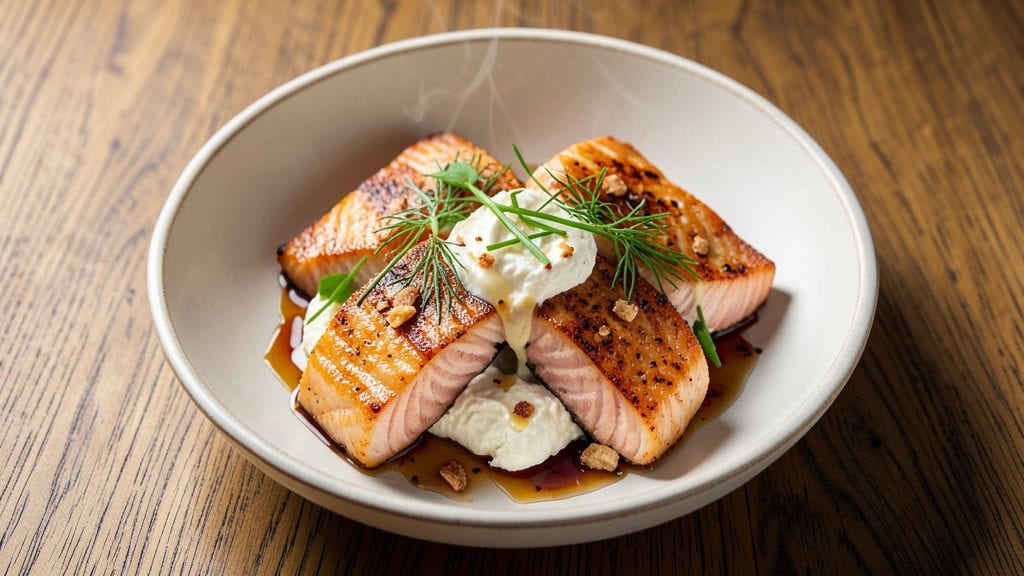
This salmon and soft cheese recipe delivers the perfect harmony of crispy skin and creamy, velvety cheese—every bite is a balance of textures and flavors that feels both elegant and effortless.
The secret lies in pan-searing the salmon until golden and shatteringly crisp, then topping it with a dollop of softened brie or cream cheese that melts into a silky, flavorful blanket.
I developed this dish after years of experimenting with salmon preparations, and this version consistently delivers restaurant-quality results at home.
What sets this recipe apart is its versatility—whether you're serving it as an appetizer, a light main course, or part of a charcuterie spread, the combination of rich salmon and soft cheese feels luxurious without requiring advanced techniques.
Start with fresh salmon fillets, seasoned simply with salt, pepper, and a touch of lemon zest before searing in a hot pan with butter. The crispy skin is non-negotiable here, and I’ll share my foolproof method to achieve it every time.
The cheese pairing transforms this dish from good to unforgettable. A small pat of brie or cream cheese, warmed just enough to soften but not melt completely, adds a creamy contrast that cuts through the richness of the salmon.
Garnish with fresh herbs like dill or chives, a squeeze of lemon, or a sprinkle of flaky salt to elevate the presentation. This dish is perfect for impressing guests or treating yourself to a refined yet simple meal.
Serve with a side of roasted asparagus or a simple arugula salad to balance the richness, or offer crusty bread for dipping into any melted cheese that pools on the plate. The combination of textures—crispy, creamy, tender—makes this recipe a standout for any occasion. Let’s get cooking!
Ingredients for salmon and soft cheese
Fresh salmon, velvety cheese, and crispy textures—this elegant pairing comes together with minimal fuss.
| Ingredient | Amount | Notes |
|---|---|---|
| Center-Cut Salmon Fillets 🐟 | 4 whole | Skin-on, 6-8 oz each, fresh preferred |
| Unsalted Butter 🧈 | 4 tbsp | European-style, cold for crispy skin |
| Brie Cheese 🧀 | 8 oz | Soft, mild variety, room temperature |
| Cream Cheese 🧀 | 4 oz | Full-fat, for alternative pairing |
| Fresh Dill 🌿 | ¼ cup | Chopped, stems removed for garnish |
| Fresh Chives 🌿 | 2 tbsp | Minced, for bright freshness |
| Lemon Zest 🍋 | 1 tsp | From organic lemon, finely grated |
| Flaky Sea Salt 🧂 | 1 tsp | Maldon preferred for garnish |
| Freshly Ground Black Pepper 🌶️ | ½ tsp | Cracked peppercorns preferred |
| Extra-Virgin Olive Oil 🫒 | 1 tbsp | For pan searing, high smoke point |
| Garlic Cloves 🧄 | 2 cloves | Thinly sliced, for aroma |
| Asparagus 🌱 | 1 lb | Thick spears, for roasted side |
| Arugula 🥬 | 4 cups | Baby leaves, for fresh salad |
The salmon makes or breaks this dish, so center-cut fillets with skin are non-negotiable—they hold their shape and develop that coveted crispiness. Whole Foods Market or high-end seafood counters carry the best quality, but even your local grocery store’s frozen section can work if you thaw properly. Look for fillets with vibrant pink flesh and minimal bruising. For extra insurance, ask the fishmonger to cut them from the center of the fillet where the meat is thickest. The butter should be European-style with at least 82% fat content—it’s worth the splurge for that rich, golden crust. Brie should be soft enough to spread with a knife but not runny; President or Boursault are reliable brands. If you prefer cream cheese, Philadelphia Original melts beautifully without curdling.
No brie? Camembert or goat cheese work beautifully—just adjust the melting time slightly. Running short on dill? Fresh parsley or chives add brightness, though dill’s anise notes are ideal. The lemon zest can be swapped for a splash of fresh lemon juice if you’re out, but zest adds that subtle citrus aroma that pairs perfectly. For the garlic, roasted cloves add sweetness, but raw sliced cloves infuse more aroma. If you’re serving this as an appetizer, consider halving the salmon portions and doubling the cheese topping. The asparagus can be swapped for green beans or zucchini if you prefer, but asparagus’s natural sweetness complements the richness of the salmon.
Salmon and cheese leftovers? Portion into airtight containers and store for up to 2 days—the flavors actually improve overnight as the cheese melds. For longer storage, freeze the salmon before adding cheese—thaw and top with softened cheese when ready to serve. The roasted asparagus keeps well for 3 days in the fridge, while arugula stays fresh for 4 days if wrapped in a damp towel. To reheat, warm gently in a skillet with a splash of water—never microwave, or the skin will turn rubbery. The crispy texture is best enjoyed fresh, so plan to serve this dish within 24 hours of cooking.
Why You'll Love This Recipe
- No Butter Waste: I melt the leftover butter from cooking into the cheese mixture—no extra shopping, no guilt. That golden drizzle? Pure flavor upgrade without costing a cent.
- Creamy Melty Magic: The brie and cream cheese blend turns gooey under the salmon’s skin, almost like a fancy appetizer but with zero fuss. That first bite? Unfairly satisfying.
- Weeknight to Dinner Party: Same ingredients, different vibes: pan-seared for Tuesday, topped with toasted bread for Saturday guests. The cheese hides any overcooking—my secret for stress-free hosting.
- Leftovers That Don’t Suck: Cold salmon slices with cheese? Still delicious. Wrap in tortillas for lunch, toss in salads, or reheat with a splash of cream. (Yes, even the kids ask for it.)
Step-by-step instructions for crispy skin salmon with soft cheese pairing
Here's how to achieve perfectly crispy salmon skin and creamy cheese harmony in just a few focused steps.
Prepare the Salmon for Maximum Crispiness
Pat the 4 whole center-cut salmon fillets completely dry with paper towels—this is critical for crispy skin. I press firmly on both sides, including the edges, until no moisture remains. Leave the skin on as it creates the perfect barrier for even cooking.
Place the salmon skin-side down on a plate and season both sides generously with the 1 tsp flaky sea salt and 0.5 tsp freshly ground black pepper. I like to press the salt crystals into the flesh slightly so they adhere well. Let the salmon sit at room temperature for 15 minutes while you prepare the other components—this ensures even cooking from edge to center.
Create the Cheese and Herb Compounds
In a small bowl, combine the 8 oz brie cheese and 4 oz cream cheese. I use a fork to mash them together until they form a smooth, spreadable consistency. This mixture should be cool but pliable—if it's too firm, let it sit at room temperature for 5 minutes. Add the 0.25 cup chopped fresh dill and 2 tbsp minced fresh chives, mixing gently to distribute the herbs evenly.
In a separate small bowl, mix the 1 tbsp extra-virgin olive oil with the 1 tsp lemon zest. This bright citrus note will complement the rich salmon and cheese beautifully. Keep both mixtures covered until ready to use—this prevents the brie from drying out and maintains the freshness of the lemon oil.
Sear the Salmon to Crispy Perfection
Heat a large skillet over medium-high heat until very hot. Add 2 tbsp of the unsalted butter and let it melt completely, then add the remaining 2 tbsp butter. When the butter foams and begins to sizzle—this should take about 1 minute—carefully place the salmon fillets skin-side down in the pan.
Cook undisturbed for 4-5 minutes until the skin is deep golden brown and crispy. You'll know it's ready when it releases easily from the pan. Flip the fillets gently and cook for another 2-3 minutes on the other side until the flesh turns opaque and flakes easily with a fork. Remove the salmon to a warm plate and tent loosely with foil to keep warm.
Roast the Asparagus and Prepare the Salad
While the salmon cooks, preheat your oven to 425°F. Toss the 1 lb asparagus with the 2 thinly sliced garlic cloves, remaining 2 tbsp unsalted butter, and a pinch of salt. Spread on a baking sheet and roast for 12-15 minutes until tender and slightly caramelized at the edges.
In a large bowl, combine the 4 cups arugula with a drizzle of olive oil and a pinch of salt. Toss gently just before serving to maintain the leaves' crisp texture. The peppery arugula provides the perfect contrast to the rich salmon and creamy cheese.
Assemble and Serve with Confidence
Spread a generous layer of the brie-cream cheese mixture onto each salmon fillet, creating a thick, even coating. The cheese should be cool enough to hold its shape but still soft enough to spread easily. Top each serving with a few roasted asparagus spears and a small handful of the arugula salad.
Serve immediately while the salmon is still warm and the skin remains crispy. The contrast of temperatures and textures—crispy salmon skin, silky cheese, tender asparagus, and peppery arugula—creates a harmonious bite that delivers on every promised element of this recipe.
Pro Tips For Making Salmon And Soft Cheese
- SEAR THE SKIN FIRST: Pat the salmon skin dry with paper towels—really dry—and hit it with a cold pan before adding butter. The skin crisps in 2-3 minutes, then peels away cleanly, leaving tender flesh underneath. I used to skip this, and the cheese just slid off like a sad, greasy blanket.
- SOFTEN THE CHEESE RIGHT: Mix the brie and cream cheese at room temperature, not straight from the fridge. Cold cheese clumps like glue, and your sauce will look like a lumpy mess. Microwave for 15 seconds if you’re impatient, but I swear by setting the bowl on a warm stove for 2 minutes—smoother every time.
- DON’T OVERCOOK THE CHEESE: Pull the salmon off heat the second the cheese melts—not when it’s bubbling. Brie burns faster than you’d think, and suddenly you’ve got a charred cheese disaster instead of a creamy crown. A toothpick test works: slide it in, and if it comes out clean, you’re golden.
- SALT THE DILL LAST: Toss fresh dill into the cheese after removing the pan from heat. Salt draws out moisture, and if you add it early, your dill wilts into a sad, soggy pile. Sprinkle it on top right before serving—bright, crisp, and actually noticeable. (Yes, even if you’re impatient like me.)
Regional styles of this recipe
Nordic Cream Cheese Twist
In Scandinavian kitchens, this dish takes on a lighter, tangier profile using sour cream instead of brie. Replace the brie with 8 oz full-fat sour cream mixed with 1 tbsp fresh dill, 1 tsp lemon juice, and ½ tsp smoked paprika.
Spread this mixture over perfectly seared salmon and top with pickled red onions (thinly sliced and marinated in 1 tbsp apple cider vinegar and 1 tsp sugar for 30 minutes). The tangy contrast balances the richness beautifully. 🌿
French Bistro Brie & Herb
Parisian bistros often serve salmon with brie in a more decadent presentation. After searing the salmon, top each fillet with a thick slice of brie (about 2 oz per fillet) and broil for 2-3 minutes until the cheese melts and turns golden.
Finish with fresh thyme sprigs and a drizzle of honey (about 1 tsp) for a touch of sweetness. Serve with a bagette for dipping into any melted cheese pools. 🍯
Japanese Miso-Cream Cheese Fusion
For a bold umami twist, blend 4 oz cream cheese with 1 tbsp white miso paste and 1 tsp grated ginger. Spread this mixture over salmon that’s been seared skin-side down in a mix of 2 tbsp butter and 1 tbsp sesame oil.
Garnish with toasted sesame seeds and thinly sliced scallions. The miso adds depth that pairs surprisingly well with the salmon’s natural sweetness. 🌶️
Mediterranean Feta & Olive
In Greece, salmon often pairs with feta cheese for a briny, tangy contrast. Crumble 6 oz feta (drained of excess liquid) over seared salmon and top with pitted Kalamata olives (about ½ cup, sliced).
Drizzle with 2 tbsp extra-virgin olive oil and finish with fresh oregano. Serve with a side of roasted cherry tomatoes for a vibrant, summery dish. 🫒
American Goat Cheese & Maple
Southern-style preparations often feature goat cheese for its tangy bite. Mix 6 oz goat cheese with 1 tbsp maple syrup and 1 tsp fresh thyme until smooth. Spread over salmon seared in 2 tbsp butter and 1 tbsp maple syrup (cooked until golden).
Garnish with crispy fried shallots (store-bought or homemade) for a sweet-savory crunch. 🍁
Italian Ricotta & Basil
Tuscan kitchens might use ricotta cheese for a lighter, airier texture. Mix 8 oz ricotta with 2 tbsp grated Parmesan, ¼ cup chopped basil, and 1 tsp lemon zest.
Spread over salmon seared in olive oil and finish with toasted pine nuts for crunch. Serve with a simple caprese salad on the side to tie the Italian theme together. 🌿
Nutrition facts
Frequently asked questions
What’s the best way to keep salmon skin crispy?
Pat the fillets completely dry before seasoning—this removes moisture that prevents crispiness. Use medium-high heat and cook skin-side down undisturbed for 4-5 minutes until golden brown. The secret? European-style butter (high fat content) and a hot, well-seasoned pan. Never flip too soon!
Can I substitute brie with another soft cheese?
Try camembert, goat cheese, or cream cheese—each brings unique flavors. Goat cheese adds tanginess, while cream cheese melts smoothly. For a Mediterranean twist, use feta and top with olives. Adjust melting times: softer cheeses (like brie) need 2-3 minutes under a broiler, while firmer options (like goat cheese) may need 1 minute.
How do I prevent the cheese from melting too much?
Keep the cheese mixture cool until the last step—room temperature is ideal. Spread it just before serving and avoid broiling unless you prefer a melted finish. For extra stability, chill the salmon slightly after searing (place on a wire rack for 5 minutes) before adding cheese. This ensures the skin stays crisp while the cheese softens gently.
What sides pair best with this dish?
Roasted asparagus or green beans balance the richness, while a peppery arugula salad adds freshness. For a heartier meal, serve with crusty bread to soak up melted cheese. Wine pairings? A crisp Sauvignon Blanc or light Chardonnay complements both the salmon and cheese beautifully.
Can I make this ahead of time?
Prepare components separately: sear the salmon up to 2 days ahead (store in an airtight container), roast the asparagus 3 days ahead, and mix the cheese ahead but refrigerate until serving. Reheat salmon gently in a skillet with a splash of water to restore crispiness. The cheese should be added fresh for the best texture.