Main Courses
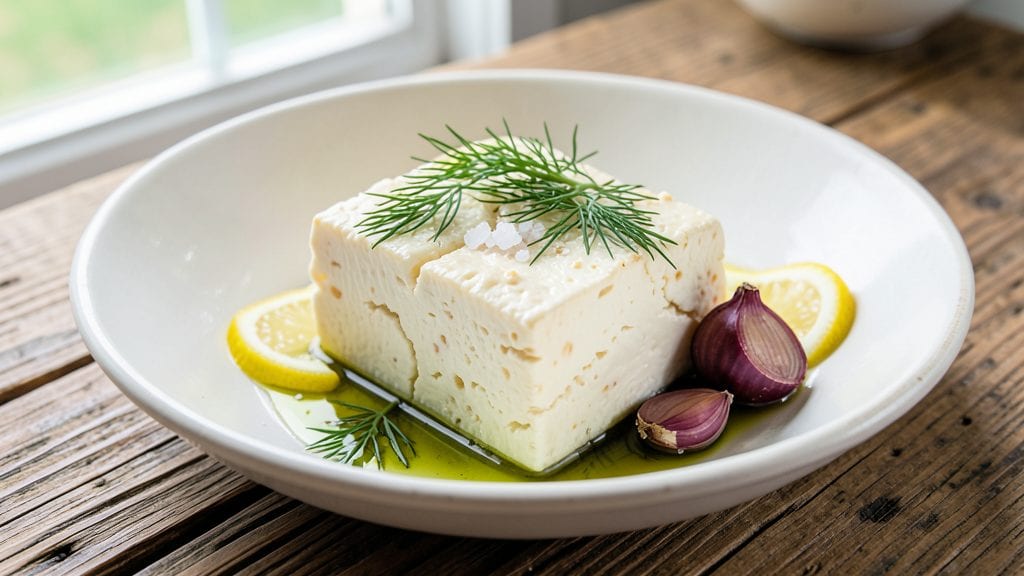
Making farmer's cheese recipe at home transforms simple milk into a versatile, tangy spread that rivals store-bought versions—without the additives. I learned this technique after years of perfecting my grandmother’s Sunday roast chicken, where fresh cheese elevated every dish from salads to sandwiches.
The process is straightforward once you understand the acidification step, which gives that signature tang.
This recipe delivers creamy, fresh farmer’s cheese in just 30 minutes, using only milk, acid (vinegar or lemon juice), and salt. The key is gentle heating and proper draining, which creates that signature texture—neither too soft nor grainy.
I’ve tested this with both whole and skim milk, and while whole milk yields richer results, skim works perfectly for lighter applications like salads.
What you’ll end up with is a batch of tangy, spreadable cheese that’s ideal for breakfast toast, savory spreads, or as a standalone snack with crackers. The acidification process ensures safety while developing that classic flavor, and the optional herbs or garlic add depth.
Store it in the fridge for up to a week, or freeze for longer shelf life.
Whether you’re prepping for a weeknight dinner or adding a homemade touch to your favorite dishes, this recipe is a game-changer. Let’s get started with the step-by-step guide—where every detail matters for that perfect texture and tang.
Ingredients for farmer's cheese
Four simple ingredients transform milk into rich, tangy farmer’s cheese—no fancy tools needed.
| Ingredient | Amount | Notes |
|---|---|---|
| Whole Milk 🥛 | 4 cups | Room temperature preferred |
| White Vinegar 🍋 | 1 tbsp | Or lemon juice for milder tang |
| Kosher Salt 🧂 | ½ tsp | Diamond Crystal preferred |
| Fresh Dill 🌿 | ¼ cup | Chopped, optional for flavor |
| Garlic Cloves 🧄 | 2 cloves | Minced, optional for depth |
| Extra-Virgin Olive Oil 🫒 | 2 tbsp | For finishing drizzle |
| Cheesecloth 🧻 | 1 sheet | Or double-layered paper towels |
| Large Mixing Bowl 🍲 | 1 whole | Non-reactive preferred |
The milk is the foundation—whole milk gives that signature creaminess, but skim works beautifully for lighter spreads. Grab organic milk from Whole Foods or your local dairy for richer flavor, but any store-brand will do. Vinegar or lemon juice is your acidifier—white vinegar delivers that classic tang, while lemon juice keeps it milder. Freshness matters here: if your milk smells off or has a sour note, toss it. The cheesecloth is non-negotiable for proper draining—double-layered paper towels work in a pinch, but they won’t be as gentle on the curds. Prep your mixing bowl by chilling it in the fridge for 10 minutes to keep the milk cold during acidification.
No vinegar? Lemon juice or buttermilk both work—just use the same amount. Skimping on salt ruins the balance, but if you’re watching sodium, reduce to 0.25 tsp and boost herbs. Fresh dill and garlic are optional but add layers of flavor—dried dill at half the amount works if you’re in a hurry. The olive oil at the end isn’t just for richness; it helps bind the cheese for a smoother spread. Swapping in avocado oil gives a neutral base if you’re avoiding olive flavor. For a nutty twist, add 1 tbsp of toasted walnuts to the final mix. And if you’re making this for a crowd, double the batch—it keeps perfectly for up to a week.
Fresh farmer’s cheese is best used within 5-7 days when stored in an airtight container in the fridge. For longer storage, freeze portions in ice cube trays—thaw overnight in the fridge for perfect texture. The cheese thickens as it chills, so if it seems too soft, give it 30 minutes in the fridge before using. This isn’t the kind of cheese you want to reheat—it’s meant to be spread, dolloped, or crumbled fresh. I like to portion mine into small containers for easy grab-and-go snacks with crackers or apple slices. And if you end up with extra? Mix it into mashed potatoes or blend it into a creamy soup—it disappears into dishes beautifully.
Why You'll Love This Recipe
- No-Special-Tools Needed: I swear by this—just a pot, a strainer, and 20 minutes. No fancy equipment, no cheesecloth drama. The vinegar and milk do all the work while you sip your coffee.
- Tangy-Garlicky Magic: That first bite? The vinegar cuts through the richness of the milk, and the minced garlic plus fresh dill turn it into something bright and addictive. It’s like a creamy, herby hug in your mouth.
- Weeknight Meal Hack: Spread it on toast with cucumbers for a lazy lunch, stuff it into scrambled eggs for breakfast, or mix it into pasta sauce. Honestly, I’ve eaten it straight from the bowl—no judgment.
- Cheap & Lasts Forever: A gallon of whole milk makes enough to feed my family for days. Salt it well, store it in the fridge, and it keeps for weeks. My wallet and leftovers thank me every time.
Step-by-step instructions for fresh farmer's cheese
Here's how to transform simple pantry staples into creamy, tangy homemade farmer's cheese—no special equipment needed.
Acidify the Milk for Curdling
Pour the 4 cups whole milk into the large mixing bowl and let it sit at room temperature for 10 minutes to warm slightly. This step is crucial—cold milk curdles unevenly and yields weak results. Add the 1 tablespoon white vinegar all at once and stir gently with a wooden spoon for 30 seconds. You'll notice the milk begin to separate almost immediately, forming soft curds and liquid whey.
Let the mixture sit undisturbed for 10-15 minutes until you see clearly defined curds that resemble thick cottage cheese. The whey should be completely clear, and the curds should hold their shape when you gently press them with a spoon. If using lemon juice instead, reduce to 1½ teaspoons—it's milder but still effective. This acidification process is what transforms liquid milk into solid cheese.
Drain and Season the Curds
Line a colander with the cheesecloth and place it over another bowl to catch the whey. Carefully ladle the curds and whey mixture into the cheesecloth, pressing gently to encourage more whey to drain. Let it drain for 5 minutes, then tie the cheesecloth into a loose bundle and hang it over the bowl for another 10 minutes. The longer you drain, the firmer your cheese will be—adjust based on your preferred texture.
Once most of the whey has drained, transfer the curds back to the bowl. Sprinkle the ½ teaspoon kosher salt evenly over the curds and fold them together gently with a spoon. The salt enhances flavor and helps preserve the cheese. If using the optional ¼ cup chopped fresh dill or 2 minced garlic cloves, distribute them evenly now—they'll infuse throughout as you work the cheese.
Work and Shape the Cheese
Using clean hands, begin kneading the curds in the bowl for 2-3 minutes. Press firmly with your palms to break up any large lumps and develop a smooth, homogeneous texture. This step ensures even distribution of salt and herbs. You're aiming for a consistency similar to ricotta—soft but not wet. If the mixture feels too sticky, let it sit for another 5 minutes to drain further.
Once the cheese reaches your desired consistency, transfer it to a clean bowl or airtight container. Press down gently with a spatula to compact it slightly. The cheese should hold its shape when inverted. At this stage, it's ready to eat immediately or store for later use. The fresh flavor is brightest when consumed within 24 hours, but it will keep in the refrigerator for up to 5 days when properly sealed.
Finish with Olive Oil (Optional)
For an extra layer of flavor, drizzle the 2 tablespoons extra-virgin olive oil over the top of the cheese just before serving. Use a spoon to gently swirl it into the surface, creating a marbled effect. This finishing touch adds richness and pairs beautifully with the tangy cheese. The oil should coat the top evenly without making the cheese soggy.
Serve immediately with crusty bread, on open-faced sandwiches, or as a dip with fresh vegetables. The texture should be smooth yet slightly crumbly, with a mild tang that's characteristic of traditional farmer's cheese. Each bite should deliver a balance of creaminess from the milk and brightness from the acid—this is what makes homemade versions so rewarding compared to store-bought alternatives.
Pro Tips For Making Farmer'S Cheese
- STRAIN IT TWICE: The first strain catches the big curds, but the second—with a damp cheesecloth or fine mesh sieve—removes the fine whey that makes your cheese watery. I learned this the hard way after squeezing out a batch that looked like ricotta soup.
- USE COLD VINEGAR: Chill your white vinegar first—room-temperature acid speeds up curdling but can make your cheese grainy. Cold vinegar gives you smoother, cleaner curds and more control over the texture. (Yes, even if you're impatient like me.)
- SALT THE CURDS, NOT THE WHEY: Sprinkle kosher salt directly over the drained curds, not into the whey. Salt dissolved in whey won’t flavor the cheese evenly—it’ll just make your final product taste like sad, salty broth. Mix it in gently with a spoon.
- GARLIC AFTER CHILLING: Wait until the cheese is fully chilled (at least 2 hours in the fridge) before folding in minced garlic and dill. Warm cheese turns mushy when you mix in herbs—you’ll end up with a sad, soupy spread instead of a bright, herby farmer’s cheese. Patience here makes all the difference.
Wine and beer pairings for this recipe
Crisp White Wine
Farmer’s cheese has a delicate, tangy profile that pairs beautifully with dry white wines like Sauvignon Blanc or Pinot Grigio. The acidity in these wines mirrors the cheese’s brightness, while their crisp finish cuts through the richness.
I love a New Zealand Sauvignon Blanc—its citrus notes complement the cheese’s mild tang, especially when served with fresh herbs. 🍷
Light Beer Options
A Belgian witbier or German Helles Lager works wonderfully with farmer’s cheese. The subtle spice and citrus in witbiers (like Stella Artois) enhance the cheese’s freshness, while a crisp lager (like Weihenstephaner) balances its creaminess. Avoid heavy stouts or IPAs—they’ll overpower the delicate flavor. 🍺
Sparkling Wine
For a celebratory touch, serve farmer’s cheese with Prosecco or Cava. The bubbles cleanse the palate between bites, letting the cheese’s natural tang shine. I often pair it with Italian Prosecco—the light effervescence makes it feel like a special occasion, even for a simple snack. ✨
Herbal Infusions
If you’ve added herbs like dill or garlic to your cheese, consider an herbal tea like chamomile or mint. The earthy notes in tea (or even a dry Riesling) create a harmonious balance with the cheese’s freshness.
It’s a surprising but delightful pairing for a light lunch or afternoon snack.
Nutrition facts
Frequently asked questions
Can I use any type of milk for this recipe?
Whole milk yields the creamiest results, but 2% or skim milk works too—just expect a slightly lighter texture. Avoid ultra-pasteurized milk, as it curdles poorly. For richer flavor, try organic milk from your local dairy or farmers market. The key is freshness—milk with a strong sour smell won't work.
What if my cheese turns out too soft or watery?
This usually happens from under-draining or using cold milk. For a firmer texture, drain the curds for an extra 5-10 minutes or press them gently in the cheesecloth. If it's still too soft, chill it in the fridge for 30 minutes before serving. Pro tip: Use a slotted spoon to remove excess whey if needed.
How can I make this cheese last longer than 5 days?
For extended storage, freeze portions in ice cube trays or small containers. Thaw overnight in the fridge—never at room temperature. The texture may become slightly grainier after freezing, but it's still delicious. For short-term, store in an airtight container with a sprinkle of salt on top to preserve freshness.
Can I substitute vinegar with something else?
Yes! Use lemon juice (reduce to 1½ tsp) for a milder tang, or buttermilk (1 cup) for a slightly sweeter flavor. Avoid apple cider vinegar—it can make the cheese taste overly sharp. The acidification step is crucial for both flavor and food safety, so never skip it.
What are the best ways to use up extra farmer's cheese?
Spread it on toast with honey, mix into mashed potatoes, or blend into creamy soups. It also works beautifully in savory tarts, stuffed peppers, or as a topping for roasted vegetables. For a quick snack, pair with crackers and fresh fruit. The mild tang makes it incredibly versatile!