Desserts
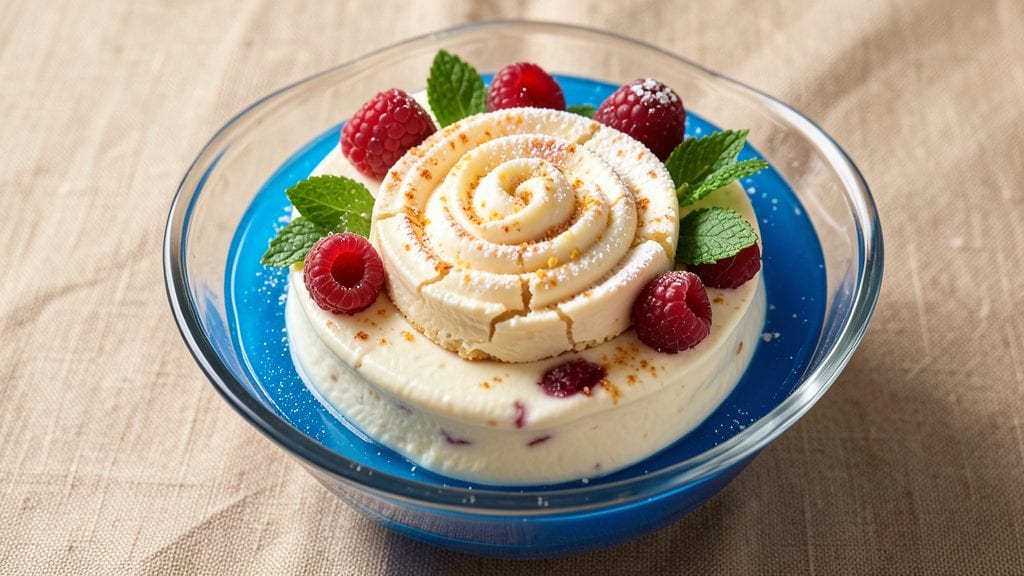
This cottage cheese cheesecake jello recipe transforms simple ingredients into a showstopping dessert that’s creamy, vibrant, and impossible to resist. The secret lies in balancing cottage cheese’s tang with jello’s firmness and cheesecake’s richness—each layer plays a role in creating a texture that’s both elegant and comforting.
I developed this after years of experimenting with no-bake desserts, and it’s now my go-to for gatherings where I want something impressive yet easy to serve.
The beauty of this recipe is its foolproof layers: a sturdy jello base, a velvety cottage cheese cheesecake filling, and a final jello topping that adds both color and structure. No baking required—just mix, layer, and chill.
The cottage cheese adds a subtle tang that cuts through the sweetness, while the jello provides that satisfying bounce. It’s the kind of dessert that looks like it took hours but comes together in under 30 minutes of active time.
What you’ll end up with is a dessert that’s visually stunning—think jewel-toned jello layers framing a luscious cheesecake center—and perfectly refreshing for summer or a cozy treat any time of year.
The combination of textures is what makes it unforgettable: the slight chew of the jello, the softness of the cheesecake, and the creamy finish from the cottage cheese. This is dessert that feels like a hug in every bite.
Serve it chilled for at least 4 hours to let the layers set properly, and garnish with fresh berries or a drizzle of caramel for extra flair. It’s the perfect make-ahead dessert for parties, potlucks, or when you just want something special without the fuss. Let’s get started!
Ingredients for cottage cheese cheesecake jello
Eight ingredients create this layered dessert magic—creamy, colorful, and effortless.
| Ingredient | Amount | Notes |
|---|---|---|
| Large Eggs 🥚 | 4 whole | Room temperature for blending |
| Granulated Sugar 🍚 | 1 ½ cups | White or light brown |
| Cottage Cheese 🧀 | 2 cups | Full-fat, drained overnight |
| Unsalted Butter 🧈 | ½ cup | Softened, not melted |
| Unflavored Gelatin Powder 🍬 | 2 tbsp | Or 2 envelopes (2.5g each) |
| Blue Gelatin Powder 🔵 | 2 tbsp | Or 2 envelopes (2.5g each) |
| Vanilla Extract 🌿 | 1 tbsp | Pure, not imitation |
| Heavy Cream 🥛 | ½ cup | Cold, for topping |
| Fresh Strawberries 🍓 | 1 lb | Hulled, for garnish |
| Lemon Juice 🍋 | 1 tbsp | Freshly squeezed |
| Salt 🧂 | ¼ tsp | Fine sea salt |
| Heavy Whipping Cream 🥛 | 1 cup | Chilled, for topping |
| Powdered Sugar 🍚 | ¼ cup | For dusting |
The gelatin is the backbone here. Knox brand is my go-to—it dissolves perfectly without graininess. Grab the powdered kind, not the sheet variety. The cottage cheese needs to be full-fat (none of that 2% nonsense) and drained overnight in a colander lined with cheesecloth. This removes excess moisture for that perfect silky texture. Strawberries? Local farmers markets have the best in season, but grocery store ones work fine—just pick firm ones that smell sweet. The butter should be softened to room temp, not melted, so it blends smoothly into the filling.
No blue gelatin? Green or raspberry works too—just adjust the color intensity by adding more or less. Running short on strawberries? Freeze some now for garnish later, or use blueberries. The vanilla extract matters here—Nielsen-Massey or McCormick are solid choices, but skip the imitation stuff. Heavy cream needs to be cold straight from the fridge when whipping the topping, or it won't hold its shape. For the sugar, I always use Domino brand powdered sugar—it's finer and dissolves better than store brands.
This dessert is all about patience—4 hours minimum in the fridge before slicing, or it'll be too soft. Store leftovers covered for 3 days in the fridge, though honestly it's best fresh. The gelatin layers keep well, but the cottage cheese filling might separate slightly after day 2. If you're making this ahead for a party, assemble the layers 24 hours early—it just gets better with time. The strawberries on top? Add them right before serving so they stay vibrant.
Why You'll Love This Recipe
- No-Fuss Mixing: I swear by this recipe because it’s basically a whisk-and-wait situation. The gelatin dissolves in hot water while I beat eggs and sugar—no melting butter over a double boiler, no straining curds. Cottage cheese blends right in, and the whole thing sets like magic.
- Silky Smooth Texture: That creamy, almost mousse-like finish? Pure genius. The gelatin gives it structure without graininess, and the butter keeps it rich without being heavy. It’s the kind of dessert that feels fancy but tastes like comfort.
- Party Hack Ready: Between us, this is my secret weapon for potlucks and last-minute gatherings. It’s light enough to serve in summer, sturdy enough for a buffet, and the flavor’s so neutral it takes toppings (berries, caramel, whatever) like a champ.
- Pantry Powerhouse: Honestly, I keep this recipe in my back pocket for when I’m low on eggs or butter. Cottage cheese stretches the budget, and gelatin turns basic ingredients into something special. Plus, it keeps for days—no sad, soggy leftovers here.
Step-by-step instructions for cottage cheese cheesecake jello
This layered dessert combines creamy cottage cheese cheesecake with vibrant blue jello for a showstopping texture contrast.
Prepare the Cottage Cheese Cheesecake Layer
In a large mixing bowl, combine the 2 cups cottage cheese, 1.5 cups granulated sugar, 4 whole large eggs (room temperature), 0.5 cup softened unsalted butter, 1 tbsp vanilla extract, and 0.25 tsp salt. Use an electric mixer on medium speed until smooth and fully blended—this ensures a silky texture without lumps. The mixture should be thick but pourable, similar to heavy cream.
Pour the batter into an 8-inch springform pan lined with parchment paper. Tap the pan gently on the counter to release any air bubbles trapped in the batter. This prevents cracks during baking. Bake at 325°F for 50-55 minutes until the center is just set—it should still have a slight wobble, as overbaking makes it dense.
Create the Blue Jello Layer
While the cheesecake bakes, dissolve the 2 tbsp blue gelatin powder in 1 cup cold water in a small bowl. Stir vigorously for 2 minutes until fully incorporated—no clumps should remain. Then, heat 1 cup boiling water separately and slowly pour it into the gelatin mixture while whisking continuously. This prevents the gelatin from seizing up.
Add 1 tbsp lemon juice and stir until the mixture is smooth and vibrant blue. Pour this layer over the partially baked cheesecake while it's still warm. Let it cool completely at room temperature, then refrigerate for at least 4 hours (or overnight) to fully set. The blue layer should be firm but still slightly yielding when pressed.
Assemble the Final Layers
Once the cheesecake and jello layers are fully set, prepare the strawberry topping. Hull and finely chop 1 lb fresh strawberries, then toss them with 0.25 cup powdered sugar and 1 tbsp lemon juice. Let this mixture sit for 10 minutes to macerate—this extracts natural juices for a glossy, sweet-tart topping.
Gently spread the macerated strawberries evenly over the blue jello layer. In a chilled mixing bowl, whip the 1 cup heavy whipping cream until stiff peaks form. Fold in the 0.5 cup heavy cream (cold) and pipe or spread this cream mixture artistically over the strawberries. Dust the top with an additional 1 tbsp powdered sugar for a snowy finish.
Chill and Serve
Return the assembled dessert to the refrigerator for at least 2 hours before serving. This final chilling ensures all layers are perfectly set and the flavors meld together. To serve, run a knife around the edges of the springform pan to loosen the cake, then release the sides. The contrast of creamy cheesecake, cool blue jello, and fresh strawberries creates a visually stunning and texturally exciting dessert.
Slice carefully with a warm knife to achieve clean cuts through all layers. Serve immediately with a dollop of extra whipped cream if desired—this dessert is best enjoyed straight from the fridge for optimal texture and flavor balance.
Pro Tips For Making Cottage Cheese Cheesecake Jello
- Whisk Eggs Cold: Dump those eggs straight from the fridge into your bowl—no need to warm them first. I learned this the hard way when my first batch curdled from heat shock. Cold eggs blend smoother with cottage cheese and keep the texture lighter.
- Drain Cottage Cheese: Give that cottage cheese a quick drain before using it—even if the recipe doesn’t say so. Press it through a fine-mesh strainer or cheesecloth for 10 minutes to remove excess whey. Trust me, your jello layers will thank you for the thicker base.
- Bloom Gelatin Right: Sprinkle that gelatin powder over ice-cold water first, then let it sit for exactly 5 minutes before heating. I used to rush it and end up with clumps that ruined the silky texture. No shortcuts here—patience pays off.
- Butter First, Sugar Last: Melt the butter before adding sugar to the egg mixture—it emulsifies better that way. Then, fold in the sugar at the very end to keep the batter from getting gritty. I skip this step sometimes, and the texture suffers. Not worth it.
Essential equipment for cottage cheese cheesecake jello
Springform Pan
An 8-inch springform pan is essential for this recipe—it allows you to release the sides cleanly after chilling. I recommend the Nordic Ware Natural Aluminum pan because it distributes heat evenly and prevents sticking. The removable sides make serving a breeze, especially when you want to showcase the layered dessert.
If you don’t have one, a deep 8-inch cake pan works too, but you’ll need to run a knife around the edges before releasing.
Electric Mixer
A handheld or stand mixer is a game-changer for blending the cottage cheese filling smoothly. I use my KitchenAid Artisan Series on medium speed to avoid overmixing, which can make the texture grainy.
If you’re mixing by hand, be prepared for a workout—this batter is thick! A whisk won’t cut it here; the mixer ensures no lumps remain, giving you that silky, restaurant-quality finish.
Gelatin Dissolver Tools
For the jello layers, you’ll need a small mixing bowl and a whisk to dissolve the gelatin powder completely. I also recommend a fine-mesh strainer to filter out any stubborn clumps if they form.
The key is dissolving the gelatin in cold water first, then adding hot water to activate it—this prevents graininess. A measuring spoon for the powder is a must; Knox brand gelatin is my go-to because it’s consistent and easy to work with.
Parchment Paper
Line your springform pan with parchment paper to prevent the cheesecake from sticking and make removal effortless. Cut a circle slightly larger than the pan’s bottom, press it gently into the edges, and trim any excess.
This step is non-negotiable—without it, the dessert might tear when you release the sides. I keep a roll of Reynolds Non-Stick Parchment Paper in my kitchen for this exact purpose.
Fine-Mesh Sieve
A fine-mesh sieve is perfect for dusting the top with powdered sugar and for straining any fruit toppings like strawberries. If you don’t have one, a cheesecloth works in a pinch for draining excess moisture from the cottage cheese.
For the strawberry topping, I strain the macerated fruit through the sieve to remove seeds, giving you a smooth, elegant finish. A stainless steel sieve is durable and easy to clean—my go-to is the OXO Good Grips model.
Offset Spatula
An offset spatula is your best friend for spreading the jello layers evenly and smoothing the whipped cream topping. I use a 6-inch silicone offset spatula because it glides effortlessly over the layers without tearing them.
For the strawberry topping, a small rubber spatula helps spread the macerated fruit without crushing it. Keep one handy for achieving that flawless, professional finish.
Nutrition facts
Frequently asked questions
Why does this recipe use cottage cheese instead of cream cheese?
The cottage cheese creates a lighter, tangier texture that balances the sweetness perfectly while keeping the dessert airy. Unlike cream cheese, it blends smoothly without adding heaviness, and its natural moisture helps create that signature creamy consistency. The acidity also cuts through the richness of the jello layers for a more refreshing finish.
Can I make this dessert ahead of time?
This is one of its biggest advantages. Assemble all layers (except toppings) up to 24 hours ahead and refrigerate. Add fresh strawberries and whipped cream just before serving to keep them vibrant. The flavors actually meld better with time, making it perfect for make-ahead desserts.
What if my jello layer doesn't set properly?
This usually happens if the gelatin wasn't dissolved completely or if the mixture was disturbed while setting. Always stir the gelatin vigorously in cold water first, then whisk in hot water. Let it cool undisturbed at room temperature for 10 minutes before refrigerating. If it's still too soft, return it to the fridge for 1-2 extra hours.
Can I substitute regular gelatin for the blue gelatin?
Yes, but your dessert will lose the vibrant blue color. Use green or raspberry gelatin instead for a different hue, or stick with unflavored gelatin and add a few drops of food coloring if you want color without the flavor. The texture will be identical—just the visual appeal changes.
How do I prevent the cottage cheese layer from cracking?
Cracking happens when the cheesecake cools too quickly or if air bubbles form during baking. Always tap the pan gently on the counter before baking to release air bubbles, and bake at 325°F (not higher) for even cooking. For extra insurance, chill the baked cheesecake for 10 minutes before adding the jello layer.