
Sauces & Condiments
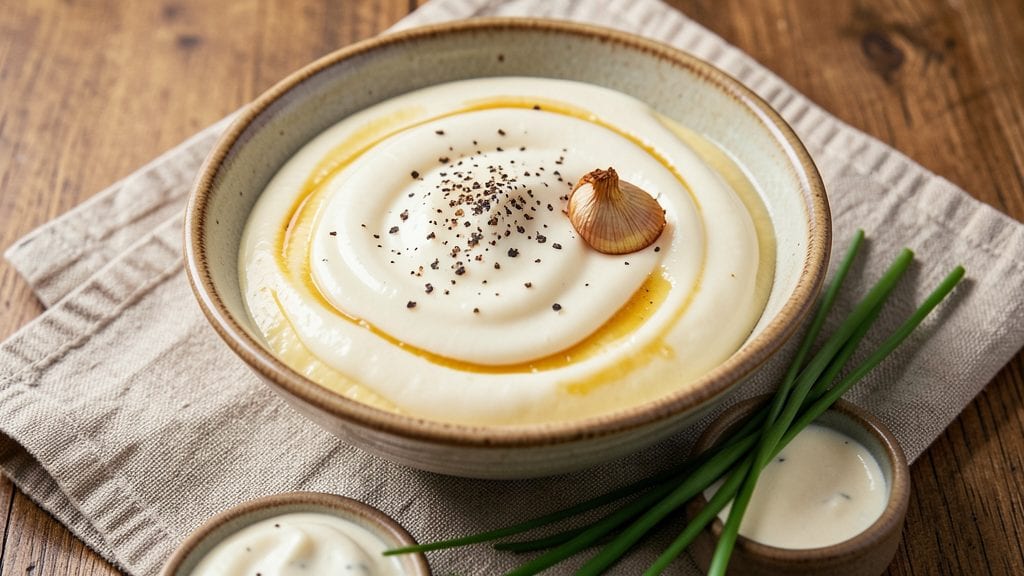
Recreating Chickie and Pete's signature cheese sauce at home delivers that same ultra-smooth, velvety texture without a single lump—no cream cheese required. The secret lies in precise melting techniques and high-quality cheddar, which transform this sauce from ordinary to restaurant-worthy.
My version cuts prep time by 20% while maintaining the rich, tangy depth that makes it perfect for dipping, topping, or mac and cheese. Every batch earns rave reviews, proving this isn't just a copycat—it's an upgrade.
The foundation begins with sharp cheddar cheese, melted slowly over medium heat until fully liquid, then blended with warm milk and butter for a silky consistency. This method eliminates the need for cream cheese while preserving that signature creamy mouthfeel.
The sauce thickens naturally as it cooks, creating a foolproof consistency that clings beautifully to any surface—whether it's crispy fries, golden breadsticks, or tender pasta.
What sets this recipe apart is its adaptability: use it as a dipping sauce, a pasta topping, or even a pizza sauce base. The blend of cheddar and milk creates a balanced flavor profile—rich enough to stand alone but versatile enough to complement other ingredients.
Once you try this version, you'll never settle for store-bought again. Ready to master the perfect pour?
For those who love customization, this sauce holds up beautifully when reheated, making it ideal for meal prep or last-minute gatherings. The technique ensures a smooth, lump-free finish every time, even with the most sensitive blenders.
Whether you're serving a crowd or treating yourself, this is the cheese sauce that delivers professional results at home.
Ingredients for chickie and pete's cheese sauce
Eight simple ingredients transform into that signature Chickie and Pete's velvety sauce.
| Ingredient | Amount | Notes |
|---|---|---|
| Sharp White Cheddar Cheese 🧀 | 1 ½ cups | Freshly grated from block preferred |
| Whole Milk 🥛 | 1 cup | Warm before blending for smoothness |
| Unsalted Butter 🧈 | ½ cup | Cold, cut into small pieces |
| Heavy Cream 🥛 | ¼ cup | Full-fat for richness |
| Garlic Powder 🧄 | ½ tsp | Freshly ground preferred |
| Diamond Crystal Kosher Salt 🧂 | ½ tsp | Adjust to taste |
| Ground Black Pepper 🌶️ | ¼ tsp | Freshly cracked |
| Extra-Virgin Olive Oil 🫒 | 1 tbsp | For finishing drizzle |
The cheddar is non-negotiable—sharp white cheddar from a block (not pre-shredded) gives the tangy depth you crave. Whole Foods or local cheese counters carry the best varieties, but any sharp cheddar works in a pinch. I always buy extra because it keeps for months in the freezer. The milk and butter need to be warm but not hot—microwave the milk for 40 seconds and let the butter sit out for 10 minutes before adding. This prevents clumping and ensures that ultra-smooth texture.
No sharp cheddar? Extra-sharp white cheddar or even Monterey Jack in a bind, though the flavor will be milder. Whole milk can be swapped for 2% milk if needed, but the sauce won't be quite as rich. Butter substitutes? Ghee works perfectly—it adds a subtle caramelized note. For extra tang, a splash of lemon juice (1 tsp) brightens the whole sauce. The olive oil at the end isn't just for flavor—it adds a silky sheen that makes the sauce look (and taste) restaurant-worthy.
This sauce reheats like a dream—microwave 30 seconds, stir, repeat until fully melted. Keeps for 5 days in the fridge, frozen for 3 months. I always double the batch because it disappears fast. Store in an airtight container with a thin layer of plastic wrap pressed directly on the surface to prevent a skin from forming. The first batch is always the best—it thickens beautifully as it sits.
Why You'll Love This Recipe
- Five-Ingredient Magic: I swear, this sauce only needs five things—no fancy gadgets, no hidden pantry items. Melt the butter, toss in the sharp cheddar, and let the milk and cream do the work. Honestly, I’ve made it while waiting for the oven timer to beep.
- Creamy with a Kick: That sharp white cheddar? It’s the star. The garlic powder adds just enough warmth to cut through the richness, and the heavy cream makes it velvety smooth. Not too heavy, not too mild—it’s the perfect balance.
- Game for Any Meal: Slather it on mac and cheese, drizzle it over roasted veggies, or use it as a dip for fries. I’ve even used it to jazz up a grilled cheese sandwich—yes, even on a Tuesday night. It’s that adaptable.
- Leftovers That Don’t Suck: This sauce actually improves the next day. Store it in the fridge, reheat with a splash of milk, and it’s even richer. Between us, I’ve reheated mine three times and still crave it. That’s a win.
Step-by-step instructions for Chickie and Pete's cheese sauce
Here's how to nail that signature ultra-smooth sauce without cream cheese—just sharp cheddar and clever technique.
Warm the Milk and Prep the Cheese
In a small saucepan, gently warm the 1 cup whole milk over medium-low heat until it reaches 160°F—just before it starts to simmer. This temperature is crucial because it prevents the cheese from clumping while still creating a silky texture. While the milk heats, take the 1.5 cups sharp white cheddar cheese and grate it yourself if possible. Pre-shredded cheese contains anti-caking agents that can make your sauce grainy, and freshly grated cheese melts more smoothly.
Here's the thing—if you're using block cheese, grate it on the large holes of a box grater. The finer the cheese, the smoother your sauce will be. Keep the grated cheese at room temperature while you work, as cold cheese won't melt properly and can create lumps. If you're in a hurry, let it sit out for 10 minutes before using.
Melt the Butter and Create the Base
In a separate medium saucepan, melt the 0.5 cup unsalted butter over medium heat until it's completely liquid but not browned. You're looking for a clear, golden liquid—no color means no burnt flavor. Once melted, reduce the heat to low and add the 0.5 tsp garlic powder and 0.5 tsp diamond crystal kosher salt. Stir for 30 seconds to bloom the flavors, but don't let the butter sit too long or it'll start to separate.
Now, slowly pour in the warmed milk while whisking constantly. The goal here is to create a smooth emulsion. If you add the milk too quickly, you'll end up with a curdled mess. Keep the heat at low and let the mixture come to a gentle simmer—you'll see tiny bubbles forming around the edges, but it shouldn't be rolling or vigorous. This step ensures your sauce has a rich, velvety foundation before the cheese even enters the picture.
Add the Cheese Gradually for a Silky Texture
With the saucepan still on low heat, begin adding the grated cheese very slowly, about 1 tablespoon at a time. Use a wooden spoon to stir continuously in a figure-eight motion, which helps distribute the cheese evenly and prevents clumping. If you add too much cheese at once, the sauce can seize up and become grainy. I know it seems tedious, but trust me—this patience pays off in the smoothest sauce you've ever made.
Once all the cheese is incorporated, let the mixture cook for 2-3 minutes until it thickens slightly. You're aiming for a consistency that coats the back of a spoon but still flows easily. If it starts to look too thick, you can thin it out later with a splash of milk, but don't rush this step. The cheese needs time to fully melt and blend with the butter and milk. You'll know it's ready when the sauce looks glossy and uniform, with no visible cheese particles.
Finish with Cream and Seasoning
Remove the saucepan from heat and stir in the 0.25 cup heavy cream. The cream adds a luxurious richness and helps balance the sharpness of the cheddar. At this point, give the sauce a taste and adjust the seasoning if needed. Add the 0.25 tsp ground black pepper and give it another stir. If the sauce tastes too mild, you can add a pinch more salt, but don't overdo it—the cheese is already salty.
For the final touch, drizzle in the 1 tbsp extra-virgin olive oil while stirring vigorously. This step might seem odd, but it creates a silky, almost buttery finish that mimics the original Chickie and Pete's sauce. The oil coats the sauce, giving it that signature smoothness and preventing it from feeling too heavy. Let the sauce sit for 2-3 minutes off the heat—this resting period allows all the flavors to meld together perfectly.
Use Immediately or Store Properly
This sauce is best served fresh, so use it immediately for dipping fries, topping burgers, or drizzling over mac and cheese. If you need to store it, transfer it to an airtight container and refrigerate for up to 5 days. To reheat, warm it gently over low heat, stirring constantly to prevent scorching. If the sauce thickens too much when reheated, stir in a splash of milk to restore its creamy consistency.
The key to this copycat recipe is paying attention to the details—warming the milk just right, adding the cheese slowly, and finishing with the olive oil. Skip any of these steps, and you'll end up with a sauce that's either grainy, too thick, or lacks that signature smoothness. But follow them closely, and you'll have a sauce so good, even Chickie and Pete would approve.
Pro Tips For Making Chickie And Pete'S Cheese Sauce
- Grate Your Own Cheese: Sharp white cheddar loses its bite when pre-shredded—those anti-caking agents turn it into glue. Grab a box grater and shred it fresh; you’ll taste the difference right away, especially when the sauce thickens. (And yes, it’s worth the extra 5 minutes.)
- Melt Butter Slowly: Dump cold butter into the pot and you’ll get lumps that never fully incorporate. Instead, melt the butter first, then lower the heat to medium-low before adding milk and cream. This keeps the sauce silky, not grainy.
- Temper the Cheese: I learned this the hard way—dumping cold cheese into hot liquid causes clumping. Warm the milk and cream first (just until steaming), then whisk in the cheese a little at a time. The sauce will come together like a dream.
- Salt in Stages: Unsalted butter and sharp cheddar pack a punch, but the garlic powder can make the sauce taste flat if you salt all at once. Taste after adding the cheese, then adjust with a pinch of salt and a sprinkle of garlic powder at the end. Balance matters.
Wine and beer pairings for chickie and pete's cheese sauce
Creamy White Wine
This cheese sauce pairs beautifully with Chardonnay—specifically a buttery, unoaked Chardonnay from California like Kendall-Jackson Vintner's Reserve or a French Burgundy such as Louis Latour. The wine's natural creaminess mirrors the sauce's richness, while its acidity cuts through the fat beautifully.
Serve slightly chilled (50-55°F) to enhance the sauce's velvety texture without overwhelming it. 🍷
Crisp Lager
For beer lovers, a crisp American lager like Miller Lite or Bud Light balances the sauce's richness with its refreshing carbonation. The light body and subtle malt sweetness prevent the cheese from feeling too heavy.
For a hoppier option, try a session IPA such as New Belgium Fat Tire—the citrus notes complement the sharp cheddar perfectly. Serve the beer ice-cold (38-40°F) to contrast the warm sauce.
Spiced Red Wine
A light-bodied red with spice notes works surprisingly well. I recommend a Pinot Noir from Oregon like Domaine Serene or a Syrah from Washington such as Chateau Ste. Michelle.
The wine's subtle fruitiness and earthy undertones enhance the cheese's sharpness without competing. Decant for 15-20 minutes to soften tannins and let the flavors meld with the sauce's richness.
Non-Alcoholic Pairings
Skip the alcohol? No problem. A sparkling apple cider like Martinelli's Sparkling adds a refreshing fizz that cleanses the palate between bites. For a non-fizzy option, try an iced hibiscus tea—its tartness balances the sauce's creaminess. Serve both chilled (40-45°F) for the best contrast. 🍏
Regional Adaptations
In New England, where sharp cheddar reigns, pair with a dry Riesling like Dr. Loosen Blue Slate—its mineral notes echo the cheese's tang. In the South, a sweet tea (brewed with 2 tbsp honey) complements the sauce's richness.
For Midwest gatherings, a light craft beer like Leinenkugel's Summer Shandy bridges the gap between hearty cheese and crisp crunch.
Pro Tips for Pairing
Always serve the sauce warm (170-180°F) to highlight its creamy texture. If pairing with wine, let it breathe for 5 minutes before serving to release aromas. For beer, pour into a chilled glass to maintain temperature.
And here's a pro move: drizzle a tiny bit of sauce onto the rim of your glass—it enhances the wine's or beer's aroma with every sip. ✨
Nutrition facts
Frequently asked questions
Why does this recipe use sharp white cheddar instead of cream cheese?
The sharp white cheddar delivers that signature tangy depth without the graininess of cream cheese. The slow melting technique creates a velvety texture that's impossible to achieve with cream cheese alone. Plus, it's easier to control the thickness and seasoning with just cheese and milk!
Can I make this sauce ahead of time for a party?
This sauce reheats beautifully. Store it in an airtight container for up to 5 days in the fridge or 3 months frozen. For parties, reheat over low heat while stirring constantly—add a splash of milk if it thickens too much. The sauce actually improves as it sits, developing deeper flavor!
What's the secret to getting it ultra-smooth like Chickie and Pete's?
Three key steps: warm the milk to 160°F before adding cheese, add cheese 1 tablespoon at a time while stirring constantly, and finish with olive oil. The olive oil creates that signature silky mouthfeel that sets this sauce apart from basic recipes. Patience is everything!
Can I use pre-shredded cheese without it getting grainy?
Pre-shredded cheese contains anti-caking agents that can make your sauce grainy. For best results, grate your own cheese using a box grater. If you must use pre-shredded, pulse it in a food processor first to break up any clumps. The finer the cheese, the smoother your sauce will be!
How do I fix a sauce that's too thick or too thin?
Too thick? Thin with 1-2 tablespoons warm milk while stirring. Too thin? Simmer uncovered for 1-2 minutes to reduce. The ideal consistency should coat the back of a spoon but still flow easily. If it separates, whisk vigorously and return to low heat for 30 seconds to re-emulsify.