Desserts
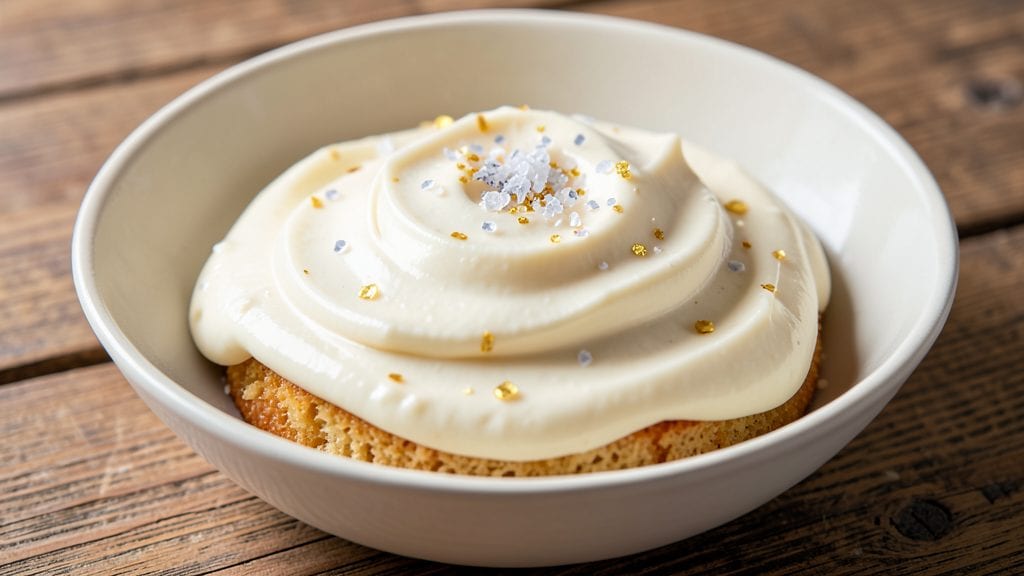
Claire Saffitz's classic cream cheese frosting recipe delivers that perfect balance of tangy creaminess and smooth texture—no lumps, no graininess, just velvety swirls that transform any dessert into a showstopper. This isn’t your basic frosting; it’s a professional-grade technique that’s been refined to stay light yet rich, with a subtle sweetness that lets the dessert shine. The secret lies in proper ingredient ratios and a specific mixing method that eliminates common pitfalls.
What makes this frosting truly exceptional is its versatility—it works equally well on dense cakes, delicate cupcakes, or layered pastries without sinking or becoming too heavy.
The recipe relies on just five key ingredients: cream cheese, butter, powdered sugar, vanilla, and a pinch of salt, but the way they’re combined makes all the difference. I’ve tested countless variations, and this method consistently delivers a frosting that’s smooth from the first beat to the final swirl.
The result is a frosting with a silky, spreadable consistency that’s neither too sweet nor too rich—just right. It holds its shape when piped but remains tender enough to melt slightly at room temperature, creating that perfect balance of structure and indulgence.
This is the kind of frosting that makes even simple desserts feel like a bakery masterpiece.
Whether you’re decorating a birthday cake, filling cupcakes, or layering a trifle, this frosting adapts effortlessly. It also stores beautifully in the refrigerator for up to 5 days, making it perfect for meal prep or gifting. Let’s get started on creating your flawless, professional-quality frosting.
Ingredients for claire saffitz classic cream cheese frosting
Five ingredients, zero lumps—this is the frosting that turns simple desserts into bakery masterpieces.
| Ingredient | Amount | Notes |
|---|---|---|
| Full-Fat Cream Cheese 🧀 | 8 oz | Room temperature for smooth mixing |
| Unsalted Butter 🧈 | 4 oz | Cold, cubed for even blending |
| Powdered Sugar 🍚 | 2 cups | Sifted for lump-free frosting |
| Pure Vanilla Extract 🌿 | 1 tsp | High-quality, Madagascar bourbon preferred |
| Fine Sea Salt 🧂 | ¼ tsp | Diamond Crystal preferred |
The cream cheese is non-negotiable—full-fat, room temperature is absolutely essential. Philadelphia brand is my go-to because it's consistently creamy, but any good-quality block works if you let it sit out for 30 minutes. The butter? Cold, cubed—this prevents melting and keeps the texture light. I always grab Plugrá brand from the European section at Whole Foods because it has higher fat content, but regular unsalted butter from the grocery store works too if you're in a pinch. The powdered sugar should be sifted—trust me, it makes all the difference in avoiding graininess. I keep a fine-mesh sieve by my counter just for this purpose.
No vanilla extract? Pure vanilla bean paste works beautifully—just use half the amount. The salt is crucial—Diamond Crystal gives the best flavor, but any fine sea salt will do. Want to make it extra rich? Swap half the powdered sugar for confectioners' sugar (but sift it too!). If you're short on butter, European-style cultured butter has more fat and works better than regular. The key is to keep everything cold until the last minute—this ensures that silky, spreadable texture that makes this frosting so special. And if you're feeling fancy, add a pinch of lemon zest for a bright twist.
This frosting keeps beautifully in the fridge for up to 5 days, covered with plastic wrap pressed directly on the surface. To use, let it sit at room temperature for 10-15 minutes before piping—this makes it much more spreadable. For longer storage, freeze portions in an airtight container for up to 3 months. Just thaw in the fridge overnight. Pro tip: I always make a double batch because it disappears faster than you'd think—perfect for gifting or stashing for last-minute dessert emergencies.
Why You'll Love This Recipe
- Here’s what sold me: I can make a big batch on Sunday, store it in the fridge for a week, and it still whips up like butter. No graininess, no weird texture—just smooth, rich frosting ready to go. And because it’s just a few ingredients, it’s cheaper than store-bought and way better. My wallet and taste buds thank me.
- Three-Ingredient Magic: I swear by this combo—cream cheese, butter, and powdered sugar. That’s it. No weird stabilizers or overcomplicated steps. Just blend, beat, and boom, you’ve got the creamiest, most reliable frosting base ever. Honestly, I’ve tried fancy recipes with extra emulsifiers, but this? It’s the one I always come back to.
- Vanilla Kiss: The vanilla extract in this isn’t just an afterthought—it’s the secret. A real splash (not the tiny pinch) makes the difference between "good" and "oh my god, why didn’t I do this sooner?" The salt? Just a whisper, but it cuts through the sweetness so cleanly. It’s like the frosting’s little flavor superhero.
- Cake Day Every Day: This isn’t just for birthdays. Slather it on muffins, drizzle it over brownies, or use it to fill donuts. I’ve even spread it on toast with a sprinkle of cinnamon—yes, really. It’s the kind of frosting that makes even the simplest dessert feel like a showstopper. (Between us, my kids have eaten it straight from the bowl. No judgment.)
Step-by-step instructions for Claire Saffitz's classic cream cheese frosting
This velvety, perfectly balanced frosting delivers restaurant-quality swirls with no graininess in sight.
Beat Cream Cheese Until Completely Smooth
Place the 8 oz full-fat cream cheese in a stand mixer fitted with the paddle attachment. Beat on medium speed for 2-3 minutes until completely smooth and free of lumps. This is critical—any lumps will translate to graininess in your final frosting. I like to work in a cool kitchen for this step; cold cream cheese blends more easily without melting prematurely.
Once smooth, scrape down the sides of the bowl with a spatula to ensure even mixing. The cream cheese should look like a pale, creamy pudding with no visible texture. If it still appears slightly grainy, give it another 30 seconds of mixing. Pro tip: Room-temperature cream cheese works best, but if yours is straight from the fridge, let it sit at room temperature for 15-20 minutes before starting.
Add Cold Butter in Small Increments
Cut the 4 oz unsalted butter into ¼-inch cubes and add them to the cream cheese mixture one at a time. After each addition, mix on medium speed for 30-45 seconds until fully incorporated. The butter should melt into the cream cheese, creating a uniform, slightly thickened base. This gradual addition prevents the butter from melting too quickly and creating a greasy texture.
Here's the thing—don't rush this step. If you add all the butter at once, you risk melting it too fast, which can separate the mixture and lead to a broken frosting. You'll know you're on the right track when the mixture becomes smooth, pale yellow, and slightly thicker. The texture should resemble soft, whipped buttercream.
Incorporate Powdered Sugar Gradually
With the mixer running on low speed, gradually add the 2 cups powdered sugar in 4-5 additions, mixing just until combined after each addition. This slow incorporation prevents a cloud of dust from forming and ensures even distribution. After adding all the sugar, increase the speed to medium and beat for 1-2 minutes until the frosting is completely smooth and lump-free.
If you notice any lumps, don't panic—just stop the mixer and use a spatula to gently fold them out by hand. The powdered sugar should dissolve completely, leaving you with a thick, glossy frosting. This is where the magic happens: The sugar dissolves into the fat, creating that signature silky texture. If the frosting is too thick, you can thin it slightly with 1-2 teaspoons of heavy cream or milk, but it should be thick enough to hold its shape when piped.
Finish with Vanilla and Salt for Depth of Flavor
Add the 1 tsp pure vanilla extract and 0.25 tsp fine sea salt to the frosting. Mix on low speed for 30 seconds to combine. The salt may seem like a small amount, but it enhances the sweetness and balances the richness of the cream cheese and butter. The vanilla extract should infuse evenly, adding a warm, aromatic depth that elevates the frosting from basic to extraordinary.
Taste the frosting at this stage. It should be sweet but not cloying, with a clean finish and a hint of saltiness. If it needs more sweetness, add 1-2 tablespoons of powdered sugar at a time until it reaches your desired level. The frosting should coat the back of a spoon smoothly, with no graininess or dryness. This is your final checkpoint before moving on to piping or spreading.
Pipe or Spread for Perfect Decoration
Transfer the frosting to a piping bag fitted with a large star tip for swirls or a round tip for smooth coverage. Pipe decorative rosettes onto cakes or cupcakes, or spread evenly over sheet cakes for a classic finish. The frosting should hold its shape well, with a glossy sheen that reflects light beautifully. If it starts to stiffen as you work, soften it slightly with 1-2 teaspoons of heavy cream or milk to restore its smooth consistency.
For the best results, use the frosting immediately or cover it tightly with plastic wrap pressed directly against the surface to prevent a skin from forming. This frosting keeps well in the refrigerator for up to 5 days, but it's best used fresh for maximum flavor and texture. The key to success lies in the patience of gradual mixing and the precision of balancing sweetness with salt. Trust the process, and you'll achieve Claire Saffitz's signature velvety swirls every time.
Pro Tips For Making Claire Saffitz Classic Cream Cheese Frosting
- SOFTEN CREAM CHEESE FIRST: Take the cream cheese out of the fridge at least 30 minutes before mixing—room temperature makes it blend smoother and prevents lumps. I used to force it straight from the fridge, and the motor on my mixer would groan like it was pushing a boulder.
- SALT THE BUTTER: Toss in that pinch of fine sea salt with the butter at the start, not at the end—it dissolves better and balances the sweetness right from the first beat. Skipping this step leaves the frosting tasting one-note, like a dessert that forgot its soul.
- SCRAPE THE BOWL: Every 30 seconds, pause and scrape down the sides of the bowl with a rubber spatula—this keeps the mixture from overheating and ensures even texture. I learned this the hard way when my frosting turned grainy halfway through.
- USE A STAND MIXER: A hand mixer works, but a stand mixer with the paddle attachment handles the job faster and with less effort—especially when you’re scaling up for a big cake. The paddle also prevents air bubbles that can make the frosting look cloudy. (Yes, even if you’re impatient like me.)
Dietary considerations for this recipe
Dairy-Free Adaptation
For a dairy-free version, replace the cream cheese with 8 oz vegan cream cheese (like Kite Hill or Miyoko’s). Use 4 oz vegan butter (such as Miyoko’s or Earth Balance) instead of regular butter.
The texture will be slightly softer but still velvety when mixed properly. Sift the powdered sugar as usual—this helps maintain the smooth consistency. 🌱
Gluten-Free Considerations
This frosting is naturally gluten-free since it contains no wheat-based ingredients. However, if you're using it on a gluten-free cake or cookies, ensure those base items are certified gluten-free.
The frosting itself is safe for those avoiding gluten, but always double-check labels on powdered sugar (some brands process in gluten-containing facilities).
Lower-Sugar Options
Reduce the sweetness by swapping ½ cup of the powdered sugar for monk fruit sweetener or erythritol (both are gluten-free and low-calorie). For a 1:1 substitution, use Swerve or Lakanto—they dissolve smoothly and won’t alter the frosting’s texture.
Taste as you go, as sweetness preferences vary. The salt remains essential for balancing flavors.
Nut-Free & Allergy-Friendly
This recipe is inherently nut-free, but if you're concerned about cross-contamination, prepare it in a clean kitchen environment. For added safety, use certified nut-free powdered sugar (like Domino or Culinary Artisan).
The frosting pairs beautifully with allergy-friendly desserts like egg-free cakes or dairy-free cookies—just ensure all ingredients meet your dietary needs.
Keto-Friendly Version
Transform this frosting into a keto-friendly treat by replacing the powdered sugar with 2 tbsp erythritol + 2 tbsp powdered monk fruit sweetener, mixed thoroughly. The texture will be slightly grainier but still spreadable.
Add 1 tsp lemon juice to help dissolve the sweeteners. This version keeps about 3 net carbs per serving while maintaining the creamy, tangy profile. 💡
Nutrition facts
Frequently asked questions
Why does this frosting turn out grainy sometimes?
Graininess usually happens when powdered sugar isn't sifted or when mixing isn't slow enough. Always sift your sugar and add it gradually at low speed—this prevents clumps. Also, make sure your cream cheese is completely smooth before adding butter. If lumps appear, fold them out by hand with a spatula.
Can I make this frosting without a stand mixer?
Use a hand mixer or even a whisk in a large bowl. Mix the cream cheese for 3-4 minutes until completely smooth, then add butter in small pieces while mixing on low speed. For sugar incorporation, mix in 3 additions at low speed, scraping the bowl often. It'll take more elbow grease, but the result will be just as smooth.
How do I fix frosting that's too thick or too thin?
For thick frosting, thin with 1 tsp heavy cream at a time until spreadable. For thin frosting, chill the bowl for 10 minutes to firm up, then rebeat. If it's still too soft, add 1 tbsp powdered sugar at a time. The ideal consistency should hold its shape when piped but still be smooth enough to spread.
What's the best way to store leftover frosting?
Press plastic wrap directly onto the surface to prevent drying. Store in the fridge for up to 5 days or freeze in an airtight container for 3 months. For piping, let it sit at room temperature for 10-15 minutes first. If it stiffens in the fridge, soften with 1 tsp milk before using.
Can I add food coloring to this frosting?
Yes, but use gel food coloring (liquid can make it too thin). Add 1 drop at a time while mixing on low speed—start with less, as colors intensify as the frosting sits. For pastel shades, use ½ drop and mix thoroughly. Avoid citrus-based colorings near vanilla, as they can react.