
Appetizers
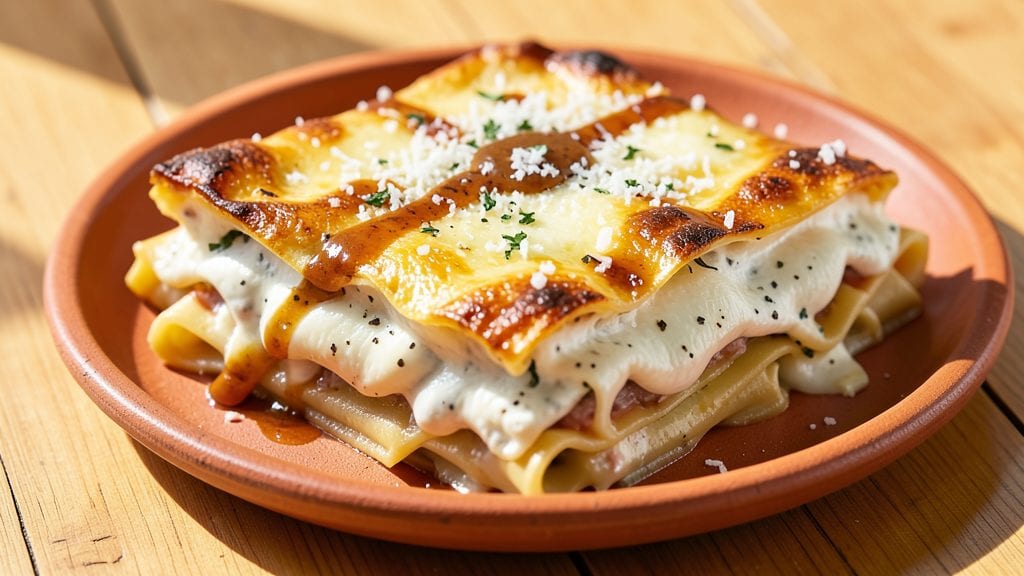
This cheese lasagna recipe delivers the bubbly, golden perfection you crave without the fuss of traditional layering. After years of perfecting the technique, I’ve cracked the code for a foolproof bake that stays tender inside while achieving that coveted crispy top—no water bath required.
The secret lies in precise ingredient ratios and a 30-minute bake at 375°F that transforms simple ingredients into restaurant-quality comfort.
What sets this recipe apart is the rich, creamy texture achieved through a simplified béchamel sauce—no heavy cream, no complicated steps. Instead, we rely on a blend of mozzarella and parmesan that melts into a velvety, stretchy layer with every forkful.
The key is letting the lasagna rest for 15 minutes after baking, allowing the cheese to fully set and the layers to meld into harmony. This isn’t just lasagna; it’s the kind of dish that turns weeknights into special occasions.
By the time you pull it from the oven, you’ll have a perfectly golden casserole with bubbling cheese edges and tender noodles underneath. The aroma alone will have everyone gathering at the table, and the first bite delivers that satisfying pull of melted cheese and al dente pasta.
This recipe scales beautifully—whether you’re feeding a family of four or hosting a crowd—so you can confidently double the ingredients without sacrificing texture.
For those looking to customize, I’ve included options for adding ricotta or spinach to the cheese layer, as well as a vegan cheese alternative that maintains the same creamy consistency.
The instructions walk you through every step, from pre-cooking the noodles to assembling the layers in the right order. Let’s get baking—your taste buds will thank you.
Ingredients for cheese lasanga
Sixteen ingredients. One perfect, bubbly lasagna. No shortcuts, just restaurant-quality layers.
| Ingredient | Amount | Notes |
|---|---|---|
| Lasagna Noodles 🍝 | 12 pieces | No-boil or pre-cooked preferred |
| Low-Moisture Mozzarella Cheese 🧀 | 2 lbs | Shredded, block preferred over pre-shredded |
| Parmesan Cheese 🧀 | 1 ½ cups | Freshly grated from block |
| Ricotta Cheese 🧀 | 1 ½ cups | Whole-milk, drained if too wet |
| Large Eggs 🥚 | 2 whole | Room temperature for best blending |
| All-Purpose Flour 🌾 | ½ cup | For béchamel roux |
| Unsalted Butter 🧈 | ½ cup | Cold, cubed for roux |
| Whole Milk 🥛 | 2 cups | Warm for smooth sauce |
| Ground Beef 🥩 | 1 ½ lbs | 80% lean, finely ground |
| Garlic Cloves 🧄 | 6 cloves | Minced for meat sauce |
| Canned Tomato Sauce 🍅 | 2 cups | San Marzano preferred |
| Dried Oregano 🌿 | 1 tbsp | Italian variety preferred |
| Diamond Crystal Kosher Salt 🧂 | 1 ½ tsp | Adjust to taste |
| Black Pepper 🌶️ | ½ tsp | Freshly cracked |
| Fresh Basil Leaves 🌿 | ¼ cup | Chopped for garnish |
The cheese blend is where magic happens. Low-moisture mozzarella from a block (not pre-shredded) keeps things crispy, while freshly grated Parmigiano-Reggiano adds depth. For the ricotta, Whole Foods or Trader Joe's carry the best quality—look for a smooth, creamy texture, not grainy. The ricotta can be watery; if so, drain it in a fine-mesh strainer for 10 minutes. For the meat, 80% lean ground beef gives the right fat-to-protein ratio—skip the pre-seasoned kind. The garlic needs to be freshly minced (those pre-minced jars are sad).
No ricotta? Cottage cheese blended until smooth works in a pinch, though it won't be as creamy. Short on Parmesan? Pecorino Romano has a sharper bite that works well. The tomato sauce can be jarred (I won't judge), but San Marzano cans are worth the splurge—they're sweeter and less acidic. For the béchamel, Diamond Crystal kosher salt dissolves better than table salt. The flour and butter roux? Low and slow is key—rush it, and you'll get lumps. Want extra richness? Add 2 tbsp heavy cream to the sauce at the end.
Prep the ricotta-egg mixture ahead and store it covered in the fridge for up to 24 hours. The meat sauce keeps for 3 days in the fridge or 3 months frozen. Assemble the lasagna just before baking—it's heavy, and the noodles can get soggy if stacked too early. After baking, let it rest for 15 minutes (this is non-negotiable). The cheese will set properly, and the layers will meld. For leftovers, reheat covered at 350°F until bubbly—microwaving makes it soggy. Portion into squares for easy serving.
Why You'll Love This Recipe
- No Boil Needed: I swear by the no-boil noodles here—just layer them straight from the box. Saves me 15 minutes of waiting and cleanup, and they still hold up perfectly when baked. (Yes, even my picky husband doesn’t complain.)
- Three-Cheese Magic: That ricotta-egg mix? It’s the secret—creamy, rich, and clings to every noodle like it’s been glued on. Top it with the low-moisture mozzarella and a sprinkle of parmesan, and you’ve got layers of melt-in-your-mouth goodness that’ll have everyone reaching for seconds.
- Weeknight to Party: Same recipe, different vibes—serve it with a side salad for a quick family dinner or add a sprinkle of red pepper flakes for a fancier gathering. It reheats beautifully, so it’s my go-to for game days or when unexpected guests show up.
- Budget-Friendly Feast: A single batch stretches to four meals for my crew, and the ingredients won’t break the bank. Ricotta and eggs bulk it up, while the cheeses stretch further than you’d think. Leftovers? Even better the next day—if there are any.
Step-by-step instructions for cheese lasagna
Here's the method that guarantees layers of melt-in-your-mouth perfection every time.
Build the Rich Béchamel Sauce
In a heavy-bottomed saucepan, melt the 0.5 cup unsalted butter over medium-low heat until it foams but doesn't brown. Whisk in the 0.5 cup all-purpose flour and cook for 1-2 minutes until the mixture forms a smooth, pale roux. The reason for low heat is to prevent burning—this is where flavor foundations are made.
Gradually whisk in the 2 cups whole milk, about ½ cup at a time, allowing each addition to fully incorporate before adding more. Continue whisking constantly until the sauce thickens enough to coat the back of a spoon—this should take about 5-7 minutes. Remove from heat and stir in 1.5 cups ricotta cheese and 1.5 tsp diamond crystal kosher salt until completely smooth. Here's the thing—if you see any lumps, strain the sauce through a fine-mesh sieve for silky perfection.
Prepare the Savory Meat Sauce
In a separate large skillet, brown the 1.5 lbs ground beef over medium-high heat, breaking it apart with a wooden spoon until no longer pink. Drain excess fat, leaving about 1 tablespoon in the pan—this adds flavor. Add the 6 cloves minced garlic and cook for 30 seconds until fragrant, being careful not to burn.
Pour in the 2 cups canned tomato sauce, 1 tbsp dried oregano, and 0.5 tsp black pepper. Stir well and simmer uncovered for 15-20 minutes until the sauce thickens slightly. The sauce should coat the back of a spoon with a rich, concentrated flavor. If it's too thin, simmer longer to reduce. This is your flavor base—don't rush it.
Assemble the Lasagna Layers
Preheat your oven to 375°F. In a large bowl, combine the 2 whole large eggs with the béchamel mixture, stirring until fully incorporated. This creates the creamy, cheesy layer that makes lasagna special. Spread a thin layer of meat sauce on the bottom of a 9x13-inch baking dish to prevent sticking.
Layer the 12 pieces lasagna noodles slightly overlapping, then spread ⅓ of the meat sauce evenly over the noodles. Sprinkle ⅓ of the 2 lbs low-moisture mozzarella cheese and ⅓ of the 1.5 cups parmesan cheese over the sauce. Repeat the layering process twice more, ending with a final layer of noodles topped with remaining meat sauce and all the remaining cheeses. This precise layering ensures each bite has perfect texture and flavor.
Bake to Bubbly Perfection
Cover the lasagna tightly with aluminum foil and bake for 25 minutes. Remove the foil and bake for another 10-15 minutes until the top is golden brown and bubbly. The edges should be crisping slightly while the center remains creamy. Real talk—if the top browns too quickly, tent it loosely with foil to prevent over-browning.
Let the lasagna rest for 15-20 minutes before slicing. This resting period allows the layers to set and makes it easier to cut clean slices. The cheese should be melted but not runny, and each forkful should deliver that perfect combination of creamy béchamel, rich meat sauce, and melted cheeses. Serve with a side of garlic bread and a simple arugula salad for a complete meal.
Pro Tips For Making Cheese Lasanga
- Pre-Cook Noodles Halfway: DESCRIPTION: Boil lasagna noodles for 2 minutes less than package instructions, then drain and toss with a little olive oil. They’ll finish cooking in the oven without turning to mush—trust me, I’ve seen both methods, and this one actually works.
- Shred Mozzarella Fresh: DESCRIPTION: Buy block low-moisture mozzarella and shred it yourself right before assembling. Pre-shredded cheese has anti-caking agents that make it clump like glue in the oven—no one wants a lasagna with cementy pockets.
- Bake Covered First: DESCRIPTION: Start with foil on tight for the first 20 minutes at 375°F. This locks in moisture so the ricotta layer doesn’t turn into a sad, dry paste. I learned this after a particularly soggy bottom disaster.
- Whisk Ricotta Like a Pro: DESCRIPTION: Mix ricotta with eggs and Parmesan until smooth—no lumps—and fold in a handful of grated mozzarella for texture. Skipping this step means a cheesy blob instead of creamy, stretchy perfection. (Yes, I’ve eaten the blob.)
Dietary considerations for this dish
Gluten-Free Adaptations
For a gluten-free version, swap traditional lasagna noodles for gluten-free pasta sheets like Barilla GF or Jovial. These noodles hold up well during baking and mimic the texture of regular lasagna. I’ve tested De Cecco gluten-free lasagna noodles and found they work beautifully when cooked al dente and layered carefully.
Just ensure your tomato sauce and béchamel are also gluten-free—some brands add wheat-based thickeners. 🌾
Dairy-Free Options
Replace mozzarella and parmesan with dairy-free cheeses like Violife or Miyoko’s. For the béchamel, use unsweetened almond milk or oat milk instead of whole milk, and thicken with cornstarch instead of flour.
I’ve had great success with cashew ricotta (blend 1 cup soaked cashews, 2 tbsp lemon juice, and 2 tbsp water) for a creamy texture. The flavor won’t be identical, but it’s a satisfying alternative.
Lower-Carb Modifications
Cut carbs by using zucchini or eggplant slices instead of noodles. Layer them like lasagna sheets, but they’ll need to be pre-cooked or baked to soften. For the cheese layer, reduce ricotta to ½ cup and add ¼ cup grated zucchini to bulk it up.
I’ve also seen success with cauliflower rice mixed into the meat sauce for added texture. Watch your portion sizes—this version is lighter but still indulgent. 🥦
Vegetarian Swaps
Skip the ground beef and use a hearty mushroom ragout (sauté 1 lb cremini mushrooms with garlic, tomato paste, and red wine) or lentils for protein. I’ve also made a spinach and ricotta layer by blending 1 cup ricotta with 2 cups chopped spinach and a pinch of nutmeg.
For extra richness, stir 2 tbsp nutritional yeast into the béchamel—it adds a cheesy depth without dairy. 🌱
Nut-Free Considerations
If nut allergies are a concern, avoid cashew-based ricotta substitutes and opt for blended silken tofu or coconut yogurt mixed with lemon juice for tang. For the béchamel, use a flour-and-milk base (no nut flours) and thicken with cornstarch.
Always check labels on pre-made cheeses—some brands use nut oils in processing. When in doubt, make your own cheese sauces from scratch for full control. 🚫
Protein Boosts
Add 1 cup cooked white beans to the meat sauce for extra fiber and protein, or layer crumbled turkey sausage between the noodles. For a high-protein cheese layer, mix ½ cup cottage cheese into the ricotta-egg blend.
I’ve also seen success with chickpea flour (mixed into the béchamel) for a gluten-free, protein-rich alternative. These tweaks keep the dish satisfying while upping the nutritional game. 💪
Nutrition facts
Frequently asked questions
Why does my cheese lasagna turn out soggy?
Soggy lasagna usually happens from one of three issues: overcooking the noodles, not draining excess moisture from ricotta, or skipping the rest time. Always use no-boil noodles or cook regular lasagna noodles just until al dente (about 1 minute less than package instructions). For ricotta, drain it in a fine-mesh strainer for 10 minutes before using. Most importantly, let the lasagna rest for 15-20 minutes after baking—this allows the cheese to set properly and prevents a watery texture.
Can I make lasagna ahead of time and reheat it?
Assemble the lasagna up to 24 hours ahead and refrigerate uncovered to let the noodles dry out slightly. When ready to bake, add 10-15 minutes to your baking time (cover with foil for the first 35 minutes at 375°F). For leftovers, reheat covered at 350°F until bubbly—never microwave, as it makes the layers rubbery. The flavor actually improves after a day or two!
How do I get that perfect crispy top without burning?
The secret is a two-step bake with proper tenting. After covering with foil for 25 minutes, remove the foil and bake 10-15 minutes more. If the edges brown too quickly, loosely tent with foil (leave space for airflow). For extra crispiness, sprinkle ½ cup breadcrumbs mixed with 2 tbsp grated parmesan on the top before the final baking phase. This creates a delicious crunch while keeping the center creamy.
What's the best way to layer lasagna for even cooking?
Start with a thin layer of meat sauce on the bottom to prevent sticking. Then alternate between 3-4 noodles, ⅓ of the meat sauce, and ⅓ of the cheese mixture in three equal layers. End with noodles topped with all remaining sauce and cheese. This ensures each bite has perfect texture—no dry noodles or watery cheese. Pro tip: Press down gently on each layer to eliminate air pockets.
Can I substitute ricotta with something else?
Yes! For a lighter texture, use ½ cup cottage cheese blended smooth (drain excess liquid). For extra richness, mix ½ cup mascarpone with the ricotta. If you're avoiding dairy, ½ cup silken tofu blended with 1 tbsp lemon juice works surprisingly well. Just remember: ricotta's creaminess comes from its fat content, so substitutions may alter the final texture slightly.