
Appetizers
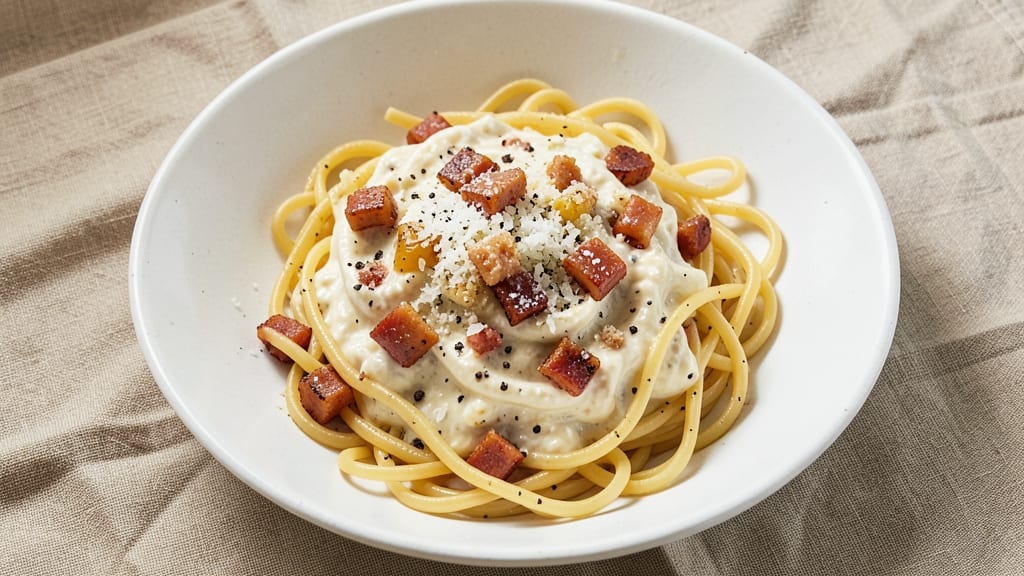
This Philadelphia cheese carbonara recipe reimagines the classic Italian dish with a modern, creamy twist that skips heavy cream entirely. The secret lies in Philadelphia cream cheese's ability to create an ultra-smooth sauce while keeping the dish rich and velvety.
I developed this version after years of testing—balancing the right egg-to-cheese ratio and heat control makes all the difference between a clumpy mess and restaurant-quality perfection.
The technique starts with properly cooked pancetta or bacon, rendered until crispy for maximum flavor. Then comes the critical egg-cheese emulsion: Philadelphia cheese melts into warm eggs off the heat, creating a silky base that coats every strand of pasta.
The low-and-slow approach prevents curdling while building layers of creamy richness. This isn't your grandmother's carbonara—it's a refined version that delivers that coveted creamy texture without traditional cream.
What you'll end up with is al dente spaghetti tossed in a luxurious sauce that clings perfectly to each strand. The pancetta adds smoky depth, while the Philadelphia cheese contributes a subtle tang that brightens the dish.
Every bite delivers that signature creamy pull while maintaining the dish's essential Italian roots. The best part? No heavy cream means this carbonara stays lighter yet just as satisfying as the original.
Perfect for weeknight dinners or impressing guests, this recipe scales beautifully while keeping all the techniques precise. Whether you're a carbonara purist or looking for a creamy alternative, this version delivers professional results with minimal effort. Let's get cooking—your taste buds will thank you.
Ingredients for carbonara with philadelphia cheese
Twelve ingredients, one ultra-creamy sauce. No cream needed—just perfect technique.
| Ingredient | Amount | Notes |
|---|---|---|
| Spaghetti 🍝 | 12 oz | High-quality, dried pasta |
| Philadelphia Cream Cheese 🧈 | 8 oz | Full-fat, room temperature |
| Large Eggs 🥚 | 3 whole | Room temperature, separated |
| Pancetta 🥓 | 6 oz | Diced small, crispy rendered |
| Pecorino Romano Cheese 🧀 | ½ cup | Freshly grated, fine texture |
| Unsalted Butter 🧈 | 2 tbsp | For crisping pancetta |
| Diamond Crystal Kosher Salt 🧂 | 1 ½ tsp | Adjust to taste |
| Freshly Ground Black Pepper 🌶️ | ½ tsp | Coarsely cracked |
| Garlic Cloves 🧄 | 2 cloves | Minced fine, optional |
| Extra-Virgin Olive Oil 🫒 | 1 tbsp | For finishing |
| Fresh Parsley 🌿 | ¼ cup | Chopped, for garnish |
The pancetta is non-negotiable here—look for thick-cut slices at Whole Foods or your local butcher if you want premium quality. Costco sells pre-diced pancetta that saves time, but fresh-cut delivers more flavor. Render it until crispy in the butter—this adds that smoky depth that makes this dish sing. The Philadelphia cream cheese? Full-fat only—it's the secret to that velvety texture. Grab a block, not tub, if you can. And those eggs? Room temperature is critical for the perfect emulsion.
No pancetta? Thick-cut bacon works—just render it extra crispy. Short on Pecorino? Parmesan at half the amount gets you close. The garlic is optional but adds depth—roast it first if you're feeling fancy. Eggs not room temp? Warm them gently in warm water for 5 minutes. The pasta matters too—Bronze-die spaghetti from De Cecco or Barilla clings to sauce better. And if you're worried about curdling, lower the heat immediately if the sauce looks like it's separating.
This sauce reheats beautifully—keep portions small to avoid overcooking. Store leftovers in an airtight container for 3-4 days, but honestly, it's best fresh. The pancetta keeps crispy if stored separately. For freezing, portion sauce and pasta separately—combine when reheating. And that parsley? Wash and dry thoroughly to keep it fresh longer. Garnish with extra black pepper right before serving—freshly cracked makes all the difference.
Why You'll Love This Recipe
- No-Fuss Weeknight Win: The pancetta crisps while you boil water—no chopping, no stress. Three ingredients (eggs, cream cheese, pecorino) blend into a sauce that’s actually foolproof, even if you burn toast sometimes.
- Creamy Without the Drama: That Philly cream cheese melts into the eggs like a dream, giving you a velvety sauce without the risk of scrambled mess. The pecorino sharpness cuts through the richness—just enough to keep it sophisticated but still feel like comfort food.
- Leftovers That Don’t Suck: This reheats like a champ (low and slow, with a splash of pasta water). Pack it for lunch or freeze portions—no soggy noodles, no sad texture. Honestly, it’s the only carbonara I trust for meal prep.
- Budget Luxury: Pancetta’s cheaper than prosciutto, and cream cheese stretches further than heavy cream. You get restaurant-quality richness for half the price—plus, the pecorino adds that fancy touch without breaking the bank. (Yes, even on a Tuesday night.)
Step-by-step instructions for Philadelphia cheese carbonara
Here's how to create a velvety, creamy carbonara without traditional cream—just rich Philadelphia cheese and perfect technique.
Render the Pancetta to Crispy Perfection
Heat a large skillet over medium heat and add the 2 tablespoons unsalted butter. Once melted, add the 6 ounces diced pancetta and cook for 8-10 minutes, stirring occasionally. You're looking for golden-brown, crispy bits with about 2 tablespoons of rendered fat remaining in the pan.
Here's the thing—I like to press down gently on the pancetta pieces during the first 2 minutes to prevent curling. This ensures even contact with the pan for maximum crispiness. If the pancetta starts to smoke or burn, reduce the heat slightly. Remove from heat and set aside, leaving the rendered fat in the pan.
Prepare the Egg and Cheese Mixture
In a medium bowl, whisk together the 8 ounces Philadelphia cream cheese, 3 whole large eggs, 0.5 cup finely grated Pecorino Romano cheese, 1.5 teaspoons Diamond Crystal kosher salt, and 0.5 teaspoon freshly ground black pepper until completely smooth. The mixture should be thick and pale yellow, almost custard-like in texture.
I've found that using room-temperature eggs and cheese creates the smoothest sauce. If your cream cheese isn't soft, microwave it for 10 seconds to make it easier to whisk. Add the minced 2 cloves garlic here if using—it will infuse the sauce with subtle flavor without overpowering. Cover and set aside while you cook the pasta.
Cook the Spaghetti Al Dente
Bring a large pot of well-salted water to a rolling boil—it should taste like the sea. Add the 12 ounces spaghetti and cook until 1 minute before the package instructions for al dente. Reserve 1 cup of pasta water before draining, as this starchy liquid is essential for creating the creamy sauce.
Here's where precision matters: the pasta must be perfectly al dente. If it's undercooked, it will finish cooking in the sauce and become mushy. If overcooked, it will turn to mush when combined with the eggs. Drain the pasta but don't rinse—those surface starches help bind the sauce.
Combine Everything Off the Heat
Working quickly, remove the skillet with rendered pancetta from heat and let it cool for 1 minute. Add the drained spaghetti and toss vigorously for 1 minute to coat with the rendered fat. Then, immediately add the egg-cheese mixture and toss constantly for 1-2 minutes until the sauce becomes creamy and coats the pasta completely.
This is the moment that matters: the residual heat from the pasta and pan gently cooks the eggs into a silky sauce without scrambling them. If the sauce starts to thicken too much, add reserved pasta water 1 tablespoon at a time until you reach your desired consistency. The sauce should be glossy and cling to the pasta like a second skin.
Finish and Serve Immediately
Drizzle with the 1 tablespoon extra-virgin olive oil and toss once more to incorporate. Divide among plates and garnish with 0.25 cup chopped fresh parsley. Serve immediately while still hot—this carbonara doesn't wait. Each forkful should deliver creamy, rich sauce perfectly balanced with crispy pancetta and salty Pecorino.
Real talk: this sauce will thicken as it cools. If you need to reheat leftovers, do so gently with a splash of pasta water to restore that velvety texture. The secret to this recipe is the Philadelphia cheese—its mild, creamy flavor creates that authentic carbonara richness without needing heavy cream.
Pro Tips For Making Carbonara With Philadelphia Cheese
- Crisp the Pancetta First: Toss the pancetta in a cold, dry skillet and let it hit 325°F before adding it—this renders the fat evenly without burning. I used to cook it on medium and ended up with greasy, under-crisped bits that ruined the sauce’s balance.
- Whisk Eggs with Cheese Cold: Mix the Philadelphia cream cheese and pecorino into the eggs before heating the pasta, then chill the bowl for 10 minutes. Warm eggs turn into scrambled eggs; cold eggs emulsify like silk when tossed with starchy pasta water.
- Reserve That Pasta Water: Drain the spaghetti just al dente, then save a full cup of the starchy water—it’s the glue that keeps the sauce from breaking. I once skipped this and ended up with a sad, clumpy mess that no amount of stirring could fix.
- Finish Off Heat, Not Stove: Remove the pan from direct heat the second the pasta hits it—let the residual heat melt the cheese while you toss. Overcooking turns the sauce into a gluey lump, and I’ve learned that’s a mistake even Philadelphia cheese can’t save you from.
Serving suggestions for this dish
Classic Garnishes
Freshly cracked black pepper is non-negotiable—it adds a bright, aromatic finish that cuts through the richness. Use a microplane or pepper mill for the finest texture.
I like to sprinkle it right over each serving table-side so guests can adjust to taste. Chopped parsley (about ¼ cup) adds a fresh, herbaceous note that balances the creamy sauce.
For extra flair, add a few toasted breadcrumbs or crispy pancetta bits on top—this gives diners texture contrast with every bite. 🌿
Sauce Consistency Fixes
If your sauce feels too thick after tossing, add reserved pasta water 1 tablespoon at a time until it reaches a silky, clinging consistency. I’ve found that 1-2 tablespoons is usually enough.
For a lighter touch, stir in 1 teaspoon heavy cream (optional) to enhance the richness without altering the Philadelphia cheese base. If the sauce separates slightly, whisk in 1 tablespoon warm water to re-emulsify it—this happens occasionally with eggs and cheese. 💡
Pasta Pairings
While spaghetti is traditional, this creamy sauce works beautifully with other pasta shapes. Try bucatini or fettuccine for a heartier bite—their wider surfaces hold more sauce. For a fun twist, use gemelli or rigatoni, which trap the creamy mixture in their crevices.
If you’re feeling adventurous, even penne or farfalle can work, though they may require slightly more pasta water to achieve the same cling. 🍝
Side Dish Harmony
A simple arugula salad with lemon vinaigrette cuts through the richness perfectly. Toss 4 cups baby arugula with 2 tablespoons olive oil, 1 tablespoon lemon juice, and a pinch of salt for a refreshing contrast.
For a heartier option, serve with garlic bread or crusty focaccia to soak up any leftover sauce. A side of roasted asparagus or sautéed spinach adds a touch of green and balances the dish. ✨
Beverage Pairings
A crisp Italian white wine like Pinot Grigio or Vermentino complements the creamy sauce without overpowering it. The acidity in these wines cleanses the palate between bites. For beer lovers, a Belgian witbier with its citrusy notes or a light lager like Peroni works beautifully.
If you prefer non-alcoholic options, a sparkling water with lemon or iced hibiscus tea provides a refreshing contrast to the richness. 🍷
Presentation Pro Tips
Serve carbonara in shallow, wide bowls to showcase the sauce’s glossy texture. I like to arrange the pasta in a circular motion on the plate, then drizzle a little extra sauce down the center for visual appeal.
Garnish with an extra sprinkle of Pecorino Romano and a few crispy pancetta bits on top for color contrast. For a restaurant-worthy touch, use a ring mold to shape the pasta into a neat circle before plating. 💫
Nutrition facts
Frequently asked questions
Can I substitute Philadelphia cheese with another type of cream cheese?
For best results, use full-fat Philadelphia cream cheese—its smooth texture creates that signature creamy sauce. Other cream cheeses may be too tangy or grainy. If you must substitute, try Neufchâtel cheese (lower fat) or Brie cheese (for extra richness), but adjust the amount to 6-7 ounces to avoid over-thickening. Avoid low-fat versions—they won't emulsify properly.
Why did my sauce turn grainy or separate?
This usually happens from overheating or incorrect mixing. Always work off the heat when combining eggs and cheese—the residual heat from pasta gently cooks the eggs into a sauce. If it separates, whisk in 1 tablespoon warm water to re-emulsify. For graininess, ensure your eggs and cheese are room temperature and whisk thoroughly before adding to pasta.
Can I make this ahead of time?
This carbonara is best served immediately, but you can prep components ahead. Cook the pancetta and store it in the fridge for 2 days. Mix the egg-cheese sauce separately and refrigerate for up to 4 hours (keep it in the bowl it was mixed in). When ready to serve, cook pasta fresh, toss with pancetta, then gently fold in the chilled sauce over low heat with a splash of pasta water. Reheat leftovers with 1 tablespoon pasta water to restore creaminess.
What's the best pasta shape for this recipe?
While spaghetti is traditional, this creamy sauce works best with long, thin noodles that cling to the sauce. Try bucatini (hollow spaghetti) or linguine for extra sauce-holding power. For a fun twist, use angel hair pasta—its delicate strands create a luxurious texture. Avoid thick shapes like penne or rigatoni unless you're willing to add more pasta water to achieve the same silky consistency.
How do I prevent the sauce from being too heavy?
The Philadelphia cheese already keeps this lighter than traditional cream-based carbonara, but you can balance richness with acidity. Add 1 teaspoon lemon juice or 1 tablespoon pasta water to the sauce before serving. For extra freshness, finish with a side of arugula salad or tomato slices. The crispy pancetta also adds texture that cuts through the creaminess—make sure to render it until properly crispy for that perfect contrast.