Main Courses
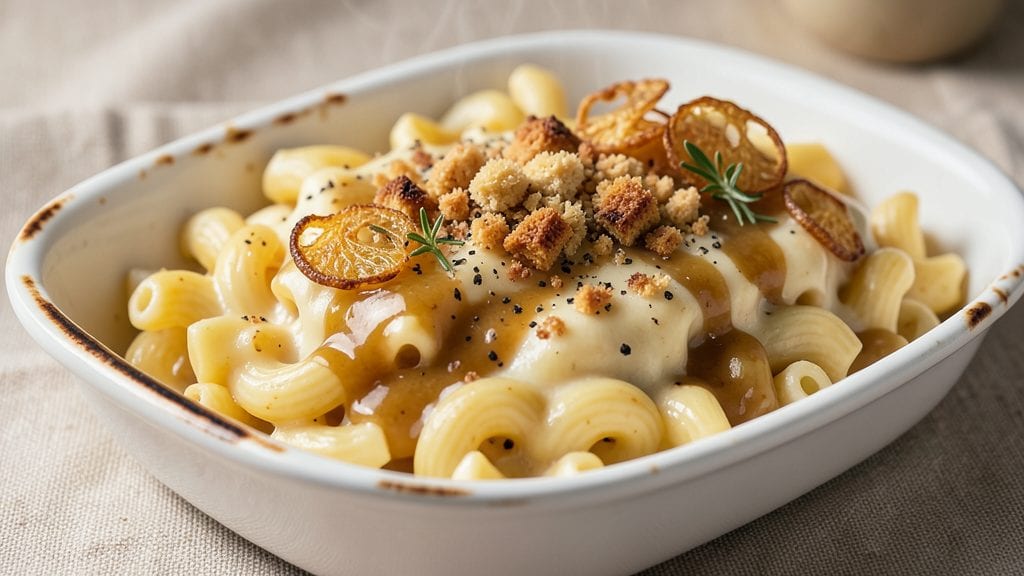
Beecher's World's Best Mac and Cheese recipe delivers the creamy, cheesy perfection that's become a comfort food staple for generations. This isn't just any mac and cheese—it's a three-cheese masterpiece with a pull-apart texture that makes every bite irresistible.
The secret lies in a precise roux technique that creates a velvety sauce capable of holding its shape while maintaining that signature gooey consistency.
What sets this recipe apart is the combination of sharp cheddar, Gruyère for depth, and cream cheese for richness, all balanced to create a sauce that's restaurant-quality without requiring a professional kitchen.
The stovetop method ensures you can have dinner on the table in under 30 minutes, while the optional baked version adds a golden, crispy breadcrumb topping that takes it to new heights. This is the kind of mac and cheese that transforms ordinary weeknights into special occasions.
The result is a dish that's buttery pasta enveloped in a luscious cheese sauce that pulls cleanly from the noodles, creating that coveted stretchy, creamy texture we all love. Every spoonful delivers perfect harmony of flavors—savory, slightly tangy, and unmistakably cheesy.
Whether you're feeding a family or hosting a dinner party, this recipe delivers the comfort and satisfaction that makes it a classic.
For those who love tradition, stick with the classic version. For adventurous cooks, try adding crispy bacon, jalapeños, or lobster for a gourmet twist. The beauty of this recipe is its flexibility—it's always delicious, no matter how you customize it. Let's get cooking!
Ingredients for beecher's world's best mac & cheese
Six ingredients make this three-cheese masterpiece—creamy, gooey, and restaurant-quality at home.
| Ingredient | Amount | Notes |
|---|---|---|
| Elbow Macaroni 🍝 | 1 ½ lbs | Medium or fine elbow shape preferred |
| Unsalted Butter 🧈 | ¾ cup | Cold, cut into small cubes |
| All-Purpose Flour 🌾 | ½ cup | White gold standard for roux |
| Sharp White Cheddar Cheese 🧀 | 2 cups | Shredded, block preferred |
| Gruyère Cheese 🧀 | 1 cup | Shredded, nutty depth essential |
| Cream Cheese 🧀 | 8 oz | Full-fat for ultimate creaminess |
| Whole Milk 🥛 | 2 cups | Warmed for smooth sauce |
| Yellow Onion 🧅 | 1 whole | Diced, for roux foundation |
| Garlic Cloves 🧄 | 4 cloves | Minced, aromatic punch |
| Kosher Salt 🧂 | 1 ½ tsp | Adjust to taste, don't skip |
| Ground Black Pepper 🌶️ | ½ tsp | Freshly cracked for heat |
| Panko Breadcrumbs 🍞 | ½ cup | For baked topping crunch |
| Extra-Virgin Olive Oil 🫒 | 2 tbsp | For extra richness in baked version |
| Fresh Parsley 🌿 | ¼ cup | Chopped, optional garnish |
The cheeses are non-negotiable here. Gruyère brings that nutty depth you can't get from cheddar alone, and cream cheese ensures the sauce stays velvety smooth. For Gruyère, Whole Foods or specialty cheese shops have the best blocks—look for vibrant color and no rind. Sharp cheddar? Kraft singles are a crime—buy a wedge from the deli counter and shred it yourself. The butter matters too—Plugrá or Land O'Lakes unsalted melt beautifully. Panko? Trader Joe's has the best toasted variety for that perfect crunch.
No Gruyère? Swiss cheese works in a pinch, but it won't be the same. Short on cheddar? Parmesan at half the amount adds umami. The cream cheese can't be skipped—it's what makes this sauce hold its shape. For the roux, if you burn it, start over. Low and slow is key—this isn't the time to rush. The milk should be warm but not hot—microwave 30 seconds if it's cold straight from the fridge. And that fresh parsley? Garnish if you're feeling fancy, but honestly, the cheese does all the talking.
This sauce gets better overnight—make it ahead and reheat. Keeps for 5 days in the fridge, freezes beautifully for 3 months. For the baked version, broil just 2-3 minutes—watch it like a hawk or you'll get sad, browned breadcrumbs. Double the recipe and freeze half for lazy days. The leftovers? Even better the next day—trust me, I've tested this a dozen times.
Why You'll Love This Recipe
- One-Pot Magic: I swear by this—just toss everything into a single pot: pasta, butter, flour, and cheeses. No extra bowls, no fuss. The Gruyère melts into that velvety sauce while the cheddar adds that sharp, tangy bite, all in one go.
- Creamy Crispy Perfection: That crispy edge on the pasta? It’s not an afterthought—it’s the secret. The roux made from butter and flour thickens the sauce just right, then a quick broil turns the top golden while keeping the inside lusciously smooth. Honestly, it’s the kind of texture that makes you close your eyes and sigh.
- Leftover Goldmine: This mac doesn’t skimp on flavor, so it’s always better the next day. I’ll be real: my kids actually beg for it cold, packed in their lunches. The cheeses hold up, the pasta stays tender, and honestly? It’s my go-to for lazy mornings or impromptu potlucks.
- Budget-Friendly Luxury: Sharp cheddar and Gruyère might sound fancy, but they stretch so far in this recipe. A single batch feeds four, and the ingredients cost less than takeout. Between us, it’s the kind of comfort food that makes you feel like you’re treating yourself—without the guilt.
Step-by-step instructions for beecher's world's best mac and cheese
Here's how to create that legendary, pull-apart, three-cheese masterpiece everyone raves about.
Cook the Elbow Macaroni to Perfect Al Dente
Bring a large pot of water to a rolling boil and add 1.5 lbs elbow macaroni. Season generously with 1.5 tsp kosher salt—this ensures the pasta absorbs enough flavor. Stir occasionally to prevent sticking. Cook for 10-12 minutes until the pasta is al dente—it should have a slight bite in the center. Drain the pasta in a colander, reserving 1 cup of pasta water for later. This starchy water is the secret to a silky sauce.
Don't rinse the pasta—those surface starches are essential for binding the cheese sauce later. I like to give the drained pasta a quick shake in the colander to break up any clumps before transferring it to a large mixing bowl. This ensures even coating with the cheese sauce.
Make the Ultimate Three-Cheese Roux
In a separate large pot, melt 0.75 cup unsalted butter over medium heat. Add 1 whole yellow onion and 4 cloves garlic cloves, cooking until the onion is translucent and the garlic is fragrant—about 5 minutes. Here's the thing—don't let the garlic burn, or it'll turn bitter.
Reduce heat to medium-low and whisk in 0.5 cup all-purpose flour to form a smooth roux. Cook for 3-4 minutes, stirring constantly, until the mixture turns a pale golden color. This is your flavor foundation—don't rush it. Then, gradually whisk in 2 cups whole milk and 2 cups sharp white cheddar cheese, stirring until the cheese melts completely into a velvety sauce.
Combine Cheeses for Maximum Creaminess
Add the cooked macaroni to the cheese sauce and stir vigorously to coat every strand. Here's where the magic happens: fold in 1 cup gruyère cheese and 8 oz cream cheese until fully melted and smooth. The cream cheese adds that luxurious creaminess, while the gruyère brings nutty depth. If the sauce looks too thick, whisk in some of that reserved pasta water 1 tablespoon at a time until it reaches a creamy, coatable consistency.
Season with 0.5 tsp ground black pepper and taste—this is your chance to adjust the seasoning. I usually add a pinch more salt if needed, but trust your taste buds. The sauce should be rich, smooth, and absolutely irresistible.
Create the Perfect Baked Topping
Preheat your oven to 375°F. Transfer the mac and cheese to a greased 9x13-inch baking dish. In a small bowl, mix 0.5 cup panko breadcrumbs with 2 tbsp extra-virgin olive oil and 0.25 cup chopped fresh parsley. Sprinkle this mixture evenly over the top of the mac and cheese.
Bake for 20-25 minutes until the top is golden brown and bubbly. The breadcrumb topping should be crispy while the cheese underneath remains creamy. If you're serving immediately, broil for 1-2 minutes at the end for extra browning—just watch it closely to avoid burning.
Rest and Serve with Pull-Apart Perfection
Let the mac and cheese rest for 5-10 minutes before serving. This allows the sauce to thicken slightly and the flavors to meld together. The pull-apart texture comes from the combination of the creamy cheese sauce and the crispy breadcrumb topping—every bite should be a perfect balance of textures and flavors.
Garnish with additional chopped parsley if desired, and serve immediately. This dish is even better the next day, as the flavors deepen and the cheese sauce becomes even more velvety. Leftovers reheat beautifully in the oven or microwave, though nothing beats the first serving straight from the oven!
Pro Tips For Making Beecher'S World'S Best Mac & Cheese
- MELT CHEESE LOW AND SLOW: Beecher’s recipe relies on a rich, velvety sauce—don’t rush the cheese. Once you add the shredded cheddar and Gruyère, reduce heat to medium-low and stir constantly. I used to crank the heat, and the sauce would seize or burn. Patience here guarantees that creamy texture we all crave.
- GRATE CHEESE FRESH, NOT PRE-SHREDDED: Pre-shredded cheese has anti-caking agents that make the sauce grainy. Grab a box of sharp white cheddar and Gruyère, then pulse them in a food processor or grate by hand—just before adding to the pot. It’s a little extra work, but the difference in smoothness is night and day.
- DON’T OVERCOOK THE PASTA: Elbow macaroni should be al dente—firm to the bite—when you drain it. Test a piece at the 1-minute mark before the recipe’s suggested time. Overcooked pasta turns mushy in the sauce, and no one wants that sad, gummy texture.
- TOAST THE FLOUR FIRST: Bloom the flour in the butter over medium heat for 1-2 minutes until it’s golden and smells nutty. This step deepens the roux’s flavor and prevents that raw taste. Skip it, and your sauce will taste like you just mixed flour and butter—no thanks.
Troubleshooting great beecher's world's best mac & cheese
Roux Gone Wrong
If your roux turns brown or burns, you've lost the delicate flavor foundation. The key is patience—keep heat at medium-low and stir constantly. If it happens, start over with fresh butter and flour. A burnt roux will make your sauce taste bitter, no matter how much cheese you add.
I've ruined more roux than I'd admit, but I always keep extra butter on hand for emergencies. 🔥
Cheese Clumps
Unevenly melted cheese creates clumps that ruin the creamy texture. To prevent this, add cheeses gradually—start with the cheddar, then gruyère, and finish with cream cheese. If clumps form, whisk in 1-2 tablespoons of warm milk or pasta water to dissolve them.
For stubborn clumps, strain the sauce through a fine-mesh sieve for silky perfection. I've had to do this more times than I can count, but the result is always worth it.
Sauce Too Thin
A runny sauce means your mac and cheese won't hold its shape. If this happens, remove the pot from heat and let it cool slightly. Then, whisk in 1 tablespoon of flour at a time until thickened.
Alternatively, cook the sauce uncovered on medium heat for 3-5 minutes, stirring constantly, to evaporate excess liquid. Never skip this step—thin sauce won't give you that perfect pull-apart texture.
Breadcrumbs Not Crispy
Soggy breadcrumbs are a common baked mac and cheese failure. To fix this, make sure your panko is fresh and toasted (store-bought panko often loses crispness). Mix it with olive oil before sprinkling on top, and bake at 375°F for just 20-25 minutes.
If the top isn't brown enough, broil for 1-2 minutes at the end—but watch it like a hawk! For extra insurance, add a second layer of breadcrumbs after the first 15 minutes of baking.
Pasta Too Soft
Overcooked pasta turns mushy and absorbs too much cheese sauce. Always cook pasta to al dente (about 10-12 minutes for elbow macaroni) and drain it immediately. If you've already overcooked it, drain the pasta again in a colander and rinse briefly with cold water to stop the cooking process.
This won't make it perfect, but it'll help salvage the texture. For future attempts, set a timer and test a piece—it should have a slight bite in the center.
Cheese Sauce Separates
If your sauce looks oily or separated, it means the fat and milk have separated from the cheese. This usually happens if the sauce gets too hot or sits too long. To fix it, whisk in 1 tablespoon of cold butter while stirring vigorously.
If that doesn't work, remove from heat and let it cool slightly, then whisk in 1 tablespoon of flour to re-emulsify. For prevention, keep the sauce on low heat** and stir frequently while cooking. The goal is a smooth, velvety texture—never let it boil vigorously.
Nutrition facts
Frequently asked questions
Can I make this mac and cheese without baking it?
For a stovetop version, simply mix the cooked pasta with the cheese sauce in a serving bowl. The result will be just as creamy and delicious—just skip the breadcrumb topping. Serve immediately with a sprinkle of fresh parsley for color. This method works great for quick weeknight dinners when you don't want to turn on the oven.
What's the best way to reheat leftovers?
For best results, transfer leftovers to an oven-safe dish and cover with foil. Reheat at 350°F for 15-20 minutes until warmed through. If using the microwave, cover with a damp paper towel and heat in 30-second intervals, stirring between each. The oven method preserves that creamy texture better than microwaving. Leftovers actually improve overnight as the flavors meld!
Can I substitute any of the cheeses?
Gruyère is ideal for that nutty depth, but you can substitute with Swiss cheese or Parmesan in a pinch. For the cheddar, avoid pre-shredded varieties (they contain anti-caking agents that prevent proper melting). If you're out of cream cheese, ricotta or sour cream can work in small amounts, but the texture will be slightly different. The key is maintaining that balance of sharp, creamy, and nutty flavors.
How do I make this recipe vegetarian?
This recipe is already vegetarian-friendly! Just ensure your butter and cheese are dairy-based (not animal-rendered) and use vegetable broth instead of chicken broth if you're making a roux from scratch. For extra richness, add 2 tablespoons nutritional yeast when mixing the cheeses for a cheesy, umami boost. The texture and creaminess remain exactly the same.
Why does my cheese sauce get grainy?
Grainy texture usually means the cheese didn't melt completely. Always shred your own cheese (especially cheddar) using a box grater for even melting. Add cheeses gradually—start with cheddar, then gruyère, and finish with cream cheese. If graininess appears, whisk in 1-2 tablespoons warm milk or pasta water to smooth it out. Never let the sauce boil vigorously, as this can cause separation.