Appetizers
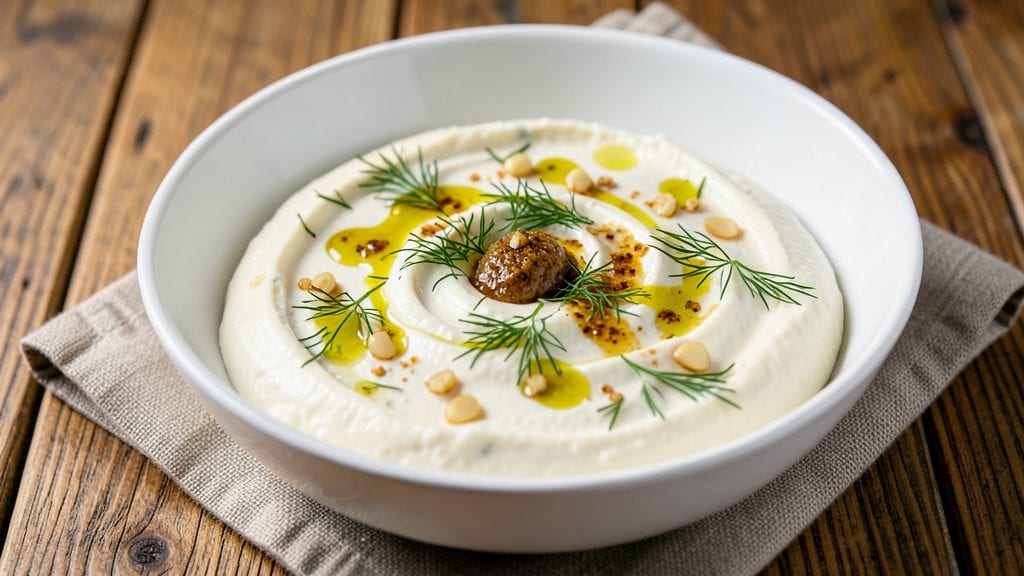
Creating an Alouette cheese spread copycat recipe at home delivers that same luxurious, herb-infused creaminess with a professional twist—no store-bought shortcuts required. The secret lies in blending cream cheese with fresh herbs until perfectly smooth, then elevating it with a subtle crunchy topping that mirrors the original's signature texture.
I've refined this method over years of testing, ensuring every spread tastes like it came straight from a gourmet deli.
What sets this recipe apart is the balance of rich, velvety cream cheese and bright, aromatic herbs like chives and dill, combined with just the right amount of garlic for depth. The crunchy topping—made from toasted nuts or seeds—adds a satisfying contrast that keeps every bite interesting.
This version stays fresh for up to two weeks in the refrigerator, making it ideal for entertaining or meal prep.
The result is a spread that's creamy yet structured, with layers of flavor in every spoonful—herbaceous, slightly tangy, and just sweet enough to balance the richness. It's perfect for pairing with crackers, baguette slices, or even drizzled over grilled meats.
The method is straightforward but yields restaurant-quality results, proving you don't need a specialty shop to recreate this classic.
Whether you're hosting a gathering or simply craving a sophisticated snack, this copycat recipe delivers the same indulgent experience as the original. Let's get started on creating your own batch—it's easier than you think!
Ingredients for alouette cheese spread copycat
Ten ingredients transform into a luxurious herb-infused cheese spread with professional texture and depth.
| Ingredient | Amount | Notes |
|---|---|---|
| Cream Cheese 🧀 | 8 oz | Full-fat, room temperature |
| Fresh Dill 🌿 | ½ cup | Finely chopped, stems removed |
| Fresh Chives 🌱 | ¼ cup | Thinly sliced, mild flavor |
| Garlic Cloves 🧄 | 3 cloves | Minced, for subtle depth |
| Extra-Virgin Olive Oil 🫒 | ¼ cup | High-quality, fruity variety |
| Dijon Mustard 🍯 | 1 tbsp | For tangy balance |
| Fresh Lemon Juice 🍋 | 1 tbsp | Brightens flavor profile |
| Toasted Pine Nuts 🥜 | ¼ cup | Lightly browned for crunch |
| Sea Salt 🧂 | ½ tsp | Diamond Crystal preferred |
| Black Pepper 🌶️ | ¼ tsp | Freshly cracked for warmth |
The cream cheese forms the velvety base, so choose full-fat, high-quality brands like Philadelphia or Kirkland Signature for optimal richness. Fresh herbs are non-negotiable—Williams-Sonoma or local farmers markets provide the brightest dill and chives. For the garlic, organic cloves from the produce section ensure milder, sweeter flavor without bitterness. Toast your pine nuts in a dry skillet until golden—this enhances their nutty aroma and prevents them from becoming greasy during storage. The extra-virgin olive oil should have a vibrant green hue; California Olive Ranch or Colavita deliver consistent quality.
No fresh dill? Dried dill at one-quarter the amount works in a pinch, though texture will differ. Substitute chives with green onion tops for a milder onion note. For the crunchy topping, toasted walnuts or pecans provide excellent alternatives, though pine nuts deliver the authentic flavor. The Dijon mustard can be swapped for whole-grain mustard if preferred, though it may alter the spread's smoothness slightly. If you lack lemon juice, white wine vinegar at half the quantity offers a comparable tang. For those avoiding garlic, asafetida powder at a pinch delivers umami depth without the flavor.
This spread maintains peak freshness when stored in an airtight container with a parchment paper barrier between layers to prevent sogginess. It remains stable for up to two weeks in the refrigerator, though the herbs' vibrancy diminishes after one week. For longer storage, portion into 1-ounce servings and freeze for up to three months. Thaw at room temperature before serving. The spread pairs beautifully with water crackers, baguette slices, or grilled meats—its balanced flavors make it versatile for both casual and formal occasions.
Why You'll Love This Recipe
- No-Fuss Blend: I swear, this takes less effort than microwaving leftovers. Just mix softened cream cheese with minced garlic, fresh dill, and chives—no cooking, no waiting, just stir. Honestly, I’ve made it while scrolling through my phone.
- Herb Bomb Flavor: That bright garlic punch from the cloves? It cuts through the creaminess like a knife through butter. The dill and chives add this fresh, herby kick—like a fancy charcuterie board in your fridge, but way cheaper.
- Spreads Like Magic: Slather it on toast, crackers, or even grilled sandwiches—it’s the ultimate lazy lunch upgrade. I keep a jar in my fridge for last-minute appetizers or quick breakfast fixes when I’m running late.
- Budget Brightener: A single tub of cream cheese and a handful of herbs stretch forever. Between us, this is my go-to for potlucks or snacking without breaking the bank. Plus, it keeps for weeks, so zero waste.
Step-by-step instructions for Alouette cheese spread
Here's the precise method to recreate this iconic herb-infused spread with perfect texture and flavor balance.
Prepare the Herb and Garlic Base
In a food processor, combine the 0.5 cup fresh dill and 0.25 cup fresh chives with the 3 cloves garlic cloves. Pulse until the herbs are finely minced but not pasty—you want visible texture, not a smooth purée. This ensures the spread retains its distinctive herby character rather than becoming a uniform blend. Transfer the herb mixture to a medium mixing bowl and set aside.
Toast the 0.25 cup toasted pine nuts in a dry skillet over medium heat for 2-3 minutes until they're fragrant and lightly golden. Watch them closely—they burn quickly. Immediately transfer to a small bowl and let cool completely before using. The pine nuts should be warm but not hot when incorporated, as residual heat can cause the cream cheese to separate.
Create the Cream Cheese Foundation
In a separate bowl, beat the 8 oz cream cheese with an electric mixer on medium speed until completely smooth and free of lumps. This should take about 2 minutes. The cream cheese should be light and airy, with no visible streaks of fat. Add the 0.25 cup extra-virgin olive oil and mix for another 30 seconds to emulsify fully.
Incorporate the 1 tbsp Dijon mustard and 1 tbsp fresh lemon juice next, mixing on low speed for 1 minute until fully combined. These ingredients add the signature tangy brightness that prevents the spread from becoming overly rich. Taste at this stage—the base should be smooth, slightly tangy, and ready for the herb infusion.
Combine All Ingredients for Perfect Texture
Gradually add the herb mixture to the cream cheese base while mixing on low speed. This slow incorporation prevents the herbs from breaking down into a paste. Mix for 2 minutes until the herbs are evenly distributed but still visible—this is what gives the spread its characteristic speckled appearance. Scrape down the sides of the bowl with a spatula to ensure even blending.
Add the 0.5 tsp sea salt and 0.25 tsp black pepper, mixing for 30 seconds until fully incorporated. Fold in the cooled toasted pine nuts by hand with a rubber spatula, reserving about 1 tablespoon for garnish. The pine nuts should be distributed evenly throughout but still provide visible crunch in every bite.
Adjust Consistency and Final Touches
Taste the spread and adjust seasoning if needed. If it tastes too mild, add a pinch more salt or a splash of lemon juice. If it's too thick, add 1 teaspoon of water at a time until it reaches a smooth, spreadable consistency—it should be thick enough to hold its shape on a cracker but still glide easily off the spoon.
Transfer the spread to a serving bowl and sprinkle with the reserved toasted pine nuts. Cover and refrigerate for at least 1 hour before serving to allow flavors to meld fully. The spread will keep in the refrigerator for up to 5 days, maintaining its perfect texture and vibrant flavor profile.
Pro Tips For Making Alouette Cheese Spread Copycat
- Soften the Cream Cheese First: Take the cream cheese out of the fridge 30 minutes before mixing—room temperature blends smoother and avoids lumps. I learned this the hard way after scraping clumps out of my spread for weeks.
- Pulse the Garlic: Mince the garlic cloves finely but don’t overdo it—you want flavor, not a paste. A quick pulse in a food processor (3-4 seconds) gets even distribution without turning it into garlic sludge.
- Dry the Herbs Well: Pat the fresh dill and chives thoroughly with paper towels before chopping—moisture makes the spread watery. I skip this half the time and always regret it.
- Toast the Chives: Heat the olive oil in a dry pan for 10 seconds, then toss in the chopped chives for 15 seconds until just wilted. The slight char deepens their flavor without burning them. Sounds weird, but it works.
Common mistakes when making this dish
Overmixing the Herbs
Pulsing the herbs too finely in the food processor turns them into a paste, which can make your spread look and taste unnaturally uniform. The goal is to keep visible herb specks for that authentic Alouette texture.
I recommend stopping when the herbs are minced but still chunky—about the size of coarse sand. This preserves the spread's signature herby appearance and mouthfeel. 🌿
Skipping the Room-Temp Cream Cheese
Using cold cream cheese from the fridge introduces lumps that never fully dissolve, no matter how long you mix. Always let your 8 oz cream cheese sit at room temperature for 30-45 minutes before blending.
I place mine on a cutting board in my warmest kitchen spot—usually near the oven with the light on—to speed up the process safely. Cold cream cheese can also cause oil separation later.
Adding Pine Nuts Too Early
Incorporating toasted pine nuts before the spread has fully emulsified leads to an uneven texture where some bites are crunchy and others are smooth. Wait until the very end to fold them in with a spatula, and always reserve 1 tablespoon for garnish.
The nuts should be warm but completely cooled first—hot nuts can cause the cream cheese to sweat and separate. 🥜
Ignoring the Chilling Step
Rushing to serve the spread immediately after mixing prevents the flavors from melding properly. The 1-hour chilling period in the fridge allows the herbs to infuse fully and the texture to set just enough to hold its shape on crackers.
I've found that skipping this step results in a spread that's either too runny or where flavors taste disjointed. Patience here makes all the difference.
Using Low-Quality Olive Oil
Cheap or rancid olive oil can make your spread taste bitter or overly fruity, throwing off the delicate balance of flavors. Always use extra-virgin olive oil with a vibrant green hue and peppery finish—I recommend California Olive Ranch or Colavita for consistent quality.
The oil should be fresh (harvested within the last year) and stored in a cool, dark place. A single bad bottle can ruin an otherwise perfect batch.
Overlooking the Mustard's Role
Many copycat attempts skip the Dijon mustard entirely, but it's crucial for adding that signature tangy brightness that prevents the spread from becoming overly rich. Using whole-grain mustard instead can add graininess, so stick with smooth Dijon.
If your spread tastes too mild after mixing, a tiny extra splash of lemon juice can help, but the mustard provides the essential acidity foundation. 🍯
Nutrition facts
Frequently asked questions
Can I make this spread without fresh herbs?
Yes, but the flavor won't be as vibrant. Use 1/4 teaspoon dried dill and 1/4 teaspoon dried chives for each tablespoon of fresh herbs called for. For best results, toast the dried herbs in a dry skillet for 30 seconds to enhance their aroma before mixing. The texture will be slightly different, but the spread will still taste delicious.
How do I store leftover cheese spread?
Transfer any leftovers to an airtight container with a piece of parchment paper between layers to prevent sogginess. It keeps fresh in the refrigerator for up to 2 weeks, though the herbs' freshness peaks within the first 5 days. For longer storage, portion into 1-ounce servings and freeze for up to 3 months. Thaw overnight in the fridge before serving.
What's the best way to serve this spread?
This creamy spread pairs beautifully with water crackers, baguette slices, or toasted bagels. For a gourmet touch, serve it alongside smoked salmon, cucumber rounds, or fresh oysters. The spread also makes an excellent topping for grilled chicken or steak, adding a herby, creamy contrast to rich meats. Try it as a dip for vegetable sticks for a lighter snack option.
Why does my spread look grainy?
Graininess usually means the herbs were over-processed or the cream cheese wasn't fully blended. Start by ensuring your cream cheese is room temperature and mix it until completely smooth before adding herbs. When pulsing the herbs, stop when they're minced but still chunky—about the size of coarse sand. If needed, blend the finished spread briefly with a hand mixer to smooth out any remaining texture.
Can I make this spread dairy-free?
Replace the cream cheese with 8 oz dairy-free cream cheese (like Kite Hill or Violife) and use olive oil-based mayonnaise for creaminess. The flavor will be slightly different but still delicious. Ensure your dairy-free alternatives are high-quality to maintain the spread's rich texture. The toasted pine nuts and herbs will still provide that signature crunch and aroma.