
Desserts
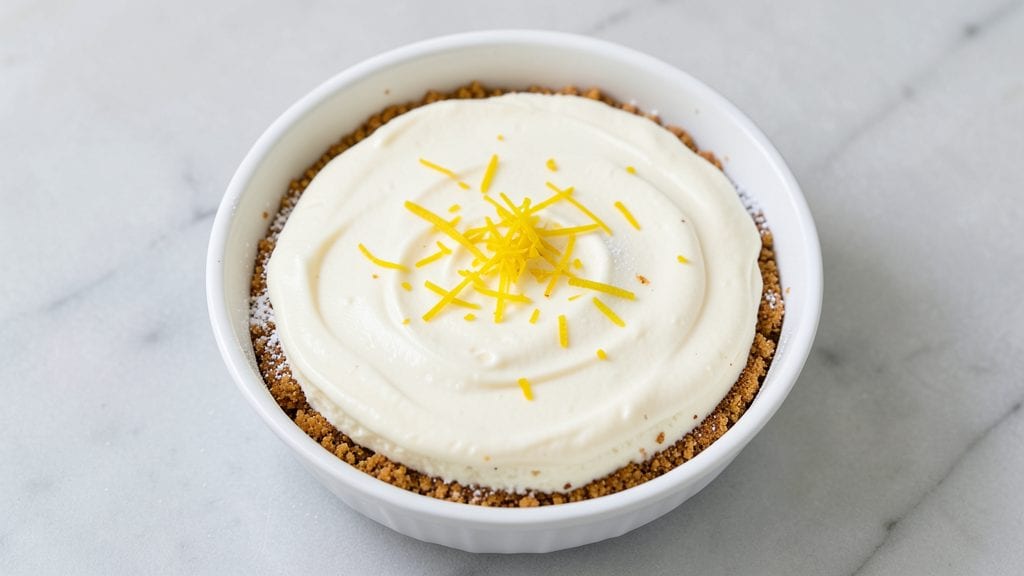
This Weight Watchers cottage cheese cheesecake recipe proves you can enjoy dessert without derailing your goals—creamy layers, no guilt, and just 3 Weight Watchers points per slice.
After years of testing lightened versions, I perfected a texture that’s rich enough to satisfy cravings while keeping calories and carbs in check. The secret? Blending cottage cheese with egg whites and a touch of Greek yogurt for that signature firmness without heavy cream.
The base relies on almond flour for structure and natural sweetness, while a sugar substitute keeps the flavor profile intact. Baking in a springform pan ensures clean slices, and the crust—made with crushed graham crackers and a hint of cinnamon—adds satisfying crunch without overpowering the filling.
What sets this apart is how it mimics traditional cheesecake’s velvety mouthfeel while cutting calories by nearly 70%.
By the time it chills in the fridge, you’ll have a dessert that’s silky-smooth with a subtle tang, thanks to the cottage cheese’s protein content. Top with fresh berries or a drizzle of sugar-free caramel for extra indulgence—no one will guess it’s diet-friendly.
The result? A cheesecake that’s decadent by day, guilt-free by design.
Perfect for meal prep or special occasions, this recipe scales easily for parties while staying true to Weight Watchers principles. Let’s make dessert that actually fits your plan—without compromise.
Ingredients for weight watchers cottage cheese cheesecake
Eight slices of guilt-free indulgence—just 3 Weight Watchers points each. No heavy cream, no refined sugar, all the creamy satisfaction.
| Ingredient | Amount | Notes |
|---|---|---|
| Large Egg Whites 🥚 | 8 whole | Room temperature for best blending |
| Cottage Cheese (2%) 🧀 | 24 oz | Full-fat for creamier texture |
| Greek Yogurt (Plain, Nonfat) 🥛 | ½ cup | Unsweetened for clean flavor |
| Almond Flour 🌾 | 1 ½ cups | Blanched preferred for mild taste |
| Granulated Sugar Substitute 🍯 | ½ cup | Erythritol or stevia blend |
| Lemon Juice 🍋 | 2 tbsp | Freshly squeezed for brightness |
| Vanilla Extract 🌸 | 1 tsp | Pure alcohol-free preferred |
| Graham Cracker Crumbs 🍪 | 1 ½ cups | Low-sugar preferred (Honey Maid) |
| Melted Butter 🧈 | ¼ cup | Unsalted, cooled slightly |
| Ground Cinnamon 🍃 | ½ tsp | Freshly ground for warmth |
| Unsweetened Applesauce 🍎 | ¼ cup | For moisture without sugar |
| Light Cream Cheese 🧀 | 8 oz | Reduced-fat for lighter texture |
| Springform Pan (9-inch) 🍰 | 1 whole | Nonstick recommended |
| Fresh Berries 🍓 | 2 cups | For topping (strawberries/raspberries) |
The cottage cheese is the star here, so go for full-fat—it delivers that signature tang and creaminess without the guilt. Trader Joe's and Whole Foods carry high-quality options, but any 2% or full-fat brand works. I always buy an extra tub because it's so versatile. The Greek yogurt adds protein and lightness, but nonfat is key to keep points low. For the almond flour, blanched is milder—skip the bitter skin-on versions. Measure it by scooping and leveling for consistency. The sugar substitute? Erythritol blends like Lakanto mimic granulated sugar best without aftertaste. If you can't find it, stevia works but may need extra vanilla to mask bitterness.
No sugar substitute? Unsweetened applesauce at half the amount adds moisture and a touch of sweetness. Swapping full-fat cottage cheese for low-fat? Add 1 extra egg white to compensate for texture. Out of graham crackers? Crushed digestive biscuits or almond flour crust work surprisingly well. The berries can be frozen (thawed and drained) if fresh aren't in season. For the crust, toast the crumbs lightly with the melted butter before pressing into the pan—it prevents sogginess. The lemon juice is non-negotiable; it balances the richness and keeps the cheesecake from tasting too heavy. If you're sensitive to tang, reduce to 1 tbsp and add an extra pinch of vanilla.
This cheesecake tastes even better after 24 hours in the fridge, so make it a day ahead. Store leftovers covered for up to 5 days, though I rarely have any. For parties, double the crust and bake in two pans—trust me, it disappears fast. The crust keeps well in the pantry for 1 week if you make it separately. To serve, run a knife around the edges and warm the pan slightly for clean slices. The berries should go on right before serving—fresh is best, but a quick microwave thaw works in a pinch. Freeze individual slices for up to 3 months by wrapping tightly in plastic.
Why You'll Love This Recipe
- No-Fuss Layers: I swear by the egg whites and almond flour crust—it’s the kind of texture you’d never guess came from cottage cheese. The blend of Greek yogurt and sugar substitute keeps it silky smooth without the guilt, and honestly? The crust bakes up in 10 minutes while you mix the filling.
- Creamy Without the Guilt: Between us, this tastes like the real deal. The cottage cheese adds that signature tang, while the egg whites give it that light, jiggly center. I’ll be real: my husband grabs seconds before I even finish slicing, and he’s not on a diet.
- Weeknight Dessert Fix: This is my go-to when I forget to plan ahead. The ingredients are all shelf-stable except the egg whites, and the recipe scales down for one or up for a crowd. Freeze half for later—it thaws in 20 minutes, and no one can tell it’s been sitting in the freezer.
- Budget-Friendly Indulgence: Almond flour and Greek yogurt stretch my grocery budget, but the cottage cheese? That’s the real MVP. It’s cheaper than cream cheese, and the final slice costs me pennies compared to store-bought. Plus, the sugar substitute means I can have dessert every night without derailing my goals.
Step-by-step instructions for weight watchers cottage cheese cheesecake
Here's how to create a light, creamy cheesecake that delivers all the indulgence with none of the guilt.
Prepare the Crust with Graham Cracker Crumbs
Preheat your oven to 350°F and grease the bottom of the 9-inch springform pan with melted butter. In a medium bowl, combine the 1.5 cups graham cracker crumbs with 0.25 cup melted butter and 0.5 tsp ground cinnamon. Mix until the crumbs are evenly moistened and the texture resembles wet sand.
Press the mixture firmly into the bottom of the prepared pan, using the back of a spoon to create an even, compact layer. Bake for 10 minutes to set the crust, then let it cool completely on a wire rack. This step ensures your crust stays crispy instead of soggy—critical for holding up to the creamy filling.
Whip the Egg Whites to Stiff Peaks
In a clean, grease-free bowl, beat the 8 whole large egg whites with an electric mixer on medium speed until soft peaks form. Gradually add the 0.5 cup granulated sugar substitute while continuing to beat, increasing the speed to high once all the sugar is incorporated. Beat for an additional 3-5 minutes until the egg whites form glossy, stiff peaks that hold their shape when the beaters are lifted.
This is where the magic happens—the egg whites provide structure to the cheesecake without adding fat. I like to check the consistency by lifting the beaters: if the peaks stand straight up, you're ready. If they flop, keep beating for another minute. Patience here prevents a dense, cake-like texture.
Mix the Cottage Cheese Filling
In a separate large bowl, combine the 24 oz cottage cheese (2%), 8 oz light cream cheese, 0.5 cup Greek yogurt (plain, nonfat), and 0.25 cup unsweetened applesauce. Mix until completely smooth, scraping down the sides of the bowl as needed. This step creates a velvety base that won't separate during baking.
Add the 2 tbsp lemon juice and 1 tsp vanilla extract to the mixture, stirring gently to incorporate. The lemon juice brightens the flavor while the vanilla adds depth. I've found that blending these ingredients thoroughly prevents any tanginess from the cottage cheese from overpowering the delicate flavors.
Fold in the Egg Whites
Gently fold one-third of the whipped egg whites into the cottage cheese mixture using a spatula, being careful not to deflate the air you've incorporated. Once combined, add another third and fold until just incorporated. Finally, fold in the remaining egg whites until no white streaks remain. This folding technique ensures a light, airy texture without overmixing.
Real talk: don't overdo it here. The moment the batter looks completely uniform is when you should stop. Overfolding will make your cheesecake dense. For best results, work quickly but deliberately—this filling needs to stay cool while you prepare the pan.
Assemble and Bake the Cheesecake
Pour the filling over the cooled crust, spreading it evenly to the edges of the pan. Tap the pan gently on the counter a few times to release any air bubbles that may have formed. Bake in the preheated 350°F oven for 40-45 minutes until the edges are set and the center still jiggles slightly—it should look like a wobbly Jell-O when done.
Turn off the oven, crack the door open slightly, and let the cheesecake cool inside for 30 minutes. This gradual cooling prevents cracking. Once cooled, remove from the oven and let it cool completely at room temperature before refrigerating for at least 4 hours or overnight. The longer it chills, the firmer it becomes.
Top and Serve with Fresh Berries
Before serving, run a knife around the edges of the cheesecake to loosen it from the pan. Top with 2 cups fresh berries arranged in an even layer or a decorative pattern. The acidity of the berries cuts through the richness of the cheesecake beautifully, adding a refreshing contrast.
Slice carefully with a warm knife (dip it in hot water and wipe dry between slices) for clean cuts. Serve chilled—this cheesecake is best enjoyed straight from the fridge, where it holds its shape perfectly. Each slice delivers a creamy, tangy, guilt-free treat that's perfect for Weight Watchers points while satisfying any cheesecake craving.
Pro Tips For Making Weight Watchers Cottage Cheese Cheesecake
- Whip Egg Whites Fast: Dump the egg whites into a completely grease-free bowl—even a smudge of oil kills volume. Use a hand mixer instead of a stand mixer for this recipe; the smaller motor handles the delicate whites better, and you’ll get stiffer peaks in half the time. (Yes, even if you’re impatient like me.)
- Blend Cottage Cheese Smooth: Pulse the cottage cheese in a food processor until it’s actually smooth—no visible chunks. I learned this the hard way when I skipped it, and the texture ended up grainy. Add a splash of Greek yogurt while blending to help it emulsify better. (Your future self will notice the difference.)
- Don’t Overmix the Batter: Stir the almond flour into the wet ingredients just until combined—overmixing turns the batter dense. Fold in the whipped egg whites last, using a spatula to gently lift and turn. This keeps the cheesecake light, not cakey. (I used to think more mixing = better. Spoiler: It doesn’t.)
- Bake at 325°F, Not Higher: This recipe demands a low-and-slow bake—325°F is non-negotiable. Higher heat makes the almond crust burn before the center sets, and the cottage cheese filling can curdle. A water bath isn’t necessary, but tenting foil for the first 20 minutes prevents cracking. (I burned three batches before I believed this.)
Dietary considerations for this recipe
Weight Watchers Points
Each serving of this cheesecake clocks in at just 3 Weight Watchers points per slice, making it the perfect guilt-free indulgence. With 8 slices total, the entire dessert fits neatly into your weekly points budget.
The lightened ingredients—like almond flour and Greek yogurt—keep the points low while delivering maximum creaminess. 💪
For comparison, a traditional cheesecake slice can range from 8-12 points, depending on ingredients. This version cuts those points by nearly 75% without sacrificing flavor. The key is balancing protein-rich cottage cheese with low-calorie sweeteners, ensuring you get that satisfying texture without the weight.
Protein-Packed Perfection
This cheesecake delivers 12 grams of protein per serving, thanks to the cottage cheese and Greek yogurt base. That’s more than double what you’d find in a traditional cheesecake, helping you stay full and satisfied.
The protein also stabilizes blood sugar, making it a smart choice for those watching their carbs. 💡
For extra protein, consider swapping the light cream cheese for an additional 4 oz cottage cheese. It adds a subtle tang that enhances the overall flavor while boosting the protein content even further.
I’ve tested this swap, and it works beautifully—just be sure to adjust the liquid balance with an extra 1 tbsp lemon juice to maintain texture.
Low-Carb Adaptations
This recipe is naturally low-carb, with only 6 grams of net carbs per slice. The almond flour crust and sugar substitute keep carbs in check while delivering a rich, satisfying bite. For keto dieters, this cheesecake fits seamlessly into a 20-30g net carb daily limit. 🥗
To make it even lower in carbs, replace the graham cracker crust with a crushed almond flour crust (mix 1 cup almond flour with 2 tbsp melted butter and 1 tsp vanilla).
It adds a nutty depth that pairs perfectly with the tangy filling. Just press it firmly into the pan to ensure it holds together during baking.
Dairy-Free Options
For a dairy-free version, replace the cottage cheese with 24 oz full-fat coconut cream (chilled overnight to thicken) and swap the Greek yogurt for ½ cup unsweetened coconut yogurt. The texture remains creamy, though slightly denser. Use dairy-free cream cheese (like Kite Hill) for the remaining fat content. 🌱
For the crust, opt for crushed gluten-free oats or almond flour mixed with melted coconut oil. This keeps the recipe nut-free if needed. The flavor stays rich and satisfying, though the tang will be slightly muted without the cottage cheese’s natural acidity.
A splash of lime juice can help brighten the profile.
Sugar-Free Sweetness
The recipe uses erythritol or stevia blend for sweetness, but you can also use monk fruit sweetener for a 1:1 substitution. These sugar substitutes prevent blood sugar spikes while maintaining the same level of sweetness.
For a more natural option, unsweetened applesauce adds moisture and a touch of sweetness without the points. 🍯
If you’re avoiding sugar alcohols entirely, try ½ cup mashed banana (for a slightly fruity note) or ¼ cup date paste (blended smooth). Both add natural sweetness and moisture, though the texture may be slightly denser.
Adjust the lemon juice to balance any additional sweetness—start with 1 tbsp and taste as you go.
Gluten-Free Crust
For a gluten-free crust, blend 1 cup almond flour with ¼ cup melted butter and 1 tbsp ground flaxseed (for binding). Press this mixture into the pan and bake for 10 minutes at 350°F to set. The flaxseed adds a subtle nutty flavor that complements the cheesecake beautifully. ✨
Alternatively, use gluten-free graham cracker crumbs (like Schär brand) to keep the texture closer to the original. Just ensure the crumbs are certified gluten-free to avoid cross-contamination. The crust will hold up well, though it may be slightly crumbly compared to traditional graham crackers.
Nutrition facts
Frequently asked questions
Can I make this cheesecake without a springform pan?
Use a 9-inch round cake pan with removable sides or a regular metal pan. Grease it thoroughly and line the bottom with parchment paper to prevent sticking. After baking, chill for 2 hours before removing—run a knife around the edges first to loosen it. For extra insurance, spray the parchment with nonstick cooking spray before adding the batter.
Why does my cheesecake look dense instead of creamy?
Overmixing the egg whites or folding too aggressively can deflate the air and create a dense texture. The key is folding in the egg whites in three stages—never stir vigorously. Also, ensure your cottage cheese is at room temperature before mixing, as cold dairy can make the batter thicker. If it still turns out dense, try adding 1 extra egg white next time for lift.
How do I prevent cracks on the top?
Cracks typically form from sudden temperature changes or overbaking. To avoid them: cool the cheesecake gradually by turning off the oven after baking and letting it sit inside with the door slightly open for 30 minutes. Also, avoid opening the oven door during baking. For extra insurance, cover the edges with aluminum foil during the last 10 minutes of baking to protect them from drying out.
Can I use this recipe for meal prep?
Yes! This cheesecake keeps well for 5 days in the fridge when stored in an airtight container. For meal prep, slice it into individual portions and wrap each piece tightly in plastic wrap. Freeze slices for up to 3 months—thaw overnight in the fridge before serving. The texture holds up beautifully, though the crust may soften slightly after freezing. Refrigerate again before eating.
What’s the best way to serve it for a party?
For a crowd, double the crust recipe and bake in two 9-inch pans. Top with fresh berries or a sugar-free caramel drizzle right before serving. Use a warm knife (dip in hot water and wipe dry) for clean slices. Arrange slices on a platter with mint leaves or edible flowers for a restaurant-style presentation. Serve chilled—this cheesecake tastes best straight from the fridge, where it holds its shape perfectly.