
Snacks
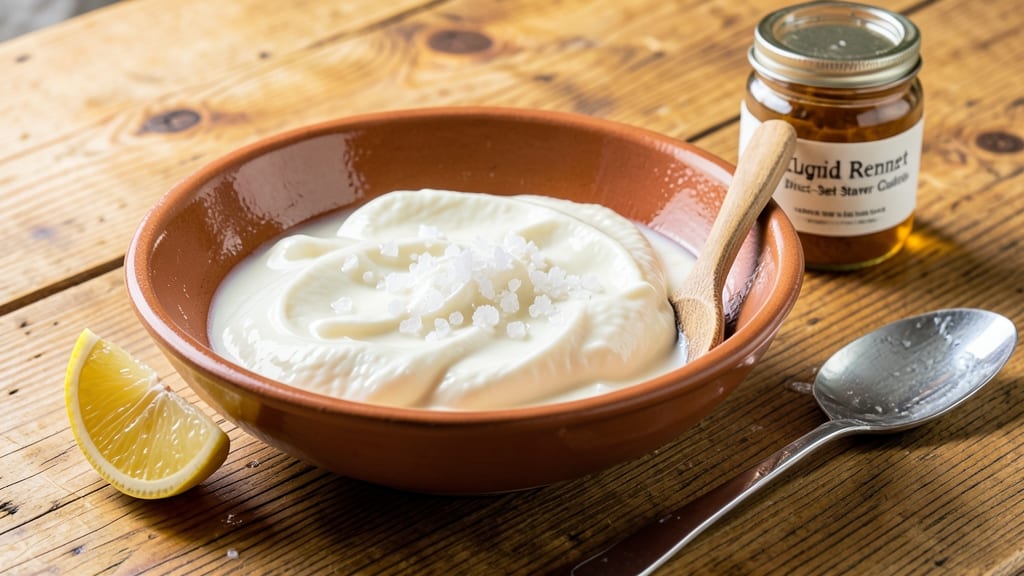
A traditional mozzarella cheese recipe turns your kitchen into an Italian artisan studio, where fresh milk becomes that beloved stretchy, milky-white curd. The process honors centuries-old Neapolitan techniques, where every step—from precise temperature control to the signature hand-stretching—matters for authentic texture and flavor.
This isn’t just cheese; it’s a hands-on experience that rewards patience with restaurant-quality results you can make in your own pot.
The key to success lies in three critical phases: pasteurization to ensure safety, acidification to develop proper curd structure, and the hand-stretched finish that gives mozzarella its signature bounce.
Unlike store-bought versions, homemade mozzarella uses only four core ingredients—whole milk, rennet, a starter culture, and salt—plus a few essential tools like a thermometer and cheesecloth.
The process takes about 90 minutes from start to finish, with hands-on time under 30 minutes, making it surprisingly accessible for a traditional technique.
What you’ll end up with is fresh mozzarella that’s impossibly stretchy, milky, and mild—perfect for caprese salads, pizza toppings, or melting into lasagna. The hand-stretching step isn’t just about texture; it’s what creates that signature "pull" that separates homemade from commercial.
When properly brined and stored, this cheese stays fresh for up to a week, though it’s best enjoyed within 48 hours for peak freshness and flavor.
Whether you’re a cheese enthusiast or a home cook eager to master an Italian classic, this recipe delivers authentic, professional-quality mozzarella without shortcuts. The satisfaction of stretching warm curd into silky strands—knowing you’ve recreated a tradition—makes every step worthwhile. Let’s get started with the full process.
Ingredients for traditional mozzarella cheese
Four core ingredients transform into authentic Neapolitan-style mozzarella with just hands, heat, and patience.
| Ingredient | Amount | Notes |
|---|---|---|
| Whole Milk 🥛 | 4 cups | High-fat content preferred, 3.5% minimum |
| Liquid Rennet 🧀 | ¼ tsp | Single-strength, vegetarian rennet |
| Direct-Set Starter Culture 🦠 | ¼ tsp | Lactobacillus acidophilus blend |
| Diamond Crystal Kosher Salt 🧂 | 1 tsp | Fine grain for even distribution |
| Lemon Juice 🍋 | 1 tbsp | Freshly squeezed, for acidification |
| Distilled Water 💧 | 2 cups | For brining solution |
| Ice Cubes ❄️ | 2 cups | For rapid temperature control |
| Heavy Cream 🥛 | ¼ cup | Optional for extra creaminess |
| Cheesecloth 🧵 | 1 sheet | Muslin or cotton, 18-inch square |
| Thermometer 🌡️ | 1 whole | Instant-read, 0-220°F range |
| Plastic Colander 🥫 | 1 whole | Fine mesh, food-grade |
| Large Stainless Steel Pot 🍲 | 1 whole | 3-quart minimum capacity |
The milk forms the foundation—whole milk with 3.5% fat or higher yields the signature creamy texture. Store-brand milk works, but ultra-pasteurized versions may yield less stretchy curd. For optimal results, grab organic whole milk from Whole Foods or a local dairy—the higher fat content and fresher proteins deliver superior texture. Rennet and starter culture are non-negotiable; vegetarian rennet from New England Cheesemaking Supply ensures proper coagulation without animal derivatives. The starter culture (available in powder or liquid form) kickstarts fermentation, so never skip this step—it’s what develops that mild, tangy flavor. If your local grocery doesn’t carry these, Amazon or specialty cheese shops stock them reliably. Pre-measure your rennet and culture to avoid spills during the delicate acidification phase.
No lemon juice? White vinegar at half the amount works in a pinch, though it may impart a sharper tang. Substitute powdered rennet if liquid isn’t available—just dissolve it in cool water first. For the brine solution, pickling salt or sea salt can replace kosher, but Diamond Crystal dissolves most evenly. The cheesecloth must be 100% cotton or muslin—polyester blends won’t drain properly. No thermometer? A candy thermometer works, but instant-read is ideal for precision. Heavy cream is optional but adds luxurious creaminess; half-and-half works too if you’re skipping it. Pre-cut cheesecloth? Fold it into a 12-inch square for easier handling during the stretching phase—no need for fancy folds, just secure it with a rubber band.
Store unbrined mozzarella in airtight containers with a thin layer of milk or water to retain moisture for up to 24 hours. Brined mozzarella lasts 5-7 days in the fridge—submerge fully in the brine solution to prevent mold. For longer storage, freeze in portions for up to 3 months, but thaw gently in the fridge to preserve texture. Pro tip: Label containers with dates—fresh mozzarella peaks at 48 hours, after which flavor intensifies but texture softens. Portion into single-serving cling wraps for caprese salads or pizza toppings; double-wrap in parchment before freezing to prevent freezer burn. Never microwave—always serve at room temperature for optimal stretch.
Why You'll Love This Recipe
- Five-Ingredient Magic: I swear by this list—whole milk, rennet, a splash of lemon, salt, and that little packet of culture. That’s it. No fancy gadgets, no stress, just you, a pot, and the satisfaction of making something from scratch that still tastes like your nonna’s.
- Melt-Worthy Texture: The lemon juice brightens it just enough, but the real star? That perfect stretch—creamy yet firm, with a snap when you pull it. Fresh off the board, it’s like nothing store-bought can match. (Yes, even the fancy pre-shredded kind.)
- Pantry-to-Table Flex: Make a batch on Sunday, and you’ve got pizza nights, caprese salads, or grilled cheese covered for the week. It keeps beautifully in brine, so I’m always pulling out this same jar for whatever craving hits. No last-minute grocery runs needed.
- Budget Cheese Win: Here’s what sold me—using whole milk instead of specialty creamers cuts costs, but the flavor? Still rich and unapologetic. Plus, a little goes a long way, so I’m stretching my dollar without sacrificing quality. (My wallet and taste buds high-fived.)
Step-by-step instructions for traditional mozzarella cheese
Mastering this method delivers authentic Neapolitan-style mozzarella with perfect elasticity and meltability.
Prepare and Heat the Milk
Combine the 4 cups whole milk with the 0.25 tsp direct-set starter culture in the large stainless steel pot. Stir gently to dissolve the culture completely, ensuring no clumps remain. Place the pot over medium-low heat and warm the mixture to 86°F, stirring occasionally with a wooden spoon. You'll notice small bubbles forming at the sides of the pot—this indicates the culture is activating.
Once the temperature reaches 86°F, remove the pot from heat and let it rest for 5 minutes. This resting period allows the culture to fully integrate with the milk. Then, return the pot to heat and maintain a gentle simmer at 90°F—never exceeding 95°F. Overheating at this stage will kill the starter culture and ruin your curd.
Add Rennet and Form the Curd
Dissolve the 0.25 tsp liquid rennet in 1 tablespoon of the milk from the pot using a whisk. After the milk has rested at 90°F for 5 minutes, remove the pot from heat again and pour in the rennet mixture. Stir gently for 30 seconds, then let the mixture sit undisturbed for 12 minutes.
During this time, you'll see the milk transform from liquid to a firm gel-like substance. When the curd is ready, it will have a clean break—insert a clean knife at the edge of the pot and lift slightly. If the curd holds together and the whey drips cleanly, it's ready. The curd should be firm but still tender, with a smooth, glossy surface. If it's too soft, let it rest another 2-3 minutes.
Cut and Cook the Curd
Return the pot to low heat and cut the curd into ½-inch cubes using a clean, sharp knife. Stir gently for 5 minutes to help release the whey. Then, gradually heat the mixture to 105°F over 30-40 minutes, stirring occasionally. The curd will shrink as it releases more whey—this is normal and indicates proper cooking.
Once the curd reaches 105°F, remove it from the heat and let it rest for 5 minutes. Line the plastic colander with the cheesecloth and drain the curd thoroughly, allowing the whey to fully separate. The curd should be firm but still slightly springy to the touch. If it feels too soft, let it drain another 5-10 minutes.
Stretch and Shape the Mozzarella
Transfer the drained curd to the large stainless steel pot and add the 2 cups distilled water and 2 cups ice cubes. Stir gently to bring the temperature down to 95°F—this is critical for proper stretching. Once the curd reaches this temperature, begin kneading and stretching it with your hands, adding the 0.25 cup heavy cream and 1 tsp diamond crystal kosher salt gradually.
Here's the traditional technique: pinch off a small piece of curd and stretch it between your palms, folding it back on itself. Repeat this motion, working the curd vigorously for 3-5 minutes until it becomes smooth, elastic, and glossy. The mozzarella should pull into thin strands when stretched and snap back rather than tear. If it feels too sticky, add a few more ice cubes to lower the temperature slightly.
Acidify and Finish
Once the mozzarella reaches the desired consistency, transfer it to a bowl and stir in the 1 tablespoon lemon juice. This acidification step enhances the flavor and helps preserve the cheese. Shape the mozzarella into a log or balls, wrapping it tightly in the cheesecloth to maintain its shape. Place it in a sealed container and refrigerate for at least 4 hours before serving.
The finished mozzarella should have a mild, slightly tangy flavor with a clean, milky aroma. Its texture should be soft yet resilient, with a slight bounce when pressed. For best results, use within 5-7 days or freeze for longer storage. This traditional method delivers the authentic, melt-in-your-mouth quality of Neapolitan mozzarella.
Pro Tips For Making Traditional Mozzarella Cheese
- Acidify First: Mix in the lemon juice before heating the milk—this prevents curdling later. I learned this the hard way after watching a batch of whole milk turn into scrambled eggs mid-coagulation.
- Heat Slowly to 90°F: Warm the milk to 90°F (32°C) gradually—no faster than 1°F per minute. Rushing this step makes the curd tough and rubbery, and you’ll end up with something closer to cottage cheese than mozzarella.
- Cut Curds Like Butter: Use a sharp knife to slice the curds into rice-sized pieces—no bigger, no smaller. Larger chunks won’t drain well, and smaller ones release too much whey, both ruining texture.
- Salt the Whey: Dissolve the kosher salt in the whey before adding it to the curds—this ensures even distribution. I used to sprinkle it on top, and half the batch ended up bland while the other half was overpowering.
Best sauces and condiments for this dish
Classic Marinara
This tomato-based sauce is the ultimate partner for fresh mozzarella, balancing its mild sweetness with bright acidity. Use San Marzano tomatoes (canned or fresh) for their natural sweetness and low acidity.
Simmer 1 can (28 oz) crushed tomatoes with 3 garlic cloves, 1 tsp red pepper flakes, 1 tsp dried oregano, and salt to taste over low heat for 30 minutes.
Finish with 2 tbsp fresh basil and a splash of extra-virgin olive oil—this sauce should coat the back of a spoon but remain chunky. 🍅
Garlic-White Wine Sauce
For a richer pairing, try a garlic-white wine sauce that complements mozzarella’s creaminess. Sauté 4 minced garlic cloves in 2 tbsp olive oil until fragrant, then deglaze with ½ cup dry white wine (like Pinot Grigio).
Reduce by half, then stir in ½ cup heavy cream and 1 tbsp fresh parsley. Simmer for 5 minutes until thickened—this sauce adds a luxurious touch to caprese salads or grilled mozzarella dishes. 🍷
Balsamic Glaze
A reduced balsamic glaze elevates mozzarella with its tangy depth. Heat ½ cup balsamic vinegar in a small saucepan over medium heat until reduced by half (about 10 minutes). Drizzle lightly over sliced mozzarella or use as a finishing touch for mozzarella-stuffed shells.
For extra richness, add 1 tsp honey or 1 tsp brown sugar to the reduction. 🍯
Pesto Variations
Traditional basil pesto is a classic, but mozzarella also pairs beautifully with walnut pesto or arugula pesto for added complexity.
Blend 2 cups fresh basil (or arugula) with ½ cup walnuts (or pine nuts), ½ cup grated Parmesan, 2 garlic cloves, ¼ cup olive oil, and salt to taste. Thin with a splash of whey (from your cheese-making process!) for a smoother texture.
Serve with mozzarella on garlic bread or as a dip. 🌿
Spicy Arrabbiata
For heat lovers, arrabbiata sauce cuts through mozzarella’s mildness with fiery Calabrian chili paste. Simmer 1 can (14 oz) crushed tomatoes with 2 tbsp Calabrian chili paste, 3 minced garlic cloves, 1 tsp sugar, and salt for 20 minutes.
Finish with fresh basil and a drizzle of olive oil. This sauce works perfectly with mozzarella-stuffed mushrooms or as a pizza topping. 🌶️
Honey-Lemon Dressing
A simple honey-lemon dressing brightens mozzarella’s flavor without overpowering it. Whisk together 3 tbsp extra-virgin olive oil, 2 tbsp honey, 1 tbsp lemon juice, 1 tsp Dijon mustard, and salt to taste.
Drizzle over mozzarella skewers or use as a marinade for grilled mozzarella. The sweet-tart balance enhances the cheese’s natural milkiness. 🍯
Nutrition facts
Frequently asked questions
Why does my homemade mozzarella turn out rubbery instead of stretchy?
The most common cause is overworking the curd during stretching or letting it cool too quickly. Keep the curd at 95°F while stretching—if it feels sticky or gummy, add more ice water gradually. Also, avoid over-salting or adding acid (like lemon juice) too early, as this tightens the protein structure. The key is gentle, rhythmic kneading until it becomes smooth and elastic.
Can I make traditional mozzarella without rennet?
Technically yes, but the texture will differ significantly. Rennet creates the proper curd structure for stretchy mozzarella. Without it, you can use 1 tbsp lemon juice or vinegar per gallon of milk to acidify, but the result will be more like farmer's cheese—less elastic and with a tangier flavor. For authentic mozzarella, rennet is essential for that signature bounce.
How do I store homemade mozzarella to extend its shelf life?
Fresh mozzarella lasts 3-5 days in the fridge when stored properly. Submerge it in a 1:1 water-to-salt brine solution (e.g., 1 cup water + 1 tsp salt) in an airtight container. For longer storage, freeze in portions wrapped tightly in plastic wrap and parchment paper—it keeps for up to 3 months. Always thaw in the fridge overnight to preserve texture.
What’s the difference between fresh mozzarella and low-moisture mozzarella?
Fresh mozzarella is made with whole milk and no aging, giving it a high moisture content (60-70%) and mild flavor. Low-moisture mozzarella is dried and aged for 1-2 weeks, reducing moisture to 50% and developing a firmer texture and sharper taste. The stretching technique is the same, but low-moisture requires more draining and handling to achieve the right consistency.
Can I use powdered milk instead of fresh whole milk?
Not for traditional mozzarella—powdered milk lacks the fat and protein needed for proper curd formation and stretch. The recipe requires whole milk with 3.5% fat or higher to achieve that authentic, creamy texture. If you’re short on fresh milk, consider using ultra-pasteurized whole milk (though texture may be slightly less ideal) or sour cream mixed with milk to boost fat content.