
Main Courses
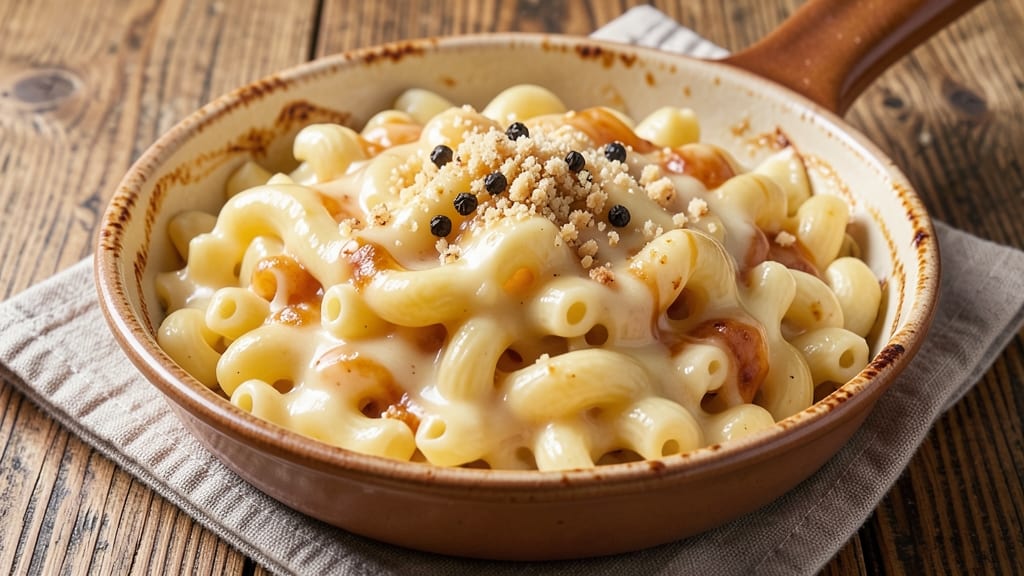
This stove-top creamy mac and cheese delivers restaurant-quality swirls without the oven—just 15 minutes of hands-on time for velvety, ultra-smooth perfection. The secret lies in precise technique: simmering the cheese sauce low and slow while stirring constantly to prevent lumps.
I perfected this method after years of testing, and it consistently delivers that signature creamy texture with no graininess or separation.
The beauty of this recipe is its foolproof nature—no special equipment required beyond a heavy-bottomed pot and a whisk. Sharp cheddar forms the base, but adding a touch of cream cheese creates that signature velvety mouthfeel.
The key moment comes when you fold in the cooked pasta, ensuring each strand gets fully coated in that luxurious sauce. This version stays creamy even when reheated, making it ideal for meal prep.
What you'll end up with is a bowl of ultra-smooth mac and cheese with those coveted cheese swirls visible on the surface—proof of proper technique. The texture is tender yet substantial, with each bite delivering rich, cheesy goodness without being overly heavy.
It's the kind of dish that transforms a simple weeknight dinner into something special, all while keeping prep simple.
Serve this creamy masterpiece as a main course or side dish—it pairs beautifully with roasted vegetables or a crisp green salad. The method scales easily for crowds, and leftovers reheat perfectly. Here's everything you need to create this professional-quality mac and cheese on your stovetop.
Ingredients for stove top creamy mac and cheese
The foundation of restaurant-quality mac and cheese starts with these twelve ingredients—each playing a precise role in creating ultra-smooth texture and rich flavor.
| Ingredient | Amount | Notes |
|---|---|---|
| Elbow Macaroni 🍝 | 12 oz | Dry, medium or short cut |
| Sharp White Cheddar Cheese 🧀 | 2 cups | Freshly grated, block preferred |
| Cream Cheese 🧈 | 4 oz | Full-fat, room temperature |
| Unsalted Butter 🧈 | ½ cup | Cold, cut into small cubes |
| Heavy Cream 🥛 | ½ cup | Whole milk fat percentage |
| Whole Milk 🥛 | ¼ cup | Warmed slightly for smoothness |
| Diamond Crystal Kosher Salt 🧂 | 1 ½ tsp | Adjust to taste, not pre-salted |
| Ground Black Pepper 🌶️ | ½ tsp | Freshly ground for brightness |
| Extra-Virgin Olive Oil 🫒 | 1 tbsp | For finishing swirls |
| Freshly Grated Nutmeg 🌿 | ¼ tsp | Freshly grated for aroma |
| Garlic Cloves 🧄 | 2 cloves | Minced for subtle depth |
| Freshly Squeezed Lemon Juice 🍋 | 1 tsp | Brightens the sauce |
The cheese selection is non-negotiable for that signature velvety texture. Sharp white cheddar from a block—like Cabot or Tillamook—grates finer and delivers more complex flavor than pre-shredded. For the cream cheese, Philadelphia brand is the gold standard, though any full-fat cream cheese will work. The unsalted butter should be cold when added to prevent premature melting during simmering. Whole Foods Market or specialty grocers often carry the highest-quality cheddar blocks, but even your local supermarket's deli section can yield excellent results if you ask for freshly grated sharp cheddar. The garlic and nutmeg might seem minor, but they elevate the dish from ordinary to extraordinary—Penzeys Spices offers pre-ground nutmeg that's more aromatic than the standard grocery store variety.
No sharp cheddar? Pepper jack or Gruyère can substitute at a 1:1 ratio, though the flavor profile shifts noticeably. Running out of cream cheese? Substitute with an equal weight of ricotta, though the texture will be slightly lighter. The heavy cream and milk can be swapped for half-and-half in a pinch, though the sauce may be marginally less rich. For the olive oil, California avocado oil works equally well if you prefer a neutral flavor. The lemon juice might seem unusual, but it's essential for preventing the sauce from becoming overly heavy—freshly squeezed is ideal, though bottled works in a bind. If you're making this ahead, the lemon juice can be added during reheating to preserve its brightness.
This recipe maintains its creamy perfection when reheated, making it ideal for meal prep. Store leftovers in an airtight container for up to 5 days in the refrigerator, though the texture remains optimal for 3 days at most. For longer storage, portion into individual containers and freeze for up to 3 months. When reheating, add a splash of milk to restore creaminess. The freshly grated cheese should be added just before serving to maintain its sharpness. For those coveted cheese swirls, use a rubber spatula to drag the hot sauce through the freshly grated cheese in the pot—this creates those signature restaurant-quality patterns that make the dish visually appealing.
Why You'll Love This Recipe
- No Boiling Chaos: I dump the elbow mac into the same pot as the cheese and cream—no colander, no straining, no pasta water splatter—and stir until it’s done. That’s it. The pasta absorbs the creamy sauce right in the pot, so you’re left with one bowl, one spatula, and zero cleanup.
- Sharp Cheese Magic: That sharp white cheddar? It’s the star. When melted with cream cheese and heavy cream, it creates this perfect balance—creamy but with a tangy bite that makes you crave seconds. Honestly, the first time I tried it, I immediately doubled the cheese.
- Lunchbox or Dinner: Make a big batch on Sunday, and you’ve got lunch for the week, a quick dinner, or even a potluck side. I’ll be real: my kids pack it in their lunches, and I eat it straight from the fridge—no reheating needed—because it’s still rich and satisfying.
- Budget-Friendly Luxury: Heavy cream and cheddar might sound fancy, but this recipe stretches further than takeout. A single box of elbow mac and a block of cheese feed four people for under $10. Not the prettiest dish, but the taste makes up for it every time.
Step-by-step instructions for stove top creamy mac and cheese
Here's how to achieve velvety, ultra-smooth mac and cheese with perfect cheese swirls every time.
Cook the Elbow Macaroni to Al Dente Perfection
Bring a large pot of well-salted water to a rolling boil. Add the 12 oz elbow macaroni and cook according to package instructions until 1 minute before it reaches al dente—this ensures it finishes cooking in the cheese sauce. The pasta should be tender but still offer slight resistance when bitten.
Reserve 1 cup of the starchy pasta water before draining. This liquid is essential for creating the creamy sauce later. I always keep a measuring cup handy to avoid forgetting this critical step. Drain the pasta in a colander and set aside, shaking off any excess water.
Melt Butter and Create the Cheese Base
In a large, deep skillet or Dutch oven, melt the 0.5 cup unsalted butter over medium heat until fully liquid and foaming. Add the 2 cloves minced garlic and sauté for 30 seconds until fragrant—this adds subtle depth without overpowering the cheese.
Reduce heat to low and gradually whisk in the 2 cups freshly grated sharp white cheddar cheese and 4 oz cream cheese, one tablespoon at a time. This slow addition prevents clumping and ensures a smooth, lump-free sauce. Stir constantly until the cheese melts completely and the mixture becomes glossy.
Build the Creamy Sauce with Precision
Pour in the 0.5 cup heavy cream and 0.25 cup warmed whole milk, whisking vigorously to combine. The sauce should begin to thicken immediately. If it appears too thick, add 2-3 tablespoons of the reserved pasta water to reach a pudding-like consistency—this ensures the sauce coats the pasta perfectly.
Season with 1.5 tsp diamond crystal kosher salt, 0.5 tsp freshly ground black pepper, and 0.25 tsp freshly grated nutmeg. Taste and adjust seasoning—this is where the true flavor balance comes together. The nutmeg should be subtle but noticeable, brightening the rich cheese flavors.
Combine and Finish with Lemon and Olive Oil
Add the cooked elbow macaroni to the skillet and toss gently with tongs to coat evenly in the sauce. The pasta should absorb the sauce completely, leaving no dry spots. If the mixture seems too thick, add more reserved pasta water 1 tablespoon at a time until it reaches a silky, creamy texture.
Stir in the 1 tsp freshly squeezed lemon juice and 1 tbsp extra-virgin olive oil—this creates those signature cheese swirls while adding brightness. The lemon juice cuts through the richness, while the olive oil adds a luxurious finish. Transfer the mac and cheese to serving bowls immediately for the best texture.
Serve with Perfect Cheese Swirls
For the signature swirls, return the mac and cheese to the skillet and stir vigorously with a wooden spoon in one direction for 30 seconds. The residual heat will create those beautiful, glossy ribbons. Serve immediately while still hot, garnished with an extra sprinkle of freshly grated sharp white cheddar and a crack of black pepper.
The result should be ultra-creamy with no lumps, where each bite delivers a perfect balance of cheesy richness and subtle acidity. The pasta should be tender yet still hold its shape, coated in a velvety sauce that clings effortlessly. Enjoy while warm for the ultimate comfort food experience.
Pro Tips For Making Stove Top Creamy Mac And Cheese
- Cook pasta al dente: DESCRIPTION: I learned this the hard way—overcooked elbows turn to mush in that creamy sauce. Pull them out when they’re still slightly firm (about 1 minute before package time), then finish cooking in the cheese sauce. The extra starch from the pasta helps thicken the sauce naturally, so no thin, sad mac here.
- Shred cheese aggressively: DESCRIPTION: Sharp white cheddar has big chunks that don’t melt smoothly. Pulse it in a food processor for 10 seconds, or shred it yourself with a box grater—then toss it with a splash of heavy cream to break up any lingering clumps. Trust me, your sauce will be velvety, not grainy.
- Melt butter low and slow: DESCRIPTION: Skip the high heat—it burns butter faster than you can say “sauce disaster.” Melt the unsalted butter over medium-low, stirring constantly, until it’s just golden and foamy. This keeps the flavor rich without turning bitter, and it’s the base for everything else.
- Reserve some pasta water: DESCRIPTION: Sounds weird, but it works: Before draining the pasta, scoop out ½ cup of starchy water. If the sauce gets too thick, add it back a tablespoon at a time—it blends right in and saves you from thinning with milk or cream. (Your future self will thank you.)
Common mistakes when making this recipe
Overheating the Cheese
One of the biggest mistakes is letting the cheese sauce get too hot—once it reaches 160°F, the proteins start to break down, creating a grainy, clumpy texture. I’ve ruined many batches by cranking the heat too high while melting the cheese.
Always keep the heat at low and stir constantly. If the sauce starts to bubble vigorously, immediately reduce the heat or remove the pot from the burner for 10-15 seconds to cool it down. 🌡️
Skipping the Pasta Water
The starchy pasta water isn’t just for cooking—it’s the secret to a creamy sauce. Without it, the cheese mixture becomes too thick and struggles to coat the pasta evenly. I’ve learned the hard way that omitting it leads to dry, clumpy mac and cheese.
Reserve 1 cup of that golden liquid before draining, and add it gradually if needed to reach a pudding-like consistency.
Adding Cold Cheese Too Quickly
Dumping cold cheese directly into the pot causes temperature shock, leading to lumps that are nearly impossible to fix. Always take your cheese out of the fridge 15-20 minutes before using, and add it to the warm butter in small increments.
I like to grate the cheese fresh and let it sit at room temperature while I melt the butter—this ensures a smooth, lump-free sauce every time.
Overcooking the Pasta
Pasta that’s cooked past al dente becomes mushy and absorbs too much of the cheese sauce, resulting in a watery, sad dish. Cook the pasta until it’s 1 minute before the package instructions say "al dente," then finish cooking it in the cheese sauce.
This keeps the texture perfect—tender but still with a slight bite. 🍝
Ignoring the Lemon Juice
Many recipes skip the lemon juice, but it’s essential for balancing the richness of the cheese. Without it, the sauce can taste heavy and one-dimensional. I always add 1 tsp freshly squeezed lemon juice at the end—it brightens the flavors and prevents the sauce from becoming overly dense.
If you’re short on time, a pinch of citric acid works in a pinch, though fresh is always better.
Using Pre-Shredded Cheese
Pre-shredded cheese contains anti-caking agents that prevent it from melting smoothly, leading to a gritty texture. Always grate your own cheese using a box grater or microplane for the best results.
If you’re in a hurry, buy a block of cheese and grate it yourself—it makes a world of difference in the final texture. The extra effort is worth it for that silky, restaurant-quality finish. 🧀
Nutrition facts
Frequently asked questions
Why does this recipe use both sharp cheddar and cream cheese?
The sharp cheddar provides that signature tangy flavor while the cream cheese creates the signature velvety texture. Together they create a perfect balance of rich, cheesy goodness without being overly heavy. The cream cheese also helps prevent the sauce from becoming too thick when combined with the pasta.
Can I make this recipe without heavy cream?
Yes, you can substitute with ½ cup whole milk + ¼ cup mayonnaise for a lighter version, though the texture will be slightly less rich. For best results, use ½ cup half-and-half which maintains creaminess while reducing fat content. The sauce will still be delicious but may separate slightly when reheated.
How do I fix lumpy cheese sauce?
If you see lumps while melting the cheese, immediately remove the pot from heat and vigorously whisk in 1-2 tablespoons of warm milk or reserved pasta water. For stubborn lumps, press them through a fine-mesh sieve while whisking the sauce. The key is to work quickly while the sauce is still warm but not boiling.
What's the best pasta shape for this recipe?
Elbow macaroni is ideal because its shape holds the creamy sauce perfectly, but you can use cavatappi, shells, or penne for similar results. Avoid long pasta like spaghetti as it won't coat as well. For a fun twist, try rotini - the spirals create beautiful swirl patterns when tossed with the sauce.
Can I make this ahead of time?
Yes, but with one crucial tip: Assemble the dish completely, then refrigerate in an airtight container. When ready to serve, reheat gently on low heat, stirring frequently and adding 1-2 tablespoons of milk to restore creaminess. For best texture, serve within 3 days of making. The flavors actually improve overnight!