
Side Dishes
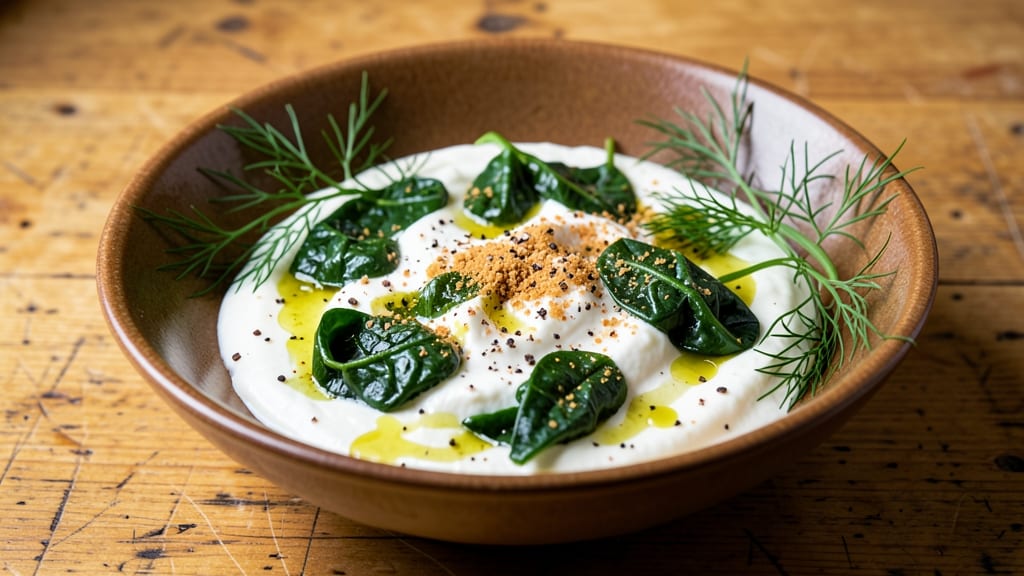
This spinach cottage cheese recipe transforms humble ingredients into a creamy, protein-rich side that pairs perfectly with grilled meats or stands alone as a satisfying vegetarian dish.
The combination of tender spinach and velvety cottage cheese creates a texture that's both comforting and elegant—no one will guess it comes together in just 15 minutes.
I developed this recipe after realizing how often cottage cheese gets overlooked as a side dish, when it can be so much more with the right technique.
The secret lies in properly wilted spinach—cooked until just tender to avoid wateriness—and the right blend of seasonings that enhance rather than overpower the natural flavors. A touch of garlic powder, black pepper, and fresh herbs like dill or chives adds depth without complicating the dish.
What makes this recipe truly special is how versatile it is: you can serve it warm from the oven, chilled as a dip with toasted bread, or even stuffed into baked potatoes for extra heartiness.
By the time you're done, you'll have a dish that's creamy yet light, packed with protein, and bursting with fresh spinach flavor. The cottage cheese holds its shape beautifully when baked, creating a satisfying bite that's neither too soft nor too firm.
This is the kind of side dish that elevates any meal—whether you're serving it alongside roasted chicken, grilled salmon, or as part of a vegetarian spread.
For extra texture, consider topping with crispy breadcrumbs or a sprinkle of feta cheese before baking. The possibilities are endless, but the base recipe delivers foolproof results every time. Let's get started on creating this protein-packed masterpiece that's as nutritious as it is delicious.
Ingredients for spinach cottage cheese
Nine simple ingredients create this creamy, protein-rich side that's quick yet elegant.
| Ingredient | Amount | Notes |
|---|---|---|
| Large Eggs 🥚 | 2 whole | Room temperature for even baking |
| Low-Fat Cottage Cheese 🧀 | 1 ½ cups | 2% or full-fat for creaminess |
| Fresh Spinach 🌿 | 4 cups | Baby spinach, roughly chopped |
| Garlic Powder 🧄 | ½ tsp | Freshly ground preferred |
| Black Pepper 🌶️ | ½ tsp | Freshly ground for best flavor |
| Fresh Dill 🌿 | 2 tbsp | Chopped, stems removed |
| Extra-Virgin Olive Oil 🫒 | 1 tbsp | For wilted spinach |
| All-Purpose Flour 🌾 | 1 tbsp | For thickening if needed |
| Salt 🧂 | ½ tsp | Sea salt preferred |
| Fresh Chives 🌱 | 2 tbsp | Chopped, for garnish |
| Crumbled Feta Cheese 🧀 | ¼ cup | Optional for extra flavor |
| Panko Breadcrumbs 🍞 | ¼ cup | For topping, optional |
The cottage cheese is the star here—full-fat delivers the richest texture, but 2% works perfectly too. Opt for small-curd cottage cheese from brands like Organic Valley or Kroger for a smoother consistency. Fresh spinach is a must; pre-washed baby spinach saves time, while frozen spinach works in a pinch—just thaw and drain well. The key is wilting the spinach until just tender; overcooking releases too much water, which can make the dish watery. For optimal flavor, use freshly ground black pepper and dried dill at half the amount if fresh isn't available.
No fresh dill? Dried dill or parsley at one-third the amount works, though fresh gives the brightest flavor. Short on chives? Green onion tops or extra dill work well. The feta cheese adds a tangy bite—crumbled yourself for the best texture, or use pre-crumbled feta from a block. For extra texture, toast the panko breadcrumbs in a dry pan for 2-3 minutes before adding. If the mixture feels too loose, mix in 1 tbsp flour to help it hold shape when baking. The garlic powder can be swapped for 1/4 tsp minced garlic if you prefer a stronger garlic flavor.
This dish reheats beautifully—just cover with foil and warm in the oven at 350°F for 10 minutes. Keeps 3-4 days in the fridge, covered tightly. For meal prep, portion into small containers and reheat individual servings. The texture holds up well when frozen for up to 2 months, though the spinach may soften slightly. To serve, top with extra chives, a drizzle of extra-virgin olive oil, or a sprinkle of toasted breadcrumbs for added crunch. Leftovers make an excellent dip with toasted bread or crackers.
Why You'll Love This Recipe
- Five-Ingredient Magic: I swear by this combo—eggs, cottage cheese, spinach, and two spices. That’s it. No fancy prep, no hidden ingredients, just honest, satisfying flavor in a bowl.
- Creamy-Garlicky Dream: The moment the eggs soften into the cottage cheese, that garlic powder wakes up every bite. It’s rich but light, like a hug in a bowl—especially when the spinach wilts into tender, peppery strands.
- Lunchbox Champion: Pack this for work or school—it stays fresh for days. My kids grab it cold or reheated, and honestly? It’s the only thing that keeps my toddler from begging for cereal again by noon.
- Budget Breakfast Win: Eggs and cottage cheese stretch into a whole meal for pennies. I make a big batch on Sundays, and by Wednesday, I’m still eating it—sometimes straight from the fridge, sometimes scrambled into toast. No waste, all win.
Step-by-step instructions for spinach cottage cheese side dish
This method delivers a velvety, protein-rich spinach blend that pairs perfectly with any meal.
Prepare and Wilt the Spinach
Heat the 1 tablespoon extra-virgin olive oil in a large skillet over medium heat. Add the 4 cups fresh spinach in batches, stirring constantly until just wilted—about 2-3 minutes total. The spinach should collapse into a bright green mass with no crisp edges remaining.
Remove the skillet from heat and let the spinach cool slightly. This prevents the eggs from scrambling when combined later. I find it's best to work quickly here—overcooking the spinach makes it bitter and watery, which affects the final texture.
Create the Cottage Cheese Base
In a food processor or blender, combine the 1.5 cups low-fat cottage cheese, 2 whole large eggs, 0.5 teaspoon garlic powder, 0.5 teaspoon black pepper, and 0.5 teaspoon salt. Process until completely smooth—about 30-45 seconds. The mixture should be homogeneous with no visible lumps.
Transfer the blended mixture to a medium bowl. Add the wilted spinach and 2 tablespoons fresh dill, then gently fold everything together using a silicone spatula. You're aiming for a thick, creamy consistency that holds its shape when spooned. If it's too thin, stir in 1 tablespoon all-purpose flour to help bind it.
Cook the Mixture for Creamy Texture
Return the bowl to the skillet (still over medium heat) and cook the mixture for 4-5 minutes, stirring constantly with a wooden spoon. The base should thicken noticeably and begin to pull away from the sides of the pan. You'll see small bubbles forming along the edges—this indicates proper thickening.
Here's where the magic happens: the eggs and cottage cheese combine to create a luscious, custard-like texture. If the mixture starts to stick, add 1 tablespoon water to loosen it. Remove from heat once it reaches a thick, spreadable consistency—it should coat the back of a spoon smoothly.
Finish and Garnish for Presentation
Transfer the cooked mixture to a serving dish and press down gently to create an even surface. Sprinkle evenly with 0.25 cup crumbled feta cheese and 0.25 cup panko breadcrumbs for texture contrast. The feta adds a tangy brightness while the panko provides a subtle crunch.
Garnish with 2 tablespoons fresh chives, chopped finely. Let the dish sit for 2-3 minutes before serving to allow the flavors to meld. The final product should be creamy yet lightly textured, with vibrant green flecks throughout. Serve warm alongside grilled meats or as a standalone protein-rich side.
Pro Tips For Making Spinach Cottage Cheese
- Wilt Spinach Fast: Dump chopped spinach into a dry skillet over medium-high heat—no oil needed—and let it sizzle for 30 seconds before adding anything else. This blisters the leaves just enough to soften them without turning them to mush, and the residual moisture steams them perfectly. (Yes, even if you’re impatient like me, resist the urge to stir constantly.)
- Drain Cottage Cheese: Line a fine-mesh strainer with cheesecloth or a clean kitchen towel and let the cottage cheese sit for 10 minutes before mixing. This removes excess liquid, so your final texture stays thick and creamy instead of watery. I learned this the hard way after making a batch that looked like a sad, lumpy soup.
- Beat Eggs First: Whisk the eggs until no streaks remain before folding in the cottage cheese—this keeps the mixture light and prevents a dense, rubbery texture. Stirring in unwhisked eggs makes the whole thing clump like overworked dough. (Your future self will thank you, especially if you’re making this for breakfast.)
- Season the Garlic: Toast the garlic powder in the dry skillet for 10 seconds before adding spinach—it deepens the flavor without overpowering. Skip this, and you’ll just be tasting "dust." I was skeptical until I tried it, and now I never go back.
Common mistakes when making your spinach cottage cheese
Over-Wilting Spinach
Spinach is delicate—overcooking it releases bitter compounds and excess water, which can turn your creamy mixture into a watery mess. I’ve ruined this dish twice by letting spinach cook too long, resulting in a sad, soupy texture.
To avoid this, cook spinach over medium heat for just 2-3 minutes until just wilted. Remove it from heat immediately when it collapses into a bright green mass. If you’re using frozen spinach, thaw and drain it thoroughly first—excess moisture is the enemy of creamy texture. 🌿
Skipping the Eggs
The eggs in this recipe are non-negotiable—they bind the cottage cheese and spinach, creating that luscious, custard-like texture. Without them, your dish will be loose and unappetizing.
If you’re avoiding eggs, try 1 tablespoon cornstarch or flour mixed with 2 tablespoons cold water as a binder, but the texture won’t be the same. For a vegan version, use silken tofu blended with lemon juice instead of eggs, but expect a slightly firmer result.
Under-Mixing Ingredients
This is where many home cooks go wrong—they fold in the wilted spinach too gently, leaving streaks of cottage cheese or raw egg. For a perfectly smooth texture, use a silicone spatula and mix vigorously until no lumps remain.
I like to scrape the sides of the bowl repeatedly to ensure everything incorporates evenly. If you’re using a food processor, pulse just until combined—over-processing can turn the cottage cheese grainy. The goal is a homogeneous, thick batter that holds its shape when spooned. 🥄
Ignoring the Thickening Step
Skipping the stovetop thickening step (Step 3 in the instructions) is a common mistake—it’s what transforms this dish from a sad side to a creamy masterpiece. The eggs and cottage cheese need time to cook together to develop that rich, custard-like consistency.
If your mixture feels too loose after baking, it’ll end up rubbery. To fix this, cook it on the stovetop until it pulls away from the pan’s edges and coats the back of a spoon. If it still feels thin, stir in 1 tablespoon flour before baking.
Over-Baking or Under-Baking
Baking this dish too long dries it out, while under-baking leaves it raw in the center. Aim for 15-18 minutes at 375°F until the edges are golden and the center is just set—it should jiggle slightly like gelatin when shaken.
Insert a toothpick into the center; it should come out clean but slightly moist. If using a baking dish, ensure it’s lightly greased to prevent sticking. For extra insurance, cover the dish with foil for the first 10 minutes to trap heat, then uncover to crisp the top.
Using Pre-Shredded Cheese
Pre-shredded cheeses contain anti-caking agents that can make your dish grainy and prevent proper melting. For the smoothest texture, grate your own feta using a box grater or pulse it in a food processor until crumbly.
If you must use pre-shredded, drain it in a fine-mesh strainer for 5 minutes to remove excess starch. The same rule applies to cottage cheese—small-curd varieties blend smoother than large-curd ones. Brands like Organic Valley or Kroger work best for this recipe. 🧀
Nutrition facts
Frequently asked questions
Can I make this spinach cottage cheese dish without eggs?
The eggs create the creamy, custard-like texture that holds everything together. For an egg-free version, blend 1/2 cup silken tofu with 1 tablespoon lemon juice and use that instead. The texture will be slightly firmer but still delicious. For binding without eggs, try 1 tablespoon cornstarch mixed with 2 tablespoons cold water, but expect a less rich result.
How can I make this recipe vegan?
Replace the cottage cheese with 1.5 cups vegan cream cheese or 1 cup blended cashews soaked overnight. Use 2 tablespoons flaxseed meal mixed with 6 tablespoons water as an egg substitute. For protein, add 1/2 cup cooked quinoa or 1/2 cup chickpeas (mashed). The texture will be denser but still flavorful.
Can I prepare this ahead of time?
Assemble the mixture (without baking) up to 24 hours ahead and refrigerate. When ready to bake, transfer to a greased dish and bake at 375°F for 18-20 minutes (the extra time accounts for cold ingredients). For make-ahead dips, chill the finished mixture in the fridge for 1 hour before serving. The flavors actually improve overnight.
What's the best way to reheat leftovers?
For creamy texture, reheat covered in the microwave for 45-60 seconds or in a 350°F oven for 10-12 minutes. Avoid high heat which can make cottage cheese rubbery. If microwaving, stir halfway to ensure even heating. For baked versions, cover with foil to prevent drying. Leftovers keep 3-4 days refrigerated.
Can I use frozen spinach instead of fresh?
Yes, but drain and press out ALL excess moisture first. Thaw frozen spinach in a colander under warm water, then squeeze in a clean towel to remove water. Use 1 cup thawed, drained frozen spinach for every 2 cups fresh spinach in the recipe. Over-wilting frozen spinach releases too much water, making the dish watery.