Main Courses
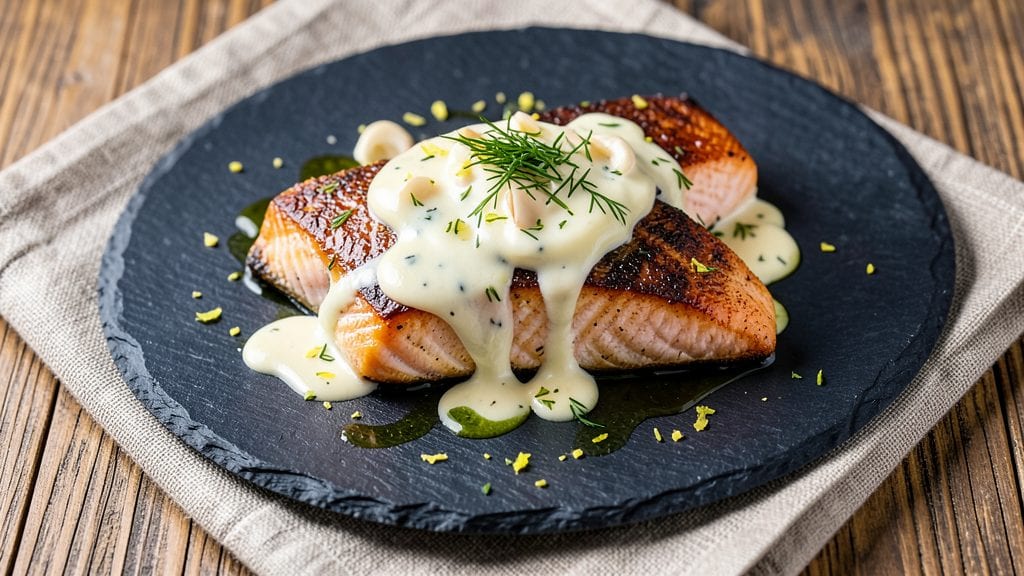
This salmon with cream cheese recipe transforms a simple weeknight meal into something restaurant-worthy with just one pan and 25 minutes of hands-on time. The secret lies in perfectly seared salmon paired with a velvety lemon-dill cream cheese sauce that ties everything together—no complicated techniques required.
I developed this after years of testing salmon recipes, and this version finally delivers that balance of crispy skin, tender flesh, and a sauce that's rich without being heavy.
The process is straightforward: start by searing skin-on salmon fillets in a hot pan until golden, then finish them in the oven for even cooking.
While they rest, you'll whip up the cream cheese sauce using just a handful of ingredients—fresh dill, lemon zest, and a touch of garlic—that infuse the salmon with bright, herby notes.
The sauce is thick enough to coat the salmon beautifully but light enough to let the natural flavor shine through.
What you end up with is a dish that looks as impressive as it tastes: salmon with crispy, caramelized skin, flaky pink centers, and a sauce that clings perfectly to every bite.
Serve it over a bed of roasted asparagus or with a simple quinoa pilaf to round out the meal. This recipe proves that elegant dinners don't require hours in the kitchen—just the right techniques and a few quality ingredients.
Perfect for date nights, special occasions, or when you want to impress guests without stressing over complicated recipes. The best part? Leftovers reheat beautifully, making it a great option for meal prep. Let's get started on this one-pan masterpiece.
Ingredients for salmon with cream cheese
Just 13 ingredients for restaurant-quality salmon with velvety lemon-dill cream cheese sauce.
| Ingredient | Amount | Notes |
|---|---|---|
| Skin-On Salmon Fillets 🐟 | 4 whole | Center-cut, 6-8 oz each |
| Full-Fat Cream Cheese 🧈 | 8 oz | Room temperature preferred |
| Fresh Dill 🌿 | ⅓ cup | Finely chopped, stems removed |
| Lemon Zest 🍋 | 1 tbsp | From 1 medium lemon |
| Garlic Cloves 🧄 | 2 cloves | Minced, fresh preferred |
| Extra-Virgin Olive Oil 🫒 | 2 tbsp | For searing, high smoke point |
| Unsalted Butter 🧈 | 2 tbsp | Cold, cut into small cubes |
| Lemon Juice 🍋 | 2 tbsp | Freshly squeezed |
| Kosher Salt 🧂 | 1 tsp | Plus extra for seasoning |
| Ground Black Pepper 🌶️ | ½ tsp | Freshly cracked |
| Heavy Cream 🥛 | ¼ cup | Full-fat for richness |
| Fresh Lemon 🍋 | 1 whole | For garnish, sliced |
| Fresh Parsley 🌿 | 2 tbsp | Chopped, for garnish |
The salmon makes or breaks this dish. Center-cut fillets with skin are non-negotiable—the skin crisps beautifully while the flesh stays tender. I always buy wild-caught Alaskan salmon from the seafood counter at Whole Foods or Trader Joe's—it's pricier but the flavor difference is noticeable. If you're buying frozen, thaw it overnight in the fridge, never in warm water. The cream cheese should be full-fat (none of that low-fat nonsense) and at room temperature for a smooth sauce. Philadelphia brand is my go-to, but any good-quality brand works.
No fresh dill? Dried dill at one-third the amount is a decent swap, though it won't have the same bright flavor. Running short on lemon? Orange zest works in a pinch, but the acidity will be slightly different. The butter and olive oil combo is key for that perfect sear—don't skip either. For extra richness, add 1 tbsp of crème fraîche to the sauce. The heavy cream is optional but helps balance the tanginess if you're serving this to kids or guests who prefer milder flavors. Always zest the lemon before juicing—you'll get more flavor from the zest alone.
This sauce reheats beautifully—just warm it gently on the stove with a splash of water or milk to loosen it. Store leftovers in an airtight container in the fridge for up to 3 days, though I find it's best enjoyed fresh. The salmon reheats well too, but I prefer to make extra sauce and keep it separate. For meal prep, portion the sauce into small containers and freeze for up to 3 months. Garnish with fresh parsley and lemon slices right before serving—it makes all the difference.
Why You'll Love This Recipe
- Same recipe, different vibes: toss it on toast for a lazy breakfast or plate it with asparagus for a fancier meal. Honestly, I’ve served it at both, and no one’s ever asked which was which.
- Two-Ingredient Spread: The cream cheese and dill combo does 90% of the work—just mix, spread, and bake. No fancy techniques, no chopping mountains of herbs, just that bright, herby richness sliding onto flaky salmon skin.
- Crispy-Creamy Magic: That golden crust on the skin? Chef’s kiss. The full-fat cream cheese melts into a luscious center while the skin stays perfectly crisp—like a buttery, savory hug in every bite.
- Weeknight to Dinner Party: Same recipe, different vibes: toss it on toast for a lazy breakfast or plate it with asparagus for a fancier meal. Honestly, I’ve served it at both, and no one’s ever asked which was which.
Step-by-step instructions for salmon with cream cheese recipe
This one-pan method delivers perfectly crispy skin and velvety cream cheese sauce every time.
Prepare the Cream Cheese Sauce
In a small saucepan, combine the 8 oz full-fat cream cheese, 0.25 cup heavy cream, 2 tbsp lemon juice, 1 tbsp lemon zest, 1 tsp kosher salt, and 0.5 tsp ground black pepper. Place over medium-low heat and whisk continuously for 3-4 minutes until completely smooth and melted.
Here's the thing—you want the sauce to be silky, not grainy. Keep whisking until all lumps disappear. Remove from heat and set aside. This sauce will be the luxurious base for your salmon, so take your time getting it perfect.
Season and Sear the Salmon
Pat the 4 whole skin-on salmon fillets completely dry with paper towels. This is crucial for crispy skin. Place them skin-side down on a wire rack set over a baking sheet. Season both sides generously with additional kosher salt and ground black pepper—about ½ tsp salt and ¼ tsp pepper per fillet.
Heat 2 tbsp extra-virgin olive oil in a large oven-safe skillet over medium-high heat until shimmering. Carefully place the salmon fillets skin-side down in the skillet. Cook undisturbed for 4-5 minutes until the skin is golden brown and crispy. You'll know it's ready when it releases easily from the pan.
Flip and Finish Cooking
Flip each fillet carefully with a thin metal spatula. Cook for another 3-4 minutes on the other side until the flesh is opaque throughout and flakes easily with a fork. The internal temperature should reach 135-140°F—this ensures perfect doneness without drying out.
Remove the salmon from the skillet and transfer to a warm plate. Tent loosely with foil to keep warm while you finish the sauce. The skin should be beautifully crisp, and the flesh should look moist and inviting.
Combine and Garnish
Return the skillet to medium heat and add the 2 tbsp unsalted butter, cut into small cubes. Let it melt completely, about 1 minute. Pour the prepared cream cheese sauce into the skillet and stir gently to combine with the butter and any browned bits from the salmon.
Simmer for 1-2 minutes until the sauce thickens slightly and coats the back of a spoon. Taste and adjust seasoning if needed—you might want to add a pinch more kosher salt or a splash of lemon juice for brightness.
Serve with Fresh Herbs
Return the salmon fillets to the skillet, spooning the sauce evenly over each piece. Let them sit for 1 minute to absorb the flavors. Garnish with 0.33 cup finely chopped fresh dill and 2 tbsp chopped fresh parsley, then squeeze fresh lemon slices over the top for a pop of color and acidity.
Serve immediately with the sauce spooned over the top and around the plate. The contrast of crispy skin, creamy sauce, and bright herbs makes this dish truly luxurious. Each bite delivers perfectly cooked salmon with that rich, tangy cream cheese sauce clinging to every flake.
Pro Tips For Making Salmon With Cream Cheese
- SCORE THE SKIN: Use the tip of a paring knife to make 4-5 shallow cuts across the salmon skin—about ¼-inch apart—before cooking. This keeps the skin from curling up like a sad little burrito while it bakes, so the cream cheese mixture stays put and the skin crisps properly. I learned this the hard way after watching my first batch look like a failed origami project.
- SOFTEN THE CHEESE: Warm the full-fat cream cheese with a splash of water (about 1 teaspoon) in the microwave for 10 seconds before mixing it with garlic and lemon zest. This prevents clumps that turn your creamy sauce into a grainy mess, and it also makes the whole thing blend smoother. Yes, even if the package says it’s “spreadable”—it’s not until it’s warm.
- DON’T OVERBAKE THE DILL: Add fresh dill after the salmon comes out of the oven, not before. Tossing it in with the cream cheese mixture while baking kills its bright flavor faster than you can say “wilted disappointment.” Sprinkle it on top right away, or mix it in at the very end if you’re serving it immediately.
- TEST WITH A TOUCH: The salmon is done when it flakes easily with a fork but still holds its shape when you press it gently with your finger. Overcooking turns it into a sad, dry slab—especially when you’ve got cream cheese on top weighing it down. Pull it out when the internal temp hits 125°F (it’ll rise to 130°F while resting).
Serving suggestions for this salmon with cream cheese
Classic Side Pairings
For a complete meal, I always serve this salmon with roasted asparagus—tossed with 1 tbsp olive oil, ½ tsp salt, and a pinch of red pepper flakes, then roasted at 425°F for 12-15 minutes.
The crisp-tender texture contrasts beautifully with the creamy salmon. If you prefer grains, lemony quinoa (cooked with ½ cup chicken broth and 1 tsp lemon zest) adds a light, nutty base that soaks up the sauce. 🥗
Another favorite is garlic mashed potatoes—creamy and buttery, they balance the richness of the cream cheese sauce perfectly. For a lighter option, try sautéed spinach with 2 minced garlic cloves and a squeeze of lemon. The earthy greens cut through the richness while keeping the dish elegant.
Bread and Garnish Touches
A warm crusty baguette or sourdough on the side is a must—it’s perfect for soaking up any leftover sauce. I like to toast it lightly and rub the cut sides with a garlic clove before serving.
For extra flair, sprinkle the salmon with everything bagel seasoning or a pinch of smoked paprika right before plating. A few edible flowers or microgreens add a restaurant-worthy touch without overpowering the dish. ✨
Dessert Pairings
Since this dish feels so special, I often follow it with something light and refreshing. A citrus sorbet—like blood orange or lemon—cleanses the palate beautifully. For a no-bake option, vanilla bean panna cotta with a drizzle of honey adds a creamy contrast.
If you’re serving a crowd, a fruit platter with berries and sliced mango keeps things fresh and vibrant.
Beverage Recommendations
A crisp Sauvignon Blanc from New Zealand is my go-to wine—its bright acidity and citrus notes complement the lemon-dill sauce perfectly. For beer lovers, a Belgian witbier (like Hoegaarden) adds a refreshing effervescence.
If you prefer something non-alcoholic, sparkling water with a twist of lemon or iced hibiscus tea keeps the meal light and refreshing. 🍷
Make-Ahead Serving Tips
If you're prepping ahead, assemble the dish just before serving to keep the salmon crispy. Store the sauce separately in an airtight container and reheat gently on the stove with a splash of heavy cream or water.
For the salmon, cook it fresh and store it in the fridge for up to 2 days, then reheat in a skillet over medium heat for 2-3 minutes per side**. The sauce reheats beautifully, so you can make it a day ahead and warm it through before serving.
Nutrition facts
Frequently asked questions
Can I use low-fat cream cheese in this recipe?
The recipe calls for full-fat cream cheese to achieve that rich, velvety texture. Low-fat versions often separate or become grainy when heated, which can ruin the sauce's silky consistency. If you must use low-fat, add 1 extra tablespoon of heavy cream to compensate for the reduced fat content.
How do I keep the salmon skin from sticking?
Pat the salmon completely dry with paper towels before seasoning—moisture is the enemy of crispy skin. Use a high-quality extra-virgin olive oil and heat the pan until it shimmers before adding the salmon. Let it cook undisturbed for 4-5 minutes until golden and easily releases from the pan. A wire rack over a baking sheet helps too.
What if I don't have fresh dill?
Use 1/3 cup dried dill as a substitute, but it won't have the same bright flavor. For a different twist, try 1 tbsp fresh parsley + 1 tsp dried tarragon or 1/2 tsp dried basil for a Mediterranean vibe. The lemon and garlic will still shine through.
Can I make this dish ahead of time?
Prepare the sauce up to 2 days ahead and store it in an airtight container in the fridge. Reheat gently with a splash of heavy cream or water. Cook the salmon fresh and reheat in a skillet for 2-3 minutes per side—just until warmed through. Never reheat salmon in the microwave, as it can make the flesh dry.
Why did my cream cheese sauce curdle?
Curdling happens when the sauce gets too hot or when acid (like lemon juice) is added too quickly. Always whisk continuously over medium-low heat and add the lemon juice gradually. If it happens, whisk in 1 tablespoon cold butter or 1 tablespoon heavy cream to restore smoothness.