
Appetizers
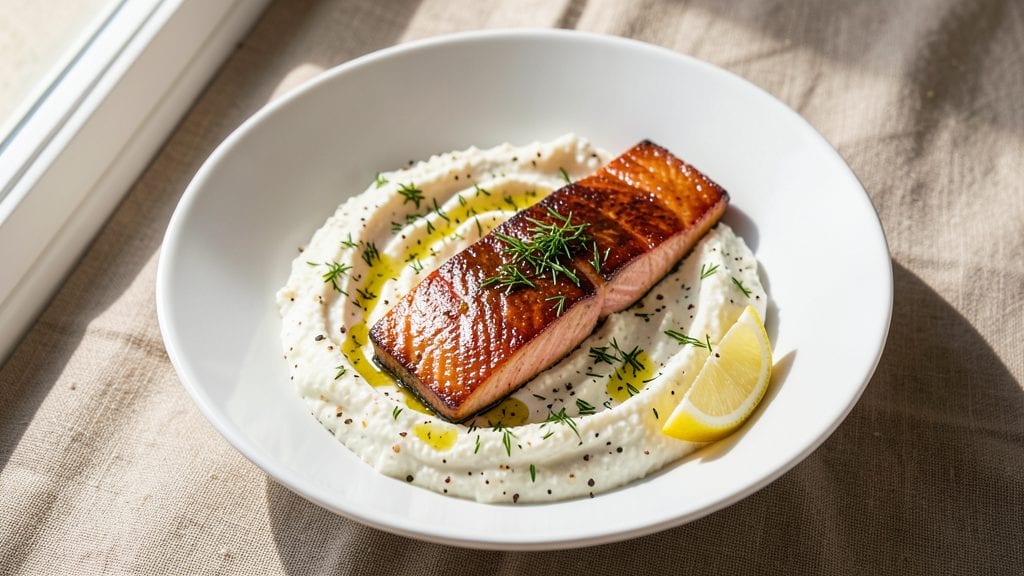
This salmon and cottage cheese recipe delivers a perfect balance of crispy pan-seared fish and creamy, tangy bites that elevate any appetizer spread.
The secret lies in achieving a golden crust on the salmon while keeping the cottage cheese rich and velvety—whether as a topping, dip, or folded into the dish itself.
I developed this recipe after testing multiple methods to ensure the salmon stays moist while the cottage cheese adds a luxurious texture without overpowering the delicate fish flavor.
The technique is straightforward yet precise: sear the salmon skin-side down in a hot pan until crispy, then finish it in the oven for even cooking.
Meanwhile, the cottage cheese gets a boost from lemon zest and fresh dill, creating a bright, herby contrast that cuts through the richness of the fish. This dish is ideal for special occasions or when you want to impress guests with a restaurant-quality appetizer that’s surprisingly simple to prepare.
What you’ll end up with is a plated dish featuring perfectly crispy salmon with a tender interior, topped with dollops of herbed cottage cheese that add a cool, creamy element. The combination of textures—crispy, creamy, and flaky—makes every bite satisfying, while the flavors balance perfectly.
Serve with a side of roasted asparagus or a fresh salad to round out the meal.
This recipe is designed to be foolproof, with clear steps for achieving both the crispy salmon and the creamy cottage cheese topping. Whether you’re hosting a dinner party or simply craving a sophisticated appetizer, this dish delivers professional results with minimal effort. Let’s get cooking!
Ingredients for salmon cottage cheese
Four crispy salmon fillets and creamy cottage cheese dollops—simple ingredients for a restaurant-worthy appetizer.
| Ingredient | Amount | Notes |
|---|---|---|
| Salmon Fillets 🐟 | 4 whole | Skin-on, center-cut, 6-8 oz each |
| Large Eggs 🥚 | 2 whole | Separated for coating |
| All-Purpose Flour 🌾 | ½ cup | For light dredging |
| Cottage Cheese 🧀 | 1 cup | Full-fat, small curd preferred |
| Fresh Dill 🌿 | ¼ cup | Chopped, stems removed |
| Lemon Zest 🍋 | 1 tbsp | From 1 large lemon |
| Extra-Virgin Olive Oil 🫒 | ¼ cup | For searing and finishing |
| Unsalted Butter 🧈 | 2 tbsp | Cold, for crispy crust |
| Garlic Cloves 🧄 | 4 cloves | Minced, for cottage cheese |
| Salt 🧂 | 1 ½ tsp | Kosher or sea salt |
| Black Pepper 🌶️ | ½ tsp | Freshly ground |
| Lemon Juice 🍋 | 1 tbsp | Freshly squeezed |
| Fresh Parsley 🌿 | ⅛ cup | Chopped, for garnish |
The salmon is everything here. Center-cut fillets with skin intact ensure the best crisp, while 6-8 oz each guarantees perfect portions. Whole Foods or high-end grocery stores carry the best quality—look for vibrant pink flesh and minimal bruising. If you can't find skin-on, ask the fishmonger to leave it on for you. The cottage cheese should be full-fat and small-curd for that luxurious texture; Organic Valley or Tillamook are reliable brands. Fresh dill is non-negotiable for that bright herbal note—dried just won't cut it here.
No lemon zest? Fresh lemon juice plus a pinch of sugar works in a pinch, though the texture difference is noticeable. Substituting Greek yogurt for cottage cheese? Use half the amount and add an extra tablespoon of lemon juice to balance the tang. For the salmon, halibut or trout work as substitutes, but adjust cooking times—halibut needs 2-3 minutes less per side. The butter matters too: European-style unsalted like Plugrá or Kerrygold gives a richer flavor than regular American butter. If you're short on time, pre-cooked salmon fillets can be used, but searing fresh is worth the effort.
Store the salmon in the coldest part of your fridge, wrapped in paper towels, for up to 2 days. The herbed cottage cheese keeps for 3 days in an airtight container, though it's best made fresh. For make-ahead prep, cook the salmon ahead and refrigerate, then crisp in a 400°F oven for 8-10 minutes before serving. The lemon zest and fresh herbs lose potency after 24 hours, so add those just before serving. This dish reheats beautifully—gentle warming in a skillet restores the crispy texture perfectly.
Why You'll Love This Recipe
- Here’s what sold me: the contrast. Crispy, golden salmon exterior meets unexpectedly rich cottage cheese filling—like a surprise hug in every bite. Fresh dill ties it all together, bright and herby, so it doesn’t feel heavy or bland. (Yes, even on a Tuesday night.)
- Five-Ingredient Magic: I swear by this combo—salmon, cottage cheese, and dill alone make it taste like a restaurant dish. The flour coating gives it that satisfying crunch, while the eggs bind everything together without fuss. That is how you turn simple ingredients into something people actually ask for seconds of.
- Creamy Crunch Perfection: Here’s what sold me: the contrast. Crispy, golden salmon exterior meets unexpectedly rich cottage cheese filling—like a surprise hug in every bite. Fresh dill ties it all together, bright and herby, so it doesn’t feel heavy or bland. (Yes, even on a Tuesday night.)
- Meal Prep MVP: This keeps beautifully for days—store the cooked patties in the fridge and reheat in a skillet or air fryer. Pack them for lunches, toss them into salads, or serve them cold with lemon wedges. Honestly, I’ve made it for breakfast, dinner, and everything in between without getting tired of it.
Step-by-step instructions for crispy pan-seared salmon with creamy cottage cheese bites
This method delivers perfectly crispy salmon skin with a tender interior, paired with rich cottage cheese bites infused with bright citrus and fresh herbs.
Prepare the Cottage Cheese Bites
In a medium bowl, combine the 1 cup of cottage cheese with the 4 cloves of minced garlic, 1 tablespoon of lemon zest, and 0.5 teaspoon of black pepper. Mix gently until just combined—you want to preserve the texture of the cottage cheese rather than overwork it. The mixture should look speckled with garlic and bright yellow from the lemon zest.
Using a small cookie scoop or tablespoon, portion the mixture into 16 equal balls (about 1 teaspoon each). Place them on a parchment-lined baking sheet and refrigerate while you prepare the salmon. This chilling step ensures they hold their shape when seared later. If you prefer, you can press each ball lightly into a flat disc shape with your palm for a crispier texture.
Create the Salmon Coating
Separate the 2 whole large eggs, placing the whites in one bowl and yolks in another. In a shallow dish, combine the 0.5 cup of all-purpose flour with 1.5 teaspoons of salt and 0.25 teaspoon of black pepper. This dry mixture will create the crispy crust on your salmon.
Lightly beat the egg whites with a fork until frothy but not stiff—just enough to coat the salmon. In a separate bowl, whisk the egg yolks until smooth. You'll use both for a double-layered coating that ensures maximum crispiness. Keep these mixtures separate until ready to use, as they'll thicken if left sitting too long.
Sear the Salmon to Crispy Perfection
Heat a large skillet over medium-high heat until very hot. Add the 0.25 cup of extra-virgin olive oil and 2 tablespoons of cold unsalted butter. Let the butter melt and foam, then reduce heat to medium. Working with one salmon fillet at a time, dip it first into the egg whites, letting excess drip off, then into the flour mixture, pressing gently to adhere.
Place the floured salmon skin-side down in the skillet and cook undisturbed for 3-4 minutes until the skin is deep golden brown and crispy. You'll see the edges curl slightly—that's your signal to flip carefully. Cook the other side for 2-3 minutes until the flesh is opaque throughout and flakes easily with a fork. Transfer to a plate and tent loosely with foil to keep warm. Repeat with remaining fillets, working in batches if needed to avoid crowding the pan.
Sear the Cottage Cheese Bites
Increase the heat to medium-high and add the remaining 2 tablespoons of olive oil to the same skillet. Working in batches, add the chilled cottage cheese balls and cook for 2-3 minutes per side until golden brown and slightly crispy on the outside. The centers should still be soft and creamy when you cut into one—this is essential for the perfect texture.
As they cook, add 1 tablespoon of lemon juice to the skillet, scraping up any browned bits from the bottom. This adds depth of flavor to the bites. Transfer the cooked cottage cheese to a paper towel-lined plate to drain briefly, then sprinkle with the 0.25 cup of chopped fresh dill and 0.125 cup of chopped fresh parsley. Toss gently to distribute the herbs evenly.
Finish and Serve Immediately
Return the salmon fillets to the skillet for 30 seconds to warm through and absorb any remaining flavors. Plate each fillet alongside 4 cottage cheese bites, arranging them neatly on the side. Drizzle with any remaining pan juices from the skillet and garnish with additional lemon zest if desired.
Serve immediately while the salmon skin remains crispy and the cottage cheese bites are still warm and creamy. The contrast of textures—crispy salmon skin, tender flesh, and creamy cottage cheese with its slightly crispy exterior—makes this dish truly special. Pair with a simple arugula salad or roasted asparagus to complete the meal.
Pro Tips For Making Salmon Cottage Cheese
- Dry the Salmon First: Pat those fillets thoroughly with paper towels before dredging—wet salmon steams instead of sears, and you’ll end up with soggy cottage cheese crusts. I learned this the hard way when my first batch turned into a sad, gloppy mess.
- Use Cold Cottage Cheese: Scoop cottage cheese straight from the fridge and mix it into your egg batter—it blends smoother and won’t curdle when the eggs hit the pan. Warm cottage cheese makes the batter grainy, and nobody wants that texture.
- Pan Too Hot? Wait: Let the pan cool just enough to sizzle gently when you add the salmon—too hot and the flour burns before the eggs set. I used to rush this and ended up with bitter, blackened crusts instead of golden, crispy ones.
- Chop Dill Like You Mean It: Pulse fresh dill in a food processor for 2 seconds—it releases flavor and distributes evenly in the batter. Hand-chopping leaves clumps, and you’ll taste it in every bite instead of getting that bright, consistent herby punch.
Storing and reheating this recipe
Refrigerator Storage
Store cooked salmon fillets in an airtight container with parchment paper between layers to prevent sticking. Keep them in the refrigerator for up to 2 days—the crispy skin will soften slightly but can be revived with a quick 400°F oven blast for 5-7 minutes before serving.
The herbed cottage cheese bites should be refrigerated separately in an airtight container for 3 days maximum, though they’re best enjoyed within 24 hours for peak freshness. 🧊
Freezer Storage
For longer storage, freeze the salmon fillets raw (uncooked) in freezer-safe bags with plastic wrap pressed directly against the skin to prevent freezer burn. Cook from frozen by adding 2-3 extra minutes to the searing time.
The cottage cheese bites can also be frozen on a parchment-lined tray for 1 hour before transferring to a bag—this prevents them from sticking together. Thaw overnight in the fridge before reheating. ❄️
Reheating Salmon
To restore crispiness, reheat salmon fillets in a 400°F oven for 8-10 minutes on a wire rack over a baking sheet. For stovetop revival, use a nonstick skillet over medium heat with 1 tablespoon butter and 1 tablespoon olive oil, cooking for 2-3 minutes per side.
Avoid microwaving—it turns the skin rubbery. A quick sear in a screaming-hot pan (just 30 seconds per side) works best for crispy results. 🔥
Reviving Cottage Cheese
Reheat cottage cheese bites in a 350°F oven for 5-7 minutes until warmed through—this restores their crispy exterior without drying them out. For stovetop reheating, use a nonstick pan over medium heat with 1 tablespoon olive oil, cooking for 1-2 minutes per side.
Add a splash of lemon juice while reheating to brighten flavors. If the texture seems too dry, stir in 1 teaspoon sour cream before serving. 💫
Meal Prep Strategy
Prepare components ahead for efficiency: cook the salmon and form cottage cheese bites 1 day in advance, then refrigerate separately. On serving day, sear the salmon fresh and reheat the cottage cheese bites just before plating.
This keeps the textures optimal—crispy salmon and creamy bites. Store all components in glass containers with tight-sealing lids to maintain freshness. Label containers with dates to track freshness. 📅
Serving Leftovers
Transform leftovers into a new dish: crumble reheated salmon over a cottage cheese and herb salad with mixed greens, cherry tomatoes, and a drizzle of balsamic glaze. Or blend cottage cheese bites with Greek yogurt and fresh herbs for a creamy dip with sliced cucumbers or pita chips.
These creative uses prevent food waste while keeping flavors exciting. 💡
Nutrition facts
Frequently asked questions
Can I use smoked salmon instead of fresh?
Smoked salmon works beautifully in this recipe. Simply reduce the cooking time to 1-2 minutes per side (just enough to warm through and crisp the skin) since it's already cooked. The flavor profile will be richer and more robust, with a smoky depth that pairs wonderfully with the herbed cottage cheese. For best results, use high-quality hot-smoked salmon and skip the flour coating—it's not needed for the delicate texture.
How do I keep the cottage cheese bites from falling apart?
Chilling is key! After forming the bites, refrigerate them for at least 30 minutes before cooking to firm them up. For extra stability, press each bite gently into a flat disc shape before chilling. Also, avoid overmixing the cottage cheese mixture—just combine until speckled. If they still crumble, try adding 1 tablespoon of breadcrumbs to the cottage cheese mixture before forming the bites.
What's the best way to serve this as a complete meal?
This dish works perfectly as an appetizer, but you can easily turn it into a full meal. Serve the crispy salmon and herbed cottage cheese bites over a bed of buttered wild rice or quinoa, then add a side of roasted asparagus with lemon zest or a simple mixed greens salad with a light vinaigrette. For extra heartiness, add toasted sourdough croutons to the salad or serve with a small portion of roasted sweet potatoes.
Can I make this recipe ahead of time?
Yes, but with a few adjustments. Cook the salmon and form the cottage cheese bites 1 day in advance, then refrigerate separately. On serving day, sear the salmon fresh in a hot pan for 30 seconds per side to restore crispiness, and reheat the cottage cheese bites in a 350°F oven for 5-7 minutes. The texture won't be exactly the same as fresh, but it's still delicious. For best results, prepare the cottage cheese mixture fresh each time.
Why is my salmon skin not crispy?
Crispy skin requires three things: hot pan, dry surface, and patience. First, make sure your pan is screaming hot before adding the salmon. Pat the skin completely dry with paper towels—any moisture will prevent crisping. Finally, don't move the salmon! Cook undisturbed for 3-4 minutes until the edges curl slightly. If it's still not crispy, try adding a pat of cold butter to the pan before searing.