
Main Courses
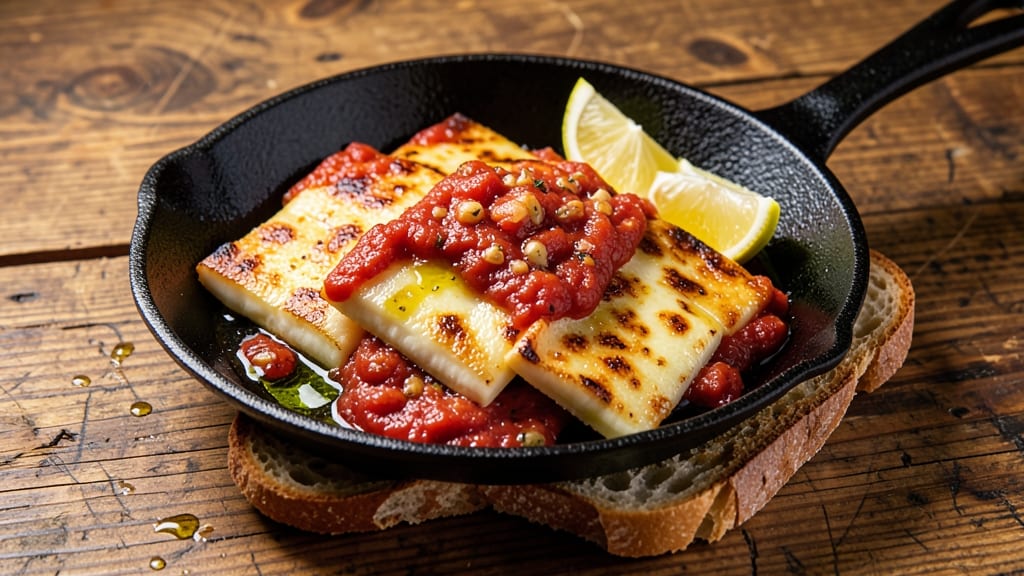
Mastering saganaki cheese recipe transforms a simple kitchen into a Greek taverna with just minutes of dramatic flair. The moment the cheese ignites in hot oil, your dinner becomes a showstopper—golden, bubbling, and fragrant with that unmistakable Greek flair.
I first experienced this dish in a tiny Athens café where the waiter dramatically lit the table with flaming saganaki, and it’s been my go-to for impressing guests ever since.
The secret lies in the cheese itself—traditional saganaki uses Greek kefalotyri, a salty, crumbly cheese that holds its shape beautifully when fried. You’ll need just three ingredients (plus oil) and 15 minutes of active time to create a dish that’s equal parts restaurant-worthy and foolproof.
The key is high heat and precise timing: let the cheese brown slightly before the dramatic flaming moment, then serve immediately with a squeeze of lemon or a drizzle of tomato sauce.
What you’ll achieve is a dish that’s crispy on the outside, creamy within, and crowned with a flaming halo of melted cheese. The aroma alone will have everyone gathering around the table, while the first bite delivers that perfect balance of salty, tangy, and slightly caramelized richness.
This isn’t just dinner—it’s an experience, and the best part? You’ll be the star of the show.
Serve saganaki as a main course with crusty bread to soak up the sauce, or pair it with grilled meats and fresh salads for a complete Greek feast. The recipe scales perfectly for parties, and leftovers? Well, there won’t be any. Let’s bring the Greek taverna to your kitchen.
Ingredients for saganaki cheese
Three core ingredients plus oil—this Greek showstopper needs just minutes to transform your kitchen into a taverna.
| Ingredient | Amount | Notes |
|---|---|---|
| Greek Kefalotyri Cheese 🧀 | 1 ½ lbs | Aged, crumbled variety preferred |
| Extra-Virgin Olive Oil 🫒 | 3 cups | High smoke point for frying |
| Lemon Juice 🍋 | 2 tbsp | Freshly squeezed for brightness |
| Tomato Sauce 🍅 | ½ cup | For serving, optional drizzle |
| Crusty Bread 🍞 | 4 slices | For serving, pita or baguette |
| Salt 🧂 | ½ tsp | Adjust to taste after frying |
| Black Pepper 🌶️ | ¼ tsp | Freshly cracked for heat |
| Fresh Oregano 🌿 | 1 tbsp | Chopped, for garnish |
The kefalotyri is non-negotiable here. Greek specialty stores or Whole Foods carry the good stuff—look for blocks labeled 'aged' or 'crumbled'. If you can't find it, Greek feta in a pinch, but it'll be less dramatic. The olive oil should be extra-virgin with a high smoke point—Colavita or Bertolli work great. For the flaming effect, you want oil around 375°F, so use a heavy-bottomed pan to maintain even heat. The cheese should be cold from the fridge when you start—this helps it hold shape during frying.
No kefalotyri? Halloumi cheese is your next best bet—it holds up well to heat, though it won't flame quite as dramatically. Running out of olive oil? Avocado oil works with the same high heat requirements. The tomato sauce is optional but recommended—Rao's or Muir Glen are solid choices if you're buying jarred. Fresh oregano is ideal, but dried works at half the amount. Pro tip: keep a small bowl of salt and pepper ready at the table for guests to season their own saganaki—everyone has different tastes for that salty-tangy balance.
This dish is all about freshness and timing. Serve immediately after frying—the cheese loses its crispy exterior fast. For a crowd, fry in batches and keep the finished saganaki warm in a 200°F oven while you finish the rest. The bread? Warm pita or crusty baguette slices are perfect for soaking up the sauce. Leftover cheese? Store in an airtight container for 3 days—it's delicious in salads or scrambled eggs, though it won't be the same spectacle. The oil? Strain and reuse once—just don't overdo it, or you'll lose that dramatic flaming moment.
Why You'll Love This Recipe
- No-Fuss Weeknight Win: The only tools you’ll need are a skillet and a spoon—no fancy gadgets, no stress. Just slice that Kefalotyri, drizzle the olive oil, and let the lemon juice work its magic while you stir. Honestly, I’ve made this while waiting for pasta to boil.
- Salty-Tangy Magic: That first bite? Crispy cheese edges with a molten center, brightened by lemon juice cutting through the richness. The tomato sauce underneath adds this unexpected depth—like a Greek taverna in your kitchen, but with way less effort.
- Crowd-Pleaser Flex: Serve it as a main with crusty bread for dipping, or turn it into a side that disappears faster than you can say “second helping.” Between us, my in-laws now ask for it at holiday dinners—no fancy plating, just pure satisfaction.
- Budget-Friendly Leftovers: A single block of Kefalotyri stretches across multiple meals—pan-fry some tonight, toss the rest into salads or omelets tomorrow. The olive oil and lemon juice are cheap staples, and you’ll use every last drop before they go bad. (Yes, even on a Tuesday night.)
Step-by-step instructions for saganaki cheese
Here's how to create this iconic Greek dish with crispy cheese and flaming drama.
Prepare the Cheese for Frying
Start by cutting the 1.5 lbs Greek Kefalotyri Cheese into ¼-inch thick slices—about 16-20 pieces total. I like to use a sharp knife for clean cuts, and if the cheese is particularly hard, let it sit at room temperature for 10 minutes first. Pat each slice gently with a paper towel to remove any excess moisture, which helps create that perfect crispy crust later.
In a small bowl, whisk together the 2 tbsp lemon juice and 0.5 tsp salt. Brush this mixture lightly over both sides of each cheese slice—this adds brightness and prevents the cheese from becoming too greasy during frying. Arrange the seasoned cheese slices on a plate and let them sit uncovered for 15 minutes while you prepare the oil.
Heat the Olive Oil to Perfect Temperature
Pour the 3 cups extra-virgin olive oil into a deep skillet or Dutch oven—it should come about ¾ of the way up the sides. Place the skillet over medium heat and insert a kitchen thermometer. Heat the oil until it reaches 350°F. This temperature is crucial—too low and the cheese will absorb oil instead of crisping, while too high will burn it before it's golden.
Watch for small bubbles forming around the edges of the oil, but avoid letting it smoke. If you don't have a thermometer, test the oil by dropping in a small piece of bread—when it sizzles and turns golden in 30 seconds, the oil is ready. Keep the heat steady at medium during frying to maintain this temperature.
Fry the Cheese Until Golden and Crisp
Working in batches to avoid overcrowding, carefully slide 2-3 cheese slices into the hot oil using tongs. Fry for 1-2 minutes per side until they develop a deep golden brown crust and float to the surface—this indicates they're perfectly cooked. Remove the fried cheese with a slotted spoon and drain on a paper towel-lined plate to remove excess oil.
Don't walk away during this step—the cheese burns quickly once golden. If any slices brown too fast, reduce the heat slightly to medium-low for the next batch. The cheese should be crisp on the outside but still warm and slightly melty inside when you cut into it. Repeat until all cheese slices are fried.
Assemble and Serve with Flaming Drama
Arrange the fried cheese slices on a serving platter. In a small bowl, mix together the 0.5 cup tomato sauce and 1 tbsp chopped fresh oregano. Drizzle this mixture lightly over the cheese—just enough to moisten the surface without making it soggy. Sprinkle with the 0.25 tsp black pepper and serve immediately with the 4 slices crusty bread on the side.
For the flaming effect, pour 2 tablespoons of the extra-virgin olive oil over the cheese just before serving. Light it carefully with a long match or kitchen torch, then quickly cover with a heatproof lid or cloche to contain the flames. Lift the lid dramatically for your guests—this adds both visual excitement and a subtle charred flavor to the cheese.
Pro Tips For Making Saganaki Cheese
- Cut Cheese in Slices: Skip the cubes—thick, even slices (about ½-inch) brown faster and hold their shape better. I learned this the hard way after watching my first batch fall apart like wet cardboard.
- Salt the Pan First: Generously season the pan with olive oil before adding the cheese, then sprinkle a pinch of salt directly on the slices. This guarantees the cheese absorbs flavor from the start, not just at the end.
- Don’t Rush the Tomato Sauce: Simmer the tomato sauce low and slow for at least 10 minutes—this thickens it naturally and balances the sharpness of the Kefalotyri. Skim off any foam that rises, or it’ll make the sauce taste bitter.
- Use Leftover Bread: Tear crusty bread into rough chunks and toast them in the same pan as the saganaki for the last 2 minutes—this adds crunch without extra effort. (Yes, even if you’re impatient like me.)
Perfect pairings for these flavors
Greek Taverna Classics
Pair saganaki with traditional Greek meze for a complete feast. Start with tzatziki—I make mine with Greek yogurt, cucumber, garlic, and dill—for a cool contrast to the fried cheese.
Add olives Kalamata and marinated feta for that authentic Greek spread. The salty, briny flavors complement the rich saganaki beautifully. 🥘
Wine Pairings
Greek whites shine here. A crisp Assyrtiko from Santorini, like Venetsanos, cuts through the richness with its citrus and mineral notes. For red lovers, try a light Agiorgitiko from Nemea—its bright acidity balances the cheese's saltiness. Avoid heavy wines; they'll overpower the delicate flavors. 🍷
Bread Pairings
Serve with warm pita bread or a crusty baguette for soaking up the tomato sauce. I love using Portland's local bakery bread—it's perfect for this dish. For extra flair, toast the bread and rub it with garlic and olive oil before serving.
The contrast of crispy cheese and soft bread is pure magic. 🍞
Vegetable Sides
Add fresh Greek salad with tomatoes, cucumbers, red onion, and oregano for a bright, crunchy contrast. I often toss in grilled eggplant slices for extra depth. The acidity from the salad cuts through the richness of the saganaki, balancing the meal perfectly. 🥗
Dessert Finale
End with a sweet Greek treat like baklava or loukoumades (honey-drizzled doughnuts). The honeyed sweetness contrasts beautifully with the salty saganaki. I pick up mine from New Seasons Market—their baklava is legendary. 🍯
Nutrition facts
Frequently asked questions
Can I use halloumi instead of kefalotyri for saganaki?
Halloumi is your best substitute—it holds up beautifully to frying and won't fall apart. For the flaming effect, though, kefalotyri's higher fat content creates more dramatic flames. Use 1.5 lbs halloumi and cut slices slightly thicker (½-inch) since it's denser. The flavor will be milder but still delicious with lemon and oregano.
Why does my saganaki cheese keep burning before it browns?
This usually means your oil is too hot (above 375°F). Lower the heat to medium-low and use a thermometer to monitor—350°F is ideal. Also, avoid overcrowding the pan; frying 2-3 slices at a time ensures even cooking. If the cheese burns, reduce heat by 25% for the next batch.
How do I make saganaki less greasy?
Pat cheese slices very dry with paper towels before frying to remove excess moisture. Use a slotted spoon to drain fried cheese thoroughly, and let it rest 2 minutes on a wire rack before serving. For extra crispiness (and less oil), try air-frying at 400°F for 4-5 minutes, though you'll lose the flaming effect.
Can I make saganaki ahead of time?
Fresh saganaki is best served immediately, but you can prep components ahead. Cut and season cheese slices 1 day ahead and store in an airtight container in the fridge. Fry just before serving—cheese loses crispiness when reheated. For the flaming effect, keep oil separate until the last moment to maintain its high smoke point.
What's the best way to reheat leftover saganaki?
Leftover saganaki is best enjoyed in non-dramatic forms! Crumble fried cheese over Greek salads or scrambled eggs. For reheating, place slices on a baking sheet and warm at 350°F for 3-4 minutes—they'll soften but won't regain crispiness. Store leftovers in an airtight container for up to 3 days.