
Appetizers
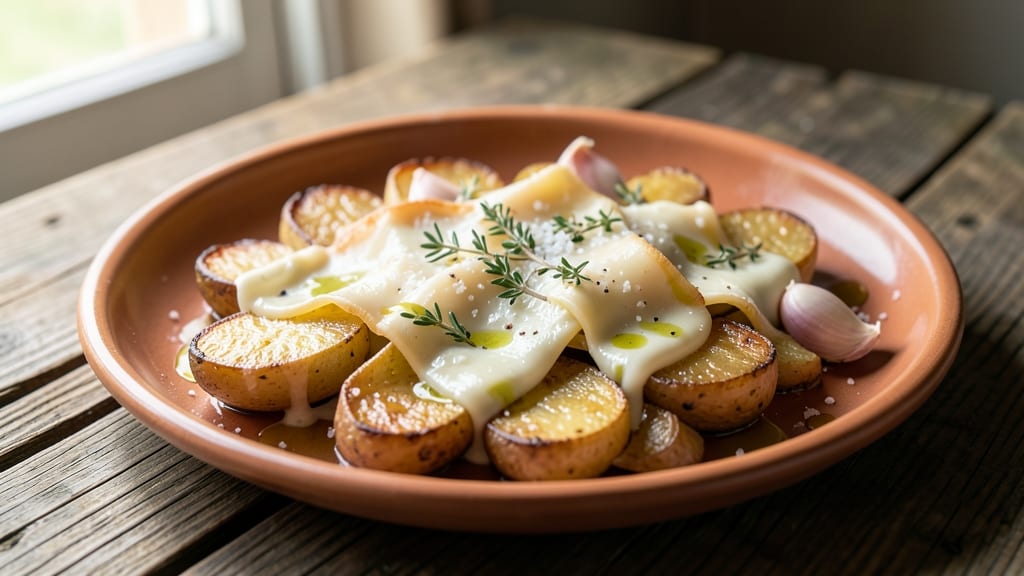
Transforming a simple dinner into a lively gathering starts with this raclette cheese recipe, where melted cheese meets crispy potatoes and charcuterie for an unforgettable feast.
The secret lies in the perfect balance of gooey raclette cheese, golden potatoes, and classic accompaniments that elevate every bite into a communal experience. I developed this method after years of experimenting with traditional raclette grills and oven techniques to deliver restaurant-quality results at home.
What makes this recipe special is its versatility—whether you're using a traditional raclette grill, a cast-iron skillet, or your oven, the technique remains simple yet impressive. The potatoes achieve that crispy exterior while staying tender inside, and the raclette cheese melts into creamy, stretchy perfection.
Add cornichons, cured meats, and caramelized onions for depth, turning a weeknight dinner into a sophisticated gathering.
By the end, you'll have a bubbling cheese station that invites guests to build their plates with every ingredient. The aroma of melted cheese and sizzling potatoes fills the air, creating an atmosphere that feels both cozy and celebratory.
This dish isn’t just about the food—it’s about the shared experience, the laughter, and the joy of breaking bread together.
Pair your raclette with a crisp white Burgundy or a refreshing kir royal to complete the experience. The wine’s acidity cuts through the richness of the cheese, while the effervescence cleanses the palate between bites.
Whether you're hosting a casual get-together or a festive dinner, this recipe delivers the heart of Swiss-French tradition with modern flair.
Ingredients for raclette cheese
Six crispy potatoes, a pound of gooey raclette, and charcuterie to make your gathering unforgettable.
| Ingredient | Amount | Notes |
|---|---|---|
| Raclette Cheese 🧀 | 1 ½ lb | Pre-sliced or block form preferred |
| Baby Potatoes 🥔 | 3 lb | Yukon gold or red preferred |
| Extra-Virgin Olive Oil 🫒 | ½ cup | High-quality, fruity variety |
| Dried Thyme 🌿 | 1 tbsp | Or 1 tbsp fresh thyme leaves |
| Garlic Cloves 🧄 | 8 cloves | Minced, for potato seasoning |
| Sea Salt 🧂 | 2 tsp | Diamond Crystal preferred |
| Freshly Ground Black Pepper 🌶️ | 1 tsp | Freshly cracked preferred |
| Cornichons 🥒 | 1 cup | Sliced, for serving |
| Cured Ham 🥓 | 8 oz | Thinly sliced, like prosciutto |
| Caramelized Onions 🧅 | 1 ½ cups | Homemade or store-bought |
| Baguette 🍞 | 1 whole | Crusty, sliced for dipping |
| White Burgundy Wine 🍷 | 1 cup | For serving, optional |
| Kir Royal 🍒 | 1 cup | For serving, optional |
The raclette cheese is the star—pre-sliced is a game-changer, but a block works too if you've got a good knife. Whole Foods or specialty cheese shops carry the best pre-sliced, but any grocery store will have blocks. Look for cheese with vibrant color and minimal rind—it melts smoother. Baby potatoes are non-negotiable for that perfect crispy-tender texture. Yukon golds hold up best, but red potatoes add a nice contrast. The ham? Prosciutto or Serrano works best—thinly sliced so it melts into the cheese like a dream.
No raclette cheese? Gruyère or Comté are solid swaps, though they won't melt quite as dramatically. Fresh thyme is ideal, but dried works at one-third the amount—just make sure it's culinary-grade, not the stuff from the spice rack that's been sitting there for years. Cornichons can be tricky to find—Trader Joe's or specialty markets usually carry them. No caramelized onions? Quick-pickle thinly sliced red onions in vinegar and sugar for 20 minutes as a substitute. The wine pairings? Burgundy for boldness, kir for brightness—both cut through the richness perfectly.
Potatoes keep 3 days in the fridge, but raclette cheese? Use it within 2 days of opening. The ham and cornichons last 1 week unopened. Prep the potatoes ahead—they crisp up better when roasted cold. Store the cheese in its original packaging, sealed tightly. The caramelized onions? Freeze in ice cube trays for easy portioning. This dish reheats beautifully—just pop the potatoes in the oven for 10 minutes at 375°F to revive the crisp.
Why You'll Love This Recipe
- One-Pan Magic: I swear by this recipe when I’m too tired to scrub pots—just toss those baby potatoes in olive oil, add thyme and garlic, and let the raclette melt over them like a dreamy blanket. No flipping, no fuss, just golden edges and gooey centers.
- Melty, Herby Bliss: That raclette cheese? It’s the star—creamy, nutty, and just salty enough to make your taste buds dance. The thyme and garlic roasted into the potatoes? Pure flavor payoff with almost no effort.
- Weeknight or Weekend: Honestly, this works for everything: a lazy Tuesday dinner, a picnic with friends, or a fancy-ish charcuterie board. The potatoes hold up for days, and the cheese? Even better reheated (if you can wait that long).
- Budget-Friendly Feast: Baby potatoes and raclette stretch further than you’d think—this feeds four for under $15, and leftovers taste just as good cold in salads. Plus, the ingredients? Most are pantry staples or cheap to grab.
Step-by-step instructions for raclette cheese fondue with crispy potatoes
Here's how to transform simple ingredients into a decadent raclette feast with perfectly crispy potatoes.
Prepare the Potatoes for Crispy Perfection
Preheat your oven to 425°F and line two baking sheets with parchment paper. Cut the 3 lb baby potatoes into even ½-inch thick slices—aim for consistency so they cook uniformly. Toss the potato slices with 0.5 cup extra-virgin olive oil, 2 tsp sea salt, and 1 tsp freshly ground black pepper until evenly coated.
Spread the potatoes in a single layer on the prepared baking sheets, leaving ½-inch space between each slice. This prevents steaming and ensures maximum crispiness. Bake for 25-30 minutes, flipping halfway through, until the edges are deep golden brown and the potatoes are tender when pierced with a fork. The key is patience—rushing leads to soggy centers.
Season the Garlic and Thyme for Depth of Flavor
While the potatoes crisp in the oven, peel and finely mince the 8 cloves garlic—you want a paste-like consistency that will melt into the raclette. In a small bowl, combine the minced garlic with the 1 tbsp dried thyme and 1 tsp freshly ground black pepper. This aromatic blend will infuse the melted cheese with layers of flavor that elevate the entire dish.
I like to toast the garlic-thyme mixture briefly in a dry skillet over low heat for 1-2 minutes until fragrant—this step deepens the garlic's sweetness and releases its oils. Set aside to cool slightly before using; the residual heat will help distribute the flavors evenly when mixed with the cheese.
Assemble the Raclette Cheese for Melting Magic
Place the 1.5 lb raclette cheese in a heatproof fondue pot or deep skillet designed for melting cheese. If using pre-sliced raclette, arrange the slices in a single layer; if using a block, cut it into ½-inch thick slices before adding. The cheese should fit snugly—don't overcrowd, or it won't melt evenly.
Set the fondue pot over medium-low heat and let the cheese begin to melt slowly. As it softens, sprinkle the garlic-thyme mixture evenly over the top. Stir gently with a wooden spoon, ensuring the flavors meld without breaking the cheese into crumbles. The ideal melting temperature is 140-150°F—hot enough to be fluid but not so hot that it separates or burns.
Arrange the Accompaniments for Serving
Slice the 1 whole baguette into ½-inch thick pieces and arrange them on a platter. Spread the 1.5 cups caramelized onions and 8 oz cured ham in neat piles alongside the bread. Place the 1 cup cornichons in a small bowl with a slotted spoon for easy serving—this keeps them crisp and prevents sogginess.
Pour the 1 cup white burgundy wine and 1 cup kir royal into separate small bowls or carafes for dipping. These wines complement the rich cheese beautifully and add a sophisticated touch to the meal. Keep the melted raclette warm in its pot with the heat set to low—just enough to maintain its creamy consistency without overcooking.
Serve with Crispy Potatoes and Fondue Tools
Transfer the crispy potatoes to a serving platter and arrange them in a single layer. Place the fondue pot in the center of the table along with long-handled fondue forks or spoons. Invite guests to dip their bread, potatoes, and cured ham into the melted raclette, letting it coat generously before taking a bite.
The contrast of the crispy potatoes with the molten cheese is what makes this dish unforgettable. Serve with the wines on the side—guests can choose their preferred pairing with each bite. The garlic-thyme-infused raclette will melt into a velvety blanket over the crispy potatoes, creating a harmony of textures that's pure comfort food at its finest.
Pro Tips For Making Raclette Cheese
- Preheat Pan Properly: Raclette melts best when the pan is screaming hot—think 350°F (175°C) for a minute before adding the cheese. I learned this the hard way when my first batch turned into a sad, clumpy mess because I was impatient and just tossed it in cold. A hot pan guarantees that gooey, stretchy texture we all crave.
- Parboil Potatoes First: Baby potatoes need a 5-minute head start in boiling water before they hit the pan. This cuts their cooking time in half and keeps them from turning mushy under the raclette’s heat. Skip this, and you’ll end up with a sad, waterlogged side instead of crispy edges.
- Don’t Overcrowd the Pan: Raclette cheese needs space to melt and brown—pack the pan too tight, and you’ll end up with a greasy, uneven mess. Work in batches if needed, and resist the urge to stir constantly. Let it sit undisturbed for 2-3 minutes after adding the cheese.
- Toast the Thyme: Dry the thyme sprigs in the pan for 30 seconds before adding the potatoes—it releases their aroma and prevents them from turning bitter. Sounds weird, but it works: the flavor jumps off the plate instead of hiding in the background. (Yes, even if you’re impatient like me.)
Serving suggestions for raclette cheese
Classic Fondue Setup
Arrange your raclette station like a Swiss chalet: place the crispy potatoes in a ceramic or slate platter at the center of the table, surrounded by small bowls of cornichons, cured ham, and caramelized onions.
I use mini cast-iron skillets for the cheese and sides to keep everything warm and visually cohesive. The contrast of textures—crunchy potatoes, creamy cheese, and tangy pickles—creates the perfect bite every time. 🥔
Garnish Like a Pro
Finish each serving with freshly cracked black pepper and a sprinkle of dried thyme for an aromatic touch. I also add thinly sliced radishes or watercress for a peppery crunch that balances the richness.
For a gourmet upgrade, drizzle truffle oil (just ½ tsp) over the melted cheese—it adds earthy depth without overpowering. Keep garnishes in small glass ramekins for easy access.
Bread Pairings
Serve with baguette slices, but don’t stop there. Add crusty sourdough, rosemary focaccia, or even pretzel bites for variety. I like to toast the bread lightly before serving so it soaks up the cheese beautifully.
For a sweet contrast, include brioche or challah—the buttery richness pairs surprisingly well with the salty raclette. 🍞
Wine and Cocktail Pairings
A chilled white Burgundy (like Meursault) is the classic choice—its buttery notes complement the cheese’s nuttiness. For a lighter option, kir royal (crème de cassis + champagne) adds a fruity brightness.
Serve both in ice-filled wine buckets to keep them cool. Non-alcoholic? Try sparkling apple cider or ginger beer for a refreshing contrast to the rich flavors. 🍷
Interactive Serving Tools
Use long-handled fondue forks (available at Williams Sonoma) for dipping, but also include small wooden skewers for building custom bites. I set out mini tongs for the cured meats and slotted spoons for the pickles to keep everything organized.
For a fun twist, add fondue dipper sets with personalized names—guests will love the personalized touch! ✨
Leftovers Reinvented
Save any leftover melted cheese in an airtight container and reheat it gently in a double boiler before using it as a pasta sauce or grilled cheese filling. The crispy potatoes can be reheated in the oven at 375°F for 10 minutes to restore their crunch.
I also blend leftover cheese with cream and nutmeg for a raclette mac and cheese—it’s a crowd-pleaser! 💡
Nutrition facts
Frequently asked questions
What’s the best way to melt raclette cheese without it getting grainy?
Use medium-low heat and stir gently with a wooden spoon to keep it smooth. Avoid high heat—it causes separation. For extra creaminess, sprinkle the cheese with a pinch of cornstarch (½ tsp) while melting. Pre-sliced raclette melts more evenly than blocks, but if using a block, cut it into ½-inch thick slices first.
Can I make raclette without a fondue set?
Use a cast-iron skillet or deep oven-safe dish on the stovetop. For serving, arrange toppings on a platter and let everyone dip with spoons or bread. If you’re grilling, try a grill-safe fondue pot over indirect heat for a smoky twist. The key is keeping the cheese warm and creamy.
Why did my potatoes turn out soggy instead of crispy?
Overcrowding the baking sheet or flipping too soon causes steaming. Cut potatoes into even ½-inch slices and space them ½-inch apart on the tray. Bake at 425°F for 25-30 minutes, flipping once at 15 minutes. For extra crispiness, broil for 2 minutes at the end.
What are the best non-cheese sides for raclette?
Try roasted Brussels sprouts with bacon, grilled asparagus, or crispy prosciutto-wrapped melon for a sweet-savory contrast. For heartier options, add sautéed mushrooms or charred zucchini. These pair well with the rich cheese and add texture variety.
How long can I keep melted raclette warm?
Keep it on low heat for up to 2 hours—any longer risks drying out. For larger groups, melt cheese in batches or use a slow cooker on "warm" setting. Cover with a lid to retain moisture, but stir occasionally to prevent sticking.