
Main Courses
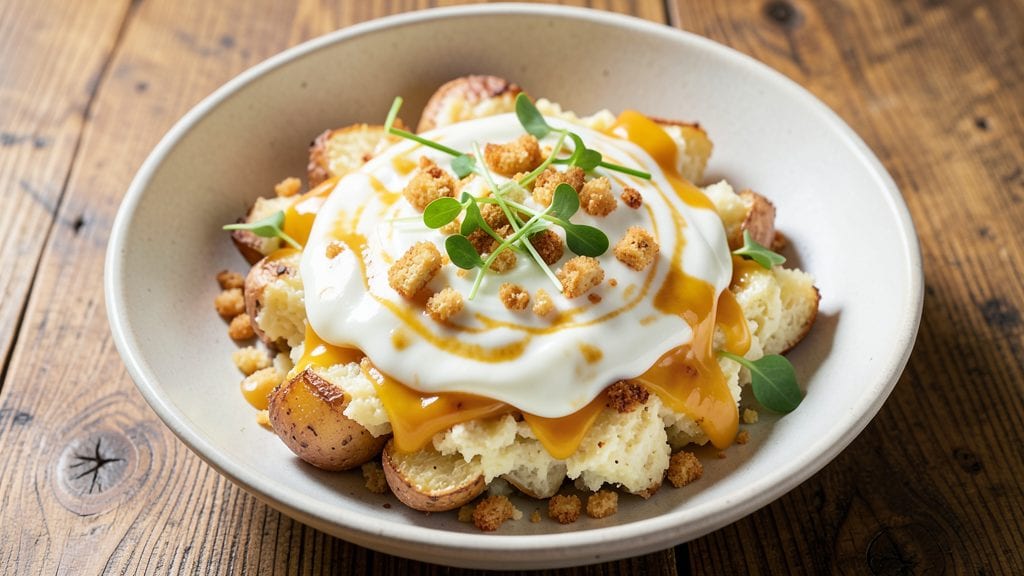
This pot cheese recipe transforms humble ingredients into a rich, comforting dish with a crispy golden top and smoky cheddar swirls that feel like a hug in bowl form.
I first discovered it during a chilly winter when I needed something hearty enough to satisfy a hungry family but simple enough to make without fuss. The magic lies in layering tender potatoes with sharp cheddar and a creamy base, then baking until the top turns irresistibly crispy.
The beauty of pot cheese is its versatility—it’s equally at home as a main course or side dish. Southern-style versions often include a touch of mustard or bacon, while British recipes might swap in Stilton for a deeper flavor.
Here, we’re focusing on a crispy top achieved through careful baking and a sprinkle of breadcrumbs, while the herbs add freshness that cuts through the richness. This dish proves comfort food doesn’t require complicated techniques, just precise timing and quality ingredients.
By the time it emerges from the oven, you’ll have a dish that’s creamy yet substantial, with a crispy crust that shatters at every bite. The smoky cheddar swirls throughout the creamy potato base create a perfect balance of textures and flavors—savory, tangy, and just a little bit crispy.
It’s the kind of meal that disappears quickly, leaving everyone asking for seconds. Pair it with a simple green salad or crusty bread to soak up every last bit of that rich, herby goodness.
Whether you’re serving it as a centerpiece for a family dinner or a cozy weeknight meal, this pot cheese delivers restaurant-quality results with minimal effort. The secret isn’t complicated—it’s in the layers, the timing, and that crispy top that makes it unforgettable.
Let’s get started on creating your own bowl of comfort.
Ingredients for pot cheese
Six ingredients bring comfort to the table—creamy, crispy, and packed with smoky cheddar swirls.
| Ingredient | Amount | Notes |
|---|---|---|
| Russet Potatoes 🥔 | 3 lb | Cut into 1/2-inch cubes, peeled |
| Sharp White Cheddar Cheese 🧀 | 2 cups | Shredded, aged 6+ months preferred |
| Smoked Gouda Cheese 🧀 | 1 cup | Shredded, for smoky flavor |
| Heavy Cream 🥛 | 1 cup | Full-fat for richness |
| Whole Milk 🥛 | ½ cup | Warmed slightly for creaminess |
| Unsalted Butter 🧈 | 4 tbsp | Cold, cubed for crispy top |
| Panko Breadcrumbs 🍞 | ½ cup | For extra crispiness |
| Fresh Chives 🌿 | ¼ cup | Chopped, for freshness |
| Fresh Parsley 🌿 | ¼ cup | Chopped, for brightness |
| Dried Thyme 🌿 | 1 tsp | Or 1 tbsp fresh thyme |
| Garlic Powder 🧄 | 1 tsp | Freshly ground preferred |
| Salt 🧂 | 1 tsp | Kosher or sea salt |
| Black Pepper 🌶️ | ½ tsp | Freshly ground |
The cheeses are non-negotiable here. Sharp white cheddar gives that tangy bite, while smoked Gouda adds depth—don’t skimp on the quality. I grab mine from Whole Foods or Trader Joe's when they’re on sale, but any aged cheddar works. For the potatoes, RussetsFresh chives and parsley make all the difference—dried just won’t cut it here. (Trust me, I’ve tried.)
No smoked Gouda? Substitute extra sharp cheddar plus a pinch of smoked paprika—it’s not the same, but close. Running low on fresh herbs? Dried thyme at half the amount works in a bind, but toss in extra chives if you can. The breadcrumbs are key for that crispy top—panko gives you the best texture, but regular breadcrumbs toasted in the oven work too. For extra richness, swap the milk for half-and-half. And if you’re feeling fancy, add a splash of cream cheese to the mix for a silky texture.
This reheats beautifully—just pop it in the oven at 350°F for 10-15 minutes until bubbly. Keeps in the fridge for 4-5 days, though I’ve never had leftovers that long. For make-ahead meals, assemble it the night before and bake in the morning. The crispy top is best eaten fresh, so don’t wait too long to serve. (Pro tip: Double the batch—it disappears fast.)
Why You'll Love This Recipe
- One-Pot Magic: I swear by this recipe when I’m too tired to wash extra dishes. Peel, boil, mash, and blend—no strainers, no fuss. That creamy cheese sauce just happens when you mix in the warm potatoes and dairy.
- Cheese Overload (In the best way): Sharp cheddar and smoky gouda? Yes, please. The tangy bite of the cheddar cuts through the richness of the cream, while the gouda adds this deep, caramelized depth that makes every bite feel like a hug.
- Leftover Hero: This stuff actually improves the next day. Cold or reheated, it’s still velvety and satisfying—perfect for quick lunches or sneaking into omelets. Honestly, I’ve eaten it straight from the fridge with a spoon.
- Budget-Friendly Luxury: Russets are cheap, cheese is stretchy, and you’re using basic pantry staples. For a dish that tastes like you slaved over it, it’s shockingly affordable. (Yes, even on a Tuesday night.)
Step-by-step instructions for smoky cheddar and herb swirls with crispy top
Here's how to transform simple potatoes into a decadent, crisp-topped masterpiece.
Parboil the Potatoes Until Fork-Tender
Place the 3 lb russet potatoes in a large pot and cover with cold water by about 2 inches. Add 1 tsp salt and bring to a boil over high heat. Once boiling, reduce heat to medium-high and cook for 12-15 minutes until a knife slides in easily but still offers slight resistance.
This partial cooking ensures the potatoes finish cooking evenly in the oven while developing that creamy interior texture. Drain thoroughly in a colander and return them to the pot. Here's the thing—don't rinse them. The starch on the surface helps create that silky finish later.
Create the Cheesy Cream Mixture
In a large bowl, combine the 2 cups shredded sharp white cheddar cheese, 1 cup shredded smoked gouda cheese, 1 cup heavy cream, 0.5 cup warmed whole milk, 1 tsp garlic powder, 1 tsp dried thyme, 0.5 tsp black pepper, and the 0.25 cup chopped fresh parsley. Mix until the cheeses are completely melted and the mixture is smooth.
I like to use a silicone spatula for this step—it helps scrape up any cheese that sticks to the bowl. The smoked gouda adds depth while the sharp white cheddar provides that classic tang. The warm milk helps emulsify everything beautifully. Keep this mixture at room temperature until ready to use.
Layer and Assemble in the Baking Dish
Preheat your oven to 375°F. Lightly grease a 9x13-inch baking dish with a bit of butter. Spread half of the parboiled potatoes evenly in the bottom, then pour half of the cheesy cream mixture over them. Repeat with the remaining potatoes and cream mixture, finishing with a final layer of potatoes.
Here's where the magic happens: sprinkle the 0.5 cup panko breadcrumbs evenly over the top layer. This creates that irresistible crispy crust we're after. Press down gently with your fingers to help them adhere. The panko will toast beautifully while the rest stays creamy.
Bake Until Bubbly and Golden
Bake uncovered for 45-50 minutes until the top is deep golden brown and the edges are bubbling. You'll know it's ready when the cheese is fully melted and the top has developed that perfect crispy crust. If it browns too quickly, tent loosely with foil for the last 10 minutes.
This is the moment that matters: the contrast between the crispy top and creamy interior. For extra browning, I sometimes broil for 1-2 minutes at the end, but watch closely—it burns fast! Let it rest for 10 minutes before serving to allow the layers to set.
Garnish and Serve Warm
Remove from the oven and let cool for 5 minutes. Sprinkle with the 0.25 cup chopped fresh chives and any additional black pepper if desired. The chives add a bright, fresh finish that cuts through the richness.
Serve immediately while still warm. The crispy top should shatter slightly when you cut into it, revealing the creamy, cheesy layers beneath. Each bite delivers that perfect balance of textures—crispy, creamy, and tender all at once. This dish tastes even better the next day, so plan accordingly!
Pro Tips For Making Pot Cheese
- Boil Potatoes Firm: DESCRIPTION: Russets should be just tender when mashed—not mushy. Test with a fork: it should pierce easily but still have slight resistance. Overcooking turns them into glue, and no one wants gluey pot cheese. Drain immediately after cooking and give them a quick rinse under cold water to stop the cooking.
- Shred Cheese Coarse: DESCRIPTION: Skip the food processor—your fingers are better. Big, uneven shreds melt slower and create pockets of gooey texture instead of a uniform paste. Sharp cheddar and smoked gouda both behave better when torn into chunks, not dust. (Yes, it’s messy. No, you can’t skip this.)
- Temper Cream Slowly: DESCRIPTION: Heat the heavy cream and milk together over medium-low until steaming, then gradually whisk in the cheese. Dumping cold cheese into hot liquid curdles it faster than you can say “saucepan disaster.” Start with a thin stream, then let it sit for 2 minutes before stirring again.
- Press Dairy Cloth Tight: DESCRIPTION: Use a clean kitchen towel or cheesecloth, and press the drained pot cheese mixture firmly for 10 minutes. The tighter the press, the less watery your final texture—no one wants a soggy cheese log. Weigh it down with a pan if you’re impatient; I’ve learned this the hard way with a wobbly stack of books.
Common mistakes when making your pot cheese
Overcooking Potatoes
One of the most common mistakes is overcooking the potatoes during the parboiling stage. If you cook them until fully tender, they’ll turn to mush when baked, ruining the creamy texture. Aim for 12-15 minutes until a knife slides in easily but still has slight resistance.
I’ve seen this happen when people rush the process or use a smaller pot with less water—always use enough water to cover the potatoes by 2 inches and maintain a steady boil. 🥔
Skipping the Resting Time
After baking, many people can’t wait to dig in and cut into the pot cheese immediately. But letting it rest for 10 minutes is crucial—it allows the layers to set and prevents the crispy top from falling apart.
I’ve made this mistake too, and the results were disappointing: a runny, unstructured mess instead of the perfect texture we want. Patience here pays off with a cleaner slice and better flavor distribution.
Uneven Cheese Distribution
The secret to that creamy, cheesy goodness is ensuring the cheese mixture is evenly distributed between the potato layers. If you pour all the cheese on one side, you’ll end up with a dry, cheeseless section.
I recommend spreading half the potatoes, then half the cheese mixture, repeating the layer, and finishing with potatoes. This creates a uniform texture throughout. For extra insurance, gently press down on each layer before adding the next to eliminate air pockets.
Using Wrong Cheese Types
Not all cheeses create the same result. Using pre-shredded cheese (which often contains anti-caking agents) can make your pot cheese grainy and dry. Instead, buy blocks of sharp white cheddar and smoked Gouda, then shred them yourself. The difference is night and day!
I also avoid mild cheddars—they lack the tangy bite that balances the richness. For smoked flavor, if you can’t find smoked Gouda, add ½ tsp smoked paprika to the cheese mixture, but it won’t be the same. 🧀
Ignoring the Crispy Top
The crispy breadcrumb topping is what makes this dish special, yet many people skip it or use the wrong type. Regular breadcrumbs won’t give you the same crispiness as panko, which stays light and airy.
Don’t press down too hard when sprinkling—just distribute evenly and let the oven work its magic. I’ve also seen people forget to add butter to the breadcrumbs, which helps them brown beautifully. A quick toss of 1 tbsp melted butter mixed with the panko makes all the difference.
Overcrowding the Baking Dish
Using a dish that’s too small forces the pot cheese to spread unevenly, leading to a thick center that stays undercooked while the edges burn. A 9x13-inch baking dish is perfect for this recipe—it gives enough room for even baking.
If you’re making a larger batch, use two dishes instead of overfilling one. I’ve had to salvage overcrowded dishes by tenting with foil to prevent burning, but it’s better to plan ahead and avoid this altogether. 🔥
Nutrition facts
Frequently asked questions
What's the difference between pot cheese and scalloped potatoes?
Pot cheese has a richer, creamier texture thanks to its cheese base and often includes a crispy breadcrumb topping. Scalloped potatoes rely on milk or cream for creaminess but lack the cheesy depth. Pot cheese also typically uses shredded cheese layered between potato slices, while scalloped potatoes are usually baked whole or in chunks with a thin sauce on top.
Can I make pot cheese ahead of time?
Assemble the dish up to 24 hours ahead and refrigerate uncovered. When ready to bake, add 10-15 extra minutes at 375°F to compensate for cold ingredients. The crispy top is best eaten fresh, but the creamy interior reheats beautifully. Store leftovers in the fridge for 4-5 days or freeze for up to 3 months.
Why did my pot cheese turn out dry?
Dry pot cheese usually means overcooked potatoes or insufficient cream/cheese mixture. Start by parboiling potatoes for only 12-15 minutes (fork-tender but firm). Also, ensure you're using enough cheese—3 cups total per 3 lb potatoes is ideal. If it's still dry, try adding 2 tbsp extra heavy cream when reheating.
What's the best way to reheat pot cheese?
For the best results, cover with foil and warm at 350°F for 15-20 minutes until bubbly. To restore crispiness, broil for 1-2 minutes at the end. Microwaving works in a pinch (30-second intervals), but it won't recreate that golden crust. The dish actually tastes better reheated—flavors meld overnight!
Can I use different cheeses in pot cheese?
Yes! For a British-style version, try Stilton or blue cheese for bold flavor. Italian cooks often use Parmigiano-Reggiano or provolone. Just maintain the 2:1 ratio of sharp cheddar to smoked cheese for best texture. Avoid pre-shredded cheeses—they contain anti-caking agents that make the dish grainy. Freshly grated always wins!