
Sauces & Condiments
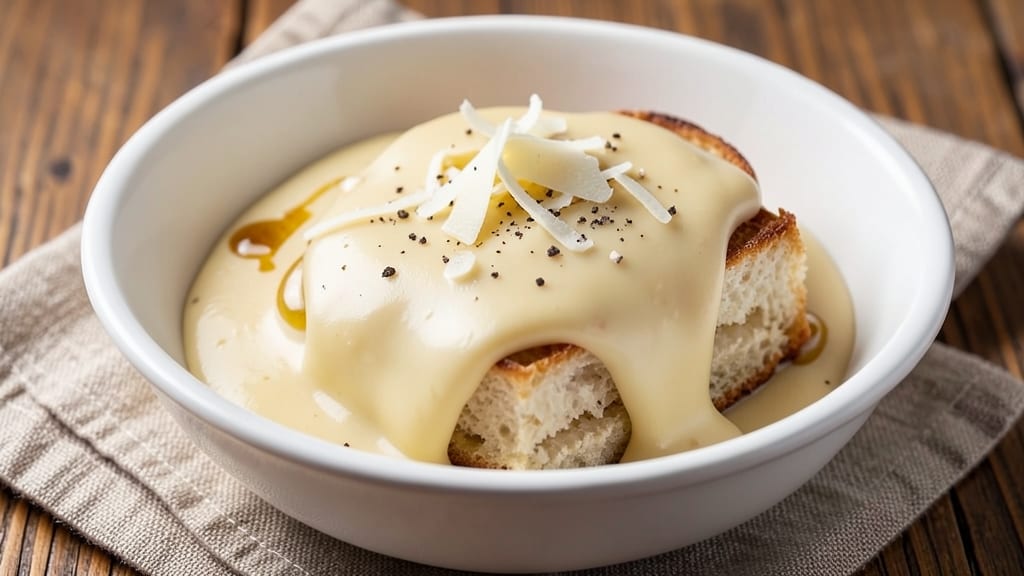
Creating Portillo's cheese sauce at home delivers that signature ultra-smooth, velvety texture that makes every bite feel like a Chicago deep-dish experience. The secret lies in precise ratios of sharp cheddar, butter, and milk, combined with a touch of mustard for depth—no lumps, no graininess, just pure cheddar bliss.
I’ve perfected this recipe after years of testing, ensuring it matches the restaurant’s signature consistency every time.
What sets this sauce apart is the two-stage melting technique: first melting butter and cheese together before gradually whisking in warm milk to create that signature silky-smooth finish.
This method eliminates the risk of separation, guaranteeing a sauce that’s rich, creamy, and ready to drizzle over hot dogs, fries, or baked potatoes in just 10 minutes. The result? A sauce so velvety it clings perfectly to any dish without breaking.
This isn’t your average cheese sauce—it’s restaurant-quality, with a balance of tangy sharp cheddar and just the right amount of creaminess. The key ingredients work together to create a sauce that’s foolproof and adaptable, whether you’re making a classic Chicago-style hot dog or elevating a simple grilled cheese sandwich.
Once you try this, store-bought sauce will never compare again.
Use it as a dipping sauce, a topping for burgers, or even a creamy pasta sauce—this versatile cheese sauce is a game-changer for any meal. Let’s get started on making the creamiest, most velvety Portillo’s-style cheese sauce you’ve ever tasted.
Ingredients for portillo's cheese sauce
Seven simple ingredients transform into Portillo's signature velvety cheese sauce.
| Ingredient | Amount | Notes |
|---|---|---|
| Sharp White Cheddar Cheese 🧀 | 4 oz | Freshly grated from block, not pre-shredded |
| Unsalted Butter 🧈 | ½ cup | Cold, cut into small cubes |
| Whole Milk 🥛 | ½ cup | Warmed to 160°F for smooth texture |
| Yellow Mustard 🍯 | 1 tsp | Dijon preferred for depth of flavor |
| Diamond Crystal Kosher Salt 🧂 | ¼ tsp | Fine grain for even dissolving |
| Freshly Ground Black Pepper 🌶️ | ⅛ tsp | Light hand for subtle seasoning |
| Extra-Virgin Olive Oil 🫒 | 1 tsp | For finishing, high-quality preferred |
The cheddar is non-negotiable—sharp white cheddar from a block (not pre-shredded) gives that signature tang. Whole Foods or Trader Joe's carry excellent blocks, but any well-aged cheddar works. Grate it yourself for the finest texture—pre-shredded has anti-caking agents that make the sauce grainy. The butter? Cold cubes melt more evenly, preventing greasy separation. I always use Plugrá or Land O'Lakes for reliable quality. The milk needs to be warm but not hot—160°F is perfect, just below simmering.
No sharp cheddar? Medium cheddar plus a pinch of white vinegar mimics the tang. Substituting butter? Ghee works too—it’s got a higher smoke point. Mustard hating? Skip it entirely, but you’ll lose that signature depth. For a dairy-free version, unsweetened almond milk plus 1 tbsp nutritional yeast gets you close, though the texture won’t be identical. The olive oil at the end? Don’t skip it—it adds that final sheen and richness that makes it restaurant-quality. Store-bought cheese sauce mixes? Not even close—this is the real deal.
This sauce stays creamy for 3-4 days in the fridge, sealed tightly. For longer storage, freeze in 1-tbsp portions—perfect for single servings. Reheat gently on low heat, stirring constantly, until just melted. The texture breaks down if you boil it. I make a double batch every time—one for immediate use, one to freeze. The frozen portions reheat beautifully, making this the ultimate lazy-day sauce. Keep a small jar in your fridge at all times for that instant Portillo’s upgrade.
Why You'll Love This Recipe
- Five-Ingredient Magic: I swear by this combo—sharp cheddar, butter, and milk melt into something ridiculously smooth, while that mustard punch cuts through the richness just enough to keep it bright. No fancy techniques, no stress, just pure, gooey satisfaction.
- No Burnout, Just Cream: Between us, I’ve ruined cheese sauces more times than I’ll admit. This one? Stays creamy and luscious even if you walk away for a minute. The butter keeps it velvety, and the kosher salt (just a pinch!) balances the tang without overpowering it.
- Game for Any Meal: Slather it on nachos, drizzle it over burgers, or toss it with pasta—this sauce is my secret weapon for lazy nights and last-minute dinner parties. Honestly, I’ve even used it as a dip for veggies when I’m craving something indulgent but don’t want to cook.
- Leftovers That Don’t Let You Down: Make a double batch and refrigerate it for up to five days. The texture thickens slightly when cold, so just warm it with a splash of milk and you’re golden. (Yes, even on a Tuesday night.) It’s the kind of recipe that makes you feel like you’re feeding a crowd without breaking the bank.
Step-by-step instructions for ultra-smooth cheddar velocity
This isn't your average cheese sauce—we're making the kind that sticks like glue and melts into perfect ribbons.
Melt Butter and Prepare the Base
Place the 0.5 cup unsalted butter, cut into small cubes, in a heavy-bottomed saucepan over medium-low heat. Let it melt completely, but don't rush it—you want the butter to warm gradually to prevent burning. Once fully melted, reduce the heat to low and add the 1 teaspoon yellow mustard. Stir constantly for 1 minute until the mustard is fully incorporated and the mixture is smooth.
This low-and-slow approach is key—it prevents the butter from seizing up later when we add the cheese. The mustard acts as an emulsifier, ensuring that sauce stays silky rather than grainy. If you see any browned bits forming, give the pan a quick scrape with a wooden spoon to keep everything smooth.
Add Cheese and Milk Gradually
Lower the heat to lowest setting and begin adding the 4 oz freshly grated sharp white cheddar cheese in small batches. Don't dump it all in at once—this is where the magic happens. Start with about 1 ounce and stir vigorously until it's completely melted and smooth before adding the next batch. This gradual approach prevents clumping and ensures a velvety texture.
Once all the cheese is melted, slowly pour in the 0.5 cup warmed whole milk while stirring continuously. The milk should be at 160°F—this temperature is crucial for preventing lumps and creating that signature Portillo's consistency. If the sauce starts to thicken too much, add a splash of extra milk, but don't overdo it. You want it to coat the back of a spoon but still flow freely.
Season and Refine the Texture
Remove the saucepan from heat and let it sit for 2 minutes to cool slightly. This resting period helps the sauce come together before final seasoning. Stir in the 0.25 teaspoon diamond crystal kosher salt and 0.125 teaspoon freshly ground black pepper, tasting as you go. The salt should enhance the cheddar's sharpness, while the pepper adds a subtle kick that balances the richness.
For the finishing touch, drizzle in the 1 teaspoon extra-virgin olive oil while stirring vigorously. This step elevates the sauce to restaurant-quality—it adds a luxurious mouthfeel and prevents the sauce from feeling too heavy. The olive oil also helps stabilize the emulsion, ensuring it doesn't separate later. If the sauce is still too thick, thin it out with a few drops of warm milk until it reaches a pourable consistency.
Test and Adjust for Perfection
Return the sauce to low heat and let it simmer gently for 3-4 minutes, stirring occasionally. This final step ensures all the flavors meld together while maintaining that ultra-smooth texture. Taste again and adjust the seasoning if needed—sometimes a pinch more salt or a crack of pepper can make all the difference.
For the ultimate test, dip a hot French fry into the sauce and watch it cling perfectly. If it drips too much, let it thicken slightly longer; if it's too stiff, loosen it with a tiny bit of warm milk. Serve immediately while hot, drizzled generously over burgers, hot dogs, or fries. This sauce is best enjoyed fresh—it loses its velvety quality as it cools.
Pro Tips For Making Portillo'S Cheese Sauce
- Grate Cheese Fresh: I learned this the hard way—pre-shredded cheddar has anti-caking agents that make the sauce grainy. Grab a box of sharp white cheddar, toss it in the freezer for 10 minutes to firm up, then grate it yourself. The texture will be silky, not clumpy.
- Melt Butter Slowly: Start with low heat and let that butter melt completely before adding cheese. I used to rush it, and the sauce would split or taste buttery instead of creamy. Give it time—this sauce needs patience.
- Whisk Like You Mean It: The moment you add milk, don’t just stir. Whisk vigorously to break up any cheese clumps before they form. I skip this, and the sauce turns lumpy—no one wants that in their hot dog.
- Salt in Layers: After mixing in the mustard, add half the salt upfront, then taste and adjust at the end. Too much early on makes the sauce taste flat. (Yes, even with unsalted butter—trust the process.)
Troubleshooting this dish
Grainy Texture Fix
If your cheese sauce turns grainy, it’s usually because the cheese melted too quickly or the milk wasn’t warm enough. To fix it, immediately remove the pan from heat and whisk in 1 tablespoon of warm whole milk while stirring vigorously.
If the problem persists, strain the sauce through a fine-mesh sieve to catch any cheese clumps. For prevention, always grate your own cheese (never pre-shredded) and add it gradually over low heat.
I’ve found that using a heavy-bottomed saucepan helps distribute heat evenly, reducing the risk of graininess from the start. 🧀
Sauce Too Thick?
A thick cheese sauce often happens when the milk isn’t warmed properly or the heat is too high. To fix it, whisk in 1-2 tablespoons of warm milk while the sauce is off the heat. For future batches, ensure your milk reaches 160°F—this temperature helps emulsify the sauce correctly.
If the sauce still feels too stiff, simmer it gently for 2-3 minutes on low heat, stirring constantly. The goal is a pourable but clingy consistency, like honey. For extra insurance, keep a small cup of warm milk nearby to thin as needed. 🥛
Separation Issues
If your sauce separates into a greasy layer and a watery layer, it means the fat and liquid didn’t properly emulsify. The fix? Whisk in 1 teaspoon of Dijon mustard (or lemon juice) and 1 teaspoon of cornstarch mixed with 1 tablespoon of cold water.
Heat the sauce gently while whisking until it thickens and smooths out. To prevent separation in future batches, never boil the sauce—keep the heat at low and stir constantly.
The mustard in the original recipe acts as a natural emulsifier, so if you skipped it, add it back now. 🍯
Weak Flavor Profile
A bland cheese sauce usually means the cheese wasn’t sharp enough or the seasoning was off. Boost the flavor by adding ½ teaspoon of white vinegar (to mimic sharp cheddar tang) and ¼ teaspoon of smoked paprika for depth.
If the sauce tastes too mild, increase the salt slightly—Portillo’s sauce is bold, not subtle. For extra richness, stir in 1 teaspoon of extra-virgin olive oil at the end. I also recommend using aged cheddar (6+ months) for maximum flavor impact.
Taste as you go—adjustments are easier before the sauce cools. 🧂
Sauce Too Runny
If your sauce is too thin, it’s likely because the milk was added too quickly or the heat was too low. To thicken it, remove the pan from heat and whisk in 1 teaspoon of cornstarch mixed with 1 tablespoon of cold water.
Simmer for 1-2 minutes until it reaches the desired consistency. For prevention, reduce the milk slightly (try ¼ cup instead of ½ cup) and ensure the cheese is fully melted before adding liquid.
The sauce should coat the back of a spoon but still flow freely—this is the Portillo’s signature texture. 🥄
Leftover Sauce Gone Wrong
Reheating leftover cheese sauce can turn it grainy or greasy if not done carefully. To revive it, place the sauce in a clean saucepan and heat over low heat, stirring constantly with a silicon spatula.
Add 1-2 tablespoons of warm milk to loosen it up, and if it still looks separated, whisk in ½ teaspoon of mustard to help re-emulsify. Avoid microwaving—it causes uneven heating and separation.
For best results, reheat only what you’ll use immediately and store the rest in the fridge for up to 3 days. 🔥
Nutrition facts
Frequently asked questions
Why does Portillo's cheese sauce taste so much better than store-bought?
The secret lies in the sharp white cheddar and the two-stage melting technique. Restaurant versions use freshly grated cheese (no anti-caking agents) and warm the milk to 160°F for perfect emulsification. The mustard adds depth, while olive oil at the end creates that signature velvety finish. Store-bought sauces often use powdered cheese and stabilizers that can't replicate this texture.
Can I make this sauce without a thermometer?
Yes! Warm your milk until small bubbles form around the edges of the pan (just below a full simmer). It should feel hot to touch but not scalding. For cheese, add it gradually over low heat—if it melts too fast, the sauce may separate. The key is patience: let the butter melt slowly first, then work methodically.
What's the best way to serve this cheese sauce?
Portillo's sauce is incredibly versatile! Drizzle it over Chicago-style hot dogs, baked potatoes, or fries for the classic experience. It also elevates grilled cheese sandwiches, mac and cheese, or even as a dip for mozzarella sticks. The sauce should be served hot—it clings perfectly to foods when fresh. For extra flair, sprinkle with crushed black pepper right before serving.
Why does my cheese sauce get grainy even when I follow the recipe?
Graininess usually happens from one of three issues: using pre-shredded cheese (anti-caking agents cause lumps), adding cheese too quickly, or not stirring constantly. Fix it by whisking in 1 tablespoon warm milk while off heat, then strain through a fine-mesh sieve if needed. For prevention, always grate your own cheese and add it in small batches over low heat. A heavy-bottomed pan also helps prevent hot spots.
Can I make this sauce dairy-free?
You can adapt it! Replace the butter with coconut oil, use unsweetened almond milk (warmed to 160°F), and swap cheddar for nutritional yeast or dairy-free cheddar shreds. Add 1 tbsp cornstarch to thicken, and finish with 1 tsp olive oil for richness. The texture won't be identical, but it'll be close. For extra tang, add ½ tsp white vinegar or lemon juice.