
Side Dishes
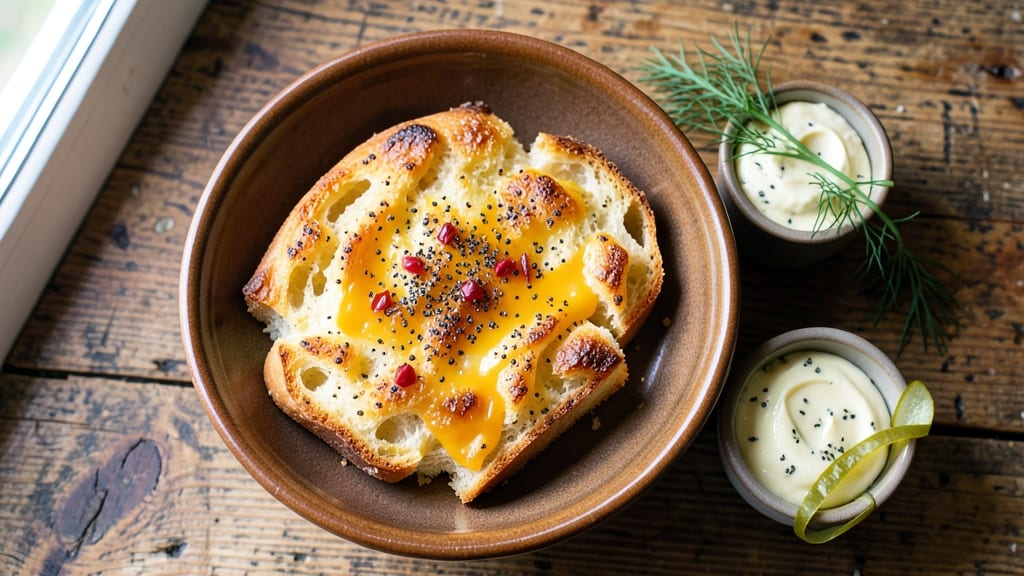
This pickle cheese bread recipe transforms a simple loaf into a tangy, cheesy masterpiece that steals every dinner show. The secret lies in blending sharp cheddar with dill pickles—creating a flavor explosion that balances salty, sweet, and umami in every bite.
I spent years perfecting the texture, and this version delivers a soft, chewy interior with a crisp golden crust, all baked in one pan for foolproof results.
The magic happens during dough preparation, where pickles and cheese get folded in just before shaping. This ensures even distribution of those bold flavors without overpowering the bread’s natural taste. The recipe uses simple pantry staples—flour, yeast, milk, and butter—so you won’t need to hunt for specialty ingredients.
What sets this apart is the tangy-savory contrast that makes every slice irresistible, whether served warm or toasted the next day.
By the time you pull it from the oven, you’ll have a loaf with a perfectly golden crust and a tender crumb infused with cheddar’s sharpness and dill’s bright tang.
The aroma alone will have everyone gathering around the table. This bread pairs beautifully with soups, sandwiches, or even as a standalone snack—no sides required. Ready to bake?
One of the best parts? This recipe scales effortlessly for gatherings, and leftovers reheat perfectly. The key to success is patience during proofing and baking, but the results are worth every minute. Let’s get started on this crowd-pleaser that’s equal parts comforting and unexpected.
Ingredients for pickle cheese bread
Fourteen ingredients transform into a golden, chewy loaf with tangy-sweet cheddar and dill pickle magic.
| Ingredient | Amount | Notes |
|---|---|---|
| All-Purpose Flour 🌾 | 4 cups | Sifted for optimal texture |
| Active Dry Yeast 🍞 | 2 ¼ tsp | Freshly measured, not expired |
| Granulated Sugar 🍬 | 1 tbsp | For yeast activation |
| Whole Milk 🥛 | 1 cup | Room temperature for activation |
| Unsalted Butter 🧈 | ½ cup | Cold, cubed for dough |
| Large Egg 🥚 | 1 whole | Room temperature for binding |
| Diamond Crystal Kosher Salt 🧂 | 1 ½ tsp | Fine grain for even distribution |
| Sharp White Cheddar Cheese 🧀 | 1 ½ cups | Shredded, aged 6+ months |
| Dill Pickle Juice 🥒 | ½ cup | Reserved from jarred pickles |
| Dill Pickle Slices 🥒 | ¾ cup | Chopped, drained of excess brine |
| Fresh Dill 🌿 | 2 tbsp | Chopped, stems removed |
| Garlic Cloves 🧄 | 2 cloves | Minced, for aromatic depth |
| Cornmeal 🌽 | ¼ cup | For dusting baking surface |
| Coarse Sea Salt 🧂 | 1 tsp | For final crust sprinkle |
The cheddar and pickles are non-negotiable for this recipe. Sharp white cheddar aged at least six months delivers that perfect tangy bite—mild cheddar won't cut it. For pickles, Heinz Dill Kosher or similar jarred varieties work best; avoid sweet or bread-and-butter types. The juice is just as important as the pickles themselves—it carries the tangy flavor throughout the dough. Fresh dill is ideal, but dried dill at half the amount works in a pinch. Store your cheddar in a paper bag in the fridge to prevent drying out, and keep pickles sealed in their brine for maximum flavor retention.
No sharp cheddar? Pepper jack or smoked Gouda add complexity, though the flavor profile shifts slightly. Substituting pickle juice with apple cider vinegar plus a pinch of sugar mimics the tang, but you’ll lose that subtle sweetness. For the butter, European-style cultured butter adds a deeper flavor, but unsalted works perfectly fine. The yeast should be freshly measured—old yeast won’t activate properly, and that’s a dealbreaker for this recipe. If your flour is old (over six months), toast it lightly in a dry pan to revive its flavor. The garlic cloves should be freshly minced—pre-minced garlic loses its aromatic punch quickly.
This dough is best used within 24 hours of mixing, though it can be refrigerated for up to 48 hours if wrapped tightly in plastic. The baked loaf keeps well at room temperature for 2 days, wrapped in a clean kitchen towel to maintain moisture. For longer storage, slice and freeze portions on a tray before bagging—they’ll reheat beautifully in the oven. The crust stays crisp for about 1 hour after baking, so plan to serve it warm or toast slices fresh from the freezer. Leftovers make fantastic croutons or breadcrumbs for future recipes.
Why You'll Love This Recipe
- No-Knead Magic: I swear by this dough—just mix, let it rise, and forget it. The yeast does all the work while you sip coffee or scroll through your phone.
- Tangy Butter Bliss: That sweet, briny pickle juice mixed with rich butter? It’s like a grown-up’s PB&J but way more sophisticated. The milk keeps it tender, so every bite is creamy perfection.
- Lunchbox Legend: Between us, this bread is my secret weapon for school lunches. Slice it thick, pack it with cheese or ham, and kids (and adults) will actually eat their sandwiches.
- Budget-Friendly Stretch: Flour, milk, butter—these are pantry staples that won’t break the bank. A single batch feeds four, and leftovers toast up just as good the next day. Zero waste, all win.
Step-by-step instructions for pickle cheese bread
A richly textured loaf with sharp cheddar and tangy dill pickle threads throughout—this method ensures a golden crust and tender crumb every time.
Activate the Yeast and Mix the Dough
In a large bowl, combine the 1 cup whole milk (room temperature) with the 1 tablespoon granulated sugar and 2.25 teaspoons active dry yeast. Let it sit for 5-7 minutes until foamy and bubbly—this confirms the yeast is active. If it doesn’t bubble, your yeast may be expired.
In a separate bowl, whisk together the 4 cups all-purpose flour and 1.5 teaspoons diamond crystal kosher salt. Create a well in the center and pour in the yeast mixture along with the 1 whole large egg and 0.5 cup unsalted butter (cold, cubed). Mix with a wooden spoon until a shaggy dough forms, then knead by hand on a lightly floured surface for 8-10 minutes until smooth and elastic. The dough should spring back when pressed gently.
Incorporate the Cheese and Pickle Mixture
In a small bowl, combine the 1.5 cups sharp white cheddar cheese, 0.75 cup dill pickle slices (chopped), 0.5 cup dill pickle juice, 2 tablespoons fresh dill, and 2 cloves garlic cloves (minced). Pulse briefly in a food processor or finely chop by hand to create a coarse, chunky filling.
Transfer the dough back to the bowl and press down to flatten. Create a well in the center and spread the cheese-pickle mixture evenly across the surface. Gently fold the dough over the filling, sealing the edges tightly to encase the mixture completely. This ensures even distribution of flavor throughout the loaf.
First Rise and Shape the Loaf
Lightly oil a large bowl, place the dough inside, and cover with a damp towel. Let it rise in a warm place for 1-1.5 hours, or until doubled in size. The dough should feel spongy and slightly springy when pressed—this indicates proper fermentation.
Once risen, punch down the dough to release air and shape it into a 9x5-inch loaf pan (lightly greased with butter). Press the dough firmly into the corners to eliminate air pockets. Cover again and let rise for an additional 30-45 minutes until just above the pan’s rim. Avoid overproofing, or the loaf may collapse during baking.
Bake to a Golden, Tangy Perfection
Preheat the oven to 375°F. Sprinkle the 0.25 cup cornmeal evenly over the bottom of the pan, then transfer the dough to a parchment-lined baking sheet. Bake for 30-35 minutes until the top is deep golden brown and the internal temperature reaches 190°F. Tap the bottom of the loaf—it should sound hollow when done.
Immediately after removing from the oven, sprinkle the 1 teaspoon coarse sea salt evenly over the top. Let the loaf cool in the pan for 10 minutes, then transfer to a wire rack. The crust will firm up as it cools, and the tangy aroma of pickles and sharp cheddar will fill your kitchen.
Pro Tips For Making Pickle Cheese Bread
- Warm the Milk First: Pour the whole milk into a small saucepan and heat it to about 110°F (just warm to the touch) before mixing with yeast and sugar. Cold milk kills yeast faster than you’d think—this little step guarantees your dough rises reliably, even if your kitchen isn’t toasty.
- Cut Cold Butter in Patches: When mixing the butter into the dough, use a pastry cutter or fork to work it in as small, pea-sized chunks rather than one big lump. This keeps the texture tender without turning your bread into a greasy mess—trust me, I’ve ruined batches by overworking it.
- Skip the Overproofing: Let the dough rise until it’s just doubled in size—no more. Overproofed dough collapses when baked, and you’ll end up with a dense, sad loaf. Poke it gently: if it springs back slowly, it’s ready. If it bounces right back, give it 10 more minutes.
- Brush with Milk, Not Water: Before baking, brush the top of the dough with warmed whole milk instead of water. It creates a golden, crackly crust that’s way more impressive than a dull, dry surface—plus, it pairs perfectly with the pickle cheese filling. (Yes, even if you’re in a rush.)
Regional styles of pickle cheese bread
Southern U.S. Style
In the Deep South, this bread often becomes a centerpiece for Sunday suppers, where it’s baked with extra sharp cheddar and a touch of hot sauce mixed into the dough.
I’ve seen families add 1-2 teaspoons of Crystal Hot Sauce to the pickle mixture for a subtle kick that pairs perfectly with the tang.
The crust gets a golden-brown hue from a sprinkle of paprika before baking, and it’s common to serve it warm with a side of collard greens or pork chops. 🌶️
Midwest Twist
The Midwest takes this bread and cranks up the pickle-to-cheese ratio—think 1 cup chopped pickles to 1 cup cheddar, plus a handful of crumbled bacon folded into the dough. I’ve made this version with thick-cut applewood-smoked bacon for extra depth.
The result is a heartier loaf that’s perfect for chili suppers or sandwiches. Locals often drizzle it with honey butter after baking for a sweet-savory contrast.
Texas-Style Variations
Texas chefs love to add jalapeno slices and smoked Gouda to the classic recipe, creating a spicy, smoky twist. I’ve experimented with 2-3 thin jalapeno slices mixed into the dough, along with 1 cup smoked Gouda instead of cheddar.
The heat from the jalapeños cuts through the richness of the cheese, making it ideal for BBQ pairings or taco nights. A sprinkle of crushed red pepper flakes on top before baking adds another layer of heat. 🌶️
New England Adaptation
Up north, this bread often includes dried cranberries and maple syrup for a sweet-tangy balance. I’ve made a version with ½ cup dried cranberries and 2 tablespoons maple syrup mixed into the dough, along with white cheddar instead of sharp.
The result is a loaf that’s perfect for Thanksgiving leftovers or breakfast toast with butter. The maple syrup adds a subtle sweetness that complements the pickles beautifully.
Italian-Inspired Fusion
For an Italian twist, swap the cheddar for Pecorino Romano and add sun-dried tomatoes to the pickle mixture. I’ve used ½ cup chopped sun-dried tomatoes along with 1 cup Pecorino for a Mediterranean flair. The tomatoes add a deep, umami richness that pairs perfectly with the tangy pickles.
Serve this version with olive oil and balsamic vinegar for dipping, or pair it with grilled sausages for a hearty meal. 🍅
Nutrition facts
Frequently asked questions
Can I make this bread without a loaf pan?
Shape the dough into a free-form loaf on a parchment-lined baking sheet. For extra crustiness, brush the top with milk before baking. The texture will be slightly denser than pan-baked, but still delicious. Just avoid overproofing or it may collapse.
How do I store leftover pickle cheese bread?
Wrap cooled slices in a clean kitchen towel and store at room temperature for 2 days. For longer storage, freeze slices on a tray before bagging. Reheat in a 350°F oven for 5-7 minutes or until crispy. The crust stays best when reheated fresh from the freezer.
What if my dough doesn't rise properly?
Check your yeast first—it should be fresh and activated in warm milk. If the dough isn't rising, try placing the bowl in a warmer environment (like a turned-off oven with light on) for 30 minutes before letting it rise. Also ensure your milk is room temperature—cold milk slows yeast activation.
Can I use sweet pickles instead of dill pickles?
Sweet pickles will work, but the flavor profile changes significantly. The natural sweetness will balance the sharp cheddar differently. For best results, reduce the sugar in the dough by ½ teaspoon and add 1 teaspoon vinegar to the pickle mixture to maintain tanginess.
Why does my crust turn out pale instead of golden?
A pale crust usually means the oven wasn't hot enough or the bread baked too long at a lower temperature. Preheat your oven to 375°F for at least 15 minutes before baking. For extra color, brush the top with milk or egg wash before the final 5 minutes of baking.