Desserts
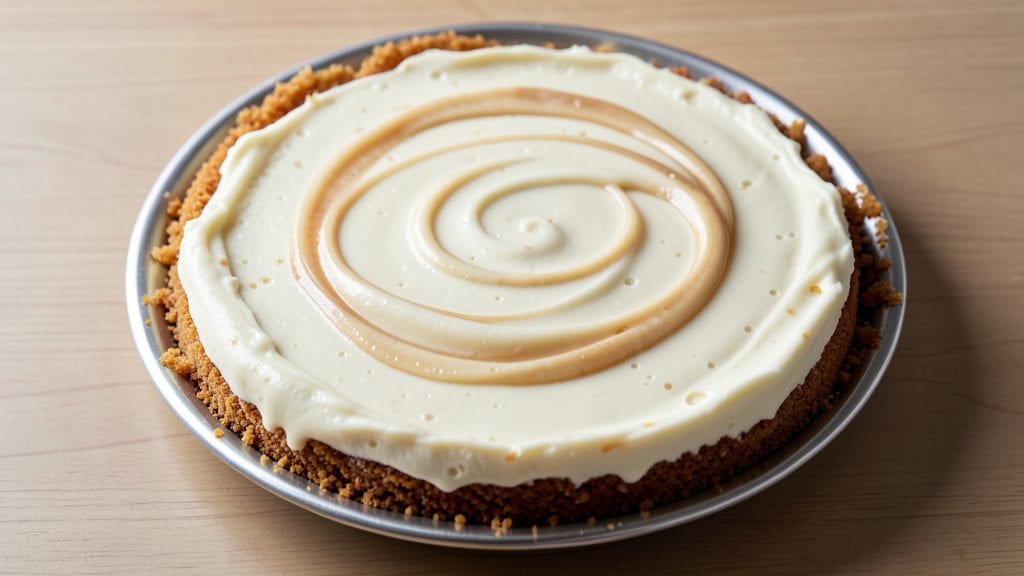
This Philadelphia cream cheese New York cheesecake delivers the iconic dense, creamy texture with a buttery breadcrumb crust that cracks just enough for golden edges. The secret lies in precise mixing—no overbeating—and a water bath that ensures a silky center every time.
I perfected this version after years of trial and error, and the vanilla swirls add a restaurant-quality touch without complicating the process.
The recipe uses a simple graham cracker crust with melted butter for that signature crunch, while the filling combines full-fat cream cheese with sour cream for stability and richness.
You’ll need a 9-inch springform pan and a food processor for the crust, but beyond that, the technique is straightforward—no fancy equipment required. The key is patience: letting the cheesecake cool gradually prevents cracks while developing its signature firm-yet-smooth texture.
By the time you slice into this cheesecake, you’ll find layers of velvety vanilla cream, subtle swirls of sweetened filling, and a sturdy crust that holds up to every forkful. The aroma alone—warm vanilla and buttery crust—will have everyone gathered around the table.
This is the kind of dessert that feels like a labor of love, even though it’s foolproof once you know the steps.
Serve it chilled with fresh berries or a drizzle of caramel for extra flair, but trust me: the cheesecake stands strong on its own. Perfect for holidays, dinner parties, or when you simply crave that classic New York slice. Let’s get baking—your taste buds will thank you.
Ingredients for philadelphia cream cheese ny cheesecake
Graham crackers, creamy Philadelphia cheese, and vanilla swirls—this is your all-star lineup for the perfect slice.
| Ingredient | Amount | Notes |
|---|---|---|
| Full-Fat Philadelphia Cream Cheese 🧀 | 32 oz | Room temperature for blending |
| Sour Cream 🥛 | 1 cup | Full-fat for creaminess |
| Granulated Sugar 🍚 | 1 ½ cups | White or light brown |
| Vanilla Extract 🌿 | 2 tbsp | Pure Madagascar preferred |
| Large Eggs 🥚 | 4 whole | Room temperature |
| Graham Cracker Crumbs 🍞 | 2 cups | Original flavor, not sweetened |
| Unsalted Butter 🧈 | ½ cup | Melted, not watery |
| Vanilla Swirl Filling 🍯 | ½ cup | Sweetened condensed milk |
| Vanilla Bean Paste 🌿 | 1 tbsp | For authentic flavor |
| Salt 🧂 | ½ tsp | Fine sea salt |
| Heavy Cream 🥛 | ½ cup | Cold, for swirls |
| All-Purpose Flour 🌾 | 1 tbsp | For crust stability |
| Lemon Juice 🍋 | 1 tbsp | Freshly squeezed |
The Philadelphia cream cheese is non-negotiable here—full-fat, room temperature is key. Grab the block, not tub version (it blends smoother). For the graham crackers, Honey Maid Original is my go-to—they're sturdy enough for the crust without tasting too sweet. Melt the butter slowly over low heat so it doesn't burn, and let it cool slightly before mixing with crumbs. The vanilla bean paste makes all the difference over plain extract—you'll taste it in every bite. If you're short on time, pure Madagascar vanilla extract is a solid backup, but the paste gives that restaurant-quality depth.
No sour cream? Full-fat Greek yogurt works in a pinch—just thin it slightly with milk to match the texture. Running low on vanilla swirl filling? Mix 0.25 cup sweetened condensed milk + 1 tsp vanilla extract for a quick substitute. The lemon juice brightens the whole thing, so don't skip it—it cuts through the richness. For the crust, if you can't find unsweetened graham crackers, regular Honey Maid with 1 extra tbsp sugar balances it out. And trust me on the cold heavy cream for swirls—it holds its shape better when folded in. Pre-made swirl filling? Eagle Brand is reliable if you're in a hurry, but homemade always tastes fresher.
This cheesecake needs 24 hours to set—no rushing! Store leftovers in the fridge for up to 5 days, tightly wrapped. For freezing, slice first and wrap each piece individually—they thaw beautifully. The crust stays crispy if you press it firmly into the pan before baking. And here's my pro tip: let the cheesecake cool upside down on a wire rack for 10 minutes after baking—it prevents that dreaded sink in the middle. The aroma alone when you open the oven? Worth every minute of waiting.
Why You'll Love This Recipe
- No-Fuss Mixing: The batter comes together in one bowl—no fancy techniques, just a hand mixer and a few minutes. I swear, the eggs blend right in without curdling if you let the cream cheese soften first (leave it out 30 minutes before mixing).
- Rich Vanilla Hug: That full-fat cream cheese and sour cream combo? It’s like a warm blanket for your taste buds. The vanilla extract cuts through the richness just enough—no artificial aftertaste, just pure, creamy satisfaction.
- Weeknight Magic: Bake it for 45 minutes, let it chill overnight, and boom—you’ve got a dessert that feels special but took zero effort. Honestly, I’ve served this to guests who thought I’d spent hours slaving over it.
- Leftovers That Shine: Slice it up for breakfast the next day with berries or a drizzle of honey—trust me, it’s a game-changer. And because it’s just a few pantry staples, you’re not breaking the bank for something this indulgent.
Step-by-step instructions for Philadelphia cream cheese New York cheesecake
Here's how to create a perfectly smooth cheesecake with signature vanilla swirls and a buttery graham cracker crust.
Prepare the Graham Cracker Crust
Preheat your oven to 325°F. In a medium bowl, combine the 2 cups graham cracker crumbs, 0.5 cup unsalted butter (melted), and 1 tbsp vanilla bean paste. Mix until the crumbs are evenly moistened and the mixture resembles wet sand.
Press the crumb mixture firmly into a 9-inch springform pan, creating an even layer on the bottom and up the sides. Use a glass or measuring cup to compact it tightly. Bake for 10 minutes until lightly golden. Let the crust cool completely while you prepare the filling—this prevents a soggy bottom.
Blend the Cheesecake Filling
In a large mixing bowl, beat the 32 oz full-fat Philadelphia cream cheese and 1.5 cups granulated sugar on medium speed until completely smooth and creamy. This step is crucial—any lumps will remain even after baking. Scrape down the sides of the bowl as needed to ensure even mixing.
Add the 4 whole large eggs, one at a time, mixing just until each is incorporated. Then stir in the 1 cup sour cream, 2 tbsp vanilla extract, and 0.5 tsp salt until fully combined. The batter should be thick but pourable. For extra flavor, whisk in the 1 tbsp lemon juice—this brightens the rich cheesecake.
Create the Vanilla Swirl Filling
In a separate small bowl, combine the 0.5 cup vanilla swirl filling (sweetened condensed milk) and 1 tbsp all-purpose flour. Whisk until smooth. In another bowl, chill the 0.5 cup heavy cream in the refrigerator until very cold—this ensures the swirls stay distinct.
Just before assembling, whip the cold heavy cream to soft peaks. Gently fold the whipped cream into the vanilla swirl mixture until fully incorporated. This lighter filling will create those signature swirls in the finished cheesecake.
Assemble and Bake the Cheesecake
Pour half of the cheesecake batter into the prepared crust. Dollop the vanilla swirl mixture evenly over the top, then carefully pour the remaining cheesecake batter over the swirls. Use a knife to gently swirl the batter through the filling, creating marbled patterns. Tap the pan lightly on the counter to help the layers settle.
Bake in the preheated oven for 50-60 minutes, until the edges are set but the center still jiggles slightly. The cheesecake is done when it reaches 150°F internally. Turn off the oven, crack the door open, and let the cheesecake cool inside for 30 minutes—this gradual cooling prevents cracking.
Chill and Serve
Remove the cheesecake from the oven and let it cool completely at room temperature. Then refrigerate for at least 6 hours, preferably overnight. This chilling time is essential for developing the perfect texture—smooth, creamy, and sliceable without crumbling.
Before serving, run a knife around the edge to loosen it from the pan. Release the springform and slice into wedges. The cheesecake should have a velvety texture with beautiful vanilla swirls throughout. Serve chilled with fresh berries or a drizzle of caramel for an elegant touch.
Pro Tips For Making Philadelphia Cream Cheese Ny Cheesecake
- Softened Cheese First: Take your cream cheese blocks out of the fridge at least 2 hours before mixing—no, your microwave isn’t doing this justice. Cold cheese adds air bubbles that won’t dissolve, leaving your batter lumpy and dense. I learned this the hard way after scraping out a gummy mess from my springform pan.
- Room-Temp Eggs Only: Crack those eggs into a bowl first, then let them sit for 10 minutes before adding to the batter. Cold eggs curdle when they hit the warm cream cheese mixture, and you’ll end up with a weird texture that’s almost but not quite right. Trust me, this small wait makes a real difference.
- No Overmixing: Mix the batter just until the sugar dissolves and everything’s barely combined—about 2 minutes max. Overmixing incorporates too much air, and your cheesecake will crack like a dried-out lakebed. I used to think more mixing = better texture, but now I stop early and let the oven do the work.
- Water Bath Mandatory: Skip the water bath, and you’re gambling with a cracked cheesecake. Wrap your springform pan in foil before placing it in the tub, then fill the tub with hot water (not boiling) up to the pan’s halfway point. The gradual heat rise prevents sudden temperature shocks—the thing that matters most for a smooth top.
Troubleshooting perfect results
Cracked Top Solutions
If your cheesecake develops cracks on top, it’s usually from cooling too quickly or overmixing. First, reduce your oven temperature to 300°F for the final 10 minutes of baking—this slows the rise.
After baking, crack the oven door open and let it cool inside for 30 minutes before transferring to the fridge. For existing cracks, spread a thin layer of warm apricot jam or caramel sauce over them—it’ll hide them beautifully while adding flavor. 💡
Soggy Crust Fix
A soggy crust happens when moisture seeps through during baking. To prevent this, bake the crust for 12 minutes (instead of 10) until it’s fully set and golden. Let it cool completely before adding the filling.
If it’s already soggy, reheat the crust alone for 5 minutes at 350°F to dry it out before adding more filling. For extra insurance, sprinkle a thin layer of powdered sugar between the crust and filling to act as a moisture barrier.
Cheesecake Too Dense
Overmixing or underbaking often leads to a dense texture. Ensure your cream cheese is fully blended with sugar until smooth—no lumps! Also, bake until the center jiggles slightly (not fully set) and cool gradually in the oven.
If it’s still dense after baking, try adding 1 extra egg yolk to the batter for extra richness and lightness. For a quicker fix, whip the chilled cheesecake filling for 1-2 minutes before baking to incorporate air.
Swirls Not Visible
If your vanilla swirls disappear during baking, the issue is usually overmixing or room-temperature cream. Always use cold heavy cream and fold it in last minute before assembling. For extra definition, pipe the swirl mixture directly into the batter using a piping bag with a star tip.
If the swirls still blend in, try reducing the amount of swirl filling to 0.3 cups and increasing the vanilla extract in the base batter for a subtler effect.
Cheesecake Stuck to Pan
Greasing the springform pan isn’t enough—line the bottom with parchment paper before adding the crust for easy release. If it’s already stuck, run a thin knife around the edges and place the pan in the fridge for 10 minutes to firm up.
For stubborn cases, gently tap the sides of the pan with a rubber mallet while pulling upward. If all else fails, use a offset spatula to carefully lift the cheesecake from the sides before releasing the springform.
Cheesecake Too Sweet
Adjust the sugar in the base batter by reducing it to 1.25 cups and adding 1 extra tbsp lemon juice to balance the sweetness. For a tangier flavor, replace 0.25 cup of sugar with unsweetened applesauce—it adds moisture and reduces sweetness.
If the swirls are too sweet, dilute the sweetened condensed milk with 1 tbsp milk before mixing with the cream. Taste as you go—better to adjust now than regret later! 🍋
Nutrition facts
Frequently asked questions
Why does this recipe use Philadelphia cream cheese instead of regular cream cheese?
The Philadelphia brand delivers superior texture and flavor for cheesecake. Its consistent fat content (33%) creates that signature creamy, velvety mouthfeel without graininess. Regular cream cheese often contains stabilizers that can make the finished product denser. Plus, Philadelphia's smooth blending prevents lumps that ruin the silky consistency. For best results, always use the block version (not tub) at room temperature.
Can I make this cheesecake without a springform pan?
Yes, but with precautions. Use a 9-inch oven-safe pan and line the bottom with parchment paper. After baking, let it cool completely before releasing. For easier removal, lightly grease the sides and press extra crumbs into the base. The crust may be slightly thicker, but the texture won't be affected. Just avoid non-stick pans—they don't distribute heat evenly.
How do I prevent the cheesecake from cracking?
Cracks usually appear from rapid cooling or overmixing. First, bake at 325°F until the center jiggles slightly (50-60 minutes). After baking, turn off the oven, crack the door open, and let it cool inside for 30 minutes. Then chill in the fridge. For extra insurance, whisk the batter just until combined—no overbeating! If cracks appear, cover them with warm caramel sauce or apricot jam before serving.
What's the best way to store leftovers?
Slice the cheesecake and store in an airtight container in the fridge for up to 5 days. For longer storage, wrap each slice individually in plastic wrap and freeze for up to 2 months. To serve frozen slices, let them thaw at room temperature for 1-2 hours. Avoid microwave reheating—it makes the texture rubbery. The crust stays crispy if you press it firmly before baking and store it properly.
Can I substitute graham crackers for something else?
For a nutty twist, use 1.5 cups crushed pecans or walnuts mixed with 0.5 cup melted butter. For a chocolate version, replace graham crackers with 1.5 cups crushed Oreos (add 1 tbsp cocoa powder to the crumb mix). For a gluten-free option, use 2 cups crushed gluten-free graham crackers** (like Schär) or almond flour. Just ensure your substitute can hold moisture without becoming soggy.