Main Courses
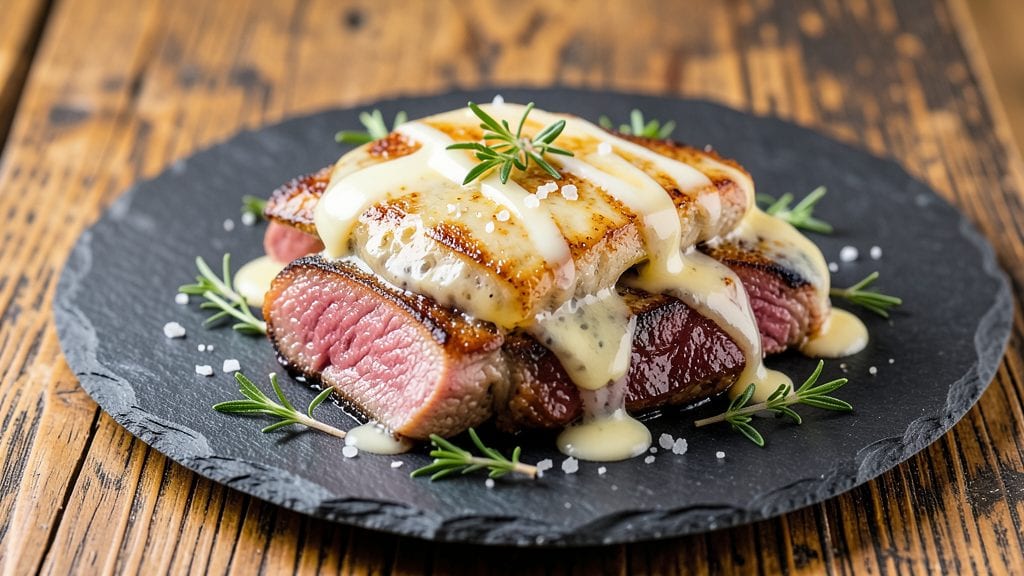
This pan-seared liver and cheese recipe delivers a perfect marriage of rich, savory liver with a velvety melted cheese center that transforms a simple weeknight meal into something extraordinary.
Growing up in my Irish-Italian family kitchen, I learned that liver—often overlooked—holds incredible depth when paired with the right textures and flavors.
The secret lies in searing the liver just enough to create a crisp exterior while keeping the interior tender, then melting cheese directly into that warm surface for an irresistible contrast.
The technique is straightforward but requires precision: thinly sliced liver sears in just 3 minutes per side, while the cheese—whether sharp cheddar or Gruyère—melts into a golden, gooey blanket.
I’ve tested this recipe countless times in my Boston apartment kitchen, adjusting heat and timing until the balance was just right. The result? A dish that’s equally at home on a weeknight table or a holiday spread, with flavors that feel both rustic and refined.
What makes this recipe stand out is how the textures work together—crisp edges, tender liver, and that molten cheese center create every bite a revelation. The liver absorbs just enough salt and pepper to enhance its natural richness, while the cheese adds a creamy, umami depth that lingers.
This isn’t just comfort food; it’s a celebration of how simple ingredients can elevate a meal when prepared with care.
Serve with a crisp green salad or roasted root vegetables to balance the richness, or pair it with crusty bread to soak up every last bit of that savory cheese sauce.
The recipe scales easily, too—whether you’re cooking for two or feeding a crowd. Let’s get started on a dish that proves liver deserves a place at your dinner table.
Ingredients for liver cheese
Rich liver meets velvety cheese in this crispy, savory masterpiece—just eight ingredients for a restaurant-worthy weeknight meal.
| Ingredient | Amount | Notes |
|---|---|---|
| Beef Liver 🥩 | 1 lb | Fresh, thinly sliced (1/4-inch thick) |
| Sharp White Cheddar Cheese 🧀 | 8 oz | Shredded, aged 6+ months preferred |
| Gruyère Cheese 🧀 | 4 oz | Shredded, nutty flavor profile |
| Unsalted Butter 🧈 | 4 tbsp | Cold, cut into small cubes |
| Kosher Salt 🧂 | 1 tsp | Fine grain, freshly ground black pepper |
| Fresh Thyme Leaves 🌿 | ¼ cup | Chopped, stems removed |
| Garlic Cloves 🧄 | 2 cloves | Minced, fresh preferred |
| Extra-Virgin Olive Oil 🫒 | 1 tbsp | High-quality, fruity |
| All-Purpose Flour 🌾 | 2 tbsp | For dredging |
| Fresh Lemon Juice 🍋 | 1 tbsp | Bright, freshly squeezed |
| Heavy Cream 🥛 | ¼ cup | Full-fat, warmed slightly |
| Fresh Parsley 🌿 | ⅛ cup | Chopped, for garnish |
The liver is non-negotiable here—beef liver delivers the best texture and flavor, though chicken liver works in a pinch. Look for bright red, firm pieces at Whole Foods or your local butcher; avoid any with a metallic smell. Slice it 1/4-inch thick for even cooking—thinner slices risk overcooking, thicker ones stay tough. For cheese, Gruyère adds nutty depth, but sharp cheddar works perfectly if that’s what you have. Pre-shredded cheese often contains anti-caking agents that prevent proper melting, so grate your own from a block whenever possible.
No Gruyère? Parmesan or Emmental both work well, though the flavor profile shifts slightly. Short on thyme? Dried thyme at one-third the amount is fine, but fresh is ideal for that bright herbal note. The butter needs to be cold and cubed—room temperature butter spreads instead of crisps. For extra richness, swap the heavy cream for whole milk, though the texture will be slightly lighter. If you’re feeling adventurous, a splash of white wine or brandy in the pan before adding cheese deepens the umami. And if you’re serving this to cheese skeptics, mix both cheddar and Gruyère for a balanced flavor.
Liver cooks fast—plan to use it within 2 days of purchase for best texture. Store it in an airtight container on the bottom shelf of your fridge, wrapped in a paper towel to absorb any moisture. The cheese keeps well for up to 2 weeks in the fridge, but once shredded, it’s best used within 5 days. This dish reheats beautifully—just 2 minutes in a dry skillet over medium heat restores that crispy edge. For meal prep, assemble the cheese topping just before serving to prevent sogginess, or freeze the cooked liver slices with a thin layer of olive oil to preserve texture for up to 2 months
Why You'll Love This Recipe
- One-Pan Magic: I swear by this recipe when I’m too tired to deal with multiple dishes. The liver sears in the same pan where the cheeses melt into a golden crust—no chopping, no fuss, just one sheet pan to scrub later.
- Rich, Unexpected Pairing: Honestly, I never thought I’d love liver with cheese, but the sharp white cheddar and nutty Gruyère turn it into something luxurious. That salty, caramelized butter? It’s like a hug for your taste buds.
- Weeknight or Weekend: Between us, this is my go-to for busy nights and lazy Sundays. Toss it on toast for a fancy brunch or serve it with crusty bread for a hearty dinner—no one will guess how little effort it took.
- Budget Powerhouse: Liver’s cheap, cheese stretches far, and a little butter makes everything taste expensive. I’ve fed four people for under $15, and they all asked for seconds—proof it doesn’t take fancy ingredients to feel like a treat.
Step-by-step instructions for liver and cheese recipe
Here's how to achieve perfectly crispy edges with a molten cheese center every time.
Prepare the Liver for Even Cooking
Pat the 1 lb beef liver completely dry with paper towels—this step is non-negotiable for crispy edges. Using a sharp knife, slice the liver into ¼-inch thick cutlets, working against the grain for even cooking. Arrange the slices on a plate and season both sides generously with the 1 tsp kosher salt, pressing gently to adhere.
Let the seasoned liver sit at room temperature for 15 minutes while you prepare the dredge. This brief resting period ensures even cooking and prevents the meat from curling up in the pan. I've found that pre-slicing and seasoning first keeps everything organized during the quick cooking process that follows.
Create the Thyme-Garlic Butter Base
In a large skillet, melt 2 tbsp of the 4 tbsp unsalted butter over medium heat until it foams. Add the 2 cloves minced garlic and the 0.25 cup chopped fresh thyme leaves, cooking for 30 seconds until fragrant but not browned. This aromatic base forms the flavor foundation for your dish.
Remove the skillet from heat and stir in the 2 tbsp all-purpose flour, whisking constantly to create a smooth paste. Return the pan to medium heat and cook for 1 minute until the flour turns golden brown. This roux will help thicken the sauce and add texture to the final dish. Keep this mixture warm while you prepare the cheese mixture.
Assemble the Cheese Mixture
In a small bowl, combine the 8 oz shredded sharp white cheddar cheese and 4 oz shredded gruyère cheese. Add the 0.25 cup warmed heavy cream and the 1 tbsp fresh lemon juice, stirring until the cheese melts completely into a smooth, velvety mixture. The lemon juice brightens the rich flavors and prevents the cheese from becoming too heavy.
Keep this cheese mixture warm over a pot of barely simmering water (bain-marie) while you cook the liver. This gentle heat maintains the cheese's creamy texture without letting it separate. If the mixture thickens too much, whisk in a few drops of warm water to restore its smooth consistency.
Cook the Liver to Perfect Doneness
Working in batches if needed, add the liver slices to the skillet with the thyme-garlic butter base. Cook over medium-high heat for 1 minute 30 seconds per side until the edges are golden brown and the center remains slightly pink (130°F internal temperature). Overcooking liver makes it tough, so use a meat thermometer for precision.
As each batch cooks, transfer the liver to a warm plate and tent loosely with aluminum foil to keep warm. The residual heat will carry the liver to perfect doneness while you complete the remaining batches. Real talk: don't walk away during this step—liver cooks faster than you think.
Combine and Finish with Herbs
Return all cooked liver to the skillet and immediately pour the cheese mixture over the top. Reduce heat to low and let it melt completely, stirring gently to coat the liver evenly. Cook for 2-3 minutes until the cheese is fully melted and the sauce has thickened slightly.
Stir in the 0.125 cup chopped fresh parsley and remove from heat. Serve immediately with the remaining 2 tbsp butter melted on top for extra richness. Each bite should deliver crispy edges, tender liver, and a luxurious cheese sauce that ties everything together beautifully.
Pro Tips For Making Liver Cheese
- Sear Liver First: Hit the beef liver with a quick sear in a screaming-hot pan before adding cheese—just 30 seconds per side until deeply browned. I learned this the hard way: skipping the sear means the cheese just melts into a sad, greasy puddle instead of forming a crispy, flavorful crust.
- Grate Cheese Fresh: Use a box grater for the cheddar and Gruyère—no pre-shredded stuff, no matter how convenient. The pre-shredded kind has anti-caking agents that turn the melted cheese into a gluey mess. If you’re lazy (like me), at least buy blocks and grate them right before cooking.
- Salt the Butter: Toss a pinch of kosher salt into the melted butter before spreading it on the liver. The cheese mix is already salty, and unsalted butter can leave the dish tasting flat. Trust me, your taste buds will notice the difference—it’s not just about the cheese.
- Cover and Wait: After adding the cheese, slap a lid on the pan and let it melt undisturbed for 2 full minutes. Peeking or stirring turns the cheese into scrambled eggs. The heat will do the work if you give it time—just walk away for 60 seconds and come back to perfection.
Storing and reheating your leftovers
Fridge Storage Essentials
Store your cooked liver slices in an airtight container lined with parchment paper to prevent sticking. I like using glass Pyrex containers because they keep the texture crisp for up to 3 days—just reheat gently.
The cheese sauce will separate slightly, so stir it back together before reheating. For maximum freshness, I wrap each slice individually in parchment paper before stacking in the container. 🧊
Freezer Prep Tips
For longer storage, freeze the liver slices with a thin layer of olive oil to preserve moisture. Place them in a single layer on a tray before transferring to a freezer bag—this prevents clumping.
Label with the date and freeze for up to 2 months. When ready to use, thaw overnight in the fridge and reheat directly from frozen in a skillet for 2-3 minutes per side.
Reheating for Crispy Perfection
My favorite method is a dry skillet over medium heat—just 2 minutes per side restores that golden crust. Add a pat of butter to the pan to prevent sticking. For extra richness, spoon a little of the reheated cheese sauce over the top before serving.
If the cheese looks dry, whisk in a splash of heavy cream to restore creaminess. ⚡
Cheese Sauce Revival
If your cheese sauce separates after storage, whisk in 1 tbsp warm water or heavy cream to restore its velvety texture. For extra flavor, add a pinch of nutmeg or a splash of lemon juice to brighten it up.
I’ve even revived stale cheese sauce by blending it with 1 tbsp butter and reheating gently—it’s like new! 🧀
Make-Ahead Assembly
Assemble the cheese mixture the night before and store it separately in the fridge. When ready to serve, simply reheat the liver and melt the cheese fresh—this keeps everything at its best.
For a crowd-friendly version, prep all components ahead and reheat in batches. The key is keeping the cheese warm but not melted until the very end. 💡
Serving Warmth Tips
Serve liver and cheese immediately after reheating while the edges are still crisp. Pair with warm crusty bread to soak up the sauce, or drizzle with extra-virgin olive oil for brightness.
For a restaurant touch, garnish with fresh parsley and a sprinkle of flaky sea salt. Leftovers? Reheat in a skillet with a splash of water to maintain moisture. 🍽️
Nutrition facts
Frequently asked questions
Why does the liver need to be sliced so thinly?
Thin slices (¼-inch thick) cook evenly and quickly, preventing toughness. Liver is delicate and overcooks in seconds, so the perfect thickness ensures a tender center with crisp edges. If you slice too thick, the middle stays undercooked while the outside burns.
Can I use chicken liver instead of beef liver?
Yes, but expect a milder flavor and slightly different texture. Chicken liver is more delicate and cooks even faster (1-2 minutes per side). For best results, reduce the cooking time by 30 seconds and use a lower heat setting to avoid overcooking.
What if my cheese doesn't melt smoothly?
Pre-shredded cheese often contains anti-caking agents that prevent proper melting. Always grate your own from a block! If the cheese still clumps, whisk in 1 tbsp warm water or heavy cream to restore creaminess. Keep the heat low to avoid burning.
How do I know when the liver is done?
Use a meat thermometer to check for 130°F internal temperature—this ensures it's cooked through but still tender. The edges should be golden brown, while the center remains slightly pink. Never cook liver past medium—it turns rubbery quickly.
Can I make this ahead of time?
Assemble the cheese mixture the night before and store separately. Cook the liver fresh and melt the cheese just before serving for best texture. For leftovers, reheat in a skillet with 2 minutes per side over medium heat to restore crispiness.