Side Dishes
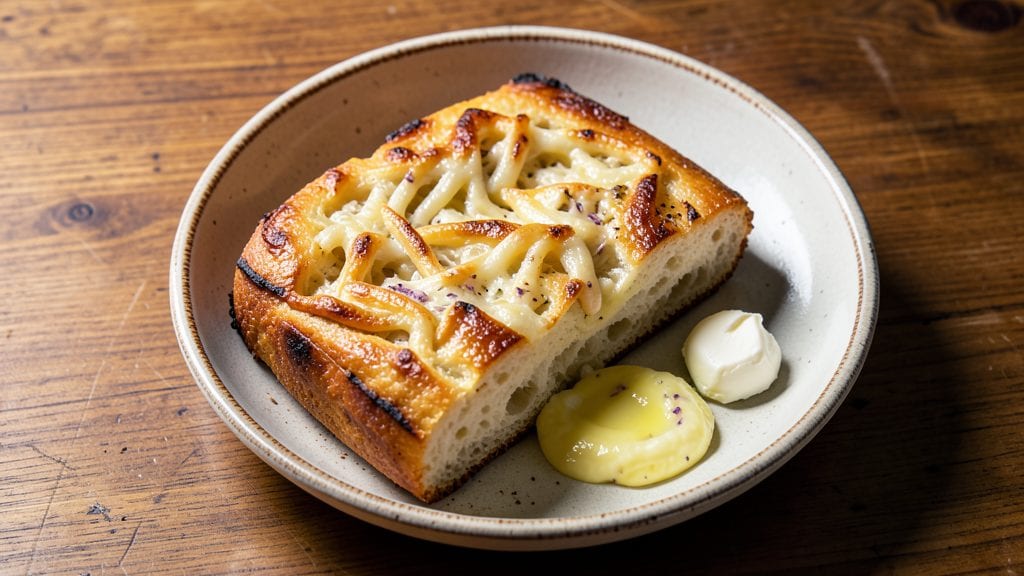
This Fogo De Chão Brazilian cheese bread recipe brings the iconic Brazilian pão de queijo experience to your kitchen with its signature crispy crown and gooey, pull-apart cheese swirls.
The secret lies in the perfect balance of chewy dough and melted queijo minas cheese, creating a texture that's both satisfying and indulgent.
I first discovered this recipe during a trip to Brazil, where it's a staple in churrascarias—now I recreate it at home with just a few simple ingredients and techniques.
The dough is made with a mix of flour, cheese, and a touch of oil, giving it that characteristic chewy texture while the cheese melts into delicious pockets as it bakes.
What makes this recipe special is the crispy crown—achieved by baking at high heat until golden brown—while the inside remains soft and stretchy. The result is a loaf that's impossible to resist, with each bite offering a perfect contrast of textures and flavors.
Once baked, the bread develops a golden, crackly exterior that gives way to warm, cheesy swirls inside—just like the version you'd find in a Brazilian steakhouse.
The aroma alone is enough to draw everyone to the table, and the versatility of this recipe means it pairs perfectly with soups, stews, or even as a standalone snack. Whether you're serving it warm or at room temperature, the flavors shine through.
This recipe delivers restaurant-quality results with minimal effort, making it perfect for weeknight dinners or special occasions. The key is patience during the dough preparation and precision in the baking process. Let's create this Brazilian classic together—your taste buds will thank you.
Ingredients for fogo de chao brazilian cheese bread
Nine simple ingredients transform into that iconic Brazilian crispy crown and cheesy swirls.
| Ingredient | Amount | Notes |
|---|---|---|
| Tapioca Flour 🌾 | 2 cups | Gluten-free, fine-mesh preferred |
| Queijo Minas Cheese 🧀 | 1 ½ cups | Freshly grated, crumbly texture |
| Unsalted Butter 🧈 | ½ cup | Cold, cubed for dough |
| Large Eggs 🥚 | 2 whole | Room temperature for best mix |
| Milk 🥛 | ¼ cup | Whole milk for richness |
| Salt 🧂 | ½ tsp | Fine sea salt preferred |
| Garlic Powder 🧄 | 1 tsp | For subtle depth |
| Olive Oil 🫒 | 1 tbsp | For greasing baking dish |
| Sesame Seeds 🌻 | 1 tbsp | Optional for topping |
| Cornmeal 🌽 | ¼ cup | For breading exterior |
The Queijo Minas cheese is non-negotiable—it's the soul of this bread. Brazilian specialty stores or online retailers like Taste of Brazil carry it, but if you can't find it, Parmesan-Reggiano is the closest substitute (though not identical). Look for cheese that's crumbly and slightly oily to the touch. The tapioca flour? Bob's Red Mill makes the best fine-mesh version—it dissolves perfectly in the dough. I always buy extra because it's a staple for Brazilian recipes, and it keeps well for months in an airtight container.
No Queijo Minas? Parmesan-Reggiano plus a pinch of cream cheese gets you closer to that melt-in-your-mouth texture. The butter should be cold when mixing—this creates those perfect chewy pockets. European-style butter like Plugrá has more fat content, which works even better. Short on tapioca flour? Arrowroot powder in a pinch, but the texture won't be quite the same. The garlic powder is just for flavor—don't skip it, but don't go overboard either. And if you're feeling fancy, add a pinch of smoked paprika to the dough for a subtle smoky note.
This dough is best used fresh, but you can prep it up to 24 hours ahead and keep it wrapped in plastic in the fridge. The bread itself reheats beautifully—just 5 minutes at 350°F wrapped in foil to revive that crispy crown. Freezes for up to 3 months if wrapped tightly in foil. Pro tip: Slice before freezing for perfect individual portions later. And if you're making a crowd version, double the recipe—it's that good.
Why You'll Love This Recipe
- No Fuss, No Mess: I swear by this recipe when I’m too tired to measure anything complicated—just mix tapioca flour, melted butter, and milk until it’s smooth, then fold in that gooey Queijo Minas. No rolling, no kneading, no stress. The dough’s so forgiving, even if you overmix (which, honestly, I do).
- Cheese Pulls Hard: That stretchy, salty-sweet Queijo Minas? It’s the star. When you pull off a warm piece, the cheese melts into strings like caramel, and the outside stays crispy—no sad, soggy bread here. (Yes, even on a Tuesday night, I’ll fight someone for the last slice.)
- Breakfast or Snack: I’ve had this for breakfast with coffee, as a late-night snack with wine, and even packed it in my lunchbox—it holds up surprisingly well. The tapioca gives it a neutral base, so it pairs with everything: jam, honey, or just straight-up buttery perfection.
Step-by-step instructions for fogo de chão Brazilian cheese bread
Here's how to create that perfect crispy crown over gooey cheese swirls—every time.
Mix the Dough for Maximum Fluffiness
In a large mixing bowl, combine the 2 cups tapioca flour, 1.5 cups queijo minas cheese, 0.5 cup unsalted butter (cold and cubed), 2 whole large eggs, 0.25 cup milk, 0.5 teaspoon salt, and 1 teaspoon garlic powder. I use a silicone spatula to gently fold everything together until just combined—don't overmix or the dough will become tough.
Here's the thing—this dough needs to stay cool. If it feels too warm, place the bowl in the refrigerator for 5 minutes before proceeding. The cold butter creates pockets of air that will give you that signature pull-apart texture. You'll know it's ready when the dough holds its shape when pressed gently but still feels soft and pliable.
Shape and Create the Signature Cheese Swirls
Lightly grease a 9-inch round baking dish with 1 tablespoon olive oil and sprinkle the bottom with 0.25 cup cornmeal. Transfer the dough to the prepared dish and press it down evenly with your hands, creating a 1-inch thick layer. This ensures even baking and that perfect crispy crust.
Now for the fun part—creating those iconic cheese swirls. Using a sharp knife, cut the dough into 8 equal wedges (like a pizza). Starting from the outer edge of one wedge, gently pull the dough toward the center while twisting it slightly. This creates a spiral effect that will melt into gooey cheese strands when baked. Repeat with all wedges, pressing down lightly as you go to maintain contact with the base.
Bake to Golden Perfection
Preheat your oven to 375°F and place a rack in the center position. Bake the bread for 25-30 minutes until the top is deep golden brown and the edges are crispy. I like to rotate the pan halfway through for even browning—this prevents any hot spots from forming.
The moment that matters is when you see the crust developing a beautiful golden hue with slight caramelization. If it starts browning too quickly, tent the pan with aluminum foil to prevent over-browning while still allowing the cheese to melt completely. The internal temperature should reach 190°F at the center—this ensures the cheese is fully melted and the bread is fully cooked.
Cool and Serve with Crispy Topping
Remove the bread from the oven and let it cool for 5 minutes in the pan. This resting period allows the bread to set slightly, making it easier to handle. While it's still warm, sprinkle 1 tablespoon sesame seeds evenly over the top for that authentic Brazilian touch and extra crunch.
Serve immediately while the crust is still crispy and the cheese is gooey. The contrast between the crunchy exterior and the soft, pull-apart interior is what makes this dish so irresistible. For best results, cut into wedges and enjoy with a warm bowl of soup or as a standalone appetizer—every bite delivers that perfect balance of textures and flavors.
Pro Tips For Making Fogo De Chao Brazilian Cheese Bread
- Whisk the Eggs First: Mix the eggs with milk before adding tapioca flour—this prevents lumps like a nightmare. I learned this the hard way after scraping dried flour chunks out of my first batch. A fine-mesh sieve helps if you’re still nervous.
- Shred Cheese Coarse: Skip the food processor—hand-tear the Queijo Minas into uneven chunks. The cheese melts better this way and clings to the bread like it’s supposed to. (Yes, even if it looks messy—your future self will thank you.)
- Pan Must Be Screaming Hot: Heat the skillet until butter sizzles aggressively before adding the batter. Cold pans = soggy bread. I used to rush this and ended up with a greasy pancake instead of a crispy, golden cheesy puff.
- Press Batter Thin: Spread the batter thin—about ¼-inch thick—so the edges get crispy while the center stays tender. A damp spatula helps slide it out cleanly. (No, it won’t taste like a pancake if you do it right.)
Regional styles of this fogo de chao brazilian cheese bread
Southern Brazil Style
In the southern regions like Rio Grande do Sul, the bread is often baked in a cast-iron skillet for an extra crispy bottom crust. I’ve perfected this by preheating the skillet in the oven for 10 minutes before adding the dough.
The result? A deep caramelized base that contrasts beautifully with the soft, chewy interior. Locals call this version "pão de queijo gaúcho"—it’s a staple at churrascarias and family gatherings. 🔥
Minas Gerais Tradition
The heart of pão de queijo lies in Minas Gerais, where the original recipe was born. Here, the bread is typically baked in a round, shallow pan with a thinner crust—just ½-inch thick—to emphasize the chewy texture. The key difference?
The dough includes 1 extra tablespoon of milk for extra tenderness. I’ve found that using freshly grated queijo minas straight from the region (available at specialty stores like Taste of Brazil) makes all the difference in flavor. 🧀
Bahia Coastal Twist
In the coastal state of Bahia, the bread gets a tropical twist with the addition of dried shrimp powder (about 1 teaspoon) and a pinch of sea salt. This variation is often served with moqueca de peixe (Bahian fish stew) and pairs perfectly with the dish’s bold flavors.
The dough also incorporates 1 tablespoon of coconut milk for a subtle sweetness that balances the saltiness. Trust me, this version is a game-changer for seafood lovers! 🌊
São Paulo Urban Adaptation
In São Paulo’s bustling cities, pão de queijo has evolved into a garlic-infused version, often brushed with garlic butter after baking.
I like to mix 1 extra teaspoon of garlic powder into the dough and finish with a garlic butter glaze (melt 2 tablespoons of butter with 1 minced garlic clove).
This urban adaptation is a hit at fogo de chão restaurants and adds a savory depth that’s hard to resist. Perfect for pairing with grilled meats! 🧄
Amazon Rainforest Variation
Believe it or not, the Amazon region has its own take on this bread, where cassava flour (instead of tapioca) is blended into the dough for a nutty, earthy flavor. The dough also includes ½ teaspoon of ground annatto for a vibrant orange hue and a hint of smokiness.
This version is often served with peixe frito (fried fish) and reflects the region’s unique culinary influences. It’s a must-try if you love exploring bold, regional flavors! 🌿
Nutrition facts
Frequently asked questions
Can I make this Brazilian cheese bread gluten-free?
This recipe is already gluten-free since it uses tapioca flour as the base. The natural properties of tapioca create that signature chewy texture without needing wheat. Just ensure your queijo minas cheese and other ingredients (like milk) are certified gluten-free if you're avoiding all traces.
Why does my bread turn out dense instead of crispy?
Overmixing the dough is the most common cause—it develops gluten, making the bread tough. Use a gentle folding motion and keep the butter cold. Also ensure your oven is fully preheated to 375°F and bake until the crust is deep golden brown. If it's still dense, try pressing the dough slightly thinner before baking.
What's the best way to reheat leftover Brazilian cheese bread?
Wrap slices in foil and reheat at 350°F for 5-7 minutes to restore that crispy exterior. For extra crunch, broil for 1-2 minutes at the end. Never microwave—it makes the cheese rubbery. The best option is to bake fresh portions and freeze extras for later.
Can I substitute queijo minas cheese?
For authentic flavor, queijo minas is non-negotiable, but you can try a mix of Parmesan-Reggiano (80%) plus cream cheese (20%) for a closer texture. The key is using a crumbly, slightly oily cheese. Avoid pre-shredded cheese—it contains anti-caking agents that make the bread dry. Freshly grating works best.
How do I make this bread extra crispy?
For maximum crispiness, bake in a cast-iron skillet preheated for 10 minutes in the oven. Brush the dough with melted butter before baking, and sprinkle extra cornmeal on the bottom. Bake until the crust is almost dark golden, then broil for 1-2 minutes at the end for extra crunch.