
Tips
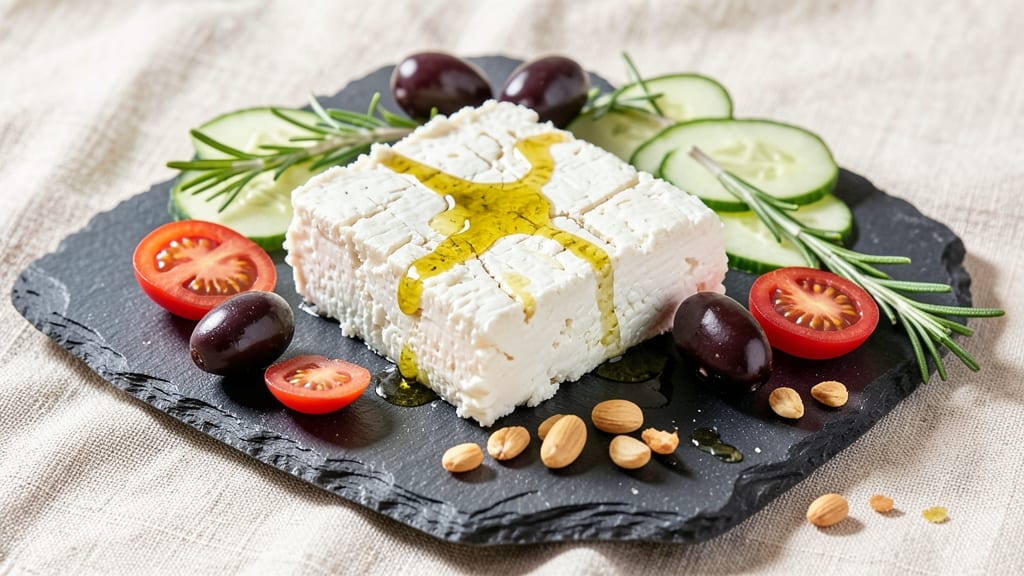
Feta cheese taste delivers a bold, salty punch with sharp tanginess and a briny finish, thanks to its fermentation process and high salt content. The texture is crumbly yet moist, balancing rich umami notes with a slight acidity that pairs perfectly with olive oil and fresh herbs.
My Nonna always said feta’s bold character comes from the way Greek shepherds let sheep graze on wild thyme and oregano—those herbs infuse the milk before fermentation even begins. 🌿 The longer it ages in brine, the sharper that salty bite becomes, but the best batches strike a perfect balance between funk and creaminess.
I’ve learned to look for feta still wrapped in its brine bath, as that preserves its natural moisture and prevents the texture from drying out too quickly.
What really elevates feta in dishes is its ability to cut through richness—think how it brightens a creamy pasta or melts into warm pita.
I keep a wedge in my fridge year-round, not just for salads but for quick toppings on roasted potatoes or even as a tangy finish in cocktails. The key is using it fresh and letting its acidity shine rather than overpowering it with heavy spices.
💡 In This Article
- Why Feta Cheese Tastes So Distinctive
- Best Ways to Enhance Feta Cheese Flavor
Why feta cheese tasts so distinctive
Here's what's actually happening when you bite into feta: its signature flavor comes from a combination of lactic acid fermentation and salt curing. Traditional Greek feta starts with raw sheep's milk (sometimes blended with goat's milk) that undergoes fermentation by lactic acid bacteria.
These microbes convert lactose into lactic acid, creating that signature tang. The process typically takes about 2-3 weeks, with the cheese then aging in 20-25% brine solution for at least 3 months—this high salt concentration preserves the cheese while developing its briny character.
The difference between sheep's milk and cow's milk feta is striking. Sheep's milk contains more fat (6-7% vs. cow's 3-4%) and protein, creating a richer, creamier texture with deeper umami notes.
Cow's milk versions tend to be milder and less complex, often used in commercial blends. 💫 What most people don't realize is that the aging process in brine isn't just about preservation—it's a flavor development technique.
The longer feta sits in brine, the more water-soluble compounds like amino acids and peptides leach out, concentrating the saltiness and enhancing the funky, aged notes.
Temperature plays a crucial role in feta's flavor profile too. Traditional Greek feta is typically served at room temperature (68-72°F) to let its natural oils soften slightly, making it creamier. When refrigerated, it can develop a rubbery texture and lose some of its vibrant flavor.
The salt content—often 4-6% by weight—is carefully calibrated to balance the tanginess while preventing bacterial growth. This salt level is higher than many other cheeses (like mozzarella at 1-2%) but lower than something like feta's cousin, halloumi (8-10%).
What sets authentic Greek feta apart from commercial versions is the protected designation of origin (PDO) status. True Greek feta must be made from raw sheep's milk (or sheep's milk with up to 30% cow's milk) and aged in brine for at least 3 months.
Non-Greek versions often use pasteurized milk, shorter aging times, and lower salt levels, resulting in a milder, less complex flavor. The PDO regulations also specify that the cheese must be made in specific regions of Greece using traditional methods, which includes the use of natural whey and no artificial additives.
When you taste the best feta, you're experiencing a perfect balance of science and tradition. The fermentation process creates lactic acid (giving tanginess), while the salt curing develops the briny finish.
Sheep's milk contributes natural fat and protein that create the creamy yet crumbly texture, and the aging in brine concentrates all these flavors into a compact, flavorful package. This is why a high-quality feta can taste so much more vibrant and complex than its commercial counterparts.
The flavor profile evolves as it ages too. Fresh feta (aged 3-6 months) has a milder, almost buttery taste with subtle tang, while aged feta (over 12 months) develops a sharper bite and more pronounced funk.
This aging process is why some chefs prefer to use younger feta in salads and older feta in cooked dishes—it lets you control how much of that bold character you want in your final dish. 🌟