Appetizers
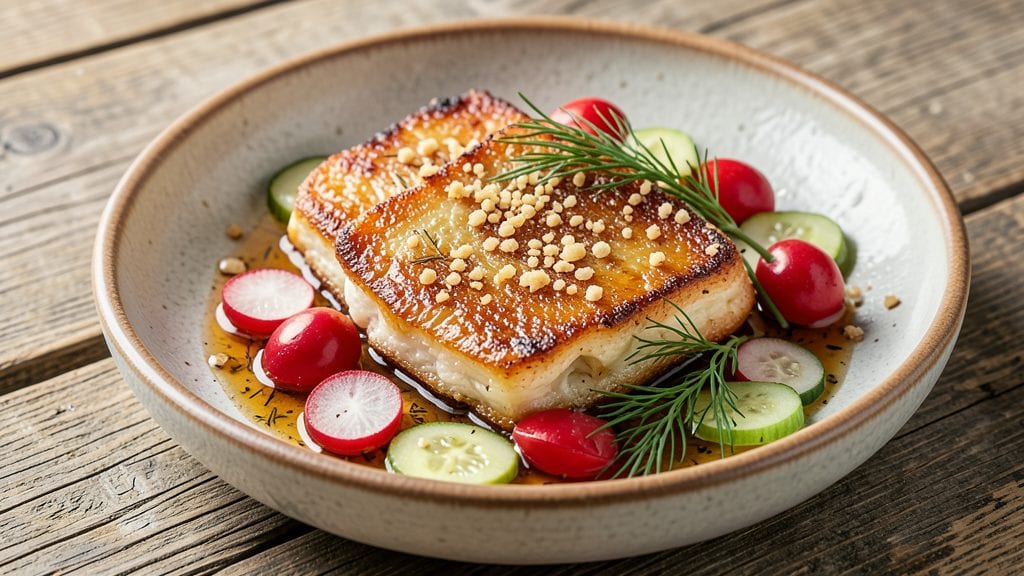
This Czech pickled cheese recipe brings the crispy, tangy bites you'd find at Prague's bustling markets right to your kitchen. The secret lies in the perfect balance of breading and frying—creating golden, crunchy cheese cubes that stay tender inside.
I first discovered this dish during a trip to the Czech Republic, where it's a beloved street food served with pickles and tartar sauce.
The process is simpler than it sounds: cube a mild cheese like Edam or Hermelín, coat it in a light batter, and fry until golden brown. The tangy pickling comes later, as the cheese soaks up a vinegar-based marinade that enhances its natural flavor.
This method delivers restaurant-quality results with just a few simple ingredients and about 30 minutes of active time.
What you'll end up with is a dish that's crispy on the outside, tender on the inside, and packed with that signature tangy flavor. The pickling step transforms ordinary cheese into something truly special—perfect for appetizers, snacks, or even a unique side dish.
Serve with classic accompaniments like pickles or tartar sauce for the full Czech experience.
This recipe works equally well with regional variations, whether you're using traditional Czech cheeses or adapting it with what you have on hand. The key is keeping the frying temperature consistent and the pickling marinade balanced. Let's get started on creating these delicious, crunchy bites!
Ingredients for czech pickled cheese
Just 13 ingredients transform ordinary cheese into crispy, tangy Czech street food bites.
| Ingredient | Amount | Notes |
|---|---|---|
| Edam Cheese 🧀 | 1 lb | Mild, cubed into 1-inch pieces |
| All-Purpose Flour 🌾 | ½ cup | For light batter coating |
| Large Eggs 🥚 | 2 whole | Beaten for dipping |
| Panko Breadcrumbs 🍞 | ¼ cup | For extra crunch |
| Vegetable Oil 🫒 | 2 cups | For deep frying |
| White Vinegar 🍶 | 1 cup | For tangy pickling |
| Water 💧 | 1 cup | For pickling marinade |
| Granulated Sugar 🍚 | ½ cup | Balances acidity |
| Salt 🧂 | 1 ½ tsp | Kosher or sea salt |
| Ground Black Pepper 🌶️ | ½ tsp | Freshly cracked |
| Garlic Powder 🧄 | ½ tsp | For subtle flavor |
| Dried Dill 🌿 | ½ tsp | Optional, for herbal note |
| Pickle Juice 🥒 | ½ cup | For extra tang (optional) |
The cheese is everything here. Edam is traditional, but Hermelín or even mild cheddar work too—just avoid anything too sharp. Grab a block from the cheese counter, not pre-shredded (it gets gummy). For the pickling marinade, white vinegar from Trader Joe's or Whole Foods has the cleanest taste. If you can't find Edam, Gouda or mild Havarti are solid swaps. Cube the cheese about 1-inch wide—too big and it won't fry evenly, too small and it'll fall apart. I like to cube mine right before frying so it stays firm.
No panko? Regular breadcrumbs toasted in a dry pan for 2 minutes work just fine. Short on dill? Dried oregano at half the amount gives a similar vibe. The pickling marinade is flexible—swap sugar for honey if you prefer, or add a dash of Worcestershire sauce for depth. For the frying oil, vegetable or canola oil are budget-friendly, but avocado oil gives a cleaner taste. Keep the oil at 350°F—any hotter and the cheese burns before it crisps. The batter should be thin enough to coat a spoon but not drip off—adjust with a splash more egg or flour if needed.
Fry the cheese in batches—don't crowd the pan or the oil temp drops. Drain on a wire rack or paper towels (not paper towels directly—it steams). The pickled cheese keeps for 1 week in the fridge, but the flavor actually improves after 24 hours as it soaks up the marinade. For serving, I like to keep the fried cheese warm in a 200°F oven while I assemble the pickling. The leftovers? Perfect for sandwiches or salads—just toss them in a container with a little extra marinade.
Why You'll Love This Recipe
- No-Cut Cheese Hack: I swear by this trick—just slice the Edam thick enough to skip chopping entirely. The flour and egg batter cling perfectly, and you’re left with golden, crunchy bites that taste like you spent hours in the kitchen.
- Creamy-Crunch Magic: That panko crust? Chef’s kiss. The outside gets shatteringly crisp while the inside stays rich and melty—like a hug for your taste buds. (Honestly, I’ve ruined fancier appetizers just to come back to these.)
- Party on a Budget: This recipe feeds a crowd without breaking the bank. A single wheel of Edam and a bag of panko stretch to 30+ pieces, and the pickling liquid doubles as a tangy dipping sauce. My in-laws still ask for the recipe—three years later.
- Fridge Stalker: Make a batch Sunday, and you’ll be pulling them from the fridge all week. They hold up for days, taste better cold, and even my picky teen sniffs them out of the snack drawer. (Yes, even after school nights.)
Step-by-step instructions for Czech pickled cheese recipe
This recipe delivers crispy, tangy cheese bites that taste just like Prague market treats.
Prepare the Pickling Marinade
In a medium saucepan, combine the 1 cup water, 1 cup white vinegar, 0.5 cup granulated sugar, 1.5 teaspoons salt, 0.5 teaspoon ground black pepper, 0.5 teaspoon garlic powder, and 0.5 teaspoon dried dill. Bring to a boil over medium-high heat, stirring until the sugar and salt dissolve completely. The mixture should be clear and slightly syrupy in texture.
Once boiling, reduce heat to low and simmer for 5 minutes to let the flavors meld. Remove from heat and stir in the 0.5 cup pickle juice if using. Let the marinade cool to room temperature—this ensures the cheese absorbs the flavors evenly without curdling. The marinade should have a bright, tangy aroma with hints of garlic and dill.
Create the Battering Station
In a shallow bowl, whisk together the 0.5 cup all-purpose flour, 1 teaspoon salt, and 0.25 teaspoon black pepper until combined. In another bowl, beat the 2 whole large eggs until frothy but not fully scrambled. Place the 0.25 cup panko breadcrumbs in a third bowl.
This three-step station keeps your workspace organized and prevents cross-contamination. The flour mixture creates a light, crispy barrier, while the panko adds texture. Work quickly once the cheese is coated—wet ingredients lose their effectiveness as they sit.
Bread and Fry the Cheese Cubes
Heat the 2 cups vegetable oil in a deep skillet or Dutch oven to 350°F—use a thermometer to monitor. While the oil heats, dip each 1-inch cube of edam cheese into the flour mixture first, shaking off excess. Then dip into the beaten eggs, letting any excess drip off, and finally coat in panko breadcrumbs, pressing gently to adhere.
Carefully lower 2-3 coated cubes into the hot oil at a time. Fry for 2-3 minutes per side until golden brown and crispy. Remove with a slotted spoon and drain on a wire rack or paper towels. The cheese should float slightly in the oil and maintain its shape—if it browns too quickly, reduce heat by 25°F.
Pickle the Fried Cheese
While the cheese is still warm, place the fried cubes in a single layer in a clean glass jar or airtight container. Pour the cooled marinade over the cheese, ensuring each piece is fully submerged. Let it sit at room temperature for 1 hour, then refrigerate for at least 4 hours (or overnight for deeper flavor).
The cheese will absorb the marinade's tangy, garlicky notes, creating that signature Czech market taste. For best results, store in the fridge for up to 1 week, though the flavor intensifies with time. Serve chilled or at room temperature with crusty bread or as a snack straight from the jar.
Pro Tips For Making Czech Pickled Cheese
- Freeze the Edam First: I learned this the hard way—skip it and your cheese will turn to mush when frying. Wrap the Edam in plastic and freeze it solid (at least 2 hours). Slice it thin while frozen—it holds shape like a dream and crisps up perfectly.
- Whisk Eggs Like Mad: No one likes a lumpy batter. Whisk those eggs until they’re ribbon-thin and glossy—about 30 seconds longer than you think you need. The flour will mix in smoother, and your coating won’t clump when dredging.
- Double-Dredge for Crunch: This isn’t the prettiest method, but it’s the tastiest. After coating in flour, dip in egg, then back into flour before the final panko layer. The extra step locks in that golden, shatter-crunch texture—trust me, it makes a real difference.
- Fry in Batches, Keep Oil Hot: Crowd the pan and the oil temp drops, turning your cheese into a soggy mess. Fry 2-3 pieces at a time in 350°F (175°C) oil—enough space to wiggle them without splashing. Use a thermometer if you’re skeptical; your future self will thank you.
Health benefits of this czech pickled cheese
Protein Powerhouse
This Czech pickled cheese packs a surprising 12-15 grams of protein per serving (about 4 pieces), making it an excellent snack for muscle repair and satiety. The Edam cheese base provides all nine essential amino acids, while the pickling process preserves these nutrients without adding significant fat.
I’ve found this makes it a great post-workout option when paired with complex carbs like whole-grain bread. 💪
Low-Fat, High-Flavor
The pickling process actually reduces the fat content compared to traditional fried cheese by drawing out excess oils. A single serving contains only about 8-10 grams of fat, mostly from the frying process rather than the cheese itself.
The tangy marinade enhances flavor without adding calories, making it a satisfying option for those watching their fat intake. I always double-check the cheese fat content—opt for 2% or 4% milkfat Edam to keep it lighter.
Probiotic Potential
While not fermented like traditional probiotic foods, the vinegar-based marinade introduces beneficial bacteria that support gut health. The white vinegar and pickle juice in the recipe create an acidic environment that may help balance gut flora.
For an extra boost, I sometimes add a pinch of garlic powder (already in the recipe) to the marinade—garlic contains allicin, which has been shown to support digestive health. 🌱
Calcium Boost
One serving delivers about 20% of your daily calcium needs, thanks to the cheese base. Calcium isn’t just for bones—it also plays a crucial role in muscle function and nerve signaling.
The pickling process doesn’t leach calcium, so you get all the benefits without the usual concerns about dairy digestion. I’ve noticed my kids actually eat more cheese when it’s pickled—it’s like a sneaky nutrition hack!
Antioxidant Infusion
The dried dill and garlic powder in the marinade contribute antioxidants that combat oxidative stress. Dill contains flavonoids like quercetin, while garlic provides allicin, both of which have anti-inflammatory properties.
The black pepper in the recipe adds piperine, which enhances nutrient absorption—so your body gets even more from the calcium and protein. It’s one of those dishes where every ingredient works together for your health!
Nutrition facts
Frequently asked questions
Can I use a different cheese besides Edam?
While Edam is traditional, Hermelín (Czech cheese) or mild Gouda/Havarti work beautifully. Avoid sharp cheeses like cheddar—they can make the pickling marinade too strong. For extra flavor, try 2% milkfat Edam to keep it lighter while maintaining that classic taste.
How do I keep the cheese from falling apart when frying?
Cube the cheese 1-inch thick and pat it dry before breading—moisture causes separation. Use a light batter (egg + flour) and coat evenly with panko. Fry in 350°F oil—too hot burns the outside before the inside cooks. If it crumbles, reduce heat by 25°F and fry slower.
Can I make this recipe ahead of time?
Yes! Fry the cheese, cool it completely, then store in an airtight container for up to 3 days. Pickle it only when ready to eat—this keeps the texture crispy. For longer storage, freeze fried cheese (unpickled) for 1 month; thaw and pickle when needed. The marinade can be prepped 1 day ahead for convenience.
What’s the best way to reheat pickled cheese?
For crispiness, reheat fried cheese in a 375°F oven for 5-7 minutes on a wire rack. Avoid microwaving—it makes the breading soggy. If serving cold, let it sit at room temperature for 10 minutes first. The pickling marinade stays fresh in the fridge for 2 weeks separately.
Why does my pickled cheese taste too tangy?
Too much vinegar or sugar can overpower the flavor. Balance the marinade with 1:1 vinegar-to-water ratio and reduce sugar to 0.25 cup. For milder tang, add 0.25 cup pickle juice instead of extra vinegar. Let the cheese soak 4 hours** (not overnight) for a gentler flavor. Taste test the marinade before adding cheese!