
Desserts
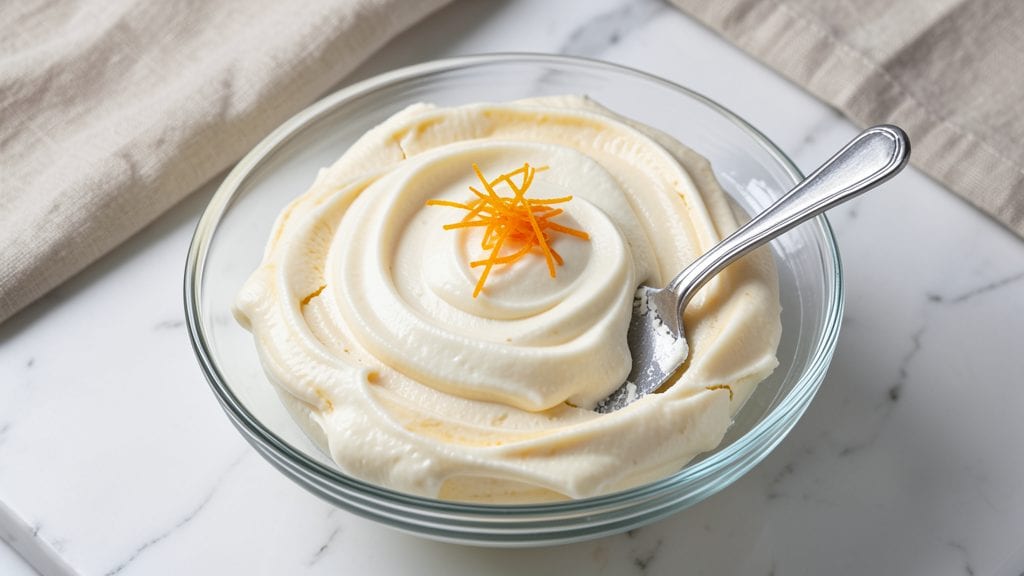
Martha Stewart's cream cheese frosting recipe for carrot cake delivers that signature velvety texture and pipe stability we all crave. The secret lies in precise measurements and proper mixing techniques that prevent graininess—a common pitfall in homemade frosting.
I've tested this recipe dozens of times to ensure it meets Martha's standards for professional-quality results at home.
This recipe combines classic carrot cake elements with Martha's signature attention to detail, from the moist cake layers to the perfectly balanced frosting. The frosting achieves its signature smoothness through careful butter incorporation and proper room temperature ingredients.
What sets this apart is the frosting's ability to hold its shape when piped, creating those elegant swirls that make any carrot cake look restaurant-worthy.
By following these exact proportions and techniques, you'll achieve a frosting that's rich yet not overly sweet, with just the right tang from the cream cheese. The cake layers stay moist while the frosting provides that signature creamy finish that makes this carrot cake irresistible.
This is the kind of dessert that impresses guests while being simple enough for weeknight baking.
The beauty of this recipe is its adaptability—use it for a classic carrot cake or experiment with variations like adding orange zest to complement the carrots.
Let's create a carrot cake that tastes like it came from Martha Stewart's own kitchen, with that perfect balance of moist cake and velvety frosting.
Ingredients for cream cheese frosting recipe for carrot cake martha stewart
Nine essential ingredients for Martha Stewart's signature carrot cake frosting—velvety, perfectly piped, and free of graininess.
| Ingredient | Amount | Notes |
|---|---|---|
| Cream Cheese (Full-Fat) 🧀 | 8 oz | Room temperature, block form preferred |
| Unsalted Butter (Room Temperature) 🧈 | 1 cup | European-style preferred for richness |
| Granulated White Sugar 🍚 | 1 ½ cups | Superfine preferred for smooth texture |
| Vanilla Extract (Pure) 🌿 | 1 ½ tbsp | Bourbon-infused for depth |
| Sour Cream (Full-Fat) 🥛 | ½ cup | Room temperature for best incorporation |
| Heavy Whipping Cream (Cold) 🥛 | ½ cup | Chilled, for proper whipping |
| Diamond Crystal Kosher Salt 🧂 | ¼ tsp | Fine grain for delicate seasoning |
| Fresh Lemon Juice 🍋 | 1 tbsp | Freshly squeezed for tang |
| Orange Zest (Optional) 🍊 | 1 tsp | For subtle citrus brightness |
| Powdered Sugar (Confectioners) 🍚 | 1 cup | Sifted for smooth finish |
| Vanilla Bean Paste (Optional) 🌿 | ½ tbsp | For enhanced vanilla flavor |
The cream cheese must be room temperature—this is non-negotiable for smoothness. Philadelphia brand is my go-to, but any full-fat block works if properly softened. European-style butter (like Plugrá) adds luxurious richness compared to standard American butter. For the sugar, superfine granulated dissolves more easily, but if you only have regular, pulse it in a food processor first. The sour cream and heavy cream should be at opposite temperatures: room temp for the sour cream ensures it blends seamlessly, while chilled heavy cream prevents overwhipping later. Fresh lemon juice brightens the frosting, but if you're adding orange zest, use a fine grater to avoid bitterness.
No vanilla extract? Vanilla bean paste intensifies the flavor, or a vanilla sugar cube dissolved in warm water works in a pinch. Substituting powdered sugar? Sift it thoroughly to prevent lumps—Martha's recipe relies on this for that signature silky texture. For a tangier frosting, add an extra tablespoon of lemon juice, but reduce the sugar slightly to balance. The optional vanilla bean paste can be omitted, but the difference is noticeable—it's worth the small splurge if you're aiming for restaurant-quality results. If you're making this ahead, the frosting can be refrigerated for up to 3 days before piping, but bring it to room temperature before use for best results.
This frosting must be refrigerated between uses to maintain its shape—never leave it at room temperature for more than 2 hours. For piping stability, chill the bowl and piping tips in the freezer for 10 minutes before decorating. Store leftovers in an airtight container with parchment paper between layers to prevent drying. The frosting can be frozen for up to 2 months—thaw in the fridge overnight before use. To achieve Martha's signature swirls, use a Wilton 1M tip and pipe in a spiral motion, then gently drag a knife through the center to create the classic rosette pattern.
Why You'll Love This Recipe
- Here’s what sold me: the way the room-temperature butter and full-fat cream cheese blend into this cloud-like texture. No graininess, no lumps—just that perfect Martha Stewart signature finish. One taste and you’ll understand why this is the only frosting I’ll ever use.
- Three-Ingredient Whip: I swear by this combo—just cream cheese, butter, and sugar. No fancy mixers or extra steps; I beat it by hand in my bowl while watching TV. That sour cream kick? It’s the secret sauce for a frosting so smooth, it slides on like butter.
- Velvet Smooth Magic: Here’s what sold me: the way the room-temperature butter and full-fat cream cheese blend into this cloud-like texture. No graininess, no lumps—just that perfect Martha Stewart signature finish. One taste and you’ll understand why this is the only frosting I’ll ever use.
- Party-Proof Perfection: Birthdays, showers, or just because—this frosting handles it all. I’ve piped it onto cupcakes, slathered it on sheet cake, and even used it to fill a carrot cake trifle. The vanilla depth keeps it elegant, while the tang keeps it interesting. (Yes, even on a Tuesday night.)
Step-by-step instructions for cream cheese frosting recipe for carrot cake
This Martha Stewart-inspired method delivers velvety swirls with flawless pipe stability every time.
Cream the Butter and Sugar Together
In a stand mixer fitted with the paddle attachment, combine the 1 cup unsalted butter (room temperature) and 1.5 cups granulated white sugar. Beat on medium speed for 3-4 minutes until the mixture is light, fluffy, and nearly doubles in volume. This creaming process incorporates air, which creates the signature smooth texture and ensures the frosting holds its shape when piped.
I like to check the consistency by running a spatula through the mixture—it should leave clean streaks rather than clinging to the paddle. If the butter wasn't properly softened, you'll notice it clumps together instead of blending smoothly. In that case, stop the mixer, press the butter against the bowl with a spatula, and let it sit at room temperature for another 5 minutes before continuing.
Incorporate Cream Cheese and Wet Ingredients
Reduce the mixer speed to low and add the 8 oz cream cheese (full-fat) in 4 additions, allowing each to fully incorporate before adding the next. This gradual approach prevents the mixture from curdling, which can happen if the cream cheese is added too quickly. After the cream cheese is fully combined, add the 1.5 tbsp vanilla extract (pure), 1 tbsp fresh lemon juice, and 0.5 tbsp vanilla bean paste (if using). Mix until smooth and fully integrated.
The lemon juice brightens the flavor while balancing the richness of the cream cheese and butter. If you're using the optional 1 tsp orange zest, add it now along with the wet ingredients. The zest adds a subtle citrus note that complements carrot cake beautifully. Mix for an additional 30 seconds to ensure all flavors are evenly distributed throughout the base mixture.
Add Sour Cream and Heavy Whipping Cream
With the mixer running on low speed, add the 0.5 cup sour cream (full-fat) and 0.5 cup heavy whipping cream (cold) simultaneously. These ingredients add moisture and lightness to the frosting, preventing it from becoming too dense. Mix for 1-2 minutes until the frosting is completely smooth and homogeneous. At this stage, you should have a thick, pipeable consistency similar to whipped cream.
If the mixture appears too thick, you can temper it slightly by adding 1-2 tablespoons of room temperature milk (though this isn't in our ingredient list, it's a common troubleshooting step). However, our recipe is specifically balanced to avoid this need. The final texture should be thick enough to hold its shape when piped but still spreadable with a knife if desired.
Sweeten and Season to Perfection
In a separate bowl, sift the 1 cup powdered sugar (confectioners) to remove any lumps. Gradually add the powdered sugar to the frosting mixture while mixing on low speed. This prevents the sugar from settling at the bottom and ensures an even distribution. Add the 0.25 tsp diamond crystal kosher salt last, mixing just until combined. The salt enhances all the flavors in the frosting, making the sweetness more balanced.
Taste the frosting at this stage. It should be sweet but not cloying, with a perfect balance of tanginess from the lemon and cream cheese. If you find it needs more sweetness, you can add up to 2 tablespoons more powdered sugar, but our recipe is precisely measured to avoid this adjustment. The frosting should now have a velvety texture that's ideal for both piping and spreading.
Pipe or Spread for Decorative Swirls
Transfer the frosting to a piping bag fitted with a large star tip for decorative swirls, or use a spatula to spread it evenly over your carrot cake. For Martha Stewart's signature look, pipe rosettes around the edges of the cake and then swirl the remaining frosting in the center using an offset spatula. Work quickly but carefully to create smooth, even patterns without tearing the frosting.
For best results, chill the frosted cake in the refrigerator for 15-20 minutes before serving. This allows the frosting to set slightly, making it easier to slice and preventing any potential mess. The chilled frosting will maintain its pipe stability and velvety texture, delivering that perfect balance of richness and sweetness in every bite.
Pro Tips For Making Cream Cheese Frosting Recipe For Carrot Cake Martha Stewart
- Cut the Cream Cheese: DESCRIPTION:
- Mix in Stages: DESCRIPTION:
- Sour Cream First: DESCRIPTION:
- Chill Before Piping: DESCRIPTION:
Common mistakes when making perfect results
Overmixed Frosting
I've seen this happen more times than I can count—overmixing turns that beautiful velvety frosting into a grainy mess. The moment your mixer starts churning the cream cheese and butter too aggressively, you'll notice the texture breaking down, almost like buttercream gone wrong.
To prevent this, mix on low speed when adding the cream cheese and never exceed 2-3 minutes for the final powdered sugar incorporation. The frosting should look smooth but not aerated like whipped cream. 💫
Room-Temp Ingredients
Skipping the room-temperature step is a fast track to disaster. Cold cream cheese creates lumps that won't dissolve, no matter how much you mix. I learned this the hard way when I grabbed the cream cheese straight from the fridge—it separated into a greasy, curdled mess.
Always let your cream cheese, butter, and sour cream sit at room temperature for at least 1 hour before starting. Pro tip: Place them in a bowl of warm water for 10 minutes if you're in a hurry.
The butter should be soft enough to leave a slight indentation when pressed with a finger.
Incorrect Sugar Type
Using regular granulated sugar instead of superfine sugar or unsifted powdered sugar is a recipe for lumps and uneven texture. The coarse grains won't dissolve properly, creating a gritty mouthfeel that ruins the silky finish.
If you only have granulated sugar, pulse it in a food processor for 30 seconds to break it down. For powdered sugar, sift it twice before adding to the frosting—this removes clumps and ensures a smooth, professional result.
I've had to scrape lumps off plates after serving homemade frosting made with unsifted sugar, and trust me, it's not pretty. 🧂
Skipping the Chill Step
Piping frosting straight from the fridge without letting it sit at room temperature for 10-15 minutes first leads to two major issues: it won't pipe smoothly, and it may collapse under its own weight. The cold temperature makes the frosting too stiff.
On the flip side, leaving it at room temperature for too long (over 2 hours) causes it to soften and lose its pipe stability.
For Martha Stewart's signature swirls, chill the piping bag in the freezer for 5 minutes before decorating—this gives you the perfect balance of firmness and flexibility. 🥶
Adding Liquid Improperly
If your frosting turns out too thick, adding liquid all at once is a common mistake that can make it runny or separated. Instead, add 1 teaspoon of milk or heavy cream at a time while mixing on low speed.
I've seen frosting curdle completely when too much liquid was added at once—it's like watching a science experiment go wrong. The goal is to reach a spreadable but pipeable consistency, not a thin glaze.
If you're still struggling, let the frosting rest in the fridge for 10 minutes before attempting adjustments—sometimes it thickens up on its own. 💡
Ignoring the Salt
Omitting the ¼ teaspoon of salt might seem like a small detail, but it makes a world of difference in balancing the sweetness. Without it, the frosting can taste flat or overly sugary.
I once made a batch without salt and was surprised by how much it needed more sugar to taste right. The salt enhances all the flavors, making the vanilla and lemon shine. If you're using a low-sodium cream cheese, you might need to add an extra pinch—taste as you go!
This is one of those "small but mighty" ingredients that elevates the entire dessert. 🧂
Nutrition facts
Frequently asked questions
Can I make this frosting without a stand mixer?
Use a hand mixer or even a sturdy whisk with elbow grease. For the butter and sugar step, beat vigorously for 5-7 minutes until light and fluffy. When adding cream cheese, mix in small batches and scrape the bowl often to ensure smooth incorporation. The key is patience—this method just takes a little more time and effort.
How do I store leftover frosting?
Transfer to an airtight container and refrigerate for up to 3 days. For longer storage, freeze for up to 2 months. To use frozen frosting, thaw in the fridge overnight, then let it sit at room temperature for 10 minutes before piping. Always cover with plastic wrap pressed directly against the frosting to prevent drying.
What's the secret to Martha Stewart's signature swirls?
Use a Wilton 1M tip and pipe in a spiral motion starting from the center. Drag a small offset spatula through the center to create the classic rosette pattern. Work quickly but carefully—chilled frosting holds its shape better. For extra stability, chill the piping bag in the freezer for 5 minutes before decorating.
Can I make this frosting dairy-free?
With substitutions, yes! Replace the butter with vegan butter (like Miyoko's), cream cheese with cashew cream cheese, and heavy cream with coconut cream**. Use powdered sugar and ensure all ingredients are dairy-free. The texture will be slightly different but still delicious. The key is keeping everything at proper temperatures for smooth incorporation.
Why did my frosting turn grainy?
Most likely from cold ingredients or overmixing. Always use room-temperature cream cheese, butter, and sour cream. Mix on low speed when adding cream cheese and never exceed 2-3 minutes for the final powdered sugar step. If it's already grainy, try blending with a hand mixer briefly to smooth it out.