
Desserts
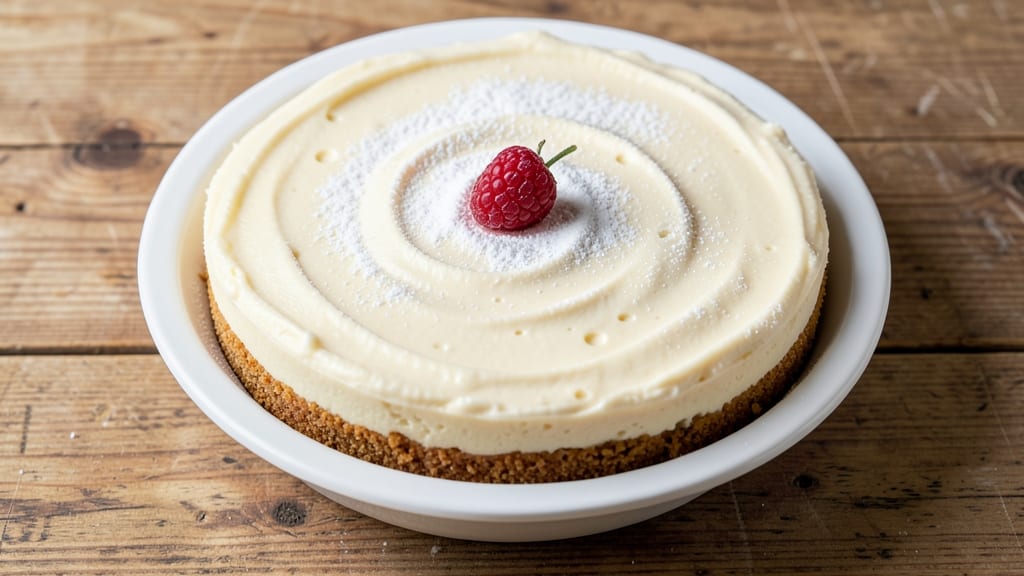
This classic cheesecake recipe delivers the velvety smoothness and rich texture that make it a timeless dessert favorite. The secret lies in a crispy graham cracker crust that holds up perfectly while the filling sets to a silky, jiggly finish—no cracks in sight.
I've perfected this method over years of baking, and the key is patience: letting the cheesecake cool gradually to prevent any unwanted surprises.
The foundation of a great cheesecake starts with the crust, where buttery graham cracker crumbs meet melted butter and sugar for a sturdy, flavorful base.
The filling combines cream cheese, sugar, and eggs for that signature dense yet creamy consistency, while a splash of vanilla and a pinch of salt elevate the flavor. Baking at the right temperature—325°F—ensures even cooking without overbrowning.
What you'll end up with is a crispy-edged crust supporting a slice of pure, velvety cheesecake that practically melts in your mouth. The texture is smooth, the flavor rich and slightly sweet, and the presentation is nothing short of elegant.
This is the cheesecake you'll want to serve at gatherings or enjoy as a quiet treat when you crave something indulgent.
For those who prefer variations, you can add a layer of fruit compote or a swirl of caramel before baking, or even try a no-bake version with gelatin. But the classic method—baked, cooled, and chilled—remains unbeatable. Let's get started on creating your perfect slice.
Ingredients for classic cheese cake
Classic cheesecake starts with buttery crust and creamy filling—just eight ingredients for perfection.
| Ingredient | Amount | Notes |
|---|---|---|
| Graham Crackers 🍪 | 2 cups | Crushed into fine crumbs |
| Unsalted Butter 🧈 | ½ cup | Melted, full-fat preferred |
| Granulated Sugar 🍚 | ¼ cup | For crust sweetness |
| Large Eggs 🥚 | 4 whole | Room temperature |
| Cream Cheese 🧀 | 32 oz | Full-fat, room temperature |
| Granulated Sugar 🍚 | 1 ½ cups | For filling sweetness |
| Pure Vanilla Extract 🍯 | 1 tbsp | High-quality preferred |
| Sour Cream 🥛 | ½ cup | Full-fat for creaminess |
| Salt 🧂 | ¼ tsp | Fine sea salt |
| All-Purpose Flour 🌾 | 2 tbsp | For filling stability |
| Heavy Cream 🥛 | ½ cup | For silky texture |
The graham crackers should be Honey Maid or similar—those sweet, buttery ones. If you can't find them, Nabisco works too, but avoid the chocolatey kind. Crush them into fine crumbs (a food processor makes this easy), then mix with melted butter and sugar. Don't skip the melted butter step—that's what makes the crust crispy. For the cream cheese, Philadelphia brand is my go-to, but any full-fat block-style works if you let it soften properly. Room temperature ingredients mix smoother, so plan ahead if your kitchen's cold.
No sour cream? Greek yogurt at half the amount works in a pinch, but it won't be quite as rich. The vanilla extract matters—nothing imitation. If you're feeling fancy, add a splash of bourbon or rum to the filling. For the crust, if you've got pecan or almond flour, mix in 1/4 cup for extra crunch. The heavy cream in the filling? Don't substitute with milk—it changes the texture completely. And if you're worried about cracks, wrap the pan in foil before baking.
This cheesecake needs time to set—at least 4 hours in the fridge, but overnight is best. Store leftovers covered for up to 5 days. For serving, I like to dust with powdered sugar or add a fresh berry compote. The crust stays crispy if you keep it refrigerated, but it does soften slightly over time. Freezing? Not recommended—the texture gets grainy. Make a double batch if you know you'll want seconds.
Why You'll Love This Recipe
- I’ll be real: the crust takes five minutes of smashing graham crackers with melted butter—no rolling, no fuss. That buttery crumble under creamy filling? It’s the kind of shortcut that still feels indulgent.
- Here’s what sold me: room-temperature cream cheese blended until silky with sugar, then eggs folded in just until combined. No overmixing, no lumps—just that velvety texture that makes every bite worth the wait.
Step-by-step instructions for classic cheesecake recipe
Here's how to create the perfect balance of crispy graham cracker crust and velvety smooth filling.
Prepare the Crispy Graham Cracker Crust
Preheat your oven to 350°F and melt the 0.5 cup unsalted butter in a microwave-safe bowl for 30-45 seconds or until completely liquid. In a large bowl, crush the 2 cups graham crackers into fine crumbs using a food processor or rolling pin—you want them as fine as possible for that perfect texture.
Transfer the crumbs to the bowl with melted butter and add the 0.25 cup granulated sugar. Mix well until every crumb is coated in the buttery mixture. Press the crumb mixture firmly into a 9-inch springform pan, creating an even layer all the way up the sides. Use the bottom of a glass to pack it down tightly—this ensures your crust stays crispy rather than soggy.
Bake the crust for 10 minutes until it's lightly golden around the edges. Let it cool for 15 minutes while you prepare the filling—this prevents the hot filling from melting your beautiful crust.
Mix the Cheesecake Filling
Reduce your oven temperature to 300°F and place a large baking dish filled with hot water on the middle rack—this creates a water bath that prevents cracking. In a large mixing bowl, beat the 32 oz cream cheese with an electric mixer until completely smooth, about 3-4 minutes. This step is crucial—any lumps will show up in your final cheesecake.
Add the 1.5 cups granulated sugar and mix until fully combined. Beat in the 4 whole large eggs, one at a time, mixing just until each is incorporated. Add the 1 tbsp pure vanilla extract, 0.5 cup sour cream, 0.5 cup heavy cream, and 0.25 tsp salt. Finally, sift in the 2 tbsp all-purpose flour and mix on low speed just until combined—overmixing develops gluten and makes the filling tough.
Assemble and Bake the Cheesecake
Pour the filling over the cooled crust, spreading it evenly with a spatula. Tap the pan gently on the counter a few times to remove any air bubbles. Place the springform pan in the prepared water bath and bake for 50-60 minutes until the edges are set but the center still jiggles slightly—it should look mostly firm but not completely solid.
Here's the thing—don't overbake. You want the center to have a slight wobble when you gently shake the pan. If you bake it until completely firm, it will crack as it cools. Turn off the oven, crack the door open, and let the cheesecake cool inside for 1 hour—this gradual cooling prevents cracks from forming.
Chill and Serve for Perfect Texture
Remove the cheesecake from the water bath and let it cool completely at room temperature for 30 minutes. Then, refrigerate uncovered for 4 hours or overnight. This slow chilling process is what transforms your cheesecake from good to extraordinary—it develops that signature silky texture and allows all the flavors to meld together perfectly.
When ready to serve, run a knife around the edge to loosen it from the pan. Release the springform mechanism and slide the cheesecake onto a plate. The crust should be crispy and golden, while the filling should be smooth and creamy with clean slices that hold their shape. Serve chilled with fresh berries or a drizzle of caramel for that classic touch.
Pro Tips For Making Classic Cheese Cake
- MELT BUTTER FIRST: I learned this the hard way—adding cold butter to the graham cracker crumbs makes a dry, crumbly mess. Melt the butter first, then mix it into the crumbs until they’re just moist but not soggy. The crust will hold together like it should.
- WEIGH CREAM CHEESE: Cream cheese blocks vary wildly in density. Dumping "8 ounces" by volume leads to guesswork. Weigh it instead—8 ounces is exactly 225g, and your batter will be consistent every time. No more overmixed or underemulsified fillings.
- BAKE LOW AND SLOW: Cheesecake’s enemy is heat shock. Bake at 325°F (not 350°F) for the full time—even if the edges look set. Rushing it causes cracks or a dense center. A water bath helps, but at least avoid slamming the door open mid-bake.
- COOL GRADUALLY: Sounds weird, but it works: Let the cheesecake sit in the oven with the door ajar for 10 minutes after baking. Then refrigerate it uncovered for 2 hours. This prevents condensation from forming on top, which ruins the texture. (Yes, even if you’re impatient like me.)
Regional styles of these flavors
New York Classic
This is the cheesecake I grew up with—rich, dense, and topped with a layer of sour cream or fruit compote. The key here is using a full-fat cream cheese like Philadelphia and baking it in a water bath at 300°F for 50-60 minutes.
After baking, I let it cool gradually in the oven with the door cracked open to prevent cracks. The signature touch? A sour cream topping—whisk ½ cup sour cream with ¼ cup sugar and spread it over the warm cheesecake before chilling. 🧀
Chicago-Style
Chicago takes its cheesecake seriously, and their version is all about that ultra-smooth texture with a buttery graham cracker crust. The secret? A blender for the filling—blending the cream cheese, sugar, and eggs creates a silky consistency that’s impossible to achieve with a mixer.
I also add 1 tbsp lemon juice to brighten the flavor. Bake in a 9-inch springform pan at 325°F for 1 hour, then chill for at least 6 hours. The result is a slice so creamy it practically melts in your mouth.
Southern Comfort
Down South, they love their cheesecakes spiced and decadent. My favorite Southern twist adds ½ tsp cinnamon and ¼ tsp nutmeg to the filling, plus a pecan crust—mix 1 cup pecans with the graham crackers for extra crunch.
After baking, I top it with a bourbon caramel sauce (simmer ½ cup brown sugar, ¼ cup butter, and 2 tbsp bourbon until thickened). The warmth of the spices pairs perfectly with the buttery richness. 🌶️
Italian-Inspired
For an Italian touch, I swap the graham cracker crust for a crushed amaretti cookie crust—it adds a delicate almond flavor. The filling gets a boost of 1 tbsp mascarpone cheese for extra creaminess and a splash of orange liqueur (like Cointreau) instead of vanilla.
Bake at 300°F for 55 minutes, then chill. Serve with a balsamic glaze drizzle for a sophisticated finish. This version feels like a dessert from a Roman trattoria.
No-Bake Twist
Not everyone has time to bake, so I love this no-bake version for hot days. Mix 16 oz cream cheese, 1 cup powdered sugar, 1 tsp vanilla, and ½ cup sour cream until smooth.
Fold in 1 cup whipped cream and pour over a pre-baked crust (or even a store-bought cookie base). Chill for 4 hours and top with fresh berries or chocolate shavings. It’s lighter but still creamy—perfect for when you crave cheesecake without the oven. ❄️
Nutrition facts
Frequently asked questions
Why does my cheesecake crack?
Cracking happens when the cheesecake cools too quickly or overbakes. The solution? Bake at 300°F until the edges are set but the center still jiggles slightly, then let it cool gradually in the oven with the door cracked open for 1 hour before refrigerating. Also, avoid opening the oven door during baking to prevent sudden temperature drops.
Can I make this cheesecake in a different pan size?
Yes, but adjust the baking time and crust proportions. For a 7-inch pan, reduce crust ingredients by half and bake for 40-50 minutes. For a 10-inch pan, increase crust ingredients by 1.5x and bake for 60-70 minutes. Always use a water bath and check for doneness by gently shaking the pan—the center should still wobble slightly.
How do I store leftover cheesecake?
Keep it refrigerated in an airtight container for up to 5 days. For longer storage, freeze slices wrapped in plastic for up to 2 months, but thaw overnight in the fridge to preserve texture. The crust stays crispy when properly stored, though it may soften slightly over time.
What's the best way to serve this cheesecake?
Serve chilled with fresh berries, caramel drizzle, or a dusting of powdered sugar. For a classic touch, top with a layer of sour cream mixed with jam or a swirl of fruit compote. Slice with a warm knife for cleaner cuts and use a serrated blade to avoid tearing the crust.
Can I substitute ingredients if I'm out of something?
Use Greek yogurt instead of sour cream (half the amount), powdered sugar for granulated (adjust liquid), or almond flour in the crust for extra crunch. For cream cheese, ricotta works in a pinch (reduce by 2 tbsp per 8 oz), though texture may vary slightly. Always keep ratios balanced to maintain the classic flavor.