
Appetizers
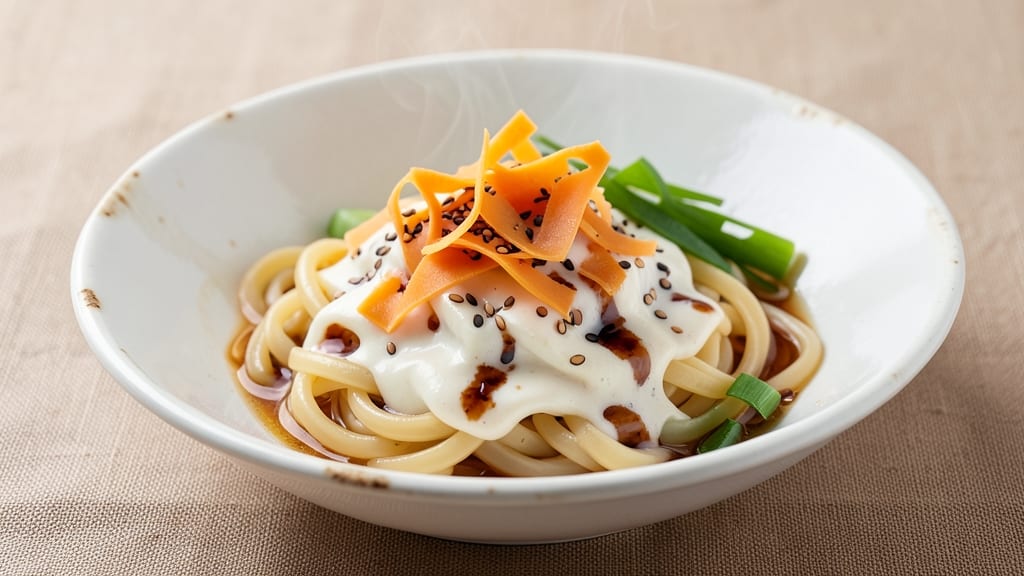
This cheese udon recipe transforms a classic Japanese comfort dish into something entirely new—silky udon noodles swathed in a velvety cheese sauce that balances rich, savory, and umami flavors.
The secret lies in the sauce: a blend of sharp cheddar, creamy mozzarella, and a touch of miso for depth, creating a coating that clings to each strand without overpowering the noodles' natural texture.
I developed this after years of experimenting with fusion dishes, and it's become a crowd-pleaser at every gathering.
The beauty of this recipe is its simplicity—no complicated techniques or rare ingredients, just fresh udon noodles, a few cheeses, and a handful of pantry staples.
The sauce comes together in minutes, but the magic happens when it melts over the hot noodles, creating a luxurious mouthfeel that's impossible to resist. Perfect for chilly evenings or when you crave something hearty yet comforting, this dish delivers restaurant-quality results with minimal effort.
What sets this udon apart is the balance: the cheddar adds a sharp, tangy bite, while the mozzarella creates a creamy, stretchy texture that coats every noodle. A splash of soy sauce and a pinch of garlic powder elevate the flavors, ensuring each bite is packed with depth.
The dish is ready in under 20 minutes, making it ideal for weeknight dinners or last-minute entertaining.
Serve it with a sprinkle of green onions and sesame seeds for freshness, or add a fried egg on top for extra indulgence. This cheese udon is the ultimate fusion dish—comforting yet sophisticated, familiar yet exciting. Let’s get cooking!
Ingredients for cheese udon
Fresh udon noodles meet rich cheeses and umami depth for this comforting fusion dish.
| Ingredient | Amount | Notes |
|---|---|---|
| Udon Noodles 🍜 | 12 oz | Fresh or frozen, package instructions |
| Sharp Cheddar Cheese 🧀 | 1 cup | Shredded, aged for tanginess |
| Mozzarella Cheese 🧀 | ¾ cup | Low-moisture, shredded |
| White Miso Paste 🍶 | 1 tbsp | For umami depth |
| Dashi Stock 💧 | 1 ½ cups | Instant or homemade |
| Soy Sauce 🍶 | 1 tbsp | Light or dark preferred |
| Garlic Powder 🧄 | ½ tsp | Freshly ground preferred |
| Green Onions 🧅 | 3 whole | Sliced, for garnish |
| Sesame Seeds 🌰 | 1 tsp | Toasted, for crunch |
| Butter 🧈 | 2 tbsp | Unsalted, for richness |
| Vegetable Oil 🫒 | 1 tbsp | For cooking noodles |
| Salt 🧂 | ½ tsp | Sea salt, to taste |
| Black Pepper 🌶️ | ¼ tsp | Freshly ground |
The cheeses are the stars here. Sharp cheddar adds that tangy bite, while low-moisture mozzarella creates the perfect creamy stretch. Kraft or Cabot are reliable brands for cheddar, but any aged variety works. For mozzarella, Sargento or Booth shredded cheeses melt beautifully. The udon noodles should be fresh—Marukome or Nissin are my go-tos, but frozen works in a pinch. Just don’t overcook them; they should be silky but still hold shape. The white miso paste is key for that authentic umami depth—Miso Master or Hikari brands are top-tier, but any quality miso will do.
No sharp cheddar? Pepper jack or Gruyère add a nice kick, though the tang will differ. Running low on mozzarella? Fontina melts just as well and adds a nutty flavor. The dashi stock can be substituted with chicken or vegetable broth, but you’ll lose some of that delicate umami. For extra richness, add a splash of cream cheese to the sauce. The green onions and sesame seeds are purely for freshness—skip them if you’re short, but don’t skip the garlic powder; it’s what ties the whole dish together. And if you’re feeling fancy, top with a fried egg for that ultimate indulgence.
This dish reheats beautifully—just add a splash of water or broth to loosen the sauce. Keeps for 3-4 days in the fridge, though it’s best enjoyed fresh. The sauce can be made ahead and reheated gently; just stir in a bit of water if it thickens too much. For meal prep, portion the noodles and sauce separately and assemble when ready to eat. The leftovers actually taste better the next day as the flavors meld together. Store the sesame seeds separately if you want to keep that fresh crunch.
Why You'll Love This Recipe
- No Boil Required: I swear by this shortcut—just toast the udon noodles in the pan with a splash of dashi stock until they’re tender. No waiting for water to boil, no sticky mess, and they soak up that cheesy, miso-rich sauce like a dream.
- Umami Cheese Bomb: That combo of sharp cheddar and melty mozzarella with white miso paste? It’s the kind of rich, savory punch that makes you forget you’re eating comfort food. The dashi stock ties it all together with that deep, brothy warmth—like a hug in a bowl.
- Lunchbox Hero: Here’s what sold me—this reheats perfectly for work lunches. Pack the cooled noodles with a little extra cheese on top, and when you microwave it, that stretchy, gooey goodness comes back to life. (Yes, even on a Tuesday night.)
- Pantry Staple Magic: Between us, this recipe uses ingredients you probably already have. Udon noodles last forever, dashi stock is cheap, and cheese? Well, we’re not counting how many blocks I’ve gone through making this. It’s my go-to when I’m too tired to shop.
Step-by-step instructions for cheese udon with melty cheese perfection
Here's how to create restaurant-quality cheese udon with perfectly silky noodles and a rich, creamy sauce.
Cook the Udon Noodles to Al Dente Perfection
Bring a large pot of water to a rolling boil and add 1 tablespoon vegetable oil to prevent sticking. Add the 12 oz udon noodles and cook according to package instructions—typically 4-6 minutes for fresh or 8-10 minutes for frozen. You want them al dente, slightly firm to the bite but not crunchy.
Drain the noodles but reserve 1 cup of the starchy pasta water—this is essential for creating a silky sauce. If you don't save this water, your sauce will be too thick and won't cling properly to the noodles. Toss the drained noodles with 1 tablespoon butter to prevent sticking while you prepare the sauce.
Build the Umami-Rich Cheese Sauce
In a separate large skillet or wok, melt 2 tablespoons butter over medium heat. Add 1 tablespoon white miso paste and stir for 30 seconds until fragrant. The miso will deepen the umami flavor that defines this dish.
Pour in 1.5 cups dashi stock and bring to a gentle simmer. Sprinkle in 1 cup sharp cheddar cheese and 0.75 cup mozzarella cheese, stirring constantly until fully melted and smooth. The sauce should thicken slightly but remain creamy—if it looks too thick, add 2-3 tablespoons of the reserved pasta water to reach your desired consistency.
Season and Combine with Noodles
Reduce heat to low and add 1 tablespoon soy sauce, 0.5 teaspoon garlic powder, 0.5 teaspoon salt, and 0.25 teaspoon black pepper. Stir well to combine all flavors. The sauce should coat the back of a spoon smoothly—this indicates the perfect texture for coating the noodles.
Add the cooked udon noodles to the sauce and toss gently for 1-2 minutes until each strand is fully coated. The residual heat from the noodles will help meld the flavors together. If the sauce starts to separate, add another splash of pasta water to maintain that silky texture.
Garnish and Serve Immediately
Divide the cheese udon among 4 bowls. Slice the 3 whole green onions and sprinkle evenly over each serving. Toast 1 teaspoon sesame seeds in a dry skillet for 30 seconds until golden and fragrant, then sprinkle over the top for added crunch and aroma.
Serve immediately while the cheese remains melty and the noodles are hot. The contrast of creamy cheese sauce with the slight crunch of sesame seeds and fresh green onions creates the perfect balance of textures in every bite. This dish delivers on its promise of perfection—rich, comforting, and utterly satisfying.
Pro Tips For Making Cheese Udon
- BOIL UDON UNTIL AL DENTE: Pull the noodles out when they’re just tender—not mushy. I used to overcook them, and they’d turn to glue in the broth. Test one: if it holds a slight bite, it’s ready. Drain immediately and rinse under cold water to stop cooking—this keeps them from turning into a sad, limp pile.
- GRATE CHEESE FRESH: Skip the pre-shredded stuff—it’s coated in anti-caking agents that turn to gummy sludge when melted. Use a box grater for sharp cheddar and a microplane for mozzarella. Freshly grated cheese melts faster and clings better to the udon, making every bite rich and gooey.
- TEMPER THE MISO: Warm the white miso paste with a splash of dashi stock first—never add it directly to hot broth. I learned this after a batch tasted bitter and grainy. Mix 1 tablespoon miso with 2 tablespoons warm stock until smooth, then stir into the simmering broth. This keeps the umami balanced and prevents clumping.
- SIMMER CHEESE LOW AND SLOW: Once the cheese hits the broth, reduce heat to the lowest setting and let it melt gently. Scraping and stirring aggressively just makes it grainy. Give it 3-4 minutes—patience here means creamy, velvety cheese strands, not a sad, separated mess.
Serving suggestions for leftovers
Bowl Presentation
Use wide, shallow bowls to showcase the silky noodles and creamy cheese sauce. I recommend 4 individual ramen or udon bowls (about 8-10 inches wide) to maximize surface area for garnishes.
Arrange the noodles in a loose pile in the center, allowing the sauce to cascade naturally when served. The visual contrast between the white noodles and golden cheese creates instant appeal. 🍜
Garnish Mastery
Start with 3 thinly sliced green onions (white and green parts separated) to add freshness and color. Sprinkle the white parts first for a delicate base, then the green tops for vibrant contrast.
Toast 1 teaspoon sesame seeds in a dry pan for 30 seconds until fragrant—this enhances their nutty aroma. For extra flair, add a fried egg on top with the yolk still runny. 🌱
Sauce Artistry
For a restaurant-style finish, create a sauce swirl by gently dragging a spoon through the cheese sauce before serving. This technique highlights the sauce's creamy texture.
If you're feeling adventurous, add a drizzle of chili oil (about ½ teaspoon) for heat, or a sprinkle of furikake for an umami boost. The key is balance—don't overpower the dish's natural flavors. 💫
Pairing Perfection
Serve with steamed edamame on the side for a protein boost and fresh contrast. The saltiness of edamame complements the richness of the cheese sauce beautifully. For drinks, green tea (like Sencha) cuts through the richness, while a light lager (such as Asahi) adds a crisp finish.
Avoid heavy beers or sweet drinks that might clash with the dish's savory profile. 🍶
Family-Style Serving
For gatherings, serve the cheese sauce and noodles separately in large bowls with shared garnishes in small bowls. This lets everyone customize their portion—add extra cheese, green onions, or sesame seeds to taste.
Use long chopsticks for easy serving, and keep a small pot of hot water nearby to maintain the sauce's temperature. The communal aspect makes it feel special without extra effort. 👨👩👧👦
Leftovers Reinvented
Transform leftover cheese udon into cheesy udon croquettes by mixing with a beaten egg, shaping into balls, and pan-frying until golden. For a quick fix, reheat with a splash of dashi stock or water to loosen the sauce.
Store leftovers in an airtight container for up to 3 days—the flavors only deepen over time! 💡
Nutrition facts
Frequently asked questions
Can I use frozen udon noodles instead of fresh?
Frozen udon works perfectly—just increase cooking time to 8-10 minutes until al dente. The key is saving 1 cup of pasta water to maintain the sauce's silky texture. Frozen noodles often need slightly more time to cook through completely.
What if my cheese sauce gets too thick?
Simply add 1-2 tablespoons of reserved pasta water while stirring on low heat. The starch in the water acts as a natural thickener, so a little goes a long way. If it's still too thick, add another splash—your sauce should coat the back of a spoon smoothly.
How can I make this vegetarian?
Replace the dashi stock with vegetable broth and use a vegetarian-friendly cheese blend (like Parmigiano-Reggiano instead of cheddar). The miso paste is typically vegetarian, but check for fish-based additives. Keep all other ingredients the same for that same rich flavor.
Can I prepare the sauce ahead of time?
Yes! Make the sauce up to 1 day ahead and store it in an airtight container. Reheat gently with a splash of water or broth to restore creaminess. The noodles are best cooked fresh, but you can prep the sauce separately for quick assembly later. Just add the cooked noodles right before serving.
What's the secret to the best cheese sauce texture?
The magic lies in the low-moisture mozzarella and sharp cheddar combo—mozzarella melts smoothly while cheddar adds tang. Always melt the cheese over low heat and stir constantly to prevent clumping. The reserved pasta water is non-negotiable for that silky finish!