
Main Courses
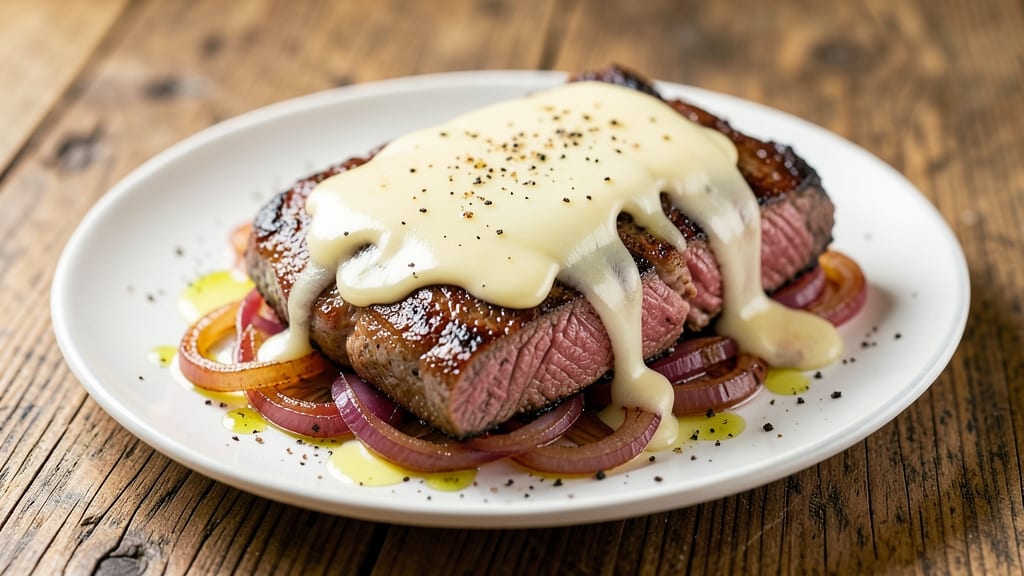
This Philly-style cheese steak meat recipe delivers the iconic combination of thinly sliced ribeye, melted provolone, and caramelized onions in every bite. The secret lies in proper slicing against the grain and quick searing to lock in juices, creating tender meat that practically melts when you add the cheese.
I've perfected this technique after years of experimenting with regional variations, and it's now my go-to for both weeknight dinners and game day spreads.
The beauty of this recipe is its simplicity—just ribeye steak, provolone cheese, caramelized onions, and a few minutes of focused cooking. Unlike some versions that rely on slow cooking, this method delivers restaurant-quality results in under 20 minutes.
The key is using thinly sliced meat that cooks quickly while maintaining tenderness, and provolone that melts perfectly without becoming greasy.
What you'll end up with is a plate of sizzling, juicy steak slices piled high with gooey melted cheese and sweet caramelized onions. The texture contrast alone—tender meat, creamy cheese, and crisp onions—makes this dish impossible to resist.
Whether you serve it on a toasted hoagie roll or straight on a plate, it's a crowd-pleaser that brings authentic Philly flavor to your kitchen.
For those who prefer a Pittsburgh-style version, simply swap the provolone for colby cheese and add a touch of ketchup or giardiniera. This recipe scales beautifully for parties, and the leftovers reheat perfectly. Let's get cooking—your taste buds will thank you.
Ingredients for cheese steak meat
Just five key ingredients transform into Philly-style cheese steak slices that taste like a late-night diner classic.
| Ingredient | Amount | Notes |
|---|---|---|
| Ribeye Steak 🥩 | 1 ½ lb | Thinly sliced against grain |
| Provolone Cheese 🧀 | 8 oz | Sliced 1/4-inch thick |
| Yellow Onions 🧅 | 1 ½ lb | Thinly sliced for caramelizing |
| Extra-Virgin Olive Oil 🫒 | 2 tbsp | High smoke point preferred |
| Diamond Crystal Kosher Salt 🧂 | 1 tsp | For seasoning meat |
| Freshly Ground Black Pepper 🌶️ | ½ tsp | Coarse grind preferred |
| Garlic Cloves 🧄 | 4 cloves | Minced for optional seasoning |
| Hoagie Rolls 🍞 | 4 whole | Toasted for serving |
| Yellow Mustard 🍯 | 1 tbsp | Optional for roll spread |
| Sweet Onion Relish 🥕 | 2 tbsp | Optional for serving |
| Fresh Parsley 🌿 | ¼ cup | Chopped for garnish |
The ribeye is non-negotiable—USDA Choice or Prime with good marbling is ideal. Ask your butcher to slice it against the grain (about 1/4-inch thick) or do it yourself with a sharp knife. If you're buying whole, Costco or Whole Foods carry excellent cuts. Provolone matters too—Kraft Singles work for convenience, but freshly sliced provolone from the deli section melts like a dream. The onions? Yellow or sweet onions both work, but yellows caramelize better. Grab a 1.5-pound bag from the grocery store—it's perfect for this recipe.
No provolone? Colby cheese works for Pittsburgh-style, though it won't melt as beautifully. Short on time? Pre-sliced provolone from the deli counter saves chopping. The onions can be swapped for caramelized onion jam if you're feeling fancy. For the meat, flat iron steak is a great backup if ribeye isn't available. The mustard and relish are optional but add that classic diner touch—French's or Hellmann's for the mustard, and Heinz Sweet Onion for the relish. If you're making this ahead, skip the cheese until serving—it reheats better without melting first.
This meat keeps best in the fridge for 3-4 days if you've already cooked it, but raw steak stays fresh for 5 days wrapped tightly. The caramelized onions can be made a day ahead and reheated gently in a pan. For parties, double the batch—the meat reheats beautifully in the oven at 350°F for 10 minutes. Store leftovers in airtight containers with parchment between layers to keep the cheese from sticking. The rolls? Toast them right before serving—nothing beats a warm, crispy roll with this sandwich.
Why You'll Love This Recipe
- I swear by this combo: ribeye and provolone. That rich, beefy fat melts into the cheese so fast, you’ll forget you’re even cooking—just salt, sear, and stack.
- Two-Ingredient Magic: I swear by this combo: ribeye and provolone. That rich, beefy fat melts into the cheese so fast, you’ll forget you’re even cooking—just salt, sear, and stack.
- Crispy-Edge, Creamy Bite: The olive oil gives that steak a golden crust while the onions caramelize in minutes. Honestly, the contrast between the crispy edge and gooey cheese is what makes this dish dangerously addictive.
- Weeknight Superstar: Between us, this is my go-to when I’m too tired to fuss. Toss it on a roll for lunch or serve it over toast for dinner—no rules, just satisfaction.
Step-by-step instructions for Philly-style cheese steak slices
Here's how to transform ribeye into tender, juicy cheese steak slices with perfectly caramelized onions.
Prepare the Ribeye for Maximum Tenderness
Begin by slicing the 1.5 lb ribeye steak thinly against the grain using a sharp knife. I like to cut each slice about ¼-inch thick—this ensures they cook quickly and remain tender. Arrange the sliced ribeye on a plate and season both sides generously with 1 tsp diamond crystal kosher salt and 0.5 tsp freshly ground black pepper. Let the seasoned steak sit at room temperature for 15-20 minutes while you prepare the onions.
The reason for this resting time is simple: cold meat tightens up during cooking, while room-temperature meat cooks more evenly. You'll notice the slices look slightly glossy after seasoning—that's the salt drawing out moisture, which will evaporate during cooking and create a better crust.
Caramelize the Onions Slowly for Sweet Depth
In a large skillet, heat 2 tbsp extra-virgin olive oil over medium-low heat. Add the 1.5 lb yellow onions, sliced thinly, and cook them undisturbed for 5 minutes to allow them to soften. Here's the thing—caramelizing onions takes patience. After that initial 5 minutes, stir occasionally and let them cook for 45-50 minutes total, until they're deep golden brown with a jammy consistency.
You'll know they're done when the onions release easily from the pan and have a rich, sweet aroma. If they start to brown too quickly, reduce the heat slightly. The goal is to develop that deep caramelization without burning. I like to add a pinch of salt halfway through cooking to enhance the sweetness as it develops.
Cook the Steak Slices to Perfect Doneness
Increase the heat to medium-high and add the seasoned ribeye slices to the skillet with the caramelized onions. Cook for 2-3 minutes per side, pressing down gently with a spatula during the first minute to prevent curling. The steak should reach an internal temperature of 130-135°F—this gives you that classic Philly-style tenderness without overcooking.
Here's where it gets fun: as the steak cooks, it'll release juices that mingle with the caramelized onions. Don't drain these—every drop of flavor matters. You'll see the onions clinging beautifully to the steak, creating that signature Philly-style sauce. When the steak reaches your desired doneness, remove it from the skillet and set it aside on a warm plate.
Add the Provolone and Finish the Sauce
Return the skillet to medium heat and add the 8 oz provolone cheese, sliced into ¼-inch thick pieces. Let it melt completely, stirring occasionally, until it forms a smooth, gooey sauce that coats the caramelized onions. This should take about 2-3 minutes. If the sauce looks too thick, you can add a splash of water or beef broth to loosen it slightly.
Now, return the steak slices to the skillet and toss everything together gently. The residual heat will melt any remaining cheese and create that perfect cheese steak sauce. Taste and adjust seasoning with additional salt or pepper if needed. The sauce should be rich, slightly tangy, and perfectly balanced between the sweet onions and salty cheese.
Assemble and Serve with Toasted Rolls
Toast the 4 whole hoagie rolls until they're golden brown and crisp. Spread each with 1 tbsp yellow mustard if you like, then divide the cheese steak mixture evenly among them. Garnish each sandwich with 2 tbsp sweet onion relish and sprinkle with 0.25 cup chopped fresh parsley for a pop of color and freshness.
Serve immediately while the rolls are warm and the cheese is still gooey. The combination of tender steak, sweet caramelized onions, and melted provolone creates the ultimate Philly-style experience. For extra indulgence, serve with a side of fries or pickles to cut through the richness.
Pro Tips For Making Cheese Steak Meat
- Sear the Ribeye Hard: Cast iron or stainless steel only—get that pan screaming hot before the steak hits it. I used to rush this, and the meat would steam instead of develop that golden crust. Two minutes per side for medium-rare, then pull it early—it’ll keep cooking with the residual heat.
- Slice Onions Thin: Half the onion, peel off the papery skin, and cut into paper-thin slices—almost translucent. Thick rings turn mushy; thin slices caramelize fast and add texture without sogging the cheese. Use a sharp knife, or the struggle is real.
- Salt the Steak Twice: Generously season the ribeye before searing, then hit it again after it rests. The first layer dissolves into the meat, the second locks in flavor. Skip this, and you’ll wonder why your steak tastes bland even with all that provolone melting on top.
- Warm the Cheese: Shred the provolone and microwave it for 10 seconds—just enough to soften it slightly. Cold cheese clings like glue and won’t melt smoothly. (Yes, even if you’re impatient like me.) The steak stays juicy, and the cheese stretches like it should.
Troubleshooting this dish
Steak Too Tough?
If your steak slices end up tough, you likely overcooked them. The secret is hitting the 130-135°F internal temperature range—any hotter and the meat tightens up. I recommend using a meat thermometer like the Thermoworks Thin to monitor doneness precisely.
Also, ensure you're slicing against the grain—this shortens muscle fibers and keeps the texture tender. 🌡️
Cheese Not Melting?
Provolone should melt beautifully, but if it's clumping or separating, it might be too cold when added. Let your skillet reach medium heat before adding cheese slices, and stir frequently to distribute the heat evenly.
For extra insurance, I sometimes add 1 tsp of water to the skillet while melting to help emulsify the cheese into a smooth sauce. Avoid pre-shredded cheese—it contains anti-caking agents that prevent proper melting.
Onions Too Raw?
If your caramelized onions still taste sharp or crunchy, they didn't cook long enough. The key is patience—onions need 45-50 minutes at medium-low heat to develop their signature sweetness. I like to add a splash of apple cider vinegar (1 tsp) halfway through cooking to enhance the caramelization process.
Cover the pan loosely with a lid during the last 10 minutes to trap steam and speed up the process slightly.
Sauce Too Watery?
A thin, watery sauce usually means the onions released too much moisture. To fix this, cook the onions uncovered for the last 5-10 minutes to evaporate excess liquid. If you're using pre-caramelized onions from a jar, drain them thoroughly before adding to the skillet.
For a thicker sauce, reduce the heat to low after adding cheese and let it simmer uncovered for 1-2 minutes to reduce any excess liquid. 💡
Meat Sticking to Pan?
If your steak slices are sticking instead of searing, your pan isn't hot enough. Let the skillet preheat for 3-5 minutes on medium-high heat before adding oil—it should shimmer when ready.
Use a high-smoke-point oil like avocado oil or grapeseed oil (about 2 tbsp) and make sure it's hot enough to sizzle when the meat hits the pan. A cast-iron skillet like Lodge is ideal for even heat distribution.
Onions Burning?
Burnt onions happen when the heat is too high. If they start to darken too quickly, immediately reduce the heat to low and stir frequently.
For extra insurance, I like to add 1 tbsp of beef broth to the pan when the onions are about 80% cooked—this helps create a fond that adds depth to the flavor.
Always keep a close eye on the pan during the final 10 minutes of cooking to prevent burning. 🔥
Nutrition facts
Frequently asked questions
What's the best cut of meat for cheese steak?
Ribeye is the gold standard for Philly-style cheese steaks because of its rich marbling and tender texture. For a leaner option, flat iron steak works well too. Avoid tougher cuts like flank steak—they won't hold up as nicely when sliced thin. Always ask your butcher to slice it against the grain for maximum tenderness.
Can I make cheese steak without a hoagie roll?
Serve the meat and cheese mixture on a toasted Italian bread, baguette slices, or even over a bed of greens for a lighter option. For a hearty plate, pile it on top of roasted potatoes or mashed potatoes. The key is keeping the roll toasted—it adds that perfect crunch contrast to the tender meat.
How do I store leftovers?
Store the meat and cheese separately in airtight containers to prevent sogginess. The meat keeps well for 3-4 days in the fridge, while the caramelized onions last 5 days. To reheat, warm the meat in a skillet over medium heat for 2-3 minutes, then add the onions and cheese to melt. Never microwave—it makes the cheese rubbery!
What's the difference between Philly and Pittsburgh cheese steaks?
The main differences are the cheese and sauce. Philly-style uses provolone and caramelized onions, while Pittsburgh-style swaps provolone for colby cheese and adds ketchup or giardiniera. Both styles use thinly sliced prime rib, but Pittsburgh versions often include peppers too. The bread matters too—Pittsburgh uses a longer roll!
Can I use pre-cooked steak?
Pre-cooked steak won't give you the same tender texture, but you can use it in a pinch. Slice it ¼-inch thick and warm it in a skillet with onions until heated through. For best results, always start with fresh, raw ribeye—it makes all the difference in that melt-in-your-mouth texture.