
Main Courses
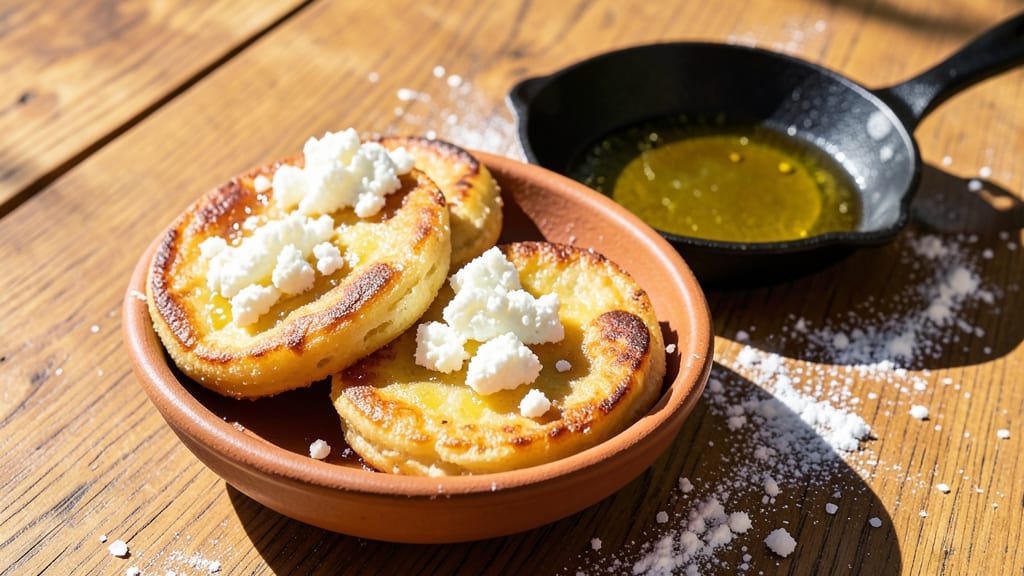
This cheese pupusa recipe brings the vibrant flavors of Salvadoran street food directly to your kitchen, where crispy golden edges meet tender, melty cheese inside. 🌟 I first tasted these at a bustling market in El Salvador, and the combination of perfectly fried masa with fresh cheese became an obsession—now I recreate them weekly, adjusting the dough just enough to achieve that signature crisp while keeping the center soft.
The secret lies in the dough preparation—using masa harina (corn flour) mixed with warm water until it forms a smooth, pliable consistency. This traditional blend creates the ideal texture, neither too dry nor sticky, which is crucial for achieving those crispy edges without breaking apart.
The filling, typically made with queso fresco or a blend of mozzarella and cheddar, should be packed generously but not overstuffed to prevent leaks during frying.
Once fried in hot oil until golden brown on both sides, the pupusas release an intoxicating aroma that fills the kitchen—crispy outside, tender inside, with cheese that melts just enough to create pockets of gooey goodness.
Serving them with curtido (a tangy cabbage slaw) and tomato sauce adds the perfect balance of acidity and richness, turning a simple dish into a full cultural experience.
This recipe is designed to feel like a trip to Central America without leaving your stove. Whether you're serving them as a weeknight dinner or hosting a Salvadoran-themed gathering, these crispy, cheesy delights will be the star of the meal. Let's get cooking!
Ingredients for cheese pupusa
Fourteen ingredients for Salvadoran street food magic—crispy, cheesy, and full of flavor.
| Ingredient | Amount | Notes |
|---|---|---|
| Masa Harina 🌽 | 2 cups | Maseca or Bob's Red Mill |
| Warm Water 💧 | 1 ½ cups | 105-115°F for ideal dough |
| Queso Fresco 🧀 | 1 ½ cups | Crumbled, or blend mozzarella/cheddar |
| Vegetable Oil 🫒 | 3 cups | For frying, high smoke point |
| Salt 🧂 | ½ tsp | Fine sea salt preferred |
| All-Purpose Flour 🌾 | ¼ cup | For dusting work surface |
| Curtido (Optional) 🥬 | 1 ½ cups | Store-bought or homemade slaw |
| Tomato Sauce 🍅 | ½ cup | For serving, store-bought or homemade |
| Lemon Wedges 🍋 | 2 whole | For serving, fresh preferred |
| Cilantro Leaves 🌿 | ¼ cup | Chopped, for garnish (optional) |
The masa harina is everything—Maseca or Bob's Red Mill are the gold standards, but any quality corn masa works. Look for bags labeled 'for pupusas' at Latin markets, or grab the Maseca for pupusas at H-E-B or Walmart. The water needs to be warm (test with your finger—should feel like bathwater), not hot. Too hot kills the dough's elasticity. I like to mix the dough right in the bowl with a wooden spoon until it forms a smooth ball, then let it rest for 20 minutes before rolling. That rest time is non-negotiable for crispy edges.
No queso fresco? Blend 1 cup mozzarella with 0.5 cup sharp cheddar—it melts beautifully and holds up during frying. For the oil, vegetable or canola works best (high smoke point), but avoid olive oil—it burns too easily. The curtido can be store-bought (check the Latin section at Trader Joe's or Costco), but homemade is easy: shredded cabbage, carrots, lime juice, and a pinch of salt. The tomato sauce? Rao's or Muir Glen are my go-tos—they're bright and tangy without being overly sweet. No fresh cilantro? Skip it or use parsley—it won't ruin the dish, but it adds that fresh finish.
The dough keeps for 2 days in the fridge, wrapped tightly in plastic. The oil can be reused for 2-3 batches if you strain it through a fine-mesh sieve. For leftovers, store fried pupusas in an airtight container for 1 day (they soften but reheat well in a skillet). Pro tip: freeze uncooked dough balls—they reheat beautifully when fried. Serve immediately with curtido and tomato sauce, or they'll get soggy. The lemon wedges should be on the table before the first pupusa hits the plate—trust me on this.
Why You'll Love This Recipe
- Three-Ingredient Magic: I swear by this—just masa harina, warm water, and queso fresco. No fancy prep, no measuring cups fighting you. The dough comes together faster than you can say "puffy and golden," and honestly? That’s half the battle.
- Crispy-Creamy Obsession: The outside gets that perfect crunch from hot oil, while the inside stays soft and melty with queso fresco. It’s like a hug in your mouth—salty, cheesy, and just a little bit addictive. (Yes, even on a Tuesday night.)
- Party in a Pocket: These are my go-to for game day, potlucks, or when friends drop by unannounced. No plates needed—just a basket of warm pupusas and everyone’s happy. Kids love them, adults inhale them, and leftovers? They disappear just as fast.
- Budget Bite-Sized Win: A bag of masa harina and a block of queso fresco stretch farther than you’d think. I make a double batch, freeze half, and still have lunch for days. Cheap, filling, and zero guilt—what’s not to love?
Step-by-step instructions for cheese pupusa recipe
Here's how to make these crispy Salvadoran street food classics with golden edges every time.
👨🍳 Step 1: Mix the Dough to Perfect Consistency
In a large mixing bowl, combine the 2 cups masa harina with the 0.5 tsp salt. Make a well in the center and add the 1.5 cups warm water (about 105-115°F). Mix with your hands or a wooden spoon until it forms a shaggy dough that holds together when pressed.
I like to work the dough by hand—it helps develop the gluten just enough for structure without making them tough. The dough should be soft but not sticky. If it's too dry, add 1 teaspoon more warm water; if too sticky, sprinkle in 1 tablespoon more masa harina. Cover the bowl with a damp towel and let it rest for 15 minutes—this helps the gluten relax and makes rolling easier.
👨🍳 Step 2: Add Queso Fresco and Knead
After resting, crumble the 1.5 cups queso fresco into the dough. Using your hands, knead everything together for 3-4 minutes until the cheese is fully incorporated and the dough is smooth. The cheese should be evenly distributed—this is what makes these pupusas so delicious!
Here's the thing—don't overwork the dough. You're looking for a smooth, slightly tacky texture that's easy to handle. If the dough feels too dry, add 1 tablespoon warm water; if too sticky, add 1 tablespoon masa harina. Divide the dough into 8 equal balls (about 2 ounces each) and cover with the damp towel again while you prep the frying.
🔥 Step 3: Roll and Fry to Crispy Perfection
Heat 3 cups vegetable oil in a deep skillet to 350°F (use a thermometer—this is crucial!). While the oil heats, roll each dough ball between your palms to flatten slightly, then roll it out on a lightly floured surface (use the 0.25 cup all-purpose flour) into 4-inch circles about ¼-inch thick. Keep the remaining dough covered to prevent drying.
Carefully slide the rolled pupusas into the hot oil, working in batches so you don't overcrowd the pan. Fry for 2-3 minutes per side until they're golden brown with crispy edges. The cheese should be melted but not oozing out—this is your perfect doneness cue. Use a slotted spoon to transfer them to paper towels to drain excess oil. Keep them warm in a 200°F oven while you fry the rest.
🍽️ Step 4: Serve with Classic Salvadoran Toppings
Once all pupusas are fried, serve them immediately with the 1.5 cups curtido (if using), 0.5 cup tomato sauce, and the 2 lemon wedges. The crispy exterior should contrast beautifully with the gooey cheese center—this is what makes them irresistible!
For that authentic street food experience, sprinkle with the 0.25 cup chopped cilantro leaves right before serving. The tangy curtido cuts through the richness, the tomato sauce adds brightness, and the lemon keeps everything fresh. Cut into wedges and enjoy while they're still warm and crispy!
Pro Tips For Making Cheese Pupusa
- Mix Until It Breaks: Stop when the dough cracks like a dry riverbed—not before. Overmixing turns pupusas gummy; underworking means they’ll fall apart. Aim for a texture like damp sand that holds when squeezed but still feels slightly rough.
- Rest the Dough: Cover the masa with a damp towel and let it sit for 15 minutes. This relaxes the gluten just enough to prevent tough, chewy pupusas. I learned this the hard way—skipping it gives you a dense, brick-like result.
- Press Thin, Cook Fast: Use a well-oiled skillet and flatten each pupusa to about ¼-inch thickness. High heat is non-negotiable—if the oil isn’t shimmering, you’re wasting time. Flip once golden brown spots appear; don’t wait for full browning.
- Crumbles Over Chunks: Grate queso fresco instead of chopping it. The finer the texture, the better it melts into the masa without leaving dry, chewy bits. Yes, it’s a little extra work, but it makes a real difference in every bite.
Wine and beer pairings for this dish
Crispy Cheese Pairing
Pupusas with their crispy, golden edges and melty cheese center call for wines that cut through the richness while complementing the savory-sweet flavors. A dry Riesling from Germany or Alsace is my go-to—its bright acidity and citrus notes cleanse your palate between bites.
I love Dr. Loosen Blue Slate or Trimbach Riesling, both of which balance the pupusa's richness without overpowering the cheese. The slight mineral finish mirrors the crispy texture perfectly. 🍷
Tangy Beer Balance
For beer lovers, a Mexican lager like Modelo Especial or Pacifico works beautifully—their crisp, clean profiles let the pupusa's flavors shine. If you prefer something with a little more character, try a Belgian witbier like Hoegaarden or Stella Artois—the coriander and citrus notes echo the lemon wedges and curtido.
Avoid heavy stouts or IPAs, which would clash with the delicate cheese and masa. 🍺
Spicy Margarita Twist
No Salvadoran meal is complete without a spicy margarita on the side. Mix 1.5 oz reposado tequila, 0.75 oz lime juice, 0.5 oz agave syrup, and a pinch of chili powder or Tajín for rim.
Serve over ice with a salted rim—it’s the perfect pairing for cutting through the fried richness. I like to add a splash of orange juice for brightness, just like the tomato sauce on the pupusas. 🌶️
Coffee or Horchata
For a non-alcoholic option, Salvadoran café de olla (spiced coffee) or horchata (rice-cinnamon drink) adds a comforting contrast. The warmth of the coffee or the creamy sweetness of horchata balances the pupusa's savory, crispy texture. I often serve both at gatherings—it’s a crowd-pleaser that feels authentically local. ☕
Pro Tip for Pairings
Serve all drinks chilled—especially the beer and margarita—to highlight their refreshing qualities against the fried pupusas. I like to arrange drinks on a tray with lemon wedges and extra curtido for dipping. The key is balance: acidic, crisp, or spicy drinks keep the meal from feeling too heavy. 💡
Nutrition facts
Frequently asked questions
What's the best cheese substitute if I can't find queso fresco?
Blend 1 cup mozzarella with 0.5 cup sharp cheddar for a perfect meltable substitute. The mozzarella provides creaminess while the cheddar adds flavor that holds up during frying. Avoid pre-shredded cheese—the anti-caking agents make the filling too dry.
Why do my pupusas keep sticking to the pan?
Your oil temperature is likely too low. Always maintain 350°F—use a thermometer! Also ensure your dough isn't too wet. If sticking persists, add 1 tablespoon masa harina to the dough or use a lightly oiled spatula to help release them. Overcrowding the pan also causes sticking—fry in batches.
Can I make pupusas ahead of time?
Yes! Prepare the dough up to 2 days ahead and store it wrapped tightly in plastic in the fridge. For best results, fry fresh from frozen—thaw the dough balls in the fridge overnight. Cooked pupusas reheat well in a skillet over medium heat for 2-3 minutes until crispy again.
What's the secret to getting crispy edges?
The magic is in the dough resting time (15-20 minutes) and proper oil temperature (350°F). Roll the dough to ¼-inch thickness and fry in batches—never overcrowd. The cheese should melt but not ooze, and you'll hear a satisfying sizzle when they're ready.
How do I make this vegetarian-friendly?
This recipe is already vegetarian! Just ensure your queso fresco is dairy-only (no animal rennet) and confirm your masa harina contains no lard. For extra flavor, add 1 tsp cumin or ½ tsp garlic powder to the dough. The curtido is naturally veggie-packed with cabbage and carrots.