Sauces & Condiments
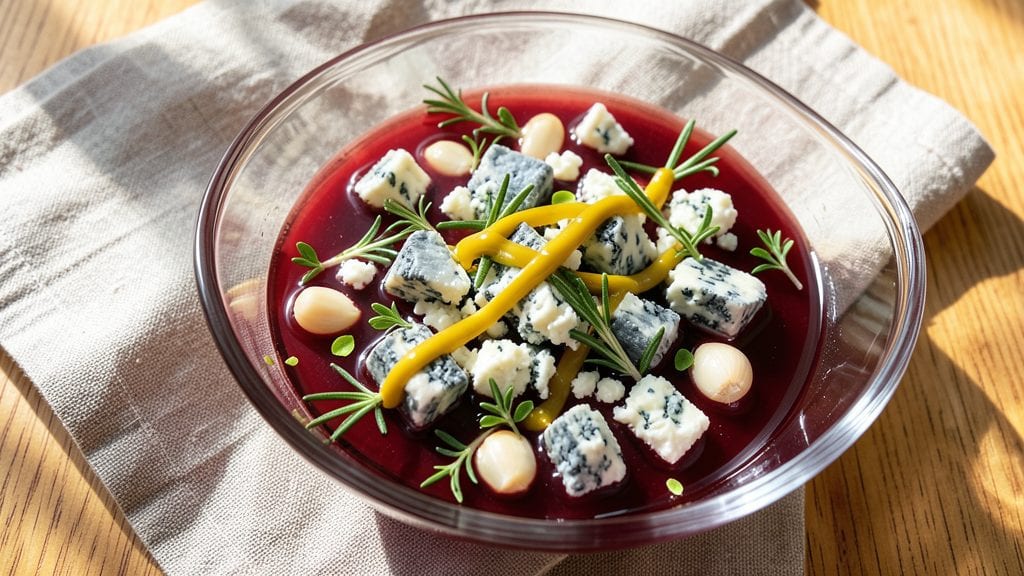
A cheese marinade recipe transforms grilled meats into restaurant-quality masterpieces by infusing bold umami depth into every bite. This isn't your typical marinade—it blends melted cheese with wine, garlic, and herbs to create a rich, velvety sauce that caramelizes beautifully on the grill.
I developed this after years of experimenting with cheese-based marinades, and the results are always impressive.
The secret lies in balancing tangy elements like wine and Dijon mustard with creamy cheese and aromatic herbs. This marinade works best with cheeses like blue cheese, gouda, or parmesan, which melt into a luscious paste when combined with warm broth or wine.
The key is letting the meat soak for at least 4 hours—or overnight for maximum flavor penetration.
What you'll end up with is meat that's not just seasoned but transformed—juicy, tender, and coated in a caramelized cheese crust that adds layers of complexity. The marinade itself doubles as a finishing sauce, so you'll have extra to drizzle over your grilled creation.
Perfect for steaks, chicken, or even vegetables, this sauce elevates any protein to gourmet status.
Store any leftovers in the refrigerator for up to 5 days, or freeze for longer storage. The flavors only deepen over time, making this a versatile addition to your grilling repertoire. Let's get started on this bold, umami-packed marinade that will change how you grill forever.
Ingredients for cheese marinade
Nine simple ingredients create a marinade so bold it turns grilled meat into restaurant-worthy masterpieces.
| Ingredient | Amount | Notes |
|---|---|---|
| Blue Cheese 🧀 | ½ cup | Crumbled, aged variety preferred |
| Dry Red Wine 🍷 | ½ cup | Bold Cabernet Sauvignon or Merlot |
| Dijon Mustard 🍯 | 1 tbsp | High-quality, smooth texture |
| Garlic Cloves 🧄 | 4 cloves | Fresh, minced or finely chopped |
| Fresh Rosemary 🌿 | ¼ cup | Chopped, stems removed |
| Fresh Thyme 🌿 | ¼ cup | Leaves only, finely chopped |
| Beef Broth 💧 | ½ cup | Low-sodium preferred |
| Extra-Virgin Olive Oil 🫒 | ¼ cup | For richness and smoothness |
| Honey 🍯 | 1 tbsp | Light variety for balance |
| Salt 🧂 | ½ tsp | Kosher or sea salt |
The cheese is non-negotiable—blue cheese brings that tangy umami punch that makes this marinade special. I always grab aged blue cheese from the deli section (not the pre-shredded stuff), because it crumbles better and has more flavor. If you can't find blue cheese, Gouda or Parmesan work too, but they'll give a different profile. For wine, Cabernet Sauvignon or Merlot are my go-tos—they're bold enough to stand up to the cheese. If you've got a favorite dry red, use that. The beef broth adds depth, so low-sodium is key here (no one wants salty meat). I usually buy mine in cartons—it keeps for months in the freezer and costs less than cans.
No red wine? Beef broth with a splash of balsamic vinegar gets you close. Fresh herbs are ideal, but dried rosemary and thyme at half the amount work if you're in a pinch. The Dijon mustard is doing heavy lifting here—Maille is my favorite, but any good-quality brand works. Honey balances the tang, so don't skip it. For a sweeter touch, you could add a teaspoon of maple syrup. The olive oil is there to emulsify everything, so extra-virgin makes all the difference. If you've got a fruity, peppery oil, even better—it'll add another layer of flavor that pairs perfectly with the cheese.
This marinade is best made fresh, but it keeps well in the fridge for 5 days if you seal it tightly. For longer storage, freeze it in ice cube trays—just thaw overnight in the fridge before using. The flavors actually improve after marinating meat for 4-12 hours, so plan ahead. I like to double the batch because it's perfect for basting while grilling. Just don't let it sit out too long—cheese marinades can get funky if left at room temperature for more than an hour.
Why You'll Love This Recipe
- No Fuss, Big Payoff: I swear by this marinade because it’s the kind of recipe that lets you multitask. While the wine and mustard blend into that tangy, creamy magic, I’m free to chop veggies, set the table, or even scroll through my phone—no babysitting required. The blue cheese crumbles in seconds, and the garlic? Just smash a few cloves—no peeling skills needed.
- Umami Bomb: That first taste of the marinade on your tongue is chef’s kiss—sharp, rich, and just a little funky from the blue cheese and wine. The rosemary adds a piney freshness that cuts through the heaviness, while the Dijon mustard ties it all together with a subtle kick. Honestly, I’ve drizzled this over everything from grilled chicken to roasted potatoes, and it’s always the star.
- Weeknight to Weekend: Between us, this marinade is my secret weapon for lazy nights and fancy dinners. Toss it on steak before a date night, or use it to jazz up store-bought meatballs when the kids are home. It even doubles as a dip—yes, really—if you’re prepping ahead and need a quick snack. The wine and cheese flavors mellow out in the fridge, so it’s just as good the next day.
- Leftovers That Don’t Suck: Most marinades turn sad after a day, but not this one. The blue cheese and wine actually deepens in flavor, so I make a big batch and keep it in the fridge for up to a week. Slather it on burgers, mix it into mashed potatoes, or drizzle it over a charcuterie board—it’s always welcome. And since it’s cheap to make (a splash of wine goes a long way), you’re not wasting money on single-use ingredients.
Step-by-step instructions for cheese marinade recipe
Here's how to create a rich, umami-packed marinade that transforms grilled meats into showstoppers.
Whisk Together the Base Ingredients
In a medium bowl, combine the 0.5 cup dry red wine and 0.5 cup beef broth. Stir well to blend completely—this forms the foundation of your marinade. I like to use a whisk for this step to ensure everything integrates smoothly without any clumps.
Next, add the 1 tbsp Dijon mustard and 1 tbsp honey. Whisk vigorously until the honey dissolves completely and the mixture becomes slightly thickened. You're looking for a smooth, syrupy consistency that will cling beautifully to your meat. The mustard adds depth while the honey balances the acidity of the wine.
Incorporate the Aromatics and Herbs
Add the 4 minced garlic cloves, 0.25 cup chopped fresh rosemary, and 0.25 cup chopped fresh thyme to the bowl. Stir with a wooden spoon to distribute the herbs evenly. The rosemary and thyme should be finely chopped to ensure their flavors permeate the marinade rather than settling at the bottom.
Here's the thing—don't skip the herb chopping. Coarse herbs won't infuse properly, and you'll end up with a marinade that tastes more like garnish than flavor. I like to press the herbs slightly with the back of my spoon to release their essential oils into the mixture.
Emulsify with Olive Oil and Cheese
Slowly drizzle in the 0.25 cup extra-virgin olive oil while whisking continuously. This gradual addition helps create a stable emulsion that won't separate. The olive oil carries the fat-soluble flavors while adding richness to the marinade.
Finally, crumble in the 0.5 cup blue cheese and sprinkle with 0.5 tsp salt. Use your fingers to break the cheese into small, even pieces—this ensures it dissolves completely rather than creating lumps. Whisk everything together until the blue cheese melts into the mixture, creating a thick, velvety marinade.
Rest and Adjust the Marinade
Let the marinade sit at room temperature for 15-20 minutes. This resting period allows the flavors to meld together and the cheese to fully incorporate. Give it a taste—you should notice the wine's acidity balanced by the sweetness of the honey and the umami punch from the blue cheese.
If it needs adjusting, add a splash more beef broth to loosen it or a pinch of salt to enhance the flavor. The marinade should coat the back of a spoon with a thick, almost custard-like consistency. This texture ensures maximum flavor transfer when you use it on your meats.
Use Immediately or Store Properly
For best results, use the marinade immediately on your protein of choice—whether it's chicken, steak, or lamb. If you need to store it, transfer to an airtight container and refrigerate for up to 3 days. The flavors will continue to develop but won't overpower the meat if used within this timeframe.
When ready to use, simply pour the marinade over your meat and let it sit for at least 30 minutes (or up to 4 hours for deeper flavor). The blue cheese and wine combination creates a perfect balance of tangy, rich, and savory notes that will elevate any grilled dish to restaurant quality.
Pro Tips For Making Cheese Marinade
- Whisk the Mustard First: Blue cheese and Dijon mustard can get clumpy if you toss them in together. Start by whisking the mustard into the wine and garlic for 30 seconds—this emulsifies it and keeps the marinade smooth. I learned this after scraping gunk off my whisk for the third time.
- Toast the Rosemary: Fresh rosemary needs a quick dry toast in a hot pan (30 seconds max) to deepen its flavor before chopping. The aroma changes instantly, and it won’t turn bitter like it does when overcooked. Skip this, and your marinade tastes like you forgot the herb entirely.
- Strain the Garlic: Minced garlic burns faster than you think, and charred bits ruin the marinade’s balance. Pulse 3–4 cloves in a food processor, then strain through a fine-mesh sieve to get a smooth paste. Yes, it’s extra work, but the flavor stays clean.
- Let It Bloom: Pour the wine into the bowl first, then add the cheese and mustard. Let it sit for 10 minutes before stirring—this lets the blue cheese soften and the flavors meld. I used to rush this, and the marinade always tasted sharp and unfinished. Patience here makes a real difference.
Perfect pairings for these flavors
Grilled Meat Pairings
This marinade shines brightest on grilled steaks like ribeye or sirloin, where the cheese crust caramelizes beautifully. I always marinate a 1.5-inch thick ribeye for 3-4 hours before grilling—it creates a stunning crust while keeping the interior juicy.
For chicken, use it on bone-in thighs (never breasts) for 2-3 hours of marinating time to prevent drying. 🔥
Lamb chops are another fantastic match—try it on 8-rib racks for 2 hours before grilling. The wine and garlic in the marinade complement lamb’s natural richness perfectly. Avoid lean cuts like flank steak, as they won’t hold up as well to the bold flavors.
Vegetable Applications
Don’t limit this marinade to meat! Toss portobello mushrooms or eggplant slices in it for 1 hour before grilling. The cheese creates a decadent crust while the wine adds depth. I love serving these as a vegetarian main course with a sprinkle of fresh parsley after grilling. 🌱
For asparagus, use the marinade as a post-grill dip—simmer it briefly with 1 tbsp butter to create a luxurious sauce. The umami from the cheese pairs surprisingly well with asparagus’s natural sweetness. Just brush it on after grilling for 2-3 minutes to melt the cheese into a glossy finish.
Basting Technique
Save half the marinade to baste your meat while grilling. Use a silicon baster or small brush to apply it in the last 5-7 minutes of cooking. This creates a glossy, caramelized crust that locks in juices.
I find this works best with thick-cut steaks or chicken thighs—leaner cuts may overcook if basted too aggressively. 💫
For extra drama, sprinkle crushed black pepper and a pinch of smoked paprika on the basted meat right before serving. The contrast of smoky heat with the creamy cheese marinade is pure magic. This technique turns simple grilling into a restaurant-worthy experience.
Dessert Twist
Yes, you read that right—this marinade works for grilled peaches too! Halve ripe peaches, brush with marinade, and grill for 2-3 minutes per side. The wine and honey caramelize beautifully, while the blue cheese adds a surprising (but delicious) tangy note.
Serve with vanilla ice cream for a sophisticated dessert. 🍑
For a savory-sweet appetizer, try it on grilled pineapple slices—the acidity in the wine cuts through the fruit’s sweetness while the cheese adds a rich, unexpected depth. This combo is a crowd-pleaser at summer BBQs, especially when paired with spicy honey** for dipping.
Nutrition facts
Frequently asked questions
Can I use this cheese marinade on seafood?
This marinade works beautifully with firm white fish like halibut or mahi-mahi, but avoid delicate seafood like shrimp or scallops—the acidity in wine can make them rubbery. For fish, marinate for only 30 minutes max to prevent overcooking.
What if I don't have red wine?
No problem! Substitute with beef broth + 1 tbsp balsamic vinegar for similar acidity, or use apple cider vinegar (1 tbsp) mixed with extra broth. The key is maintaining balance between tangy and rich elements.
Will this marinade work in a slow cooker?
Pour it over pork shoulder or chicken thighs and cook on low for 4-6 hours. The cheese will melt into a luscious sauce, perfect for shredding. Just avoid using it with lean meats that might dry out.
Can I make this dairy-free?
Yes! Swap the cheese for nutritional yeast (¼ cup) plus 2 tbsp lemon juice for tang. Use vegan butter in place of olive oil if needed. The umami will be different but still delicious.
How do I prevent the marinade from separating?
Always whisk continuously when adding olive oil, and let the cheese melt completely before storing. For extra stability, blend the mixture briefly after resting. If it separates later, just stir vigorously before using.