
Tips
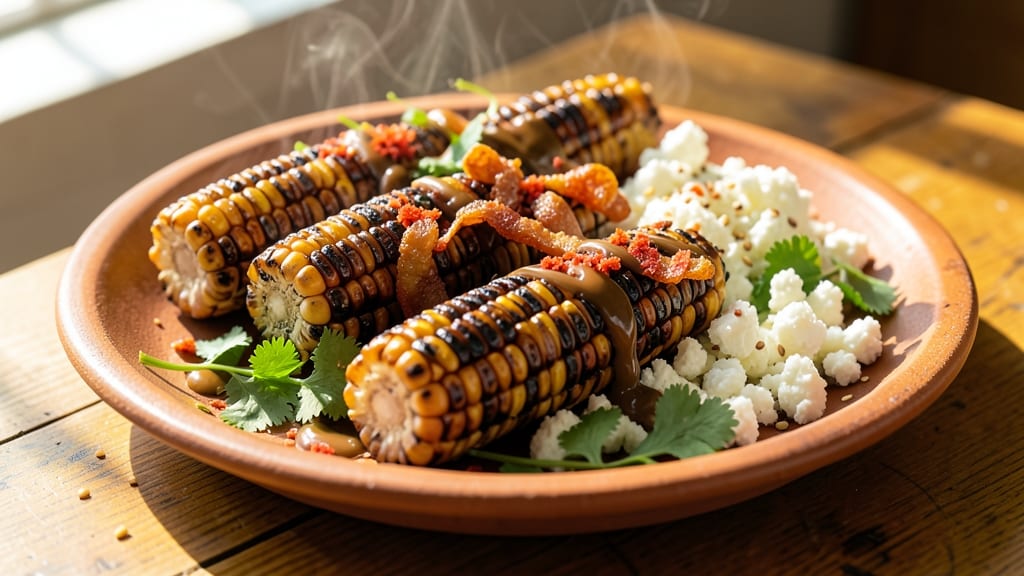
The best cheese for elote recipe is queso fresco, crumbled for a bright, tangy bite, but Oaxaca cheese or Monterey Jack work well when melted. Avoid pre-shredded cheeses—they contain anti-caking agents that prevent proper melting. For extra creaminess, blend queso fresco with a touch of sour cream or Mexican crema.
The crumbly texture of queso fresco isn't just about tradition—it creates a perfect contrast with elote's sweet corn and smoky chiles. 🔥 This fresh cheese adds a bright, salty bite that cuts through the richness, while its lower fat content keeps the dish light.
For those who prefer melted cheese, Oaxaca's stringy texture or Monterey Jack's mild creaminess work beautifully when warmed, though they lack queso fresco's signature tang.
What many home cooks overlook is how pre-shredded cheeses ruin the experience—the anti-caking agents create a rubbery, grainy mess instead of the velvety melt you want.
I've found that blending queso fresco with a spoonful of Mexican crema not only adds creaminess but also enhances the dish's overall depth, making every bite more complex and satisfying.
💡 In This Article
- Why Queso Fresco Dominates Elote Cheese Pairings
- Melting Test: Top 5 Elote Cheeses Ranked by Performance
Why queso fresco dominates elote cheese pairings
Queso fresco's dominance in elote stems from its unique cultural role and textural magic. This fresh cheese, with its 25-30% fat content, delivers a salty, slightly tangy crunch that contrasts perfectly with the sweet, charred corn.
The mild acidity in queso fresco also balances elote's richness, creating a harmonious flavor profile that's been perfected over generations in Mexican street food culture. 🔥 Unlike aged cheeses, its low moisture content (about 50% water) means it won't make your elote soggy while adding that essential salty bite.
The science behind this pairing involves fat distribution and protein structure. Queso fresco's granular texture comes from its high casein content (about 28% of dry matter), which creates those perfect little crumbles that melt just enough to coat each kernel without disappearing.
Compare this to Chihuahua cheese, which has 35% fat but melts too completely, losing that crucial textural contrast. The fat in queso fresco also helps carry the dish's smoky flavors from the grill or comal, creating a more cohesive bite.
For those who prefer melted cheese options, Oaxaca cheese's 30% fat content and stringy texture work beautifully when warmed, but it lacks queso fresco's signature tang.
The key difference is in their protein structures: Oaxaca's sodium caseinate content makes it stretchier, while queso fresco's calcium caseinate gives it that sharp, salty edge. 💫 This is why traditional elote recipes call for both—queso fresco for crunch and maybe a sprinkle of melted Oaxaca for creaminess in the same dish.
What most people don't realize is how queso fresco's pH level (around 5.2-5.5) interacts with the corn's natural sugars. The slight acidity enhances the caramelization process when grilled, creating those beautiful golden spots on your elote.
This chemical reaction is what gives authentic street elote its complex flavor profile—something you won't get with milder cheeses like Monterey Jack, which has a neutral pH of about 6.0.
Consider these key factors when choosing your cheese:
- Texture contrast: Queso fresco's crunch vs. elote's softness creates the perfect bite
- Fat content: 25-35% range works best—too little and it won't melt properly
- Acidity level: Slight tang enhances sweetness (queso fresco wins here)
- Melting behavior: String cheese (Oaxaca) melts beautifully but loses texture
The traditional approach of using queso fresco isn't just about taste—it's about creating a complete eating experience. That first crunch, followed by the salty tang, then the sweet corn, and finally the smoky chile—each element builds on the last.
This layered approach is why queso fresco remains the gold standard, though I always keep a block of Oaxaca on hand for those who prefer melted cheese. 🌟