
Appetizers
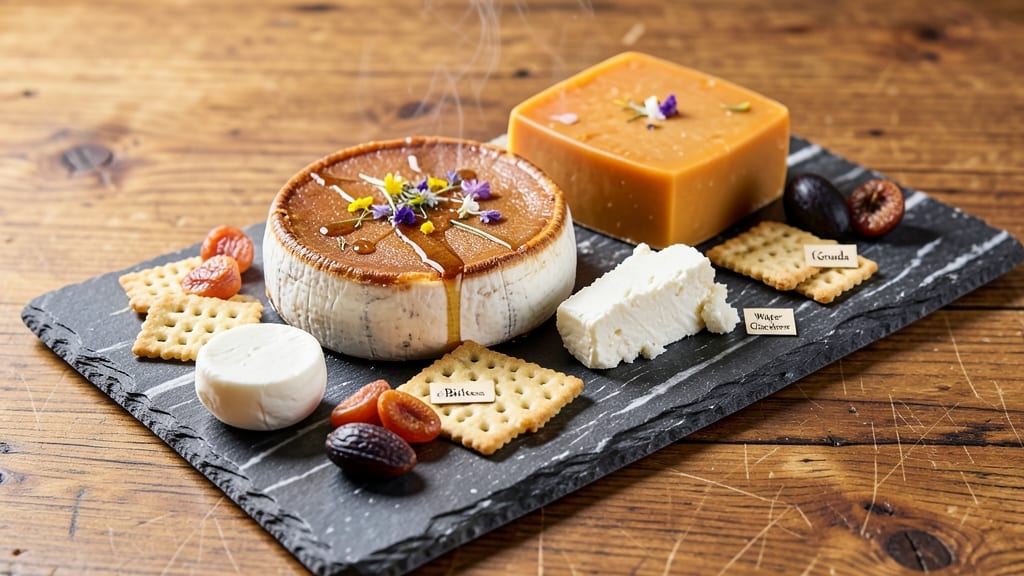
Creating a cheese board recipe that wows guests starts with balancing bold flavors and textures—this masterpiece combines creamy cheeses, crisp accompaniments, and strategic pairings for a cohesive bite every time.
The key lies in selecting cheeses with varying textures (soft, hard, crumbly) and complementary flavors (nutty, tangy, sweet) that harmonize when tasted together. I’ve tested countless combinations, and this arrangement ensures no two bites feel repetitive while keeping prep simple.
This cheese board builds on a five-cheese foundation—think brie for creaminess, aged cheddar for sharpness, goat cheese for tang, gouda for caramelized depth, and a fresh mozzarella for brightness—each cut into uniform slices for easy serving.
Pair them with three textures: buttery crackers for crunch, honey-dipped fruit for freshness, and marinated olives for briny contrast. The secret? Arrange cheeses in a color gradient (light to dark) and scatter accompaniments like edible flowers or nuts to guide guests’ eyes through the board.
What you’ll end up with is a visually stunning spread that’s as delicious as it is impressive—creamy brie melts on warm crackers, sharp cheddar cuts through sweet figs, and tangy goat cheese balances rich cured meats.
Every bite delivers a perfect harmony of flavors and textures, proving that even the simplest cheese board can feel like a gourmet experience. Whether hosting a holiday gathering or a casual weekend brunch, this board delivers effortless elegance.
The best part? No-fail pairings mean you can’t go wrong—just follow the ratio of 1:2 (cheese to accompaniments) and trust the flavor balance. For an extra touch, add a drizzle of honey or a sprinkle of flaky salt to elevate the presentation.
Now let’s build this charcuterie masterpiece step by step.
Ingredients for cheese board
Eight cheeses, three textures, and a few extra touches—this board balances flavors like a pro.
| Ingredient | Amount | Notes |
|---|---|---|
| Brie Cheese 🧀 | 8 oz | Rind removed, sliced 1/4-inch thick |
| Aged Cheddar Cheese 🧀 | 8 oz | Extra sharp, sliced 1/4-inch thick |
| Goat Cheese 🧀 | 6 oz | Fresh, crumbled or sliced |
| Gouda Cheese 🧀 | 8 oz | Aged, sliced 1/4-inch thick |
| Fresh Mozzarella Cheese 🧀 | 6 oz | Drained, sliced 1/4-inch thick |
| Water Crackers 🍞 | 2 packages | Assorted shapes for texture |
| Marinated Olives 🫒 | 1 cup | Mixed variety, pitted |
| Honey-Dipped Figs 🍇 | 8 whole | Fresh figs, halved, drizzled with honey |
| Almonds 🥜 | ½ cup | Sliced, lightly toasted |
| Edible Flowers 🌸 | ¼ cup | For garnish (optional) |
| Flaky Sea Salt 🧂 | 2 tbsp | Diamond Crystal preferred |
| Extra-Virgin Olive Oil 🫒 | ¼ cup | For drizzling |
| Prosciutto 🍖 | 4 oz | Thinly sliced, optional |
| Dark Chocolate 🍫 | 4 oz | 70% cocoa, chopped |
The cheeses are the stars, so don’t skimp on quality. Whole Foods or Trader Joe's carry excellent options, but local specialty shops often have better selections. For brie, look for a rind that’s creamy white with minimal cracks—that’s your sign of freshness. Aged cheddar should have crystalized sugar on the rind, indicating proper aging. Goat cheese can vary wildly—stick with brands like Murray’s or Crofter’s for consistent tang. The mozzarella needs to be fresh, not pre-shredded—those little packets are a flavor crime. If you’re feeling fancy, grab a wedge of Taleggio instead of brie for extra funk.
No aged gouda? Smoked gouda works too, though it’ll add a different depth. Running low on goat cheese? Fresh feta at half the amount gives similar tang. Crackers missing? Baguette slices or rice crackers add different textures. The olives can be swapped for cornichons or pickled onions if you prefer. Figs too expensive? Grapes or berries work just as well. For a sweet touch, swap the chocolate for dried apricots or candied pecans. The prosciutto is optional but adds a salty, umami punch—skip it if you’re keeping it vegetarian.
Cheeses keep best in the fridge, wrapped in parchment paper (not plastic). Use within 2 weeks for peak flavor. The crackers and nuts stay fresh in airtight containers for 1 month. For a last-minute touch, arrange everything on a slate board or wooden tray—it makes the spread look instantly elevated. Serve at room temperature so the cheeses soften slightly. Leftovers? Portion into small containers for easy grab-and-go snacks.
Why You'll Love This Recipe
- No-Cook Magic: I swear by this—just arrange the cheeses (Brie, aged cheddar, goat cheese, Gouda, fresh mozzarella) on a board with crackers and honey, and you’ve got dinner. Zero heat, zero mess, just pure satisfaction. My lazy Sundays now have a hero.
- Flavor Party: That creamy Brie melting alongside the sharp cheddar and tangy goat cheese? It’s like a cheese tasting tour in one bite. I’ll be real: the mozzarella pulls the whole thing together with its fresh brightness—every slice feels like a little flavor victory.
- Weeknight Crowd-Pleaser: Hosting friends who “don’t like cheese”? This board changes minds. The Gouda’s nutty depth and the mozzarella’s mild sweetness make it approachable, while the Brie and goat cheese keep things exciting. I’ve fed six people with leftovers for lunch—zero complaints.
- Budget Flexibility: Aged cheddar lasts weeks, Brie stays fresh for days, and I stretch the goat cheese by pairing it with fruit instead of just crackers. Honestly, I’ve built entire meals around the scraps—think cheese toast or pasta toppings. It’s my wallet’s best friend.
Step-by-step instructions for charcuterie masterpiece with no-fail pairings
Here's how to assemble a visually stunning, flavor-packed cheese board that balances textures and tastes perfectly.
Prepare and Arrange the Cheese Selection
Begin by arranging all the sliced cheeses in an organized yet artful pattern on your serving board. Place the 8 oz Brie Cheese and 8 oz Aged Cheddar Cheese near the center as your foundation—their rich flavors will anchor the board. Position the 8 oz Gouda Cheese and 6 oz Fresh Mozzarella Cheese around them, creating a visual contrast with their different colors and textures. The 6 oz Goat Cheese should go in smaller portions, as it's more delicate and pairs beautifully with sweeter accompaniments.
I like to create a loose circular arrangement, leaving space between each cheese to prevent flavor overlap. The Goat Cheese should be placed slightly apart from the harder cheeses—its creaminess needs room to shine without being overwhelmed. Arrange the Goat Cheese in small dollops or slices, leaving space for the honey-dipped figs to nestle beside it later. This thoughtful placement ensures every bite offers a distinct experience while maintaining harmony across the board.
Add Crunchy and Salty Elements
Scatter the 2 packages Water Crackers around the board, focusing on creating clusters near the harder cheeses where their crunch will complement the rich, dense textures. The 0.5 cup Almonds should be lightly toasted first—just until fragrant and golden—then sprinkled strategically. I place them in small piles near the Gouda Cheese and Aged Cheddar Cheese, where their nutty flavor will enhance the caramelized notes.
Now for the salty accents: Sprinkle the 2 tbsp Flaky Sea Salt lightly over the board, focusing on areas where the cheeses and crackers are densest. The salt should be visible but not overwhelming—think of it as a finishing touch that heightens all the other flavors. A few pinches near the Prosciutto and Marinated Olives will create perfect contrast with their savory profiles. The salt crystals should catch the light, adding visual interest while preparing your palate for each bite.
Incorporate Fresh and Sweet Components
Gently place the 8 whole Honey-Dipped Figs around the board, positioning them near the Goat Cheese and Brie Cheese where their natural sweetness will complement the creamy textures. The honey drizzle should face outward to catch the light and add a decorative touch. Next, arrange the 1 cup Marinated Olives in small clusters, focusing on areas with harder cheeses where their briny notes will cut through the richness.
For the final fresh element, sprinkle the 0.25 cup Edible Flowers lightly over the board, focusing on the top and edges where they'll add a delicate pop of color. These should be used sparingly—they're purely decorative and shouldn't overpower the other components. The flowers should look like they've been casually placed, as if you've just finished arranging everything. This step transforms your board from simply functional to visually stunning, making it as beautiful as it is delicious.
Add Finishing Touches and Garnishes
Drizzle the 0.25 cup Extra-Virgin Olive Oil in thin, artistic lines connecting different elements of the board. I create gentle arcs between cheeses and figs, allowing the oil to pool slightly in the crevices. This not only adds visual interest but also provides an additional flavor element that enhances each component when dipped.
Finally, arrange the 4 oz Prosciutto in delicate folds, placing it near the Brie Cheese and Gouda Cheese where its salty, meaty notes will complement the creamy textures. The 4 oz Dark Chocolate, chopped into small pieces, should be placed near the sweeter elements like the Honey-Dipped Figs and Goat Cheese. This creates a perfect balance of rich, savory, and sweet flavors throughout the board. The chocolate should be scattered lightly—just enough to suggest its presence without overwhelming the other components.
Pro Tips For Making Cheese Board
- Let Brie Breathe: Take the Brie out of the fridge 30 minutes before serving—cold cheese is like a sad, rubbery party guest. Room temperature makes it creamy and spreadable, which is the whole point of putting it on a board in the first place.
- Skip the Knife for Goat: Goat cheese crumbles like a toddler’s sandcastle if you cut it. Scoop it out with a spoon or use your thumbs to break off chunks—less mess, more elegance, and zero wasted cheese.
- Age Cheddar Properly: If your aged cheddar tastes bland, it’s not the cheese—it’s the storage. Wrap it loosely in wax paper (not plastic) and let it breathe in the fridge for a week before using. The rind develops flavor, and the inside wakes up.
- Dry Mozzarella First: Fresh mozzarella sticks to everything like a clingy ex. Pat it dry with paper towels before slicing—wet cheese = soggy board, and nobody wants a watery cheese display. (Yes, even if you’re in a hurry.)
Wine and beer pairings for these flavors
White Wine Pairings
For this cheese board, I reach for dry white wines with enough acidity to cut through the richness. A Sauvignon Blanc from New Zealand—like Kim Crawford—is my go-to, with its crisp citrus and herbal notes that refresh your palate between bites of creamy brie and sharp cheddar.
If you prefer something lighter, a Pinot Grigio from Italy (try Santa Margherita) balances the board’s sweet and savory elements beautifully. 🍷
Red Wine Options
If you’re serving charcuterie with heavier cheeses like aged gouda or prosciutto, a light-bodied red works surprisingly well. I love a Pinot Noir from Oregon (like Domaine Serene)—its bright red fruit and earthy undertones complement the nutty cheddar and almonds without overpowering.
For a bolder choice, a Chianti Classico (such as Ruffino) adds tannins that stand up to the saltiness of cured meats.
Beer Pairings
A crisp lager like Peroni or Heineken cleanses the palate between rich bites, while a Belgian witbier (such as Hoegaarden) adds a peppery, citrusy contrast to the sweet honey-dipped figs.
For something heartier, a German Helles (like Weihenstephaner) pairs wonderfully with the gouda and prosciutto. Avoid heavy IPAs—they’ll clash with the delicate cheeses. 🍺
Non-Alcoholic Choices
Sparkling water with a splash of grapefruit juice mimics wine’s acidity, while ginger beer (like Feani) adds a spicy kick that cuts through the fat. For a dessert-like pairing, sparkling apple cider (such as Martinelli’s) enhances the sweet figs and chocolate.
A cold brew coffee with a dash of cinnamon also works surprisingly well for a savory board.
Pro Tips for Pairing
Serve wine slightly chilled (around 50°F) to enhance its crispness against the room-temperature cheeses. For beer, keep it 40-45°F to preserve its carbonation and flavor. I always serve beverages in small glasses or mugs—it keeps them refreshing and encourages guests to sample everything.
The key is balance: one sip, one bite to fully appreciate the harmony. ✨
Nutrition facts
Frequently asked questions
What’s the best cheese-to-accompaniment ratio for a perfect spread?
For an ideal balance, use a 1:2 ratio—that means 1 part cheese to 2 parts accompaniments (crackers, fruits, nuts, etc.). This prevents the board from being too heavy or too light. For example, if you have 32 oz of cheese, include 64 oz of accompaniments total. This ratio ensures every bite has variety without overwhelming the cheeses.
Can I make a cheese board without crackers?
Crackers are just one option for adding crunch. Swap them for baguette slices, rice crackers, pretzels, or even toasted bagel chips. The key is texture contrast—just ensure your alternatives can hold up to the cheeses without getting soggy. For a gluten-free option, try corn chips or seaweed snacks.
How do I keep my cheese board fresh for hours?
Place the board in a cool, shaded spot (not the fridge) to maintain room temperature. Cover it loosely with a clean kitchen towel to protect from dust and dehydration. For longer events, keep cheeses wrapped in parchment paper until serving, then transfer to the board. Avoid direct sunlight or heat sources—both can make cheeses melt or dry out too quickly.
What’s the easiest way to arrange cheeses for a beginner?
Start with a simple color gradient: place lighter cheeses (like brie or mozzarella) on one side and darker cheeses (aged cheddar or gouda) on the other. Arrange them in small piles or slices with space between each. For extra ease, use cheese knives or small bowls to section off different types. The goal is visual appeal without stress—no need for perfection!
Can I make a cheese board ahead of time?
Yes! Assemble everything 1-2 hours before serving and store it uncovered in the fridge. Let it sit at room temperature for 30 minutes before presenting so the cheeses soften slightly. For maximum freshness, arrange the board just before guests arrive—this keeps textures crisp and prevents soggy crackers. Prep accompaniments (like honey-drizzled fruits) separately and add them last.