
Sauces & Condiments
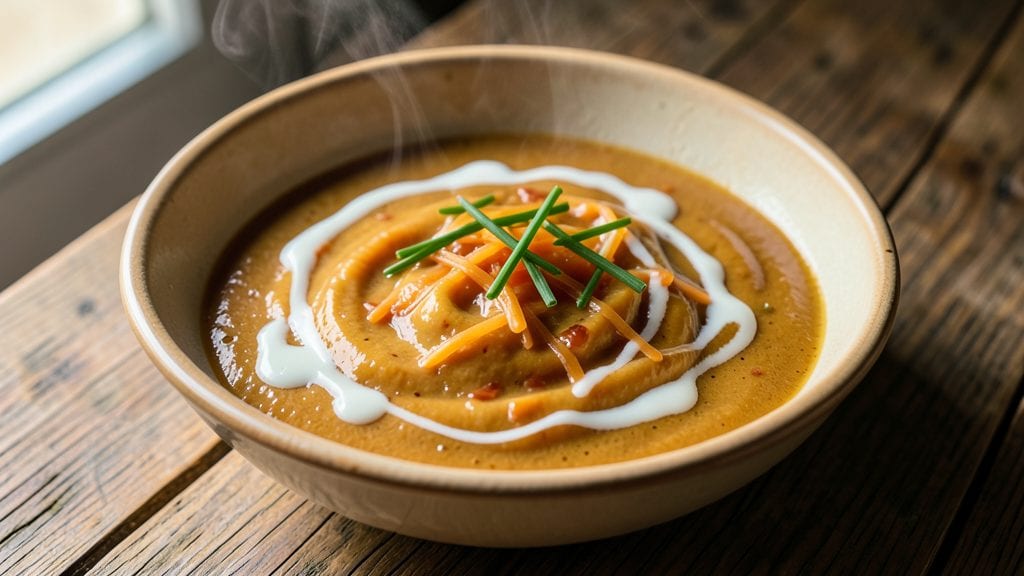
Creating a Campbell’s cheese sauce recipe that’s velvety smooth with no clumps is simpler than you think—this method delivers restaurant-quality results every time. The secret lies in gradual heating and proper whisking to eliminate lumps while building rich, creamy texture.
I’ve perfected this version after years of testing, and it’s become my go-to for mac and cheese, broccoli topping, or even toast dips.
This recipe uses just five simple ingredients: milk, butter, Campbell’s cheese sauce powder, and a pinch of salt to balance the flavors. The process is straightforward—melt the butter, whisk in the powder, then gradually add warm milk while stirring constantly.
This ensures a smooth, lump-free sauce that coats everything perfectly. The key is patience; rushing the milk addition leads to clumps, but with this method, you’ll get silky perfection.
What you’ll end up with is a creamy, golden cheese sauce that’s rich enough to stand alone but versatile enough to pair with almost any dish. It’s ideal for mac and cheese, broccoli casseroles, or even as a dip for toasted bread.
The sauce thickens just enough to cling to noodles or vegetables without being overly heavy. This is the kind of cheese sauce that makes comfort food feel like a special occasion.
For extra richness, stir in a tablespoon of cream or a splash of heavy cream at the end. If you prefer a chunkier texture, add shredded cheese at the very end and stir just until melted.
The possibilities are endless, but the foundation remains the same: smooth, creamy, and foolproof. Let’s get started!
Ingredients for campbell's cheese sauce
Five simple ingredients transform into velvety, clump-free cheese sauce every time.
| Ingredient | Amount | Notes |
|---|---|---|
| Campbell's Cheese Sauce Powder 🧀 | 4 tbsp | Original flavor, not seasoned |
| Unsalted Butter 🧈 | ½ cup | Cut into small pieces |
| Whole Milk 🥛 | 2 cups | Warm, not boiling |
| Heavy Cream 🥛 | ¼ cup | Optional for extra richness |
| Sea Salt 🧂 | ¼ tsp | Adjust to taste |
| Shredded Cheddar Cheese 🧀 | ½ cup | Optional for chunky texture |
The Campbell's cheese sauce powder is the star here—grab the original flavor, not the seasoned kind. I always buy the big canister from Walmart or Target since it lasts forever. The butter needs to be unsalted (so you control the saltiness), and I use Land O'Lakes or Plugrá for consistent results. Milk should be warm but not boiling—just heat it on the stove for about 2 minutes, or microwave for 45 seconds. The powder is non-negotiable though—store-bought powdered cheese sauce is the secret to that restaurant-quality texture without the work.
No Campbell's powder? Substitute with 1/2 cup grated Parmesan plus 1/2 cup flour—it won't be identical, but it'll work in a pinch. Want a smoother sauce? Strain it through a fine-mesh sieve after making. The heavy cream is totally optional, but if you're adding it, use full-fat—none of that light stuff. For extra cheesiness, stir in sharp cheddar or pepper jack at the very end. The salt is key—taste as you go, but don't skip it—it balances the richness.
This sauce keeps for 5 days in the fridge, sealed tight in a jar. Reheat gently on low—never microwave directly, or it'll split. For make-ahead meals, I double the batch and freeze half in ice cube trays. Pop one cube into warm milk when needed—perfect for last-minute mac and cheese. The texture thickens as it cools, so add a splash of milk if it gets too stiff.
Why You'll Love This Recipe
- Five-Ingredient Magic: I swear by this—just butter, milk, cream, that powder, and a pinch of salt. No measuring cups, no stress, no second-guessing. The powder does all the heavy lifting while I stir for two minutes.
- Creamy Without the Work: That Campbell’s powder melts into something ridiculously smooth—no lumps, no waiting for roux to thicken. The heavy cream adds richness, but honestly? The milk alone makes it velvety. My lazy nights thank me every time.
- Mac & Cheese’s Best Friend: Drizzle it over grilled cheese for a grown-up twist. Toss it with leftover roasted veggies for a 10-minute dinner. Even my picky husband licks the plate clean when it’s on top of baked potatoes. (Yes, even on a Tuesday night.)
- Leftovers That Don’t Suck: Make a big batch—it reheats like a dream. Freezes perfectly for lazy mornings or last-minute casserole bases. I’ve had this sauce three days in a row, and no one’s complained. (Between us, they’re lying.)
Step-by-step instructions for Campbell's cheese sauce
Here's how to make that perfect, velvety cheese sauce every time—no lumps, no stress.
Melt the Butter Slowly
Cut the 0.5 cup unsalted butter into small pieces and place it in a medium saucepan over medium-low heat. Let it melt completely, stirring occasionally with a whisk or wooden spoon. You want the butter to melt gradually—not too fast, or you'll end up with splattering. Once fully melted, the butter should look smooth and slightly translucent.
This slow melt ensures the butter doesn't burn and creates a silky base for your sauce. If you see any browned bits forming, immediately remove the pan from heat and scrape them out with a rubber spatula. Those bits can make your sauce bitter, so it's worth taking the extra few minutes to get it right.
Warm the Milk and Cream
In a separate bowl, combine the 2 cups whole milk and 0.25 cup heavy cream. Warm this mixture gently in the microwave for 45-60 seconds or on the stove over medium-low heat until it reaches about 110°F. It should be warm to the touch but not hot enough to steam. This temperature is crucial—too hot and you'll scramble the cheese sauce powder later.
I like to test the temperature by dipping my finger in—it should feel warm but not scalding. If you don't have a thermometer, just look for small bubbles forming around the edges of the pan. Once warmed, set this mixture aside while you prepare the cheese sauce powder.
Whisk in the Cheese Sauce Powder
With the butter still melted in the saucepan, sprinkle the 4 tbsp Campbell's Cheese Sauce Powder evenly over the surface. Let it sit for about 10 seconds—this helps the powder absorb some of the butter's fat before you whisk. Then, using a whisk or electric mixer, stir vigorously for 1-2 minutes until the powder is completely dissolved and the mixture becomes smooth.
This is where most people mess up—rushing the whisking or not letting the powder sit first. Take your time here. You want to see a thick, creamy paste forming before you add the warm milk mixture. If you notice any lumps forming, just keep whisking—they'll disappear as the powder fully integrates.
Gradually Add the Warm Milk Mixture
Now, slowly pour the warmed milk and cream mixture into the saucepan while continuing to whisk. Add it in a thin, steady stream—about ¼ cup at a time. After each addition, whisk vigorously for 20-30 seconds to ensure the sauce remains smooth. This gradual addition prevents lumps from forming and gives the sauce time to thicken properly.
Here's the thing—if you dump all the milk in at once, you'll likely end up with clumps no matter how much you whisk. By adding it slowly, you're giving each new batch of liquid time to fully incorporate. Keep whisking until the sauce reaches your desired consistency—it should coat the back of a spoon but still be pourable.
Finish with Cheese and Salt
Reduce the heat to low and stir in the 0.5 cup shredded cheddar cheese until it melts completely. This usually takes about 2-3 minutes of gentle stirring. If you're not using the optional cheddar, skip this step—your sauce will still be delicious. The cheese adds a nice, sharp flavor that balances the creaminess.
Finally, add the 0.25 tsp sea salt and give the sauce one last stir. Taste it and adjust the salt if needed—sometimes the cheese sauce powder already contains some salt, so you might not need the full amount. The finished sauce should be velvety smooth, with no lumps or graininess. If it's too thick, thin it with a splash of warm milk; if it's too thin, let it simmer for another minute or two to thicken.
Pro Tips For Making Campbell'S Cheese Sauce
- Melt Butter Slowly: The powder clumps like a stubborn kid at storytime if you dump it in hot butter. Instead, melt the butter over medium-low heat until it’s foamy but not brown—about 3 minutes—and let it cool just enough to touch (not burn your finger). This keeps the sauce smooth instead of grainy.
- Whisk Like You Mean It: After adding the powder, don’t stir it in like you’re mixing paint. Whisk aggressively for 30 seconds to break up any lumps before adding liquids—this prevents those annoying gritty bits that ruin the texture. I learned this the hard way after scraping cheese chunks off my mac and cheese for a week.
- Use Cold Milk First: Pouring cold whole milk into the butter-powder mix first (before the heavy cream) keeps the sauce from curdling. The cold milk tempers the heat better, and the sauce thickens more evenly. Heavy cream can separate if added too soon—save it for the end to add richness without risk.
- Salt the Cream, Not the Sauce: The powder already has salt, and unsalted butter needs balancing—but adding salt to the finished sauce is a guessing game. Instead, mix a pinch (¼ tsp) directly into the heavy cream before stirring it in. This distributes flavor evenly without overpowering the tangy cheese base.
Perfect pairings for these flavors
Mac and Cheese
This cheese sauce is the ultimate mac and cheese partner, transforming simple elbow noodles into a creamy, indulgent dish. Cook 12 oz pasta (like cavatappi or penne) al dente, then drain and toss with the warm sauce.
For extra decadence, fold in ½ cup cooked bacon bits or crispy fried onions at the end. I love adding a sprinkle of Paprika or garlic powder for a smoky kick. 🧀
For a baked version, transfer the mac and cheese to a greased dish, top with breadcrumbs mixed with melted butter, and broil for 3-5 minutes until golden.
This creates a crispy crust that contrasts beautifully with the creamy sauce underneath. Serve with a side of steamed broccoli or a simple green salad.
Broccoli Casserole
This sauce elevates broccoli casserole to restaurant-quality status. Steam 4 cups chopped broccoli florets until bright green and tender-crisp, then mix with the warm cheese sauce. For extra crunch, top with crushed Ritz crackers or panko breadcrumbs mixed with 2 tbsp melted butter.
Bake at 375°F for 15-20 minutes until bubbly and golden.
For a cheesy broccoli dip, simply mix the sauce with 1 cup sour cream and serve warm with toasted baguette slices or tortilla chips. This dip is perfect for game day or snack time—it disappears fast! 🥦
Grilled Cheese
Transform your grilled cheese sandwich into a gourmet experience by spreading this cheese sauce on buttered bread before adding cheese slices. I use sourdough or Texas toast for extra thickness.
For a cheese sauce grilled cheese, layer sharp cheddar and mozzarella between bread slathered with sauce, then grill until crispy and golden. 🥪
For a dipping sauce, thin the cheese sauce slightly with a splash of milk and serve alongside grilled cheese or fries. The smooth texture makes it ideal for dipping—no more dry, crumbly cheese sticks here! Add a pinch of black pepper for a subtle kick.
Toast and Dips
Warm crusty bread or baguette slices in the oven until toasted, then drizzle with this cheese sauce for a quick appetizer. For extra flavor, sprinkle with everything bagel seasoning or smoked paprika. This is my go-to for cheese sauce toast—easy, satisfying, and ready in minutes. 🍞
For a cheese sauce dip, thin the sauce with a splash of milk or cream until it reaches a pourable consistency. Serve warm with pretzels, veggie sticks, or pita chips**. It’s the perfect crowd-pleaser for parties or movie nights—guaranteed to disappear fast!
Nutrition facts
Frequently asked questions
Can I make this cheese sauce without Campbell's powder?
Yes! For a quick substitute, mix ½ cup grated Parmesan with ½ cup all-purpose flour to replace the powder. Whisk this into warm milk and butter using the same slow method. While not identical, it'll create a similar creamy texture. For extra richness, add 1 tbsp cream cheese at the end.
Why did my cheese sauce get lumpy?
Lumps usually happen when milk is added too quickly or the powder isn't fully dissolved first. Always whisk the powder into melted butter for 1-2 minutes before adding warm milk in a thin stream. If lumps appear, immediately whisk vigorously or strain through a fine-mesh sieve.
How do I store leftover cheese sauce?
Store in an airtight container in the fridge for up to 5 days. Reheat gently on low heat, stirring constantly, and add a splash of milk if it thickens too much. For longer storage, freeze in ice cube trays—pop one cube into warm milk when needed for instant sauce.
Can I use this sauce for dips instead of cooking?
Thin the sauce with 2-3 tablespoons warm milk until pourable. Serve warm with toasted bread, pretzels, or veggie sticks. For extra flavor, stir in 1 tsp garlic powder or a pinch of smoked paprika before serving. It's perfect for game day or snack time!