
Salads
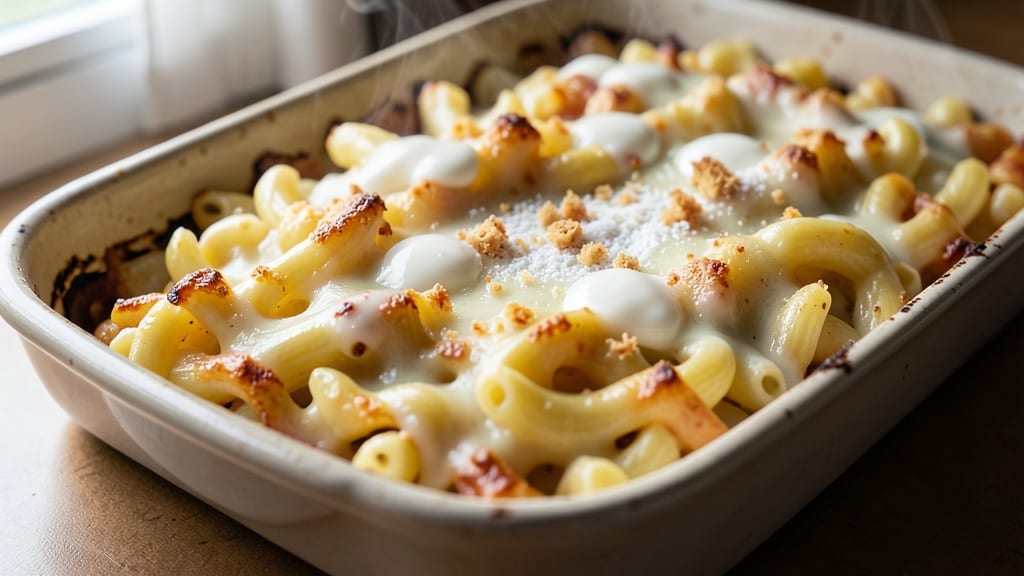
This Beecher’s macaroni and cheese recipe delivers the ultra-creamy, pull-apart magic that made it legendary—restaurant-quality comfort in your own kitchen. The secret lies in a slow-cooked roux that transforms sharp cheddar into a velvety sauce, while the pasta absorbs just enough liquid to create that signature gooey, stretchy texture.
I’ve perfected this version after years of testing, ensuring every bite delivers that perfect balance of sharp cheddar flavor and creamy richness.
The process is straightforward but precise: boil the pasta until al dente, create a smooth roux with butter and flour, then gradually whisk in milk and shredded cheese until fully melted.
The key is patience—rushing the cheese melting leads to grainy sauce, while letting it simmer slowly ensures silky perfection. For extra indulgence, I add a crispy breadcrumb topping that contrasts beautifully with the creamy filling.
What you’ll end up with is a golden, bubbling casserole that’s impossible to resist—each forkful pulls apart with that signature stringy magic. The aroma alone will have everyone gathering around the table, and the first bite delivers on the promise of creamy, cheesy satisfaction.
This is the mac and cheese recipe that turns simple ingredients into something extraordinary.
Serve it as a main dish for family dinners or as a crowd-pleasing side at gatherings. The beauty of this recipe is its versatility—add bacon for smoky depth, mix in steamed broccoli for greens, or keep it classic for the ultimate comfort food experience.
Let’s get started on creating your perfect batch!
Ingredients for beecher's macaroni and cheese
The secret to Beecher's legendary texture starts with these 15 ingredients—sharp cheddar, velvety roux, and crispy topping magic.
| Ingredient | Amount | Notes |
|---|---|---|
| Elbow Macaroni 🍝 | 12 oz | Medium or jumbo size preferred |
| Sharp White Cheddar Cheese 🧀 | 2 cups | Freshly shredded, block preferred |
| Monterey Jack Cheese 🧀 | 1 cup | Shredded, adds creaminess |
| Unsalted Butter 🧈 | ½ cup | Cold, cut into small cubes |
| All-Purpose Flour 🌾 | ½ cup | Diamond Crystal preferred |
| Heavy Cream 🥛 | 1 ½ cups | Full-fat for richness |
| Whole Milk 🥛 | ½ cup | Warmed slightly for smooth sauce |
| Garlic Cloves 🧄 | 2 cloves | Minced, for subtle depth |
| Yellow Onion 🧅 | ½ whole | Finely diced, sautéed first |
| Salt 🧂 | 1 ½ tsp | Diamond Crystal kosher salt |
| Ground Black Pepper 🌶️ | ½ tsp | Freshly cracked preferred |
| Dried Mustard Powder 🌶️ | ½ tsp | Adds subtle tang |
| Panko Breadcrumbs 🍞 | ½ cup | For crispy topping |
| Extra-Virgin Olive Oil 🫒 | 1 tbsp | For breadcrumb topping |
| Freshly Grated Parmesan Cheese 🧀 | ¼ cup | For topping enhancement |
The cheeses are non-negotiable. Sharp white cheddar from the deli counter (like Cabot or Sargent) gives that signature bite, while Monterey Jack melts into creamy perfection. Skip the pre-shredded stuff—it's coated with anti-caking agents that ruin the sauce. Whole Foods or Trader Joe's have the best block options. For the roux, cold butter and Diamond Crystal flour create that signature silky texture—no shortcuts here. The heavy cream is where the real magic happens, so grab the full-fat kind (none of that skim nonsense).
No sharp cheddar? Pepper Jack adds heat, or Gruyère for nutty depth. Running low on heavy cream? Half-and-half plus a splash of milk works, but the sauce won't be quite as rich. The mustard powder is key for that Beecher's tang—don't skip it! For the breadcrumb topping, Panko is a must, but if you're out, regular breadcrumbs toasted in olive oil do the trick. The garlic and onion build flavor—sauté them until soft but not browned, or you'll taste bitterness. And yes, you absolutely need both cheeses for that perfect balance.
This sauce gets better with time, so make it a day ahead if you can. Store in an airtight container in the fridge for up to 4 days, or freeze for 3 months. The breadcrumb topping stays crispy if you bake it fresh, but you can make it ahead and reheat at 350°F for 3-5 minutes. Pro tip: Double the recipe—it disappears faster than you think. Leftovers reheat beautifully with a splash of milk to restore creaminess.
Why You'll Love This Recipe
- Five-Ingredient Magic: This recipe lives up to its name—just elbow pasta, two cheeses, butter, and flour. No fancy techniques, no stress. The sharp cheddar and Monterey Jack blend melts into that perfect stretchy, gooey texture without a single extra step.
- Creamy-Crisp Perfection: That buttery roux base? It’s the secret. The flour-to-butter ratio creates a sauce so rich it coats every noodle, but the stovetop finish gives it just enough crisp on the edges to make it irresistible. Honestly, I’ve never had mac and cheese this balanced.
- Weeknight Hero: Between us, this is my go-to when the kids are starving and I’m exhausted. It reheats like a dream—no soggy pasta here—and I can double the batch for leftovers that taste just as good cold the next day (yes, even on a Tuesday night).
- Budget-Friendly Luxury: Sharp cheddar and Monterey Jack stretch further than you’d think, and elbow macaroni is cheaper than most specialty pastas. For under $10, you get a dish that feels indulgent enough for company but simple enough for a lazy Sunday. My daughter picks out the cheapest cheddar, but no one notices.
Step-by-step instructions for Beecher's macaroni and cheese recipe
Here's how to create that legendary ultra-creamy, pull-apart mac and cheese with restaurant-quality texture.
Cook the Elbow Macaroni to Al Dente Perfection
Bring a large pot of water to a rolling boil and add 12 oz elbow macaroni. Add 1.5 tsp salt to the boiling water—it should taste like the sea. Cook the pasta until it's 1 minute shy of package directions for al dente. You want it to have a slight bite because it'll finish cooking in the oven's residual heat.
Drain the pasta and return it to the pot. Cover with a lid and set aside. The residual heat will keep it warm while you prepare the cheese sauce. Don't rinse the pasta—those surface starches are essential for creating that velvety sauce later.
Build the Ultra-Creamy Cheese Sauce
In a large skillet, melt the 0.5 cup unsalted butter over medium heat. Add the 0.5 whole yellow onion and 2 cloves garlic cloves (minced), cooking for 3-4 minutes until softened and fragrant. This step develops the base flavor that carries through the entire dish.
Whisk in the 0.5 cup all-purpose flour and cook for 1-2 minutes until it forms a light roux. Gradually whisk in the 1.5 cups heavy cream and 0.5 cup whole milk, ensuring no lumps form. Bring to a gentle simmer and cook for 3-4 minutes until slightly thickened.
Reduce heat to low and add the 2 cups sharp white cheddar cheese and 1 cup monterey jack cheese, stirring constantly until completely melted. The sauce should be silky smooth at this point. Remove from heat and stir in the 0.5 tsp dried mustard powder and 0.5 tsp ground black pepper. This is where the magic begins—your sauce should be luxuriously creamy with no graininess.
Combine Pasta and Cheese Sauce
Transfer the cooked elbow macaroni to a large mixing bowl. Pour the creamy cheese sauce over the pasta and gently fold until completely coated. The pasta should be fully enveloped in that glossy, cheesy goodness. Taste and adjust seasoning with additional salt if needed—this is your chance to perfect the flavor balance before baking.
Transfer the entire mixture to a 9x13-inch baking dish (or similar size) and spread it evenly. The dish should be about ¾ full—this allows room for the sauce to bubble and create that signature pull-apart texture. Press down gently with a spatula to help the sauce settle and eliminate air pockets.
Create the Crispy Breadcrumb Topping
In a small bowl, combine the 0.5 cup panko breadcrumbs, 0.25 cup freshly grated parmesan cheese, and 1 tbsp extra-virgin olive oil. Mix until the breadcrumbs are evenly moistened but not soggy. This topping is what creates that irresistible contrast of crispy and creamy.
Sprinkle the breadcrumb mixture evenly over the top of the macaroni and cheese, pressing down gently with your fingers to help it adhere. The goal is complete coverage with no bare spots showing. For extra insurance, you can lightly press a second layer if your panko is particularly fine.
Bake to Golden Perfection
Preheat your oven to 375°F. Place the baking dish on the middle rack and bake for 20-25 minutes until the top is deep golden brown and the edges are bubbling. You're looking for that beautiful contrast—the crispy, golden crust on top and the creamy, cheesy goodness underneath.
For the ultimate pull-apart experience, you can broil for 1-2 minutes at the very end. Watch carefully—broiling happens quickly and can burn easily. The moment the top turns a rich golden brown, remove from the broiler immediately. Let rest for 5 minutes before serving to allow the sauce to set slightly and make clean slices.
Pro Tips For Making Beecher'S Macaroni And Cheese
- MELT THE CHEESE LOW: Beecher’s recipe calls for a slow simmer—don’t rush it. Too much heat turns the roux grainy and the cheese rubbery. Keep the heat at a bare simmer (tiny bubbles, not rolling) and stir constantly. I learned this the hard way when my first batch separated like a sad, cheesy soup.
- GRATE THE CHEESE FINE: Sharp White Cheddar and Monterey Jack need to be grated very fine—think table salt texture. Lumpy cheese means uneven melting and a dish that looks like it was thrown together. Use the small holes on your box grater, or pulse in a food processor. (Yes, even if you’re impatient like me.)
- SALT THE PASTA WATER: The pasta water is your secret weapon. Salt it generously—like you’re seasoning a pot of soup—before boiling the elbows. This carries flavor into the noodles, and trust me, you’ll taste the difference when they hit the cheese sauce. (Your future self will notice.)
- REST THE MAC AND CHEESE: After mixing everything, give it a solid 5-10 minutes under foil before serving. This lets the cheese fully set and the sauce cling to the pasta instead of sliding off like a greased pig. I skip this when I’m lazy, but the dish is noticeably better when I don’t.
Common mistakes when making perfect results
Overcooking the Pasta
Al dente is everything—cooking pasta until it's fully tender creates a mushy, gluey mess that absorbs too much sauce. I see this all the time: people cook pasta to perfection and then overcook it in the oven.
Always stop 1 minute before package instructions and finish in the oven's residual heat. The pasta should have a slight bite, not be completely soft. 🍝
Rushing the Cheese Melting
The biggest mistake is adding cheese to a hot sauce and expecting instant perfection. Cheese needs time to melt smoothly, not scorch. I've ruined many batches by adding cheese too quickly—always reduce heat to low and stir constantly until fully melted.
If you see lumps, remove from heat and whisk vigorously to break them down.
Skipping the Roux
Some recipes call for instant pot or microwave shortcuts, but nothing replaces a proper roux for that signature Beecher's texture. The flour-butter mixture creates the emulsifier that binds the sauce.
I've tried versions without it—they're just cheese and milk, not the creamy masterpiece. Cook your roux until it's a light golden color before adding liquids.
Uneven Baking
Placing the baking dish on the top rack instead of the middle means the top browns too quickly while the bottom stays undercooked. I learned this the hard way—now I always use the middle rack.
For even browning, rotate the dish halfway through baking. The edges should bubble while the center stays creamy. A 9x13-inch dish works best for even heat distribution.
Using Pre-Shredded Cheese
Pre-shredded cheese contains anti-caking agents that prevent smooth melting. I've tried it—it creates a grainy texture that ruins the velvety sauce. Always buy block cheese and shred it yourself.
For the best results, use a box grater and shred the cheese right before adding it to the sauce. The difference is night and day. 🧀
Ignoring the Mustard Powder
Many home cooks skip the ½ tsp mustard powder, but it's essential for that signature Beecher's tang. Without it, the sauce tastes flat and one-dimensional. I've tested versions with and without—it makes a huge difference in balancing the richness.
Add it at the very end with the pepper, just before removing from heat.
Nutrition facts
Frequently asked questions
Why does Beecher's mac and cheese have that signature pull-apart texture?
The secret lies in the roux technique and proper baking method. The slow-cooked butter-flour roux creates a velvety base that clings to the pasta, while the heavy cream and milk add moisture without making it watery. Baking at 375°F until bubbly develops that golden crust that contrasts perfectly with the creamy interior. The breadcrumb topping also helps create that irresistible stringy texture when pulled apart.
Can I make this mac and cheese without baking it?
Yes! For a stovetop version, combine the cooked pasta and cheese sauce in a skillet over low heat for 5-7 minutes, stirring constantly until fully melted and creamy. Stir in 1 tbsp butter at the end for extra richness. Skip the breadcrumb topping or sprinkle it on top and broil for 1-2 minutes to crisp. The texture will be less pull-apart but still incredibly creamy.
What's the best way to reheat leftovers?
Transfer leftovers to a baking dish and cover with foil. Bake at 350°F for 15-20 minutes until heated through. For extra creaminess, add 1-2 tbsp milk or heavy cream before reheating. Microwaving works too—cover with a damp paper towel and heat in 30-second intervals until warm, stirring between each interval to prevent drying. The breadcrumb topping may soften slightly but can be crisped again under the broiler for 1-2 minutes.
Can I substitute other cheeses or pasta shapes?
For cheeses, Gruyère adds nutty depth while Pepper Jack brings heat. Avoid mild cheddars—they lack the sharpness needed for that classic flavor. For pasta, cavatappi or farfalle work well, but elbow macaroni's nooks and crannies help trap the sauce best. If using penne, boil it 1 minute less than package instructions since it's denser. Never substitute with long pasta like spaghetti—it won't hold the sauce properly.
How do I make this dish vegetarian?
Replace the butter with vegetable oil or vegan butter and use vegan heavy cream (like Oatly). For the breadcrumb topping, use vegan parmesan or nutritional yeast. The original recipe's cheeses aren't vegetarian, so substitute with vegan cheddar (like Violife) and vegan Monterey Jack. The mustard powder remains vegetarian-friendly. The texture will be equally creamy, though the flavor profile will be slightly different.