
Main Courses
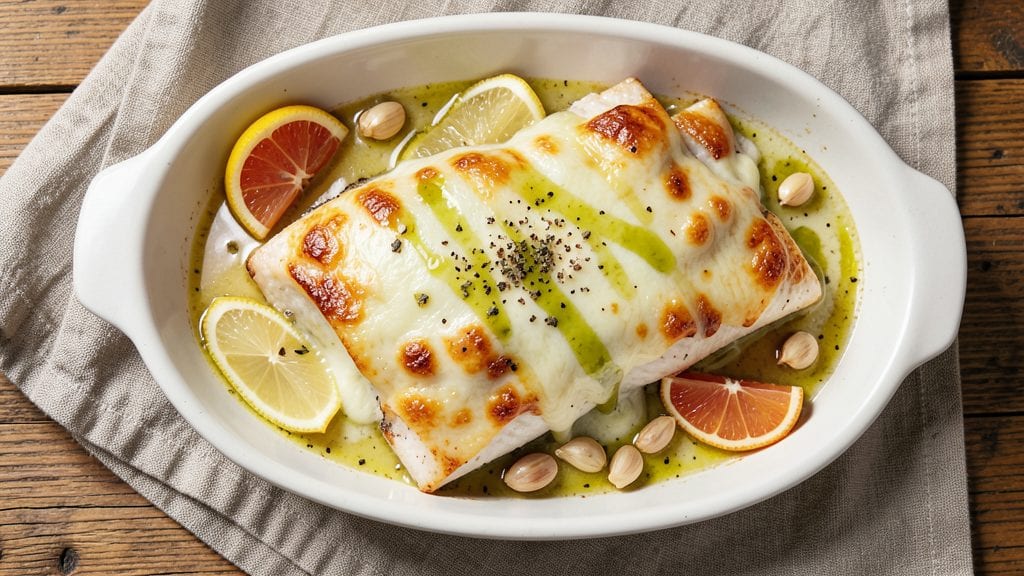
This baked fish with cheese recipe delivers the perfect combination of crispy golden cheese crust and tender, flaky fish beneath—a restaurant-worthy dish you can make at home.
The secret lies in choosing the right cheese and baking it just long enough to create that irresistible pull-apart texture while keeping the fish moist. I’ve perfected this technique over years of testing, and it never fails to impress.
The beauty of this recipe is its simplicity: just a few quality ingredients, a 375°F oven, and about 20 minutes of hands-off baking time.
You’ll start with a flavorful white fish like cod or tilapia, marinate it lightly in lemon and herbs, then top it with a blend of sharp cheddar and mozzarella for that perfect melty yet crispy finish.
The result is a dish that’s elegant enough for dinner guests but easy enough for a weeknight.
What you’ll end up with is a platter of golden, bubbly cheese-topped fish that’s crispy on top and tender inside, served with a side of roasted vegetables or crusty bread to soak up every last bit of that savory, melty goodness.
The aroma alone will have everyone gathering around the table, and the first bite delivers that satisfying contrast of textures—just like your favorite seafood restaurant, but better.
This recipe scales beautifully for a crowd or serves as a perfect single serving for a cozy night in. Whether you’re feeding a family or treating yourself, the pull-apart cheese magic makes every bite worth it. Let’s get started on this foolproof, flavor-packed dish!
Ingredients for baked fish with cheese
Just twelve ingredients transform simple fish into restaurant-worthy crispy cheese-topped magic.
| Ingredient | Amount | Notes |
|---|---|---|
| White Fish Fillets 🐟 | 4 whole | Cod or tilapia, skin-on preferred |
| Sharp White Cheddar Cheese 🧀 | 1 cup | Shredded, block preferred over pre-shredded |
| Mozzarella Cheese 🧀 | ½ cup | Low-moisture, freshly shredded |
| Extra-Virgin Olive Oil 🫒 | 2 tbsp | For marinade and fish coating |
| Fresh Lemon Juice 🍋 | 2 tbsp | Freshly squeezed, bright flavor |
| Garlic Cloves 🧄 | 2 cloves | Minced for marinade |
| Fresh Parsley 🌿 | ¼ cup | Chopped, for garnish and flavor |
| Dried Oregano 🍃 | 1 tsp | Italian or Mediterranean blend |
| Ground Black Pepper 🌶️ | ½ tsp | Freshly ground for best flavor |
| Kosher Salt 🧂 | 1 tsp | For seasoning fish and cheese |
| All-Purpose Flour 🌾 | 2 tbsp | Light coating for extra crispiness |
| Panko Breadcrumbs 🍞 | ¼ cup | For extra crunchy texture |
The cheese is where the magic happens—sharp white cheddar brings the tang, while low-moisture mozzarella melts just right. Whole Foods or local cheese shops have the best blocks, but the pre-shredded stuff works in a pinch (drain it well!). For the fish, cod or tilapia are foolproof—look for fillets with bright color and firm texture. The skin-on variety adds extra crispiness, but skinless works too. I always grab the thickest fillets I can find at Trader Joe's—they stay juicy longer. Fresh herbs and garlic? Local markets are your friend here—nothing beats the flavor of fresh, seasonal produce.
No sharp cheddar? Parmesan or Gruyère will add depth, though the tang will be milder. Short on mozzarella? Provolone or fontina melt beautifully too. For the fish, halibut or mahi-mahi are great swaps—just adjust baking time slightly. The flour and panko are non-negotiable for that perfect crispy crust, but if you're out of panko, regular breadcrumbs toasted in the oven first work great. The lemon juice? Bottled works fine, but fresh is always better—just squeeze it right before using. And trust me, don't skip the garlic—it makes all the difference in that marinade.
This dish reheats beautifully—just pop it in the oven at 350°F for 5-7 minutes until the cheese is bubbly again. For meal prep, assemble the fish and cheese topping ahead, then bake when ready—the cheese won't melt until it hits the oven. Store leftovers in an airtight container for up to 3 days, but honestly, it's best eaten fresh. The crust loses its crispiness after a day, so make it when you're ready to eat. Freezing isn't recommended—the cheese gets rubbery. Serve with roasted veggies or crusty bread to soak up every last bit of that melty goodness.
Why You'll Love This Recipe
- No-Fuss Prep: I swear by this recipe because it’s basically hands-off. Just pat the fish dry, drizzle it with olive oil and lemon, then top with cheese—no brining, no fancy marinating. The oven does all the work while you sip your coffee or scroll through your phone.
- Cheese-Crusted Magic: That sharp white cheddar and melted mozzarella combo? It’s like a hug for your taste buds. The cheddar adds a tangy bite, while the mozzarella turns gooey and golden—crispy edges, creamy center, every time. (Yes, even my picky husband licks the plate.)
- Weeknight to WOW: Honestly, this is my go-to for busy nights, but it also feels fancy enough for company. Serve it with crusty bread and a simple salad, and suddenly you’re hosting a dinner party. The lemon brightens everything up, so it never feels heavy.
- Leftovers That Don’t Suck: Between us, most baked fish turns rubbery the next day—but not this one. The cheese keeps it rich and satisfying, so I make a double batch and reheat slices in the toaster oven. Budget-friendly, minimal waste, and still tastes like you just made it. Win.
Step-by-step instructions for baked fish with cheese
Here's how to achieve that perfect crispy top and melty cheese pull-apart magic every time.
Create the Flavorful Marinade
In a small bowl, whisk together the 2 tablespoons extra-virgin olive oil, 2 tablespoons fresh lemon juice, 2 cloves minced garlic, 1 teaspoon dried oregano, ½ teaspoon ground black pepper, and 1 teaspoon kosher salt. This bright, herby marinade will infuse the fish with incredible flavor while keeping it tender.
Place the 4 whole white fish fillets in a shallow dish and pour the marinade evenly over them, making sure each fillet is fully coated. Let them marinate for 15-20 minutes at room temperature. This brief marinating time ensures the fish absorbs the flavors without overcooking. I like to cover the dish loosely with plastic wrap while marinating to keep the fish moist.
Prepare the Cheese Topping
In a medium bowl, combine the 1 cup shredded sharp white cheddar cheese and ½ cup shredded mozzarella cheese. This blend gives you that perfect balance of sharp, tangy flavor with creamy meltiness. Add the 2 tablespoons all-purpose flour and ¼ cup panko breadcrumbs to the cheese mixture and stir gently until just combined.
This flour and panko combo creates the crispy topping we're after. The flour helps bind the cheese while the panko adds that satisfying crunch. Spread this mixture evenly over the marinated fish fillets, pressing down gently to help it adhere. You'll want about ¼ cup of this mixture per fillet—don't be shy with the cheese!
Coat and Chill for Maximum Crispiness
Transfer the fish fillets to a baking sheet lined with parchment paper. The parchment prevents sticking and makes cleanup a breeze. Gently press down on the cheese topping to help it stick to the fish. Place the baking sheet in the refrigerator uncovered for 15 minutes to let the cheese slightly firm up.
This chilling step is crucial for achieving that perfect crispy texture. When the cheese is chilled, it creates a better crust that browns beautifully in the oven rather than turning into a sad, greasy mess. While it chills, preheat your oven to 400°F—this high temperature ensures a crispy top while keeping the fish tender inside.
Bake to Golden Perfection
Carefully transfer the chilled fish fillets to the preheated oven. Bake for 12-15 minutes until the cheese is golden brown and bubbly and the fish flakes easily with a fork. The exact time depends on your oven, so keep an eye on it—you want that cheese to be beautifully browned but not burnt.
Here's the thing—don't open the oven door during baking! The heat loss will cause the cheese to steam instead of crisp up. When you see the cheese starting to bubble and turn golden, that's your signal it's ready. The fish should reach an internal temperature of 145°F at its thickest part.
Garnish and Serve Immediately
Remove the fish from the oven and let it rest for 2-3 minutes—this brief resting period allows the juices to redistribute, ensuring each bite is moist and flavorful. While it rests, sprinkle the ¼ cup chopped fresh parsley evenly over the top for a pop of color and freshness.
Serve the fish immediately while the cheese is still melty and the crust is crispy. The contrast of the crispy cheese topping with the tender fish inside is what makes this dish so special. Pair it with a simple green salad or some crusty bread to soak up any extra cheese sauce. Enjoy this incredible combination while it's hot!
Pro Tips For Making Baked Fish With Cheese
- Preheat Like It’s Hot: Crank your oven to 425°F (220°C) and let it scream for 10 minutes before baking—this recipe thrives on that initial shock of heat. I used to skip this, and my cheese would just melt into a sad, greasy puddle instead of forming that golden, bubbly crust we all want.
- Pat Dry, Then Salt: Wrap your fish fillets in paper towels and press hard to remove every drop of moisture—wet fish steams instead of browning. Sprinkle with salt immediately after drying; the salt draws out even more water, and the crust will form faster. (Yes, even if you’re impatient like me.)
- Layer Cheese Smart: Start with sharp white cheddar on the bottom—it’s bold enough to cut through the fish’s mildness—and top with mozzarella for stretch and melt. Skip the pre-shredded stuff; block cheese melts better and won’t leave you with that annoying gummy texture. (Your future self will notice the difference.)
- Lemon Last, Not First: Drizzle lemon juice after baking, not before—acid breaks down the fish’s proteins and turns it rubbery if added early. A quick squeeze over the top at the end brightens the dish without wrecking the texture. (I learned this after a particularly sad dinner.)
Pro cooking tips for this recipe
Cheese Selection Matters
Not all cheeses melt the same way, and for this recipe, you need a blend that delivers both tang and melt. I always use sharp white cheddar for its bold flavor and low-moisture mozzarella for its creamy melt—this combo creates that perfect pull-apart texture.
If you can’t find sharp cheddar, Gruyère or Parmesan add depth, though they’re milder. Pre-shredded cheese? Drain it well and pat it dry with a paper towel to avoid a soggy topping. 🧀
Prevent Soggy Cheese
The key to crispy cheese is keeping it dry before baking. After mixing your cheese with flour and panko, chill the fish for 15 minutes uncovered in the fridge. This firms up the cheese so it browns beautifully instead of turning greasy.
I also recommend using block cheese and shredding it yourself—pre-shredded cheese contains anti-caking agents that can make the topping rubbery. 💡
Temperature Control
Your oven’s temperature is critical—too low, and the cheese won’t brown; too high, and the fish will dry out. I bake this dish at 400°F for 12-15 minutes, but if your oven runs hot, start checking at 10 minutes.
Use an oven thermometer to confirm accuracy, as many ovens are off by 25°F or more. Pro tip: Place a metal baking pan on the lower rack 10 minutes before baking to preheat it evenly. 🌡️
Don’t Overcrowd the Pan
Fish fillets need space to cook evenly, and overcrowding causes steam to trap under the cheese, making it soggy. Arrange your fillets 1 inch apart on the baking sheet. If you’re cooking for a crowd, bake in batches—two fillets per sheet works perfectly.
I use parchment paper for easy cleanup, but if you’re using a glass or metal pan, grease it lightly with olive oil first. 🍽️
Broil for Extra Crispiness
For an even crispier cheese top, finish under the broiler for 1-2 minutes at the end. Watch closely—broilers can burn cheese fast! I like to place the baking sheet on the top rack and broil on high heat until the cheese is bubbly and golden.
This step adds that restaurant-quality crunch without drying out the fish. Just be ready to serve immediately after broiling. 🔥
Rest Before Serving
Let the fish rest for 2-3 minutes after baking—this allows the juices to redistribute, so every bite is moist and flavorful. Skipping this step means the first cut will release precious juices, leaving the fish dry.
While it rests, garnish with fresh parsley for a pop of color and freshness. Serve with lemon wedges on the side to brighten the dish with a final citrus note. ✨
Nutrition facts
Frequently asked questions
What’s the best fish to use for this recipe?
White fish with firm texture works best—cod, tilapia, or halibut are perfect choices. Look for fillets with bright color and firm flesh. Thicker cuts (about 1-inch thick) stay juicier while baking. Avoid delicate fish like flounder, which can dry out easily under the cheese topping.
Can I make this ahead of time?
Assemble the fish and cheese topping up to 24 hours ahead, then refrigerate uncovered. When ready to bake, let it sit at room temperature for 30 minutes before baking. The cheese won’t melt until it hits the oven—just bake as directed. For best texture, serve immediately after baking, as the crust loses crispiness when reheated.
Why is my cheese topping soggy instead of crispy?
Soggy cheese usually happens from moisture—either from the fish or pre-shredded cheese. Always use block cheese (shredded yourself) and pat it dry. Chill the fish uncovered for 15 minutes before baking to firm up the cheese. Also, avoid overcrowding on the baking sheet—keep fillets 1 inch apart for proper airflow.
What sides pair well with this dish?
This rich, cheesy fish pairs perfectly with light sides like roasted asparagus, lemon garlic green beans, or a crisp arugula salad. For extra flavor, serve with crusty sourdough bread or garlic mashed potatoes to soak up the cheese sauce. A squeeze of lemon at the table brightens the dish beautifully.
Can I use frozen fish for this recipe?
Yes, but thaw it properly first! Place frozen fillets in the fridge overnight or use the cold water thaw method (change water every 30 minutes). Never thaw at room temperature. Pat the fish dry thoroughly before marinating—excess moisture can make the cheese topping soggy. For best results, use fresh fish whenever possible.