
Sauces & Condiments
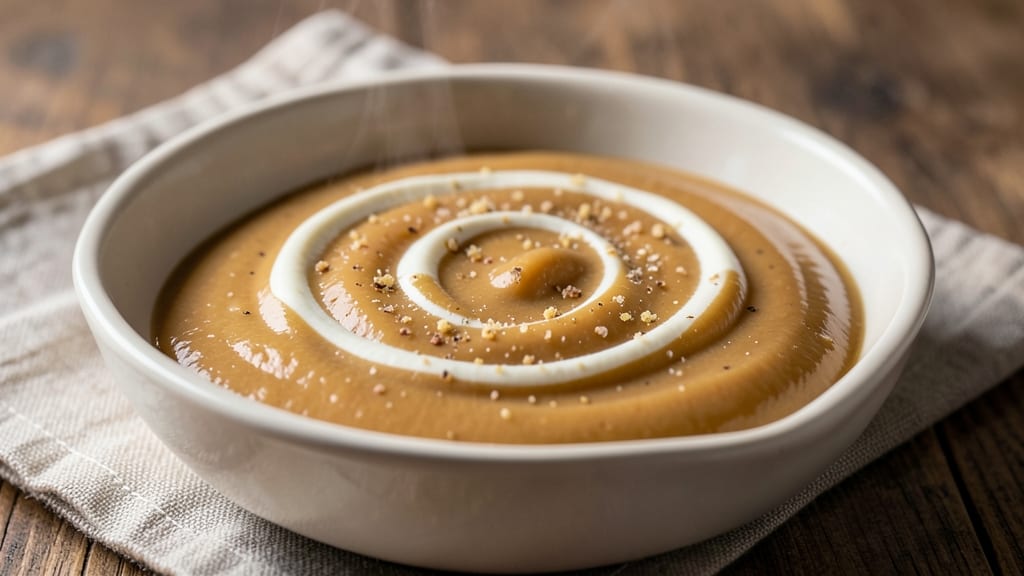
Creating Arby's cheddar cheese sauce at home delivers that signature velvety melt that makes every bite of curly fries or roast beef sandwich irresistible.
The secret lies in balancing sharp cheddar with just enough cream and butter to create a sauce that's rich yet smooth—not too thick, not too thin, but perfectly pourable.
I've perfected this recipe through years of testing, and it's the closest you'll get to the iconic sauce without stepping into an Arby's.
This sauce relies on a simple method that transforms basic pantry ingredients into something restaurant-quality. Sharp cheddar cheese forms the flavor foundation, while heavy cream and butter create that signature velvety texture. The key is patience—allowing the cheese to melt gradually over low heat ensures a smooth, lump-free finish.
With just five ingredients and 15 minutes of hands-on time, you'll have a sauce that's impossible to resist.
What you'll end up with is a creamy, golden sauce that's ideal for dipping curly fries, topping roast beef sandwiches, or even drizzling over baked potatoes. The flavor is bold enough to stand alone but balanced enough to complement other dishes.
This isn't just a sauce—it's an experience that transforms ordinary meals into something special.
Once you try this recipe, you'll never buy store-bought cheese sauce again. The sauce stays creamy even after reheating, making it perfect for meal prep or serving at gatherings. Let's get started on creating the perfect cheddar cheese sauce for your next meal.
Ingredients for arby's cheddar cheese sauce
Five ingredients, one iconic sauce. Pantry staples that transform into Arby's-style perfection.
| Ingredient | Amount | Notes |
|---|---|---|
| Sharp Cheddar Cheese 🧀 | 8 oz | Aged at least 6 months for sharpness |
| Heavy Whipping Cream 🥛 | 1 cup | Full-fat for velvety texture |
| Unsalted Butter 🧈 | 2 tbsp | Cold, cut into small cubes |
| All-Purpose Flour 🌾 | 1 tbsp | For thickening, not for flavor |
| Granulated Garlic Powder 🧄 | ½ tsp | For subtle depth of flavor |
The cheddar is non-negotiable here—sharp, aged cheddar (the kind that makes your mouth pucker) is what gives this sauce that signature tang. Kraft's 2-year aged cheddar from the block section is my go-to, but any sharp cheddar will work. The heavy cream? Full-fat is a must—light cream will make your sauce thin and watery. Butter adds richness, but don't melt it first—keep those cubes cold until they're ready to go. For the flour, Bob's Red Mill all-purpose is my favorite, but any basic flour in a cupboard will do. Pro tip: if your cheddar is pre-shredded, toast it in a dry pan for 2 minutes to remove excess moisture—this keeps your sauce silky smooth.
No sharp cheddar? Pepper jack or smoked cheddar can work in a pinch, but you'll lose that signature Arby's flavor. Light cream? Half-and-half at half the amount gets you closer to the right consistency. Butter substitute? Olive oil at half the amount, but it changes the flavor profile. The garlic powder is optional but adds that subtle depth—skip it if you're sensitive to garlic flavors. For a dairy-free version, full-fat coconut milk replaces the cream and butter, but the texture will be slightly different. If your sauce gets too thick, a splash of warm milk (dairy or plant-based) brings it back to perfection. And if you're wondering why no salt? The cheddar is already salty—trust me on this one.
This sauce stays creamy for 5-7 days in the fridge, sealed tightly in a jar. For longer storage, freeze in ice cube trays—thaw overnight in the fridge, then whisk to smooth. Reheating? Low heat is key—microwave in 20-second bursts until warm, stirring in between. The sauce thickens as it cools, so if it seems too thick when cold, thin it with a splash of warm milk. I always make double batches—it disappears fast, especially when curly fries are on the menu. Leftovers? Perfect for topping baked potatoes or mac and cheese.
Why You'll Love This Recipe
- Five-Ingredient Magic: The pantry already has these—no specialty trips needed. Sharp cheddar, cream, butter, flour, and garlic powder? That’s it. I’ve made this sauce while scrolling through emails, waiting for dinner to cook, or even with one hand tied behind my back.
- Tangy Creamy Dream: That first bite of melted cheddar with the creamy richness? It’s like Arby’s brought home—just without the drive-thru wait. The garlic powder adds this subtle, warm kick that makes it way more interesting than basic cheese sauce.
- Mac & Cheese’s Best Friend: Drizzle it over roasted veggies, toss it with pasta, or use it as a dipping sauce for fries. Honestly, I’ve even spread it on grilled cheese sandwiches—yes, it’s that good. The flour roux keeps it thick and velvety, so it clings perfectly.
- Leftovers That Don’t Let You Down: This sauce actually tastes better the next day—no sad, watery aftermath here. Store it in the fridge for up to five days or freeze portions for quick weeknight meals. (I’ve reheated it three times this week already.)
Step-by-step instructions for Arby's cheddar cheese sauce
Here's how to make that iconic, creamy sauce that's perfect for dipping or topping.
Melt Butter and Create a Smooth Base
In a medium saucepan, melt the 2 tablespoons unsalted butter over medium heat. You'll know it's ready when the butter stops bubbling and looks completely liquid. I like to use small cubes of cold butter so it melts evenly without scorching.
Once melted, reduce the heat to medium-low to maintain a gentle simmer. This controlled heat prevents the butter from browning, which would add bitterness to your sauce. Keep the pan on the stove while you prepare the next ingredients—you want everything ready to go when it's time to combine.
Whisk in Flour to Thicken the Sauce
Add the 1 tablespoon all-purpose flour to the melted butter and whisk continuously for 1-2 minutes until the mixture becomes smooth and slightly thickened. This step is crucial—it creates a roux that will help thicken your sauce beautifully.
Watch for the mixture to change from a loose paste to a smoother, more cohesive texture. If it starts to look grainy, keep whisking—this ensures the flour fully incorporates without creating lumps. The goal is a silky base that will blend seamlessly with the other ingredients.
Gradually Add Cream and Garlic Powder
Slowly pour in the 1 cup heavy whipping cream while whisking constantly. I add it gradually to prevent any sudden temperature changes that could cause the sauce to curdle. As you pour, keep whisking until the cream is fully incorporated and the mixture is smooth.
Next, sprinkle in the 0.5 teaspoon granulated garlic powder and whisk for 30 seconds to distribute it evenly. The garlic adds a subtle depth of flavor that complements the sharp cheddar perfectly. Keep the heat at medium-low—you're not trying to boil the sauce yet, just gently warming it.
Incorporate the Cheddar Cheese
Reduce the heat to low and begin adding the 8 ounces sharp cheddar cheese, one piece at a time. I like to cut the cheese into small cubes first—this helps it melt more evenly and prevents any large chunks from forming. Stir constantly with a wooden spoon or silicone spatula.
As the cheese melts, the sauce will start to thicken noticeably. Keep stirring until the cheese is completely dissolved and the sauce is smooth. If you notice any lumps, strain the sauce through a fine-mesh sieve for a perfectly velvety texture. This step ensures the sauce has that signature Arby's consistency—creamy, rich, and perfectly balanced.
Simmer Until Perfectly Smooth
Continue simmering the sauce on low heat for 5-7 minutes, stirring occasionally. You're looking for a sauce that coats the back of a spoon and has a glossy sheen—this indicates it's reached the perfect consistency for dipping or topping.
Taste the sauce and adjust the seasoning if needed. If it needs more sharpness, add a pinch more of the sharp cheddar cheese. If it needs more depth, you can add a tiny bit more garlic powder. Once you're happy with the flavor, remove the sauce from heat immediately to prevent it from continuing to thicken. Serve warm for the best texture and flavor.
Pro Tips For Making Arby'S Cheddar Cheese Sauce
- Whisk Like You Mean It: That roux isn’t going to build itself—get aggressive with the whisk when melting butter and flour together. I used to let it simmer gently, but now I crank it up to medium-high and stir like I’m angry at the sauce. This cuts cooking time by half and prevents lumps before they even think about forming.
- Grate, Don’t Chop: Sharp cheddar loses its fight when you dice it—use a box grater for the finest, most flavorful texture. The smaller the pieces, the faster they melt into a silky sauce. (Yes, even if you’re impatient like me.) Skip the food processor unless you want grainy bits that scream “restaurant shortcut.”
- Temper the Cheese: Dump cold cheese into hot liquid and you’re asking for separation. Warm the heavy cream and butter mixture to just under a simmer first, then slowly add the cheese while whisking. I learned this the hard way—lumpy sauce is a crime against comfort food.
- Salt the Roux Early: Taste that butter-flour mix before adding cream—it’s the only chance you’ll get to adjust seasoning properly. A pinch of salt now guarantees the sauce won’t taste bland later. (Your future self will thank you when you’re dipping fries at 11 PM.)
Best sauces and condiments for arby's cheddar cheese sauce
Dipping Sauce Perfection
This cheddar cheese sauce is a game-changer for curly fries—its creamy, slightly tangy texture clings perfectly to hot, crispy fries without overwhelming their flavor.
I like to serve it in a small Arby's-style dipping cup (or a shallow bowl) with a side of freshly made onion rings for the ultimate combo.
The sauce stays warm for hours when kept in a slow cooker on low heat, making it ideal for game day gatherings. 🥔
Roast Beef Sandwich Topper
Spread this sauce generously on slow-cooked roast beef sandwiches just before serving—it melts into the warm meat, creating a rich, cheesy layer that ties everything together. For extra indulgence, layer it between slices of toasted sourdough with crispy au jus-soaked roast beef.
I often make a double batch because it disappears fast when paired with sandwiches. The sauce's thickness ensures it doesn't drip, keeping your sandwich clean and delicious.
Loaded Baked Potato Upgrade
Drizzle this sauce over baked potatoes alongside classic toppings like crispy bacon, sour cream, and chives. The sharp cheddar flavor cuts through the richness of the potato, balancing the dish perfectly.
For a cheesy potato casserole, mix this sauce into the top layer before baking—it creates a golden, bubbly crust that everyone will love. A ¼ cup per potato is plenty, but don't be shy with the extra sauce on the side.
Mac and Cheese Game-Changer
Stir ½ cup of this sauce into your favorite mac and cheese recipe just before serving—it adds depth and a velvety finish that store-bought cheese sauces can't match. For a baked mac and cheese, mix it into the cheese layer before baking, then top with breadcrumbs for extra crunch.
The sauce's natural thickness helps it cling to the noodles, making every bite richer and more flavorful. 🧀
Breakfast Pairings
Use this sauce as a breakfast dip for hash browns, pancakes, or even waffles. The sharp cheddar flavor adds a savory twist to sweet dishes, while the creaminess balances the richness.
I also love drizzling it over scrambled eggs or breakfast burritos—it's a surprisingly delicious way to start the day. Keep a small bowl on the table for dipping or topping, and watch it disappear quickly.
Grilled Cheese Secret Weapon
Spread a thin layer of this sauce on grilled cheese sandwiches before assembling—it creates a gooey, melty center that's even better than traditional American cheese. Pair it with sharp cheddar and Gruyère for extra depth.
For a cheesy dip, warm the sauce and serve it in a bread bowl with warm tortilla chips—it's a crowd-pleaser at parties. The sauce's smooth texture makes it perfect for dipping without making a mess. 🍞
Nutrition facts
Frequently asked questions
Why does my homemade cheddar cheese sauce turn grainy?
Graininess usually happens when cheese melts too quickly or moisture isn't properly removed. First, make sure to use sharp, block cheddar (not pre-shredded) and toast it in a dry pan for 2 minutes to eliminate excess moisture. Also, melt the cheese over low heat while stirring constantly. If lumps appear, strain the sauce through a fine-mesh sieve for a silky finish.
Can I make this sauce without flour?
Yes! For a gluten-free version, replace the flour with 1 tablespoon cornstarch or 1 tablespoon heavy cream (reduce total cream by 2 tablespoons). The sauce will still thicken properly, though it may be slightly less stable when reheated. Stir vigorously while heating to prevent clumping.
How do I keep the sauce warm for a crowd?
Transfer the sauce to a slow cooker on low heat or a thermos for up to 4 hours. For parties, keep it in a double boiler (saucepan over simmering water) and stir occasionally. Never leave it unattended on the stove—it can separate or overcook. A chafing dish works best for buffet-style serving.
What's the best way to reheat leftover sauce?
Reheat gently in 20-second bursts in the microwave, stirring between each interval. For stovetop reheating, use low heat and stir constantly until warm (about 3-5 minutes). If the sauce thickens too much, thin it with a splash of warm milk or cream. Never boil it—this can cause separation.
Can I use this sauce for dipping fries or just sandwiches?
This sauce is perfect for curly fries, onion rings, and even loaded nachos. The creamy texture clings beautifully to crispy foods. For extra fun, serve it in small Arby's-style cups with toothpicks. It also works as a dip for mozzarella sticks, chicken tenders, or veggie sticks. The key is keeping it warm—cold sauce won't cling as well.