
Main Courses
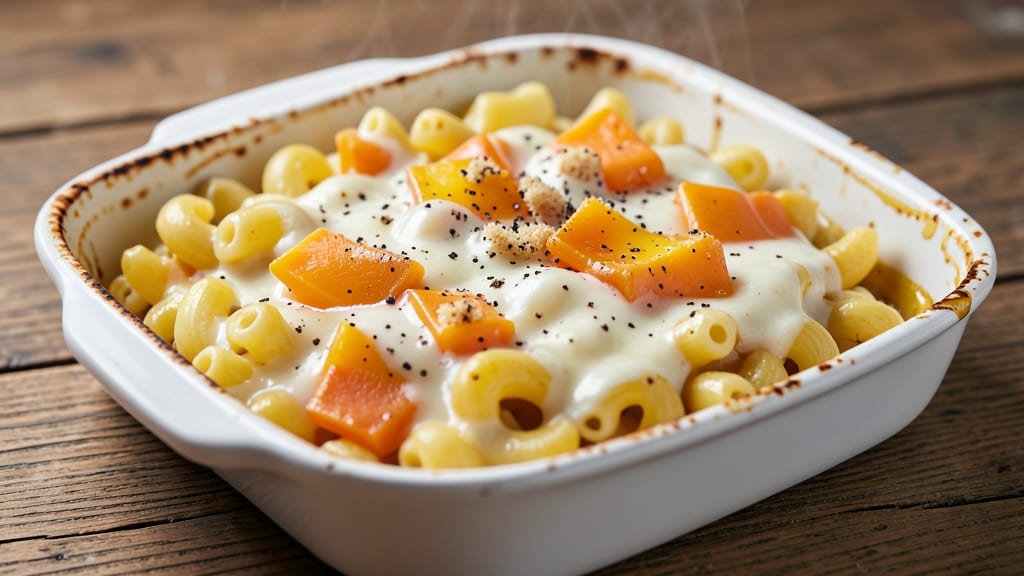
Alton Brown's stovetop mac and cheese delivers that signature crispy top and creamy layers without the traditional roux—just precise technique and a few clever shortcuts. This method transforms simple ingredients into a dish that rivals restaurant-quality versions, all while keeping the process straightforward.
The secret lies in melting the cheese directly into the pasta water, creating a sauce that clings to every noodle without lumps or separation.
What sets this recipe apart is how it balances texture and flavor. The stovetop approach eliminates the need for a roux, yet still achieves that velvety, rich consistency we crave. Pre-shredded cheese works perfectly here, cutting down on prep time while maintaining that classic cheesy goodness.
The key is stirring constantly at the right temperature—too hot, and the sauce breaks; too cool, and it never thickens properly.
By the end, you'll have mac and cheese with a golden, crispy top that shatters slightly when you cut into it, revealing layers of creamy cheese beneath. The sauce coats each noodle perfectly, creating bites that are rich, tender, and impossible to resist.
This is comfort food at its finest—elevated by Alton's signature precision but simplified for home cooks.
Serve immediately with a sprinkle of extra cheese or fresh herbs for a restaurant-worthy finish. The beauty of this method is its flexibility—scale it up for parties or keep it small for a cozy weeknight dinner. Here's how to make it happen.
Ingredients for alton brown stovetop mac and cheese
Simple ingredients, precise technique—this stovetop mac and cheese delivers crispy tops and creamy layers without roux.
| Ingredient | Amount | Notes |
|---|---|---|
| Elbow Macaroni 🍝 | 8 oz | Dry, medium or elbow shape preferred |
| Sharp Cheddar Cheese 🧀 | 2 cups | Pre-shredded, mild or sharp variety |
| Monterey Jack Cheese 🧀 | 1 cup | Pre-shredded, for creaminess |
| Heavy Cream 🥛 | ½ cup | Full-fat for best texture |
| Unsalted Butter 🧈 | 2 tbsp | Cold, cut into small cubes |
| Whole Milk 🥛 | ½ cup | Warmed for smooth sauce |
| Salt 🧂 | 1 ½ tsp | Kosher or sea salt |
| Black Pepper 🌶️ | ½ tsp | Freshly ground for best flavor |
| Garlic Powder 🧄 | ½ tsp | For subtle depth |
| Mustard Powder 🌶️ | ¼ tsp | Optional for tang |
| Freshly Grated Parmesan Cheese 🧀 | ¼ cup | For crispy top finish |
| Panko Breadcrumbs 🍞 | ¼ cup | For extra crunch |
The cheese blend makes all the difference here. Sharp cheddar delivers the classic tang, while Monterey Jack adds that signature creaminess. Pre-shredded cheese works perfectly—it's pre-moisturized, so it melts smoothly without clumping. For the best quality, grab Kraft or Cabot brands from the dairy aisle. The heavy cream and butter should be full-fat—cutting corners here means a thinner, less luxurious sauce. If you're feeling adventurous, swap 1/4 cup of the cheddar for Gruyère for a nutty depth, but keep the ratio balanced.
No heavy cream? Full-fat Greek yogurt works in a pinch, though the texture will be slightly tangier. Short on Monterey Jack? Extra sharp cheddar plus a splash of milk keeps the creaminess. The mustard powder is optional but adds a subtle tang that cuts through the richness—Colman's is my go-to for consistency. For the crispy top, Panko is non-negotiable—it stays crispy longer than regular breadcrumbs. If you can't find it, crush regular bread into fine crumbs and toast them in a dry pan first. The garlic powder and black pepper should be freshly ground if possible—McCormick or Penzeys are reliable brands for home cooks.
This dish is best served immediately, but leftovers reheat beautifully. Store in an airtight container for up to 3 days—the sauce may thicken slightly, so add a splash of milk when reheating. For the crispy top, sprinkle the Parmesan and Panko right before serving. Freezing isn't recommended, as the texture suffers, but you can freeze the cheese sauce separately for up to 1 month. Portion the macaroni ahead of time if you're prepping for a crowd—just add the sauce fresh to each serving for that restaurant-quality finish.
Why You'll Love This Recipe
- One-Pot Magic: I swear by this recipe when I’m too tired to wash another dish—just cook the pasta right in the saucepan, then melt in that velvety cheese-butter blend. No straining, no extra bowls, just done.
- Cheese Love Bomb: Sharp cheddar and Monterey Jack? That’s a flavor combo I can’t resist. The heavy cream keeps it luscious without being heavy, and the butter adds that rich, golden finish—like a hug in a bowl.
- Weeknight Hero: This is my go-to when I’ve got a houseful of hungry people or a last-minute dinner date. It’s hearty enough for a crowd but still feels special, and honestly? The leftovers reheat like a dream.
- Budget Comfort: Elbow macaroni and a block of cheese won’t break the bank, but it tastes like I spent hours slaving away. Between us, this is how I feed my family well without stressing over grocery bills.
Step-by-step instructions for Alton brown's stovetop mac and cheese
Here's how to create a perfectly balanced dish with rich, creamy layers and a crispy top.
Cook the Elbow Macaroni Al Dente
Bring a large pot of water to a rolling boil. Add the 8 oz elbow macaroni and 1.5 tsp salt, stirring to prevent sticking. Cook for 8-10 minutes until the pasta is al dente—it should have a slight bite when you test it with your teeth. Drain the pasta in a colander and return it to the pot.
Don't rinse the pasta after draining—this removes the surface starch needed for the cheese to cling properly. The pasta should be hot when you add it to the cheese mixture, so keep it in the pot over low heat or transfer it to a warm bowl if you're not ready to combine immediately.
Melt Butter and Warm the Milk
In a separate saucepan, combine the 2 tbsp unsalted butter and 0.5 cup whole milk over medium-low heat. Warm the mixture until the butter melts completely and the milk begins to steam—this should take about 2-3 minutes. The milk should be hot but not boiling.
This step ensures the sauce will blend smoothly with the cheese later. If you skip warming the milk, the cheese mixture may clump or separate. Keep the mixture at a gentle simmer to maintain its temperature while you prepare the cheese sauce.
Combine Cheese and Create the Sauce
Lower the heat to low and add the 2 cups sharp cheddar cheese and 1 cup monterey jack cheese to the warm milk mixture. Stir constantly with a wooden spoon or whisk until the cheese melts completely and the sauce becomes smooth. This should take about 3-4 minutes. If the sauce thickens too much, add 1-2 tablespoons of pasta water to loosen it.
Here's the thing—don't rush this step. The cheese needs time to fully melt and emulsify with the milk. If you see any unmelted cheese clumps, stir in a splash of warm milk or pasta water to help dissolve them. The sauce should be thick but still pourable at this stage.
Add Seasonings and Cream
Remove the sauce from heat and stir in the 0.5 cup heavy cream, 0.5 tsp black pepper, 0.5 tsp garlic powder, and 0.25 tsp mustard powder. Mix well to distribute the seasonings evenly. Then, add the cooked elbow macaroni to the sauce and stir until every strand is fully coated.
This is where the flavors come together. The heavy cream adds richness, while the seasonings deepen the flavor profile. If the mixture seems too thick, add more pasta water 1 tablespoon at a time until it reaches a creamy, spoonable consistency. The final texture should be smooth and velvety.
Assemble and Create the Crispy Top
Transfer the macaroni and cheese mixture to a greased 8-inch oven-safe skillet or baking dish. Sprinkle the 0.25 cup freshly grated parmesan cheese evenly over the top, then scatter the 0.25 cup panko breadcrumbs evenly across the surface. Use a fork to create a textured pattern for extra crispiness.
Place the skillet under a broiler for 2-3 minutes, watching closely to ensure the top becomes deep golden brown and crispy. If the top browns too quickly, move the skillet slightly away from the heat source. The goal is to achieve a crispy, caramelized crust without burning the breadcrumbs.
Pro Tips For Making Alton Brown Stovetop Mac And Cheese
- Cook Pasta Until Al Dente: DESCRIPTION:
- Shred Cheese Like a Pro: DESCRIPTION:
- Temper the Cream Slowly: DESCRIPTION:
- Strain the Pasta Well: DESCRIPTION:
Regional styles of this recipe
Southern Comfort Twist
In the South, mac and cheese gets a smoky, spicy kick with additions like 1 tbsp smoked paprika and ½ tsp cayenne pepper mixed into the cheese sauce.
I like using sharp white cheddar for this version, and adding ½ cup cooked and crumbled andouille sausage to the pasta before combining with the sauce. Serve with a side of collard greens for a full Southern spread. 🌶️
New England Clam Chowder Fusion
Up north, they take mac and cheese to seafood territory by blending in 1 cup clam juice with the milk and adding ½ cup chopped fresh clams or canned chopped clams (drained) along with ½ cup diced celery and ½ cup diced onion to the pasta.
Finish with 2 tbsp chopped chives and a sprinkle of crushed Ritz crackers instead of Panko. The result is a creamy, briny twist on a classic. 🦪
Midwest Casserole Style
The Midwest loves their mac and cheese baked in a deep dish, so I recommend transferring the assembled mac and cheese to a 9x13-inch baking dish instead of a skillet. Top with ½ cup crushed cornflakes and ¼ cup melted butter mixed into the crumbs for extra crispiness.
Bake at 375°F for 20-25 minutes until bubbly and golden. This version is perfect for potlucks and family gatherings. 🍽️
Pacific Northwest Smoked Salmon
Out west, they elevate mac and cheese with 4 oz smoked salmon flakes folded into the cheese sauce along with 2 tbsp crème fraîche for tang.
Use Gruyère cheese instead of cheddar for a nutty depth, and finish with 2 tbsp chopped fresh dill and a drizzle of lemon zest. The salmon adds a delicate smokiness that pairs beautifully with the creamy pasta. 🐟
Tex-Mex Fiesta Version
In Texas, mac and cheese gets a fiesta flair with ½ cup diced black olives, ½ cup corn kernels, and ¼ cup chopped jalapeños mixed into the pasta. Use Monterey Jack and pepper jack cheese for a milder, slightly spicy flavor.
Top with ¼ cup crushed tortilla chips and 2 tbsp chopped cilantro for a Tex-Mex twist that’s perfect with warm tortillas. 🌮
New York City Gourmet Upgrade
For a NYC-style upgrade, replace half the cheddar with fontina cheese for a richer, meltier texture. Add 1 tbsp white wine to the milk mixture and finish with 1 tbsp chopped fresh parsley and a sprinkle of truffle salt.
Serve in individual ramekins with a side of arugula salad for a restaurant-worthy presentation. 🍷
Nutrition facts
Frequently asked questions
Why does this recipe skip the roux?
Alton Brown's method eliminates the roux by melting cheese directly into warm milk and pasta water. This creates a smooth, lump-free sauce without the need for flour. The key is using pre-shredded cheese and stirring constantly at low heat to achieve that perfect creamy texture. The result is just as rich and velvety as traditional recipes, but with less prep work!
Can I use block cheese instead of pre-shredded?
Yes, but you'll need to grate it yourself and remove any excess moisture. Place the grated cheese in a fine-mesh strainer and press gently with a paper towel to squeeze out liquid. This prevents a watery sauce. For best results, use a mix of sharp cheddar and Monterey Jack—both melt beautifully when properly dried.
What's the secret to the crispy top?
The golden crust comes from broiling the dish for just 2-3 minutes after topping with Parmesan and Panko. Use a fork to create texture in the breadcrumbs before broiling. Keep an eye on it—once it's deep golden brown, remove immediately to prevent burning. The heat should be medium-high to get that perfect shatter when you cut in!
Can I make this ahead of time?
This dish is best served fresh, but you can prep components ahead. Cook the pasta and make the cheese sauce separately, then reheat gently before combining. For the crispy top, assemble and broil just before serving. If you must store leftovers, keep them in an airtight container for up to 3 days—the sauce may thicken slightly, so add a splash of milk when reheating.
What if my sauce gets too thick?
Simply add 1 tablespoon of pasta water at a time while stirring constantly. The starch in the water helps thin the sauce without breaking its creamy texture. If you've already transferred everything to the baking dish, you can add a splash of milk or warm water and stir vigorously to restore smoothness. Never let it boil after adding the cheese!